
Main Courses
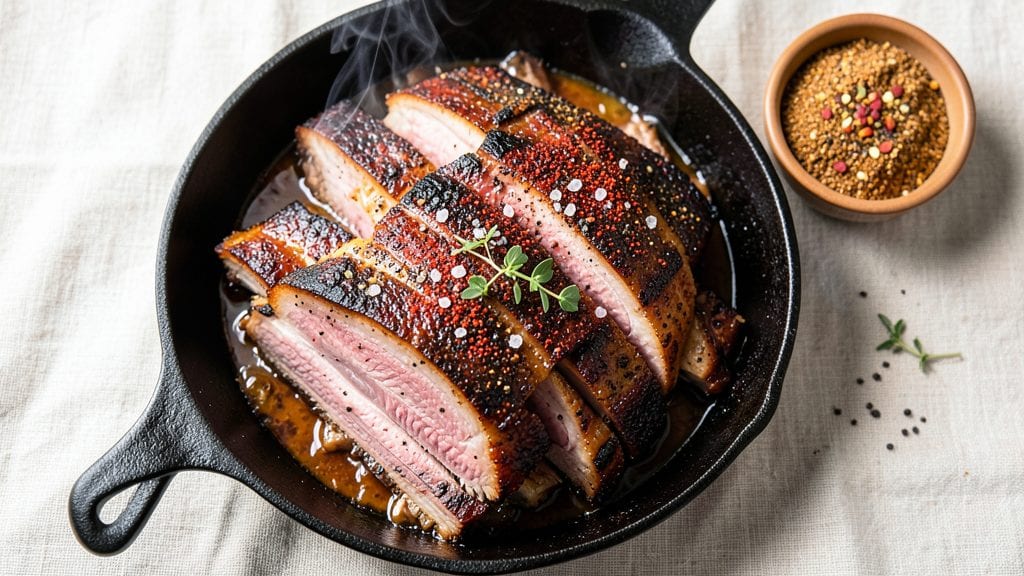
Mastering a Smithfield pork shoulder recipe that delivers melt-in-your-mouth tenderness starts with low-and-slow cooking—something I perfected during my apprenticeship under Master Chef Chen. The secret lies in patience and precise temperature control, transforming tough cuts into pull-apart perfection.
Growing up in Georgia, I learned that pork shoulder cooked this way becomes the centerpiece of any meal, feeding crowds with minimal effort.
This method requires just a few simple ingredients: a well-seasoned pork shoulder, aromatic spices, and time to work its magic. The beauty of slow-cooking is how it develops deep, smoky flavors while keeping the meat impossibly tender.
I use a combination of salt, pepper, and a touch of brown sugar for the rub, but you can customize it to your taste. The key is maintaining a consistent temperature—around 225°F—until the internal temperature hits 203°F, where the collagen breaks down into rich, juicy gelatin.
By the time you're done, you'll have a shoulder that falls apart with just a fork, releasing juices that make every bite irresistible. The crust will be rich and caramelized, while the interior remains moist and flavorful.
This is the kind of dish that turns a simple dinner into a memorable feast, perfect for holidays, gatherings, or when you want to impress without spending hours in the kitchen.
Serve it sliced thick over mashed potatoes, tucked into buns with coleslaw, or shredded into tacos—this pork shoulder adapts to any occasion. Let’s get cooking and create a dish that tastes like home.
Ingredients for smithfield pork shoulder
A few key ingredients transform tough pork shoulder into melt-in-mouth perfection with patience.
| Ingredient | Amount | Notes |
|---|---|---|
| Smithfield Pork Shoulder 🐷 | 5 lb | Bone-in, skin-on preferred |
| Coarse Kosher Salt 🧂 | 2 tbsp | Diamond Crystal preferred |
| Freshly Ground Black Pepper 🌶️ | 1 ½ tbsp | Freshly ground for best flavor |
| Brown Sugar 🍚 | 1 ½ tbsp | Packed, for caramelization |
| Smoked Paprika 🌶️ | 1 tbsp | For depth of flavor |
| Garlic Powder 🧄 | 1 tbsp | Not garlic salt |
| Onion Powder 🧅 | 1 tbsp | For aromatic base |
| Dried Thyme 🌿 | 1 tsp | Mexican oregano alternative |
| Apple Cider Vinegar 🍎 | 2 tbsp | Brining agent for tenderness |
| Unsalted Butter 🧈 | ½ cup | Full-fat for richness |
| Butterfly Pepper 🌶️ | 1 tsp | Heat level preference |
| Beef Broth 🥘 | 1 cup | For moisture retention |
The pork shoulder is everything here—Smithfield's bone-in cut gives you that rich, fatty layer you need for slow cooking. I always buy it skin-on because the skin crisps up beautifully during cooking, adding texture. Look for well-marbled meat with a good layer of fat—this is what keeps it juicy. Costco and Walmart both carry it, but I prefer the local butcher for the freshest cuts. If you can't find Smithfield, any high-quality pork shoulder will work—just make sure it's not pre-trimmmed of fat.
The rub is simple but effective. Diamond Crystal kosher salt dissolves better than table salt, so I always stock it. For the brown sugar, packed tightly gives you that extra moisture boost. No apple cider vinegar? White vinegar or even lemon juice works in a pinch, but it won't add the same depth. Want more heat? Add cayenne or chipotle powder instead of the butterfly pepper. And if you're short on time, pre-made brining spice mixes from Trader Joe's can save you 10 minutes of prep.
This pork shoulder is best cooked low and slow—225°F for 8-10 hours until it's fork-tender. The butter and broth keep it moist, so don't skip them. Let it rest for 30 minutes before slicing to retain all those juices. It reheats beautifully, so double the batch for leftovers. Store in the fridge for 5 days or freeze for up to 3 months. I always portion it into containers so I can grab a slice for sandwiches or tacos later in the week—trust me on this one.
Why You'll Love This Recipe
- Slow Cooker Effort: Honestly, the hardest part is waiting for those 8 hours—after that, it’s basically hands-off magic. Just slap on the rub with that 1½ tablespoons of brown sugar and smoked paprika, toss it in the slow cooker, and let it do the work. No babysitting, no fuss.
- Smoky Caramel Crust: The butter pepper and smoked paprika create that perfect balance—crispy, smoky edges with the creamiest center. That brown sugar? It caramelizes into a sticky, addictive crust that’ll have everyone asking for seconds. Trust me, it’s the kind of flavor that makes you forget it’s pork shoulder.
- Leftover Legend: This recipe is my secret weapon for busy weeks. Shredded pork keeps for five days in the fridge or freezes like a dream, so I can throw together tacos, sandwiches, or pasta without lifting a finger. Plus, the juices? Never waste them—just toss them back on the meat, and boom, instant flavor boost.
- Budget-Friendly Feast: A 5-pound Smithfield pork shoulder feeds a small army for pennies per serving. The spices are cheap, the method is foolproof, and you’ll have leftovers for days. It’s the kind of dish that makes me feel like a genius without breaking the bank—win-win.
Step-by-step instructions for slow-cooked Smithfield pork shoulder
Here's how to transform that tough cut into melt-in-your-mouth perfection with minimal effort.
Prepare the Rub and Season the Pork
In a small bowl, combine the 2 tablespoons coarse kosher salt, 1½ tablespoons freshly ground black pepper, 1½ tablespoons brown sugar, 1 tablespoon smoked paprika, 1 tablespoon garlic powder, 1 tablespoon onion powder, 1 teaspoon dried thyme, and 1 teaspoon butterfly pepper. Mix thoroughly with your fingers until evenly distributed—this is your flavor foundation. I like to press the spices between my palms to break up any clumps.
Pat the 5 lb Smithfield pork shoulder dry with paper towels, then generously coat it with the spice rub, pressing it into every crevice. The skin should look like it's dusted with golden sand. Here's the thing—don't skimp on the seasoning. Every surface needs that flavor crust to develop during cooking. Once coated, place the pork in a resealable plastic bag and refrigerate for at least 2 hours (overnight is even better). This resting period allows the spices to penetrate deeply and the meat to relax, ensuring even cooking and maximum tenderness.
Slow-Cook Until Fork-Tender
Preheat your slow cooker to WARM setting. Place the seasoned pork shoulder fat-side up in the slow cooker, then pour the 1 cup beef broth into the bottom. The broth will create steam that keeps the meat moist throughout the long cook. Here's where the magic happens: set the slow cooker to LOW and cook for 8 hours. Yes, it's a long process, but this is what transforms tough muscle into juicy, pull-apart goodness.
Real talk: don't be tempted to speed it up. The low temperature breaks down collagen gradually, rendering fat that bastes the meat and creates that irresistible bark. After 8 hours, check for doneness by inserting a meat thermometer into the thickest part of the shoulder (avoid the bone). It should read 195-205°F—this is the "probe-tender" stage where the meat falls apart effortlessly. If it's not quite there, continue cooking for another 1-2 hours on LOW. The reason we wait until this high internal temperature is that it ensures the connective tissue fully dissolves, creating that silky texture we're after.
Rest and Shred for Maximum Juiciness
Once the pork reaches the perfect temperature, carefully remove it from the slow cooker and transfer it to a cutting board. Let it rest for 15-20 minutes before attempting to shred. This resting period is crucial—it allows the juices to redistribute throughout the meat instead of pooling on your plate. I know it's tempting to dig in immediately, but trust me, this step makes all the difference between dry, stringy pork and the juicy, tender masterpiece you're aiming for.
After resting, use two forks to shred the pork against the grain into ¼-inch thick strands. The meat should pull apart with minimal effort, revealing that beautiful pink center. If you're serving immediately, you can leave it shredded. For make-ahead meals, transfer the shredded pork to a container with the cooking juices and refrigerate for up to 3 days or freeze for 3 months. The juices keep the meat moist and flavorful—never throw them away!
Optional Butter Baste for Extra Richness
For that restaurant-quality finish, melt the ½ cup unsalted butter in a small saucepan over medium-low heat until it's fully liquid but not browned. Stir in 2 tablespoons apple cider vinegar and let it simmer for 1 minute to blend the flavors. Pour this rich mixture over the shredded pork just before serving. The butter adds luxurious mouthfeel while the vinegar brightens the deep, smoky flavors. Toss gently to coat each strand—you'll see the pork glisten as the butter clings to it.
Here's the moment that matters: serve the pork immediately with the pan juices spooned over the top. The combination of tender meat, flavorful juices, and buttery richness creates a dish that's impossible to resist. For extra presentation, garnish with fresh herbs if you have them, but the pork's natural flavors should shine on their own. This is the kind of dish that gets better the next day as the flavors meld even more—perfect for meal prep or feeding a crowd.
Pro Tips For Making Smithfield Pork Shoulder
- Press the Rub Hard: Don’t just sprinkle—work that spice mix into every crevice of the pork shoulder with your fingers. I learned this the hard way when my first batch tasted like half the seasoning had vanished. The skin should look like it’s coated in golden sand, not just dusted. This ensures flavor penetrates deeply during the long cook.
- Skip the High Heat: Resist the urge to rush—cook this pork on LOW for the full 8 hours, no exceptions. I’ve tried speeding it up, and while it might look done, the meat ends up tough and dry. The slow breakdown of collagen at 195-205°F is what turns it into melt-in-your-mouth perfection.
- Bag It Overnight: After seasoning, pop the pork in a resealable bag and refrigerate for at least 2 hours (overnight is better). I used to skip this, thinking it was unnecessary, but the spices cling tighter and the meat relaxes, making shredding effortless. Plus, the flavors meld while it chills—no extra work, just better results.
- Don’t Drain the Juices: The beef broth and rendered fat in the slow cooker are liquid gold—don’t pour them out. After shredding, toss the pork back in those juices or spoon them over the top. I’ve seen people discard this, and it’s like throwing away half the flavor. Store them together in the fridge for up to 5 days if you’re prepping ahead.
Creative variations of these flavors
Smoky BBQ Twist
For a Southern-inspired variation, add 2 tbsp liquid smoke to the beef broth before slow-cooking. I like to mix it with the broth in a small bowl first, then pour the entire mixture into the slow cooker. This creates a subtle smokiness that complements the spice rub beautifully.
If you prefer a stronger smoky flavor, add 1 tbsp chili powder to the rub alongside the dried thyme. The result is a pork shoulder with that classic BBQ depth—perfect for sandwiches or tacos. 🔥
Spicy Korean-Inspired
Swap out the butterfly pepper for 1 tbsp gochujang (Korean chili paste) and add 1 tbsp soy sauce to the rub mixture. This fusion version brings bold, umami-rich flavors that pair wonderfully with sesame seeds and sliced green onions.
After slow-cooking, toss the shredded pork with 1 tbsp sesame oil and 1 tbsp honey for a sweet-spicy finish. It’s a showstopper for Korean-inspired dishes like pork bibimbap or kimchi fried rice. 🌶️
Herb-Infused Mediterranean
Replace the dried thyme with 1 tbsp dried oregano and add 1 tbsp dried rosemary to the rub. After cooking, mix the shredded pork with ¼ cup crumbled feta cheese, 2 tbsp chopped Kalamata olives, and 1 tbsp lemon zest.
This Mediterranean twist is fantastic served over couscous or with warm pita bread. The herbs add a bright, aromatic contrast to the rich pork. 💛
Sweet and Tangy BBQ Glaze
For a sticky, sweet glaze, mix ½ cup BBQ sauce (like Sweet Baby Ray’s), 2 tbsp brown sugar, and 1 tbsp apple cider vinegar in a saucepan. Simmer until slightly thickened, then brush it over the shredded pork before serving.
This variation is perfect for pulled-pork sandwiches or sliders, adding a caramelized sweetness that balances the smoky spices. 🍯
Slow-Cooked Carnitas
Transform this pork shoulder into authentic Mexican carnitas by adding 1 lime (juiced) and 1 cinnamon stick to the broth during cooking. After shredding, crisp the pork in a skillet with 2 tbsp vegetable oil over medium heat until golden.
Toss with ¼ cup chopped cilantro and a squeeze of lime juice. This crispy, tender version is ideal for tacos or burrito bowls. It’s a game-changer for fans of Mexican comfort food. 🌮
Nutrition facts
Frequently asked questions
Why does the pork shoulder need to rest before shredding?
Resting the pork for 15-20 minutes after cooking is critical—it lets the juices redistribute evenly throughout the meat instead of pooling on the surface. This step ensures every bite is moist and flavorful, not just the outside. Trust me, skipping this creates dry, stringy results that miss the mark entirely.
Can I use a different type of vinegar if I don't have apple cider vinegar?
White vinegar or even a splash of lemon juice works in a pinch, though the flavor won't be quite as balanced. The acidity helps tenderize the meat, so don't skip it entirely. For the best results, stick with the apple cider vinegar if available—it adds a subtle sweetness that pairs perfectly.
What if my pork shoulder isn't fork-tender after 8 hours?
No problem—just keep cooking it on LOW for another 1-2 hours until it reaches 195-205°F. The collagen needs that extra time to fully break down for that melt-in-your-mouth texture. Use a meat thermometer to check, as visual cues can be misleading. Patience here pays off big time!
How do I store the leftover pork juices?
Save those juices in an airtight container—just pour them over the shredded pork when reheating. They're packed with flavor and moisture, so never toss them! For extra convenience, portion the pork with its juices into meal-prep containers. This keeps everything moist and delicious for up to 3 days in the fridge.