
Main Courses
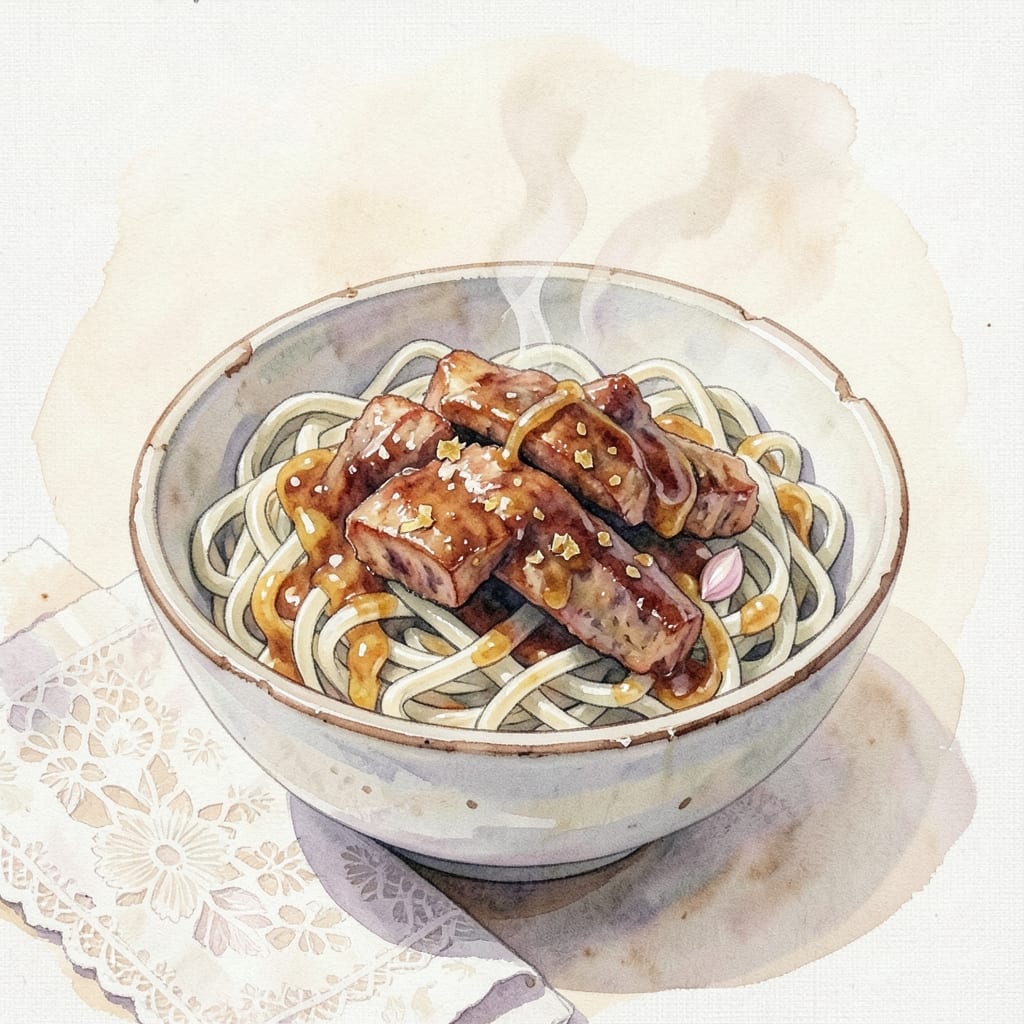
This BBQ pork chow mein recipe delivers the perfect balance of smoky-sweet flavors and crisp-tender noodles in every bite. 🔥 I developed this version after years of perfecting stir-fry techniques, blending my love for pitmaster BBQ with classic Chinese wok hei. The secret lies in the sauce—a rich blend of tangy BBQ, soy, and a touch of honey—that coats every noodle and bite of pork.
What sets this recipe apart is the two-stage cooking process: first, the pork gets marinated in a bold BBQ rub and stir-fried until caramelized, then tossed with perfectly cooked noodles and a velvety sauce. The result is a dish that's restaurant-quality but simple enough for weeknight dinners. We're talking crispy edges on the noodles, tender pork with a smoky crust, and a sauce that's both sweet and savory.
The beauty of this chow mein is its versatility—it works as a main dish or a bold appetizer, and the flavors only get better as it sits. I've included tips for achieving that signature wok hei (breath of the wok) at home, even without a traditional wok. Serve it with a side of pickled vegetables or a simple cucumber salad to balance the richness.
Ready in under 30 minutes, this recipe transforms simple ingredients into a meal that's impossible to resist. The combination of smoky BBQ and traditional stir-fry techniques creates something truly special—comfort food with a global twist. Let's get cooking!
Ingredients for bbq pork chow mein
Pork, noodles, and a smoky-sweet sauce—this chow mein is all about bold flavors and crispy textures.
| Ingredient | Amount | Notes |
|---|---|---|
| Pork Shoulder 🐖 | 1 ½ lb | Cut into 1-inch strips |
| Egg Noodles 🍜 | 12 oz | Fresh or dried, any width |
| BBQ Sauce 🍯 | ½ cup | Store-bought or homemade |
| Soy Sauce 🍶 | ¼ cup | Light or dark preferred |
| Honey 🍯 | 2 tbsp | For extra sweetness |
| Garlic Cloves 🧄 | 6 cloves | Minced for aroma |
| Ginger Root 🌿 | 1 tbsp | Freshly grated |
| Sesame Oil 🫒 | 1 tbsp | For authentic flavor |
| Vegetable Oil 🫒 | 3 tbsp | High smoke point |
| Green Onions 🧅 | 4 whole | Sliced for garnish |
| Salt 🧂 | 1 tsp | Kosher or sea salt |
| Black Pepper 🌶️ | ½ tsp | Freshly ground |
| Smoked Paprika 🌶️ | 1 tsp | For smoky depth |
| Cornstarch 🌾 | 1 tbsp | For crispy noodles |
| Sesame Seeds 🌰 | 1 tbsp | Toasted for crunch |
The pork shoulder is your secret weapon here—it stays tender while giving that smoky crust. Ask the butcher to cut it into 1-inch strips if they won't do it for you; otherwise, grab pre-cut pork from the deli section. For the noodles, fresh egg noodles (like King Noodle brand) give that perfect chewy bite, but dried works too. If you're using dried, cook them al dente and toss with a little sesame oil to keep them from getting mushy. The BBQ sauce? Sweet Baby Ray's or Stubb's are my go-tos—they've got that perfect balance of tang and sweetness.
No BBQ sauce? Mix ketchup, Worcestershire, and a touch of brown sugar for a quick sub. Fresh ginger and garlic are ideal, but if you're in a pinch, jarred minced ginger works fine. The sesame oil is non-negotiable for that authentic wok hei flavor—don't use the stuff that smells like perfume. For extra crunch, toss the noodles with cornstarch before frying (just a light coating). And if you're feeling fancy, toast your sesame seeds in a dry pan first—they'll be way more flavorful.
This dish tastes even better the next day, so make extra. Store leftovers in the fridge for up to 4 days—just reheat in a wok or large skillet with a splash of water to keep things crispy. Freezes well for 3 months, but the noodles might get a little softer after thawing. To serve, pile it high in bowls and top with those green onions and sesame seeds—presentation matters when you're going for that restaurant vibe.
Why You'll Love This Recipe
- I’ll be real: this is my go-to for packed lunches. The noodles stay warm for hours, the pork stays juicy, and the sweet-spicy sauce keeps it exciting. Throw in some quick-pickled veggies or a fried egg, and you’ve got a meal that’ll make you the office favorite.
- Sweet-Savory Magic: Honestly, that BBQ sauce and honey combo on tender pork shoulder? It’s like someone took all the comfort of a pulled pork sandwich and turned it into noodle heaven. The soy sauce ties it all together—deep, sticky, and impossible to resist.
- One-Pan Wonder: Between us, this recipe barely counts as cooking. Toss the pork in sauce, let it slow-roast while you boil noodles (or microwave them, no judgment), then stir-fry everything together. One pan, one spatula, and you’re done—no fancy techniques required.
- Lunchbox Hero: I’ll be real: this is my go-to for packed lunches. The noodles stay warm for hours, the pork stays juicy, and the sweet-spicy sauce keeps it exciting. Throw in some quick-pickled veggies or a fried egg, and you’ve got a meal that’ll make you the office favorite.
Step-by-step instructions for BBQ pork chow mein
Here's how to make restaurant-style chow mein with crispy noodles and smoky-sweet pork.
🔥 Step 1: Marinate and Prep the Pork
Cut the 1.5 lb pork shoulder into 1-inch strips and place them in a bowl. In a separate small bowl, mix together the 0.5 cup BBQ sauce, 0.25 cup soy sauce, 2 tbsp honey, 1 tsp smoked paprika, 1 tsp salt, and 0.5 tsp black pepper. Pour this marinade over the pork and toss to coat completely.
Let the pork marinate for at least 30 minutes (or up to 2 hours in the fridge for deeper flavor). This step ensures tender, flavorful pork that won't dry out during cooking. While it marinates, prep the remaining ingredients: mince the 6 cloves garlic, grate the 1 tbsp ginger root, and slice the 4 whole green onions into 1-inch pieces.
🍳 Step 2: Cook the Pork Until Caramelized
Heat 2 tbsp vegetable oil in a large wok or skillet over medium-high heat until shimmering. Remove the pork from the marinade (reserve the marinade) and add it to the wok in a single layer. Don't overcrowd—cook in batches if needed. Let the pork sear undisturbed for 3-4 minutes until deeply browned on one side.
Flip the pork and cook another 3-4 minutes until golden brown on all sides. The pork should be caramelized but still slightly pink inside. Pour the reserved marinade over the pork and simmer for 2 minutes until slightly thickened. Remove the pork to a plate and set aside.
🥘 Step 3: Stir-Fry the Noodles to Crispy Perfection
In the same wok, add the remaining 1 tbsp vegetable oil over high heat. Add the 12 oz egg noodles (cooked according to package instructions and drained) and toss vigorously for 1-2 minutes until they're evenly coated and begin to crisp slightly. Sprinkle the 1 tbsp cornstarch over the noodles and stir-fry for another 30 seconds—this creates that signature crispy texture.
Add the minced 6 cloves garlic and 1 tbsp grated ginger root to the wok, stirring constantly for 30 seconds until fragrant. The garlic should sizzle and turn golden—this is when the real flavor magic happens. Pour in 1 tbsp sesame oil and toss everything together for 1 minute to combine.
🍳 Step 4: Combine Pork and Noodles for Maximum Crunch
Return the cooked pork to the wok along with any accumulated juices. Add the sliced 4 whole green onions and toss everything together over high heat for 2-3 minutes. The residual heat will help crisp the noodles further while keeping the pork warm.
Taste and adjust seasoning if needed—you might want to add a splash more soy sauce or a drizzle of honey for extra sweetness. The noodles should be crispy with just a slight bite, and the pork should be tender with a sticky, caramelized glaze.
🍽️ Step 5: Finish and Serve with Toasted Sesame Seeds
Transfer the chow mein to serving plates immediately. Sprinkle with 1 tbsp toasted sesame seeds for that final crunch and garnish with extra sliced green onions. Serve while hot—this dish is all about that wok-fried crunch and smoky-sweet balance.
For extra drama, serve with a side of extra BBQ sauce for dipping. The contrast of crispy noodles, tender pork, and that sticky-sweet sauce makes every bite unforgettable. Leftovers? Toss with a little extra sesame oil to revive the crunch.
Pro Tips For Making Bbq Pork Chow Mein
- Braise Pork First: Skip the raw pork in the stir-fry—braise the shoulder low and slow (250°F for 2.5 hours) until it falls apart. The meat stays tender, soaks up BBQ sauce better, and won’t turn to mush when tossed with noodles. I used to try quick-searing, but this method guarantees juicy bites every time. ---
- Dry the Pork: Pat the braised pork completely dry before slicing—no wet hands, just paper towels. The BBQ sauce won’t cling properly if it’s glistening, and you’ll end up with a soggy stir-fry. (Yes, even if it feels like overkill.) ---
- Toss Noodles Last: Cook the noodles al dente, drain, and toss them with a tiny splash of oil to prevent sticking. Then, add them to the wok after the pork and sauce are already sizzling—this keeps them from turning to mush in the sauce. I learned this after one disastrous batch where the noodles absorbed all the flavor and turned into a paste. ---
- Balance the Sauce: Mix 2 parts BBQ sauce to 1 part soy sauce and a generous drizzle of honey (start with 1 tbsp, adjust to taste). Too much BBQ sauce makes it cloying; too little soy sauce flattens the depth. Taste as you go—this isn’t a science experiment, but it’s close.
Essential equipment for perfect results
Wok Essentials
You don't need a traditional wok to nail this recipe—I use my 14-inch carbon steel wok from Lodge because it heats evenly and retains heat like a dream. If you don't have one, a large, heavy-bottomed skillet (like All-Clad) works perfectly. The key is high heat and proper oil distribution to get those crispy noodles. 🔥
For best results, preheat your wok or skillet over high heat for 3-5 minutes until it's smoking slightly. This creates that signature wok hei (breath of the wok) flavor. If your pan isn't carbon steel, a well-seasoned cast iron will also work—just be patient with the heat-up time. I avoid non-stick pans for stir-fries because they can't handle the high heat needed for proper browning.
Heat Control Tools
A long-handled wok spatula (I love the Mercer Culinary Genesis) is non-negotiable—it gives you the reach and control to toss everything without burning yourself. The wide, flat blade helps scrape up those crispy bits from the bottom of the pan, which are packed with flavor. Pair it with a pair of heat-resistant tongs for flipping the pork strips.
For temperature control, I keep a small bowl of ice water nearby—it's perfect for quickly cooling hot utensils or for a quick dip of the noodles right before serving to keep them crisp. A kitchen torch also comes in handy for toasting the sesame seeds right at the table for that extra crunch and aroma.
Marinade and Prep Gear
Marinating the pork properly is where the magic starts. I use a glass mixing bowl (like Pyrex) because it's easy to see the pork coating evenly with the marinade. A small whisk helps emulsify the BBQ sauce, soy sauce, and honey mixture before pouring it over the pork. For the ginger and garlic, a microplane gives you the finest, most flavorful texture—no need for chopping.
Don't forget a meat thermometer—it's your best friend for checking pork doneness. The strips should reach 145°F internal temperature before removing them from the wok. I also keep a fine-mesh strainer handy for draining the noodles thoroughly after cooking, which prevents soggy chow mein.
Crispy Noodle Secrets
The cornstarch is what gives those noodles their signature crunch, but you'll need a fine-mesh sieve to lightly coat them before stir-frying. I also keep a small bowl of cold water nearby to quickly rinse any excess cornstarch off the noodles if they seem too dry after cooking. The goal is that perfect balance between crispy and tender.
For serving, I like to use wide, shallow bowls (like Corelle stoneware) to pile the chow mein high—it makes the dish look as good as it tastes. A small pair of kitchen shears comes in handy for quickly slicing green onions into thin strips right at the table. And trust me, a small squeeze bottle for drizzling extra BBQ sauce is a game-changer for presentation.
Nutrition facts
Frequently asked questions
Can I use chicken instead of pork in this BBQ chow mein?
Chicken breast or thigh works beautifully—just cut it into 1-inch strips and marinate for 20-30 minutes (chicken cooks faster than pork). Use the same marinade, but reduce cooking time to 4-5 minutes per side to avoid overcooking. For extra tenderness, slice against the grain after cooking.
How do I get the noodles extra crispy like in restaurants?
The secret is high heat + cornstarch magic! After draining the noodles, toss them with 1 tbsp cornstarch and stir-fry over maximum heat for 1-2 minutes until golden. For even more crunch, add 1 tsp sesame oil at the end and toss vigorously. Pro tip: Use fresh egg noodles—they hold up better than dried.
Can I make this chow mein ahead of time?
Yes, but with a trick to keep it crispy! Cook the pork and noodles separately, then store them in the fridge for up to 2 days. Reheat the pork in a skillet with 1 tsp oil, then toss with the noodles (add 1 tsp cornstarch and 1 tsp water) over high heat for 2 minutes. For freezing, package components separately and reheat using the same method.
What's the best way to adjust the BBQ flavor?
For more smokiness, add ½ tsp liquid smoke to the marinade or swap out ½ cup of the BBQ sauce for homemade smoked sauce. Need it sweeter? Add 1 extra tbsp honey. For tangier, increase soy sauce to ⅓ cup and add 1 tsp rice vinegar. Always taste as you go—this sauce is forgiving but customizable!
Why did my pork turn out dry?
Overcooking or thin cuts are usually the culprits. Use 1-inch thick strips and cook just until 145°F internal temp (about 3-4 minutes per side). For extra moisture, add 1 tbsp water or broth to the wok when simmering the marinade. Pork shoulder stays juicier than tenderloin—stick with that cut for best results.