
Main Courses
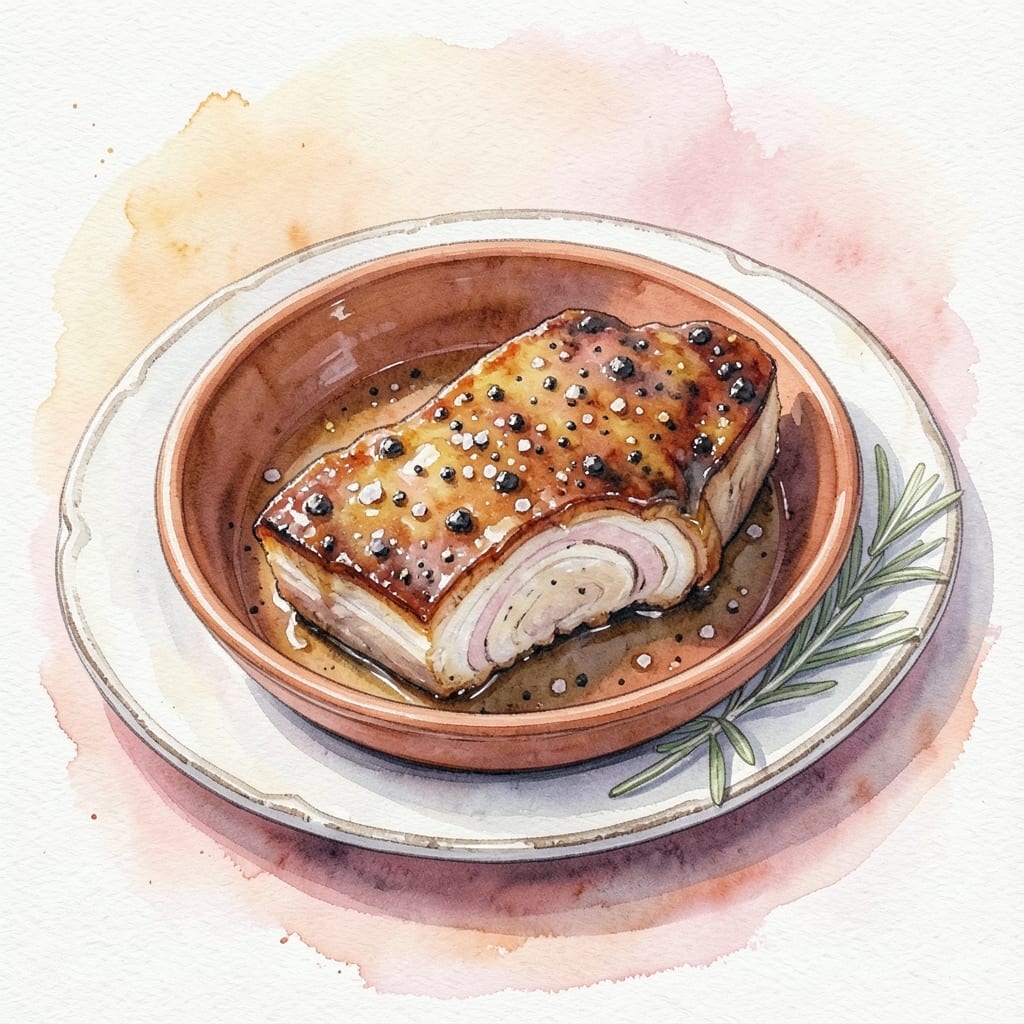
This BBQ pork shoulder steak delivers the perfect balance of smoky crust and juicy pink heart—exactly what transforms a weeknight dinner into a backyard cookout showstopper. 🔥 After years of perfecting my pitmaster techniques, I’ve cracked the code on achieving that coveted smoke-ringed crust without compromising tender, flavorful meat inside. The secret lies in a high-heat sear followed by careful basting, ensuring every bite delivers deep, caramelized flavor with just the right amount of pink in the center.
What makes this recipe truly special is its versatility—whether you’re grilling over hickory, smoking with applewood, or even pan-searing in your kitchen, the technique remains the same. A bold dry rub packed with smoked paprika and brown sugar creates that signature bark, while a tangy BBQ sauce basted in the final minutes adds layers of sweetness and tang. The key is patience: letting the meat rest after cooking ensures those juices stay locked in, making every slice irresistible.
By the time you serve this dish, you’ll have perfectly seared pork shoulder steak with a crispy, caramelized exterior and a tender, juicy interior that melts in your mouth. The aroma alone will have everyone gathering at the table, and the rich, smoky flavor pairs beautifully with classic sides like creamy coleslaw, buttery cornbread, or roasted vegetables. This is the kind of meal that feels like a celebration, no matter the occasion.
Ready to master this technique? The process is simpler than you think, and the results are worth every minute. Let’s get started on creating a dish that’ll have your guests asking for seconds—and maybe even a recipe card to take home.
Ingredients for bbq pork shoulder steak
Pantry staples and a few specialty items for that signature smoky crust and juicy pink center.
| Ingredient | Amount | Notes |
|---|---|---|
| Pork Shoulder Steak 🍖 | 2 lb | Bone-in, 1.5-inch thick slices |
| Smoked Paprika 🌶️ | 2 tbsp | For signature smoky bark |
| Brown Sugar 🍚 | 1 tbsp | Lightly packed, not granulated |
| Kosher Salt 🧂 | 1 ½ tsp | Diamond Crystal preferred |
| Ground Black Pepper 🌶️ | 1 tsp | Freshly cracked for heat |
| Garlic Powder 🧄 | 1 tsp | Not garlic salt |
| Onion Powder 🧅 | 1 tsp | For depth of flavor |
| Apple Cider Vinegar 🍎 | 1 tbsp | For tangy baste |
| Hickory Smoked BBQ Sauce 🍯 | ½ cup | Store-bought or homemade |
| Olive Oil 🫒 | 2 tbsp | High smoke point for searing |
| Yellow Onion 🧅 | 1 whole | Thinly sliced for garnish |
| Fresh Rosemary 🌿 | ¼ cup | Chopped, for aroma |
| Fresh Thyme 🌿 | ¼ cup | Leaves only, chopped |
| Apple Wood Chips 🌳 | 1 package | For smoking aroma |
The pork shoulder steak is non-negotiable—bone-in cuts create more flavor, and 1.5-inch thickness ensures perfect sear without overcooking. I grab mine from Costco or Whole Foods where they cut it fresh. For the dry rub, smoked paprika is the star—Penzeys or the bulk bins at natural grocery stores have the best quality. If you're using pre-made BBQ sauce, Sweet Baby Ray's Hickory or Stubb's Original are my go-tos, but homemade works too if you've got time. The fresh herbs? Trader Joe's sells pre-chopped rosemary and thyme, which saves time—just make sure they're labeled 'fresh.'
No smoked paprika? Regular paprika plus a pinch of liquid smoke gets you close. Running out of apple cider vinegar? Red wine vinegar at half the amount works in a pinch. Want to skip the fresh herbs? Dried rosemary and thyme at one-third the amount still adds flavor. The BBQ sauce can be swapped for ketchup mixed with brown sugar and apple cider vinegar if you're in a bind. For the wood chips, apple is ideal, but hickory or cherry also deliver amazing flavor. If you can't find them, wood pellets work too—just soak them first.
The pork steak stays best in the fridge for 2 days before cooking, but you can freeze it for up to 3 months if prepped ahead. Once cooked, the leftovers reheat beautifully—wrap tightly in foil and warm in a 350°F oven for 15 minutes. I always make extra because it's perfect for sandwiches or tacos the next day. The dry rub keeps for 6 months in an airtight container, so make a double batch if you're planning another cookout soon.
Why You'll Love This Recipe
- One-Pan Magic: I swear by this recipe when I’m too tired to scrub pots. Toss the pork shoulder steak in smoked paprika, brown sugar, and pepper, slap it on a sheet pan, and 20 minutes later—boom—dinner’s done. No flipping, no fuss, just hands-off perfection.
- Sweet-Smoky Bomb: That caramelized brown sugar crust? It’s the star. The smoked paprika adds this deep, earthy warmth while the salt and pepper cut through the sweetness—every bite is a perfect balance. Honestly, I’ve had worse takeout.
- Tailgate or Tuesday: Serve it sliced thin on buns for a crowd, or pile it over rice for a lazy night in. My kids ask for it at school lunches (yes, really), and my husband’s BBQ crew swears by it for game day. It’s that good.
- Budget Hero: Pork shoulder is cheap, and this recipe stretches it far. Double the batch, reheat the leftovers in the oven, and you’ve got three meals for the price of one. Plus, the spices cost pennies—no fancy ingredients needed.
Step-by-step instructions for smoked pork shoulder steak
Here's how to transform tough pork into melt-in-your-mouth perfection with that coveted smoke ring.
🔥 Step 1: Prep the Steak and Build the Dry Rub
Pat the 2 lb pork shoulder steak dry with paper towels—this is non-negotiable for crispy bark. I like to work in a well-ventilated area because the spices get potent. In a small bowl, whisk together all the dry ingredients: the 2 tbsp smoked paprika, 1 tbsp brown sugar, 1.5 tsp kosher salt, 1 tsp ground black pepper, 1 tsp garlic powder, and 1 tsp onion powder. This blend gives you that perfect balance of smoky, sweet, and savory.
Generously coat the steak with the rub, pressing it into every crevice. I like to use my fingers for this—it helps the spices adhere better. Place the steaked on a plate and let it sit at room temperature for 30 minutes. This resting time ensures even cooking and maximizes flavor penetration. Pro tip: If you're short on time, you can skip the resting period, but the steak might cook slightly unevenly.
🍳 Step 2: Sear the Steak for Maximum Flavor
Heat a heavy skillet over medium-high heat until it's smoking hot. Add the 2 tbsp olive oil and let it shimmer for about 30 seconds. Place the steak in the pan and sear for 3-4 minutes per side until it develops a deep golden-brown crust. Here's the thing—don't move the steak around too much. Let it sit undisturbed so it develops that beautiful crust we're after.
While the steak is searing, you'll notice some of the rub starting to caramelize and stick to the pan. That's good—it's full of flavor. Once both sides are nicely browned, remove the steak from the pan and set it aside on a plate. You'll want to keep it warm while you prepare the next steps, so I like to tent it loosely with aluminum foil. The residual heat will help maintain its temperature.
🔥 Step 3: Smoke the Steak Low and Slow
Set up your smoker to maintain a steady temperature of 225°F. Soak the 1 package apple wood chips in water for 15 minutes to prevent them from burning, then add them to the smoker. Once the smoker reaches the desired temperature and you see a steady stream of clean smoke, place the seared steak on the smoker grate, fat side up. This position allows the rendered fat to baste the meat as it cooks.
Close the lid and let the steak smoke undisturbed for about 2 hours. I know it's tempting to check on it, but every time you open the lid, you lose heat and moisture. Instead, trust the process. The steak is done when its internal temperature reaches 145°F at the thickest part. This is where you'll see that beautiful smoke ring forming—it's a sign of perfectly smoked meat. If you don't have a meat thermometer, you can use the finger test: press your finger into the meat. If it feels slightly firm but still has some give, it's ready.
🥘 Step 4: Build the Tangy Baste and Finish Cooking
In a small bowl, whisk together the 0.5 cup hickory smoked BBQ sauce and 1 tbsp apple cider vinegar. This tangy mixture will add a nice contrast to the rich, smoky flavors of the steak. Using a pastry brush, generously coat the steak with the BBQ sauce mixture. Return the steak to the smoker and continue cooking for another 30-45 minutes, or until the internal temperature reaches 160°F.
During this final stage, the sauce will caramelize and create a glossy glaze on the steak. You'll know it's ready when the sauce is bubbling and the steak has a deep, rich color. This step is crucial for adding that extra layer of flavor and ensuring the steak stays moist. If you're worried about the steak drying out, don't be. The low and slow cooking method ensures it stays juicy and tender.
🍽️ Step 5: Rest, Slice, and Serve
Once the steak reaches the desired internal temperature, remove it from the smoker and transfer it to a cutting board. Tent it loosely with aluminum foil and let it rest for 10-15 minutes. This resting period is essential—it allows the juices to redistribute throughout the meat, ensuring every slice is moist and flavorful. I know it's hard to wait, but trust me on this one.
While the steak is resting, thinly slice the 1 whole yellow onion and chop the 0.25 cup fresh rosemary and 0.25 cup fresh thyme. Once the steak has rested, slice it against the grain into 0.5-inch thick pieces. Arrange the sliced steak on a serving platter, garnish with the sliced onions and chopped herbs, and drizzle with any remaining BBQ sauce mixture. Serve immediately with your favorite sides—crusty bread, roasted vegetables, or a fresh salad. Each bite should deliver that perfect combination of smoky, tangy, and juicy flavors.
Pro Tips For Making Bbq Pork Shoulder Steak
- SEAR FIRST, SMOKE SECOND: The pork shoulder steak needs a quick, hard sear in a screaming-hot pan before you even think about the smoky paprika mix. Two minutes per side—until it’s golden and releases easily—locks in flavor and prevents dryness later. I learned this the hard way when my first batch tasted bland because I skipped this step.
- SALT THE MEAT 24 HOURS EARLY: Don’t just sprinkle salt before cooking—let that kosher salt work its magic. Pat the pork dry, then coat it generously (about 1.5 teaspoons per pound) and refrigerate uncovered overnight. This keeps the surface dry for better crust formation and ensures the salt penetrates deeper than a last-minute sprinkle ever could.
- WATCH THE SUGAR CARAMELIZE: Brown sugar isn’t just for sweetness—it’s for that deep, glossy crust. When you mix it with the smoked paprika, spread the rub thinly and let it sit for 10 minutes before cooking. This gives the sugar time to start caramelizing on its own, so it doesn’t burn in the pan and turn bitter. (Yes, even if you’re impatient like me.)
- REST IT UNDER FOIL: After cooking, the pork shoulder steak will feel like it’s still cooking—don’t cut into it yet. Wrap it loosely in foil and let it sit for 10 minutes. This keeps the juices from running out when you slice, and trust me, your first bite will be noticeably more tender. (Your future self will thank you.)
Troubleshooting this dish
Uneven Cooking
If your steak ends up with cold spots or overcooked edges, it’s usually from uneven heat distribution. I’ve seen this happen when using a small smoker or when the steak isn’t positioned properly. Always place your steak fat side up on the smoker grate—this helps render fat that naturally bastes the meat. For charcoal smokers, arrange coals evenly on both sides to maintain consistent heat. If you notice one side cooking faster, rotate the steak 90 degrees (not 180) every 30 minutes to even out exposure. A meat thermometer is your best friend here—check the thickest part of the steak, not the edges. 🌡️
Dry, Tough Meat
Dry pork shoulder steak usually means it cooked too long at too high a temperature. The key is low and slow—never exceed 250°F, and aim for 225°F for best results. If your steak is dry, try this fix next time: Brine it first for 4-6 hours in a mix of 1 quart water, ½ cup kosher salt, and ¼ cup brown sugar. This adds moisture and helps retain juices. Also, baste with butter every 30 minutes during smoking to keep it tender. I swear by this trick—it makes all the difference. 💡
Weak Smoke Flavor
If your steak lacks that deep, smoky aroma, your wood chips might not be generating enough smoke. First, soak your wood chips for 15-20 minutes before using—this prevents them from burning too quickly. If you’re using a pellet smoker, check that your pellets are fresh and properly loaded. For charcoal smokers, add extra wood chips every 45 minutes to maintain a steady smoke stream. Pro tip: Apple or hickory woods work best for pork—avoid mesquite, which can overpower the meat. If your smoker isn’t producing smoke, try adding a handful of crumpled aluminum foil to the coals—it creates a mini smoke bomb. 🌳
Stuck-on Rub
When the rub clings stubbornly to the steak instead of forming a crispy crust, it’s usually because the meat wasn’t dry enough before seasoning. Pat the steak extra dry with paper towels—even the bones should feel slightly tacky, not wet. If the rub still won’t stick, lightly oil the steak with 1 tsp olive oil before applying the rub. This creates a better bond. Another trick? Press the rub into the meat using your fingers or the back of a spoon—this ensures it adheres evenly. For stubborn spots, a light spray of water before applying the rub can help it grip better. 🍖
Sauce Not Caramelizing
If your BBQ sauce stays watery instead of forming a glossy glaze, it’s likely because the steak wasn’t hot enough when you applied it. The sauce needs high heat to caramelize properly. After smoking, finish the steak on a hot grill or skillet for 2-3 minutes per side to raise its temperature before basting. Also, reduce the sauce first—simmer ½ cup BBQ sauce with 1 tbsp apple cider vinegar until it thickens slightly before brushing it on. For extra shine, add 1 tsp honey to the sauce mixture. This ensures a sticky, flavorful crust every time. 🍯
Nutrition facts
Frequently asked questions
Can I use pork shoulder instead of pork steak for this recipe?
Yes! This recipe works beautifully with pork shoulder cuts like bone-in pork chops or even pork butt (just adjust cooking time). The key is to keep the thickness at 1.5 inches for proper searing. For pork butt, you'll need to smoke it longer (4-5 hours at 225°F) until it reaches 195°F internal temp for pull-apart tenderness.
What's the best way to store leftovers?
Store cooked pork shoulder steak in an airtight container in the fridge for up to 4 days. For longer storage, freeze it for 3 months. To reheat, wrap slices in foil and warm in a 350°F oven for 15 minutes or until steaming hot. Pro tip: Leftovers make amazing sandwiches or tacos the next day!
Can I make this recipe without a smoker?
For a grill version, preheat to medium-high heat and sear the steak first, then move to indirect heat for 1.5-2 hours with apple wood chunks. For oven cooking, bake at 275°F for 2-2.5 hours with a water pan for moisture. The key is maintaining low and slow cooking to keep it juicy.
How do I know when the steak is perfectly cooked?
Use a meat thermometer for accuracy: 145°F for medium-rare (pink center) or 160°F for medium. The smoke ring (gray ring near the crust) appears when cooked to 145°F. For no thermometer, press your finger into the thickest part—it should feel slightly firm but still spring back.
What sides pair best with this dish?
Classic BBQ sides work perfectly: creamy coleslaw, buttery cornbread, or roasted sweet potatoes. For a lighter option, try a fresh green salad with apple slices. The smoky-sweet flavors also pair well with grilled vegetables or mac and cheese.