
Main Courses
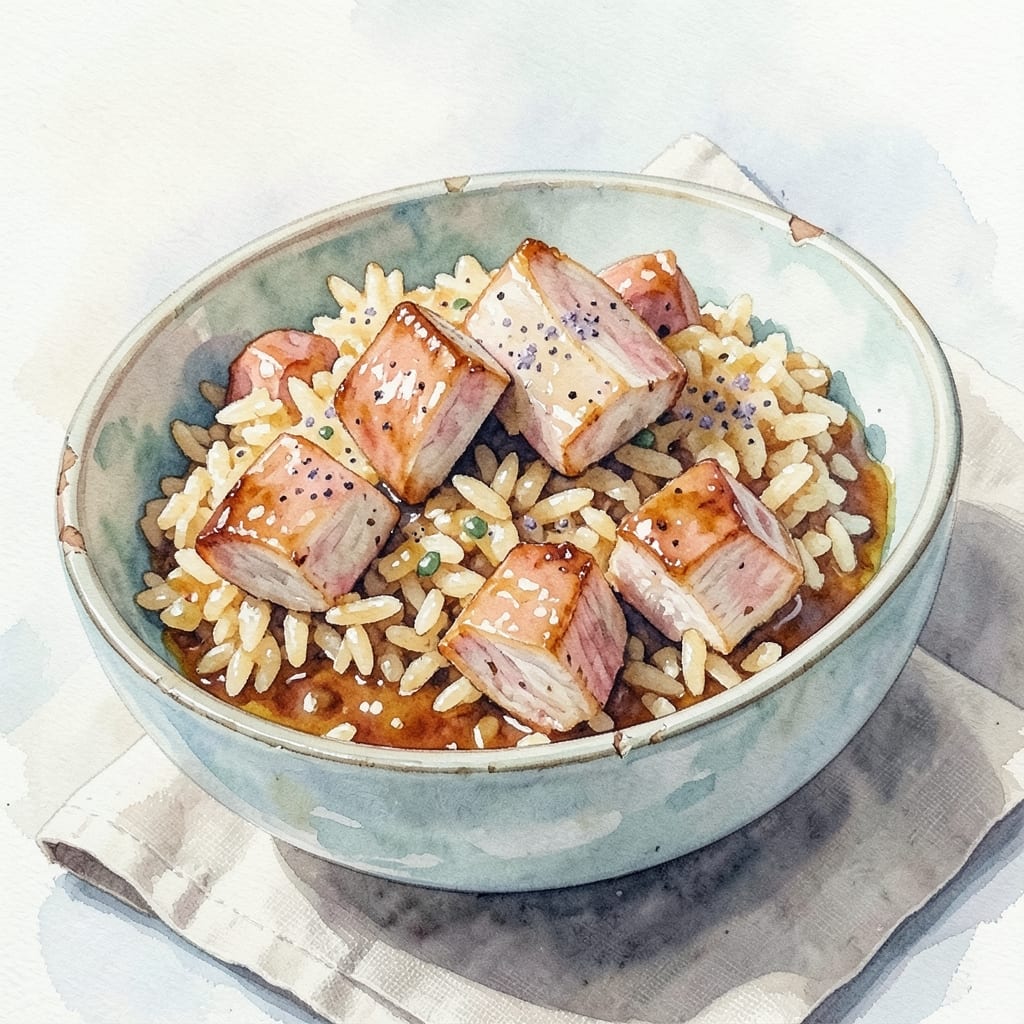
This Chinese BBQ pork fried rice delivers the perfect balance of smoky-sweet pork bites and wok-tossed rice with crispy edges. After perfecting the technique through countless weekend meals, I've cracked the code for achieving that signature restaurant-quality texture at home. The secret lies in properly cooked day-old rice and the right stir-frying order—crispy pork first, then veggies, and finally the rice to soak up all the flavor.
The recipe begins with tender pork marinated in a blend of hoisin, soy sauce, and five-spice powder, then charred to develop deep, caramelized flavors. What sets this apart is the wok hei technique, where high heat creates that signature smoky aroma while keeping the rice separate until the very end. This ensures each bite has that perfect crunch and chew.
By the time you're done, you'll have a dish that's rich in flavor yet balanced—sweet from the BBQ pork, savory from the soy, and aromatic from the garlic and ginger. The final touches of scallions and sesame seeds add freshness and texture, making this fried rice both hearty and satisfying.
Whether you're feeding a crowd or meal prepping for the week, this recipe scales beautifully while maintaining its authentic taste. The best part? It's ready in under 30 minutes, making it perfect for busy weeknights when you still want something special on the table.
Ingredients for bbq pork fried rice recipe chinese
Day-old rice, smoky pork, and wok-tossed veggies—this combo delivers restaurant-quality fried rice every time.
| Ingredient | Amount | Notes |
|---|---|---|
| Day-Old Cooked White Rice 🍚 | 4 cups | Cold and separated, no clumping |
| Boneless Pork Shoulder 🥩 | 1 lb | Cut into 1-inch cubes |
| Hoisin Sauce 🍶 | ½ cup | Store-bought or homemade |
| Light Soy Sauce 🥄 | ¼ cup | Kikkoman preferred |
| Five-Spice Powder 🌶️ | 1 tbsp | For authentic flavor |
| Neutral Oil 🫒 | 3 tbsp | Vegetable or peanut oil |
| Garlic Cloves 🧄 | 6 cloves | Minced finely for aroma |
| Fresh Ginger 🌿 | 1 ½ tbsp | Grated, for zing |
| Carrots 🥕 | 1 cup | Diced small for even cooking |
| Scallions 🧅 | 4 whole | Thinly sliced for garnish |
| Black Sesame Seeds 🥜 | 1 tbsp | Toasted for crunch |
| Salt 🧂 | ½ tsp | Adjust to taste |
| White Pepper 🌶️ | ¼ tsp | Freshly ground preferred |
The pork should be tender but not falling apart—boneless shoulder is ideal, cut into even cubes. Costco or Trader Joe's often have pre-cut pork shoulder, which saves time. For the rice, day-old is non-negotiable—fresh rice turns mushy. If you must use fresh, spread it on a tray and refrigerate for 2 hours first. The hoisin sauce can be any brand, but Lee Kum Kee is my go-to for that authentic sweet-savory balance. Skip the pre-marinated pork—you want to control the marinade's depth.
No hoisin? Mix 2 tbsp soy sauce with 1 tbsp brown sugar and 1 tsp sesame oil as a quick sub. Fresh ginger? Powdered works at half the amount, but the fresh version adds that bright zing. The carrots can be baby carrots if you're in a rush, but julienned gives better texture. Scallions are optional but worth it—they add freshness that cuts through the richness. For the sesame seeds, toast them in a dry pan for 30 seconds to deepen the flavor. Walmart's Great Value brand is surprisingly good for this.
Marinated pork keeps 3 days in the fridge—make extra for sandwiches. The fried rice reheats beautifully—just stir-fry again with a splash of water to restore crispiness. Portion into containers for 4-5 days of easy lunches. Freeze portions without the sesame seeds (sprinkle fresh when reheating). The rice reheats best in a steamer basket over boiling water—no microwave sogginess here.
Why You'll Love This Recipe
- One-Pan Magic: I swear by this trick—no chopping, no fuss. Toss in pre-cooked pork shoulder (already shredded or diced) and day-old rice straight from the fridge, then stir-fry with hoisin and soy. That five-spice powder? It’s the secret—just a pinch transforms everything into something warm and aromatic.
- Craving-Worthy Crunch: The pork shoulder stays tender but develops this irresistible crispy edge from the high heat. Hoisin adds that sticky-sweet depth, while the five-spice powder gives it a subtle, smoky warmth. Honestly, it’s the kind of dish that disappears faster than you can say “second helping.”
- Lunchbox Hero: Between us, this is my go-to for meal prep. Pack it cold or reheat it—either way, it’s a hit. The rice stays separate, the pork stays juicy, and the flavors only get better the next day. (Yes, even on a Tuesday night when you’re too tired to think.)
- Budget Stretch: Pork shoulder is cheap, rice is cheap, and a little hoisin goes a long way. I make this for four people for under $15, and somehow, it always feels like a special meal. Leftovers? They’re even better—just reheat and serve with a fried egg on top.
Step-by-step instructions for BBQ pork fried rice
Here's how to make this smoky, sweet, and satisfying Chinese-style fried rice that's perfect for lunch or dinner.
🍳 Step 1: Cook the Pork Shoulder for Tender BBQ Bites
In a large bowl, combine the 1 lb boneless pork shoulder cut into 1-inch cubes with 0.5 cup hoisin sauce, 0.25 cup light soy sauce, 1 tbsp five-spice powder, 0.5 tsp salt, and 0.25 tsp white pepper. Mix well until the pork is fully coated. Let it marinate for at least 30 minutes (or up to overnight for deeper flavor).
Heat 1 tbsp neutral oil in a large skillet or wok over medium-high heat. Add the pork in a single layer, leaving space between pieces. Cook undisturbed for 3-4 minutes until a golden crust forms. Flip and continue cooking for another 3-4 minutes until the pork is fully cooked through and slightly caramelized. Remove from the pan and set aside—these tender, smoky pork bites are the star of your fried rice.
🍳 Step 2: Stir-Fry the Aromatics and Vegetables
In the same skillet (no need to clean it—the flavor is everything), add the remaining 2 tbsp neutral oil and heat over medium-high heat. Add the 6 minced garlic cloves and 1.5 tbsp grated fresh ginger, stirring constantly for 30 seconds until fragrant and just beginning to turn golden. Watch closely—ginger burns quickly, so keep the heat moderate.
Add the 1 cup diced carrots and stir-fry for 2-3 minutes until they begin to soften but still retain a slight crunch. Push the vegetables to one side of the pan, then add the 4 thinly sliced scallions to the empty space. Stir continuously for 30 seconds until the scallions wilt slightly and turn bright green. This step builds layers of flavor that will make your fried rice taste restaurant-quality.
🍳 Step 3: Wok-Toss the Rice with Perfect Texture
Increase the heat to high and add the 4 cups day-old cooked white rice, breaking up any clumps with your spatula. Stir-fry vigorously for 2-3 minutes, using the heat of the pan to dry out the rice slightly and create those signature crispy edges. The rice should look fluffy and separate—this is what gives authentic fried rice its satisfying texture.
Here's the thing—don't overcrowd the pan. If your wok is too full, the rice will steam instead of crisp. Work in batches if needed, but aim to keep the heat high and the tossing vigorous. You want every grain to get that perfect toasty crust while staying tender inside. If the rice starts sticking, add a splash of water and keep tossing.
🥘 Step 4: Combine Everything for Ultimate Flavor
Return the cooked pork to the skillet with the rice and vegetables. Drizzle any remaining sauce from the pork marinade over the top, then stir everything together for 1-2 minutes until the pork is heated through and the flavors meld. The pork should release its juices, creating a glossy sheen on the rice—this is your signal that everything is coming together perfectly.
Taste and adjust seasoning if needed. If the rice needs more umami depth, add a splash more light soy sauce. For extra crunch and nutty flavor, sprinkle in the 1 tbsp toasted black sesame seeds and toss gently. The contrast of textures—crispy rice, tender pork, and crunchy sesame—is what makes this dish so satisfying.
🍽️ Step 5: Serve Immediately with Confidence
Transfer the fried rice to serving plates while it's still hot and sizzling. Garnish with additional thinly sliced scallions for freshness and color. Serve immediately—fried rice is best enjoyed right out of the wok when the rice is still slightly crispy and the pork is warm through. The smoky-sweet pork bites will contrast beautifully with the savory, slightly sweet fried rice.
This dish tastes even better the next day, but the texture won't be quite the same. If you have leftovers, store them in an airtight container and reheat in a dry skillet over medium heat, stirring constantly until warmed through. The crispy edges will soften slightly, but the flavors will only improve with time.
Pro Tips For Making Bbq Pork Fried Rice Recipe Chinese
- Cook Pork First: I learned this the hard way—starting with raw pork in the wok while the rice sits cold leads to soggy, uneven cooking. Sear the pork shoulder in small batches until it’s fully browned and tender (about 8-10 minutes per side on medium-high), then shred it. The extra time upfront guarantees that crispy, smoky texture you crave when it hits the rice. ---
- Dry the Rice Well: Day-old rice is your friend, but clumps are the enemy. Spread it on a baking sheet and microwave it for 1-2 minutes to revive it, then break apart any remaining lumps with your hands. Wet rice turns fried rice into glue—no one wants that. (Yes, even if you’re impatient like me.) ---
- Bloom the Five-Spice: Tossing five-spice powder directly into the wok won’t wake up its flavors. Heat 1 teaspoon of oil in the pan first, then add the powder and toast it for 10 seconds until fragrant—it should smell like a spice market. This step makes the difference between "meh" and "wow" in every bite. ---
- Save the Pork Juices: After shredding the pork, don’t drain the juices—scrape them into the wok with the rice. Those juices carry flavor, and discarding them means losing depth. A splash or two (about 2 tablespoons) keeps the rice moist without making it soggy. (Your future self will thank you.)
Dietary considerations for this recipe
Gluten-Free Adaptations
This fried rice is naturally gluten-free if you use tamari instead of soy sauce—Kikkoman Tamari is my go-to. Swap the regular soy sauce in the marinade and stir-fry for a flavorful alternative. The hoisin sauce is the trickiest component; opt for a gluten-free hoisin like Primal Kitchen or make your own with gluten-free oyster sauce and coconut aminos. Always double-check labels, as some brands process in gluten-containing facilities. 🌱
Low-Carb Options
For a lower-carb version, replace the white rice with cauliflower rice—I use Fresh Express frozen riced cauliflower. Cook it separately in the same pan after stir-frying the pork and veggies, then toss with the sauce. The texture will differ slightly, but the dish remains flavorful. Add an extra 1 tbsp coconut aminos to compensate for the missing rice starch that helps bind flavors. Portion control is key here—cauliflower rice has fewer calories but less volume.
Vegetarian Swaps
Skip the pork and use extra-firm tofu or mushrooms for a plant-based version. Press and pan-fry 14 oz firm tofu in 1 tbsp neutral oil until golden, then cube and toss in 1 tbsp hoisin + 1 tbsp soy sauce for a similar marinade. For mushrooms, try shiitake or oyster mushrooms—sauté them until deeply browned for that meaty texture. Add 1 tbsp nutritional yeast to boost umami depth. The dish stays hearty and satisfying without meat. 🌿
Allergen Awareness
Sesame seeds are a common allergen—omit them if needed, or replace with toasted pumpkin seeds for a nutty crunch. For soy allergies, use gluten-free coconut aminos instead of soy sauce, and verify all ingredients (like hoisin) for hidden soy. If you're sensitive to garlic or ginger, reduce the amounts or substitute with asafetida powder (a tiny pinch) for depth without the pungency. Always label your dish clearly if serving to guests with allergies.
Protein Alternatives
Need a different protein? Chicken thighs work beautifully—marinate in the same sauce and pan-fry until crispy. For seafood lovers, shrimp cooks in minutes; toss with the marinade for 5 minutes before adding to the wok. If you prefer beef, use flank steak—slice thinly against the grain for tenderness. Each protein changes the dish's texture but maintains the fried rice's core flavors. My personal favorite? Crispy pork belly—add it at the end for extra richness. 🥓
Nutrition facts
Frequently asked questions about BBQ pork fried rice
Why does the recipe call for day-old rice?
Day-old rice is essential because fresh rice releases too much moisture when stir-fried, making it mushy. The slight dryness from day-old rice creates that signature crispy texture when tossed in the wok. If you must use fresh rice, spread it on a tray and refrigerate for 2 hours first to dry it out.
Can I substitute regular pork for pork shoulder?
Pork shoulder works best because it stays tender when cooked slowly in the marinade. For quicker cooking, try pork tenderloin or chicken thighs, but cut them into smaller pieces (½-inch cubes) and reduce marinating time to 15 minutes. The texture will be slightly different but still delicious.
What if I don't have hoisin sauce?
Mix 2 tbsp soy sauce with 1 tbsp brown sugar and 1 tsp sesame oil for a quick substitute. For deeper flavor, add ½ tsp five-spice powder. This combo mimics hoisin's sweet-savory balance while keeping the dish authentic.
How do I fix fried rice that's too dry or too wet?
Too dry? Add 1-2 tbsp water or broth and toss gently. Too wet? Increase heat and stir-fry for 1-2 extra minutes to evaporate moisture. The key is high heat and quick tossing—never let the rice sit in the pan too long.
Can I make this in a regular skillet instead of a wok?
Use a 12-inch cast-iron skillet for best results. Work in batches if needed, and keep the heat high to mimic wok hei. A non-stick skillet works too, but the rice may stick more. The flavor won't suffer—just the texture might be slightly less crispy.