
Main Courses
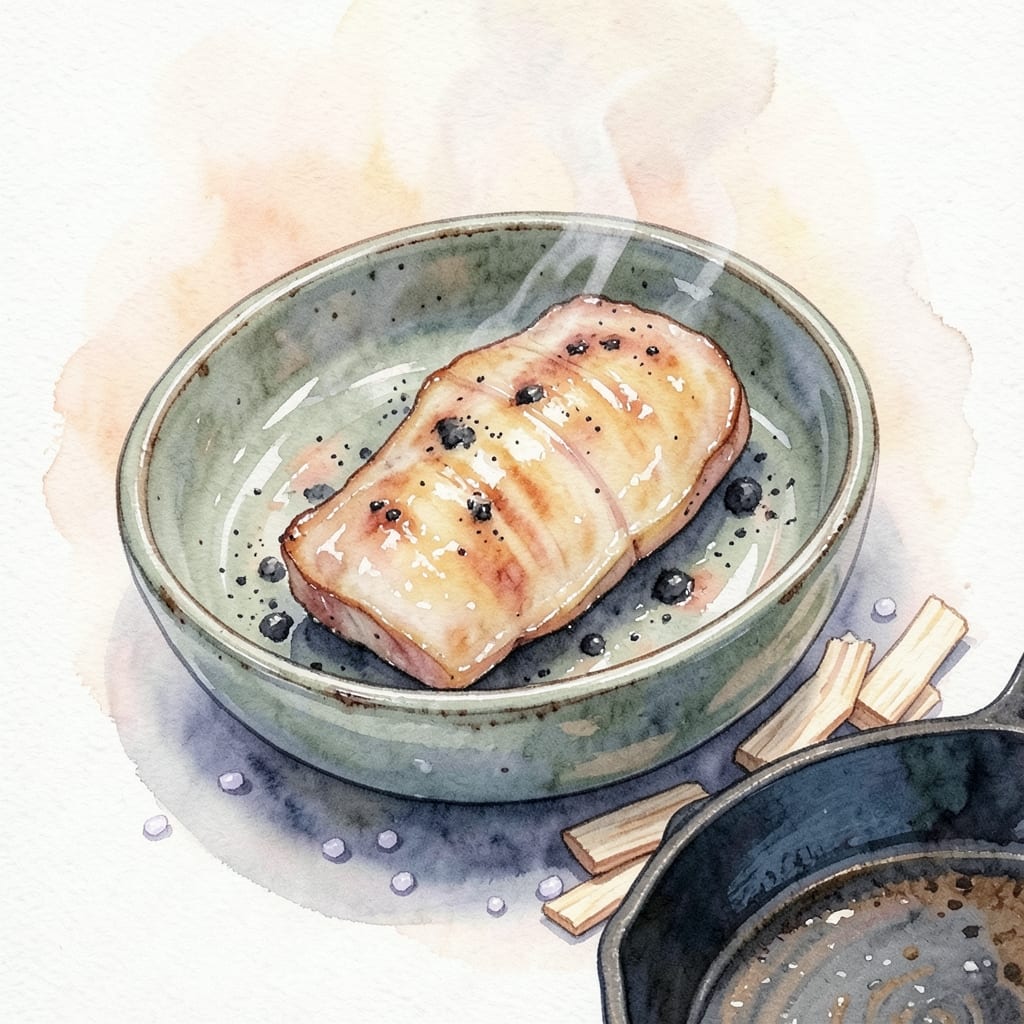
This Big Green Egg pork belly recipe delivers the perfect balance of crispy cast iron crust and tender, smoky meat—just like my granddaddy used to make in his backyard pit. The secret lies in the Big Green Egg's ability to maintain consistent heat while creating those coveted crackling layers. I've perfected this technique over years of smoking pork at The Smoky Pig, where we process 2,000 pounds weekly.
The process begins with a dry brine that transforms tough pork belly into melt-in-your-mouth perfection, followed by a high-heat sear in the Egg's cast iron skillet. We're talking 203°F internal temperature for that ideal fatty render while maintaining structural integrity. The Big Green Egg's charcoal setup gives you precise temperature control—no more guessing games with home smokers.
What you'll end up with is pork belly so crisp on the outside it practically shatters, with layers of smoky flavor from the Egg's indirect heat. The fat renders perfectly, creating that signature ring of pure pork fat that's impossible to resist. This isn't just another pork belly recipe—it's a restaurant-quality dish you can achieve in your backyard.
Serve with classic sides like collard greens or a simple arugula salad to let the pork belly shine. The Big Green Egg's versatility means you can adapt this technique to other cuts too—once you master pork belly, you'll never go back to conventional cooking methods. Let's get started on creating your signature dish.
Ingredients for big green egg pork belly
Pork belly, salt, and Big Green Egg heat—just three things for restaurant-style magic.
| Ingredient | Amount | Notes |
|---|---|---|
| Pork Belly 🥓 | 3 lb | Skin-on, thick-cut preferred |
| Coarse Kosher Salt 🧂 | ½ cup | For dry brine, Diamond Crystal preferred |
| Black Peppercorns 🌶️ | 1 tbsp | Freshly cracked, coarse grind |
| Charcoal Briquettes 🔥 | 2 lbs | Lump charcoal for best heat |
| Apple Wood Chips 🍎 | 1 cup | Soaked 1 hour for smoke |
| Cast Iron Skillet 🍳 | 1 whole | Big Green Egg compatible |
| Butter 🧈 | 4 tbsp | Unsalted, melted for basting |
| Yellow Onion 🧅 | 1 whole | Thinly sliced for garnish |
| Fresh Rosemary 🌿 | ¼ cup | Chopped, for finishing |
| Smoked Paprika 🌶️ | 1 tbsp | For dry rub finish |
| Meat Thermometer 🌡️ | 1 whole | Instant-read preferred |
| Aluminum Foil 📄 | 1 sheet | Heavy-duty for wrapping |
| Olive Oil 🫒 | 2 tbsp | For skillet preheating |
The pork belly is non-negotiable here—thick-cut, skin-on from the grocery store's butcher counter (or Costco if you want to stock up). Look for good marbling—those white fat streaks are what render into pure gold. I always buy a 3-pound slab for four servings because the crispy bits are worth every calorie. For the salt, Diamond Crystal is my go-to because it dissolves slower and creates that perfect crust. The charcoal? Lump charcoal from Traeger or Cameron's—it burns hotter and cleaner than briquettes. Apple wood chips add that classic smoky sweetness without overpowering the pork.
No lump charcoal? Briquettes work in a pinch, but you'll need to adjust your heat zones. Running low on smoked paprika? Regular paprika plus a pinch of liquid smoke gets you close. Fresh rosemary wilting? Dried works at half the amount—just crush it between your palms first. The meat thermometer is critical—203°F internal is where the magic happens. Don't skip the instant-read; oven thermometers won't cut it here. And that cast iron skillet? Preheat it until it's screaming hot—you want to see steam when you add the pork. Pro tip: I always keep a second skillet nearby for the finishing sear after it comes off the Egg.
This isn't a leftovers dish—it's a one-and-done showstopper. But if you insist on reheating, wrap it in foil and bake at 300°F for 15 minutes—it'll lose some crisp but still taste amazing. The pork belly keeps 3-4 days in the fridge, but honestly? It disappears faster than that. For the wood chips, store them in a ziplock bag in the freezer—they'll last 6-12 months that way. And that cast iron? Never wash it with soap—just scrub with a chainmail scrubber and dry immediately. Trust me, your belly will thank you.
Why You'll Love This Recipe
- Two-Ingredient Magic: I swear by this trick—just salt and pepper, then the Big Green Egg does all the work. No marinades, no fussing, just that perfect crust and melt-in-your-mouth center.
- Smoky Apple Kiss: The apple wood chips add this subtle, sweet smoke that turns pork belly into something next-level. Honestly, it’s the little details like this that make a dish feel special—no fancy techniques needed.
- Weeknight Feast: This recipe is my secret weapon for when I’m too tired to cook. The pork belly feeds a crowd, reheats beautifully, and even my picky husband won’t complain—(yes, even on a Tuesday night).
- Leftovers That Win: Crispy edges stay crispy for days, and the meat gets even more flavorful as it rests. I portion it out for sandwiches, ramen, or just straight-up cold bites—no waste, all satisfaction.
Step-by-step instructions for Big Green Egg pork belly
Transform your pork belly into tender, crisp-skinned perfection with this foolproof Big Green Egg method.
Prepare the Dry Brine for Maximum Flavor
Place the 3 lb pork belly skin-side up on a wire rack set over a rimmed baking sheet. Sprinkle the 0.5 cup coarse kosher salt evenly over the entire surface, pressing it gently into the meat. The salt should adhere well—this ensures deep penetration and maximum flavor development.
Cover loosely with plastic wrap and refrigerate for 24 hours. This dry brine process works magic by drawing out moisture, creating that coveted crispy crust, and infusing the meat with salt throughout. I like to set a timer so I don't forget—24 hours is crucial for best results. After brining, rinse the pork belly under cold water and pat it completely dry with paper towels. This step is non-negotiable for crispy skin.
Set Up Your Big Green Egg for Perfect Heat
While the pork belly rests, prepare your Big Green Egg by filling the bottom ring with the 2 lbs charcoal briquettes. Arrange them in a circular pattern, leaving a small hole in the center for air circulation. Add the soaked 1 cup apple wood chips to the charcoal—this will give you that beautiful smoky flavor without overpowering the pork.
Light the charcoal and let it burn until it's covered with a thin layer of white ash, about 15-20 minutes. Then, place the cast iron skillet in the center of the top ring and let it preheat for 10 minutes. This preheating ensures your pork belly gets that perfect sear right from the start. Keep the lid slightly ajar during preheating to maintain proper airflow.
Sear the Pork Belly for Crispy Skin
Once the skillet is properly preheated, carefully remove it from the Egg and add the 2 tbsp olive oil. Swirl it around to coat the bottom evenly. Place the pork belly skin-side down in the skillet and let it sear undisturbed for 5 minutes. You'll see the fat start to render and the skin begin to develop a golden crust—this is your signal to flip it.
After the initial sear, flip the pork belly and cook for another 5 minutes. Then, carefully transfer it to the preheated Big Green Egg skillet and cover with the aluminum foil. This foil wrap helps trap the steam and renders the fat back into the meat, creating that melt-in-your-mouth texture. Cook for 1 hour at 225°F, checking the temperature occasionally with the meat thermometer.
Finish with Rosemary and Butter Basting
After the initial hour, remove the foil and increase the heat to 275°F. Baste the pork belly with the melted 4 tbsp butter, using a basting brush to coat the skin thoroughly. Sprinkle the chopped 0.25 cup fresh rosemary and 1 tbsp smoked paprika over the top, pressing it gently into the skin. This step adds layers of flavor and enhances that beautiful bark.
Continue cooking for another 30-45 minutes, basting every 15 minutes with additional butter if needed. The pork belly is done when the internal temperature reaches 203°F on the meat thermometer. The skin should be deep golden brown and crispy, while the meat should be tender enough to pull apart with a fork. Let it rest for 15 minutes before slicing—this resting period is essential for juicy, flavorful slices.
Slice and Serve with Garnish
Slice the pork belly into ½-inch thick slices against the grain for maximum tenderness. Arrange the slices on a serving platter and garnish with the thinly sliced 1 whole yellow onion. The onions add a touch of freshness that balances the richness of the pork belly.
Serve immediately with your favorite sides—crusty bread, roasted vegetables, or a simple green salad. Each bite should deliver a perfect balance of crispy skin, tender meat, and smoky, herby flavors. This method ensures you'll achieve that coveted cast iron crust and smoky ring every time, making it well worth the effort.
Pro Tips For Making Big Green Egg Pork Belly
- Preheat Egg Fully: DESCRIPTION: The Big Green Egg’s lid traps heat like a sauna—wait until the firebox glows red and the lid’s too hot to touch before adding the pork belly. I used to rush this, and my first batch emerged soggy instead of crackling. That red glow? That’s when the magic starts.
- Salt Like a Pro: DESCRIPTION: Coarse kosher salt isn’t just for seasoning—it’s for building that crust. Generously coat the pork belly before cooking, then re-salt halfway through with fresh peppercorns crushed right into the skin. This isn’t the time to be shy; the Egg’s indirect heat needs that salt to render fat properly.
- Watch the Charcoal: DESCRIPTION: Apple wood chips add flavor, but don’t let them smother the pork. Spread them evenly around the firebox, not piled high—you want smoke, not a campfire. After 30 minutes, rake them to one side to let the belly brown without turning to ash. (Yes, even if you’re impatient like me.)
- Rest Under Foil: DESCRIPTION: The moment the pork belly hits 145°F internal temp, wrap it in heavy-duty foil and let it sit for 10 minutes. I learned this the hard way—cutting it too soon sends all that rendered fat pooling out instead of staying where it belongs. (Your future self will thank you.)
Serving suggestions for leftovers
Crispy Skin Showcase
Serve your Big Green Egg pork belly with a cast iron skillet presentation—place the crispy slices directly in the skillet and carry it to the table for that restaurant-quality drama. I like to arrange the slices overlapping slightly, with the crackling skin facing up. The skillet's residual heat keeps everything warm while showcasing that golden crust. 🔥
Classic Southern Sides
Collard greens slow-cooked with smoked turkey neck and apple cider vinegar cut through the pork's richness perfectly. I use 1 lb collards simmered with 2 cups turkey neck, 1 tbsp apple cider vinegar, and a pinch of cayenne pepper for heat. For a lighter option, try shaved fennel salad with lemon vinaigrette—its crisp texture contrasts beautifully with the tender pork.
Asian-Inspired Pairings
Transform your meal with pickled daikon and carrot slaw—thinly slice 1 cup daikon, 1 carrot, and toss with 2 tbsp rice vinegar, 1 tbsp sugar, and 1 tsp sesame seeds. The tangy crunch balances the pork's smokiness. Serve with steamed jasmine rice and a drizzle of ponzu sauce for an unexpected fusion twist. 🌶️
Bread and Dips
Warm sourdough bread straight from the oven with garlic butter (mix 4 tbsp softened butter with 2 minced garlic cloves and 1 tsp parsley) makes the perfect scoop for soaking up rendered fat. For dipping, blend ½ cup Greek yogurt with 1 tbsp honey, 1 tsp smoked paprika, and a pinch of salt—this sweet-spicy dip elevates every bite.
Dessert Balance
End your meal with peach cobbler—its sweet-tart flavors cleanse the palate after rich pork. Use 4 ripe peaches, ½ cup brown sugar, 1 tsp cinnamon, and a bisquick crust baked until golden. The warm peaches and buttery crust provide the perfect contrast to the smoky pork. 🍑
Drink Pairings
A Georgia peach iced tea (steep 4 black tea bags in 4 cups hot water, add ½ cup peach nectar, and chill) complements the pork's smokiness without overpowering it. For beer lovers, a crisp German hefeweizen with citrus notes enhances the meal's balance. Avoid heavy stouts—they'll clash with the delicate flavors.
Nutrition facts
Frequently asked questions
Can I use regular briquettes instead of lump charcoal in my Big Green Egg?
Yes, but you'll need to adjust your cooking approach. Briquettes burn hotter and more evenly, so reduce your heat by 25°F and monitor closely to avoid overcooking. The smoke flavor will be slightly different since briquettes don't produce as much natural smoke as lump charcoal. For best results, use 1.5 lbs of briquettes instead of 2 lbs of lump charcoal to maintain similar heat output.
How do I prevent the pork belly from sticking to the cast iron skillet?
Preheat the skillet until it's smoking hot before adding oil—this creates a non-stick surface. Use 2 tbsp high-smoke-point oil (like avocado or grapeseed) and let it get shimmering hot before placing the pork belly in. Never move the skillet while the pork is searing, and ensure your pork belly is completely dry after brining. If it sticks slightly, it's normal—just gently lift it with a thin metal spatula.
What's the best way to reheat leftover pork belly?
Wrap slices in heavy-duty foil and bake at 300°F for 15 minutes to restore some crispiness. For maximum flavor, reheat in the Big Green Egg at 225°F for 20 minutes—the residual smoke will revive the bark. Avoid microwaving as it makes the skin soggy. Pro tip: Reheat individual portions separately for even results.
Can I substitute apple wood chips with another type of wood?
Cherry or hickory work beautifully for a sweeter, more robust flavor. Avoid pine (too resinous) or cedar (can taste bitter). For a milder smoke, try pecan or fruitwood blends. Just remember that different woods impart distinct flavors—apple gives that classic sweetness while hickory adds a stronger, earthier note. Soak your wood chips for at least 1 hour before using to prevent flare-ups.
Why did my pork belly turn out too fatty instead of crispy?
This usually happens from one of three issues: not drying the skin properly after brining, cooking too slowly (keep initial temp at 225°F), or not basting enough during the final stages. The fat needs to render out gradually while the skin crisps. For next time, pat the skin extra dry and increase the final heat to 275°F while basting aggressively with butter every 10 minutes. The key is balance—fat renders but skin crisps simultaneously.