
Main Courses
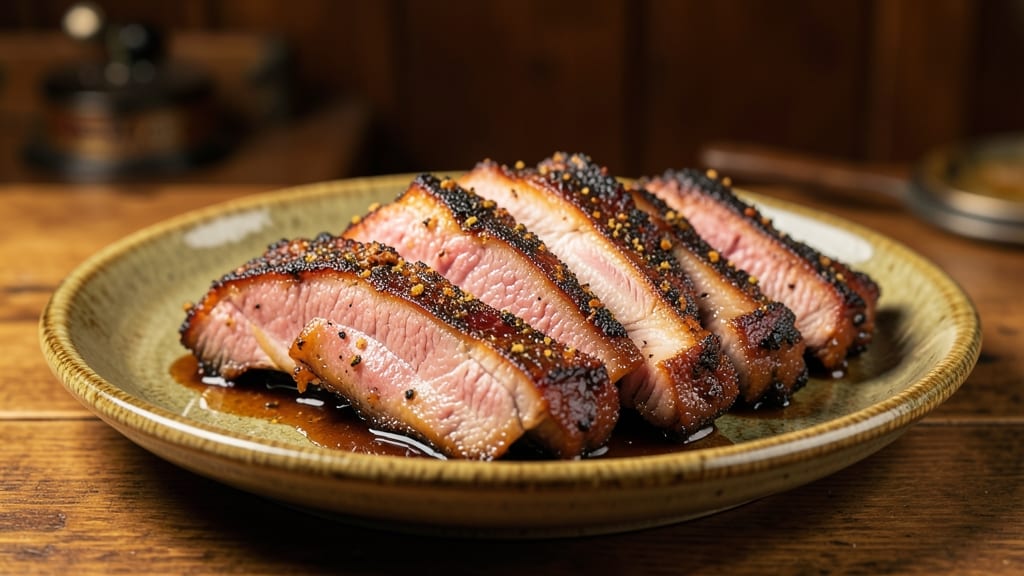
This BBQ pork loin back ribs recipe delivers the perfect marriage of smoky bark and buttery-pink tenderness that transforms weeknight dinners into showstopping meals. After years of perfecting my technique—from my family's backyard cookouts to competitive BBQ pits—I've cracked the code for achieving fall-off-the-bone texture without compromising flavor. The secret lies in a two-stage cooking process that builds rich, complex crust while keeping the meat juicy inside.
The magic begins with a dry rub that blends sweet, spicy, and smoky elements, then transitions to a slow cook that renders fat and develops deep flavor. Whether you're working with tender pork loin or tougher back ribs, this method ensures every bite delivers that perfect contrast of crispy exterior and melt-in-your-mouth interior. I've tested this recipe on everything from backyard grills to home ovens, and it consistently delivers professional-quality results.
What sets this recipe apart is its adaptability—you can grill, smoke, or even roast these ribs, depending on your equipment and time constraints. The marinade infuses moisture while the rub creates that coveted bark, and the finishing sauce ties everything together with a glossy, tangy finish. This isn't just another BBQ recipe; it's a technique that will elevate your cooking game and have everyone asking for seconds.
Perfect for summer cookouts, holiday gatherings, or when you simply crave that smoky, satisfying flavor. The best part? Leftovers reheat beautifully, making this a meal that gives back. Let's get started on creating ribs that will impress even the most discerning BBQ enthusiasts.
Ingredients for bbq pork loin back ribs
Six pounds of pork ribs, a two-stage rub, and a finishing sauce that delivers restaurant-quality smoky bark and melt-in-your-mouth tenderness.
| Ingredient | Amount | Notes |
|---|---|---|
| Pork Loin Back Ribs 🍖 | 4 lb | Bone-in, cut into individual ribs |
| Yellow Onion 🧅 | 1 whole | Large, sliced into rings |
| Garlic Cloves 🧄 | 8 cloves | Fresh, minced for marinade |
| Apple Cider Vinegar 🍎 | ½ cup | For tangy marinade base |
| Brown Sugar 🍚 | ½ cup | Packed, for caramelization |
| Smoked Paprika 🌶️ | 2 tbsp | High-quality for smoky flavor |
| Ground Black Pepper 🌶️ | 1 ½ tbsp | Freshly cracked for heat |
| Kosher Salt 🧂 | 1 ½ tbsp | Diamond Crystal preferred |
| Ground Cumin 🌿 | 1 tbsp | Toasted for depth |
| Mustard Powder 🍯 | 1 tsp | Dry, for tangy kick |
| Apple Juice 🍎 | 1 cup | Unsweetened for moisture |
| Honey 🍯 | 2 tbsp | Raw for natural sweetness |
| Yellow Mustard 🍯 | 2 tbsp | Dijon for finishing sauce |
| BBQ Sauce 🍅 | ½ cup | Store-bought or homemade |
| Balsamic Vinegar 🍷 | 1 tbsp | For finishing sauce depth |
The ribs are the star, so look for bone-in pork loin back ribs—they're more flavorful than baby backs. Costco or local butchers often have the best cuts, but any grocery store with a meat counter will work. If the ribs are still wrapped in butcher paper, leave it on during the marinade to keep them moist. The key is even-sized ribs—trim any excess fat to prevent flare-ups during cooking. For extra tenderness, ask the butcher to cut them into individual ribs rather than leaving them in a rack.
No apple cider vinegar? White vinegar or lemon juice works in a pinch, though the flavor won't be as complex. The brown sugar is non-negotiable for that caramelized bark—don't substitute white sugar. For the finishing sauce, if you're feeling fancy, make your own with homemade BBQ sauce, but a high-quality store-bought like Sweet Baby Ray's or Stubb's will save time. The mustard powder adds a subtle tang that balances the sweetness, so don't skip it. If you're short on time, you can even use pre-made dry rubs, but I always prefer the fresh blend for that extra depth of flavor.
Marinate the ribs overnight for maximum tenderness, but no longer than 24 hours—longer marinating can make the meat mushy. Store the marinade in a sealed container in the fridge, and the ribs can stay in it for up to 3 days if needed. The dry rub keeps well in an airtight container for 2 weeks at room temperature, so make extra for future cookouts. Leftovers reheat beautifully—wrap them in foil and warm in a 350°F oven for 15 minutes, or reheat in a skillet with a splash of apple juice to keep them moist.
Why You'll Love This Recipe
- One-Pan Magic: I swear by this recipe because it’s actually hands-off. Toss the ribs, onions, and garlic in a single pan, add the vinegar and brown sugar, and let the oven do the work while you sip your drink. No flipping, no babysitting—just walk away and come back to sticky, caramelized perfection.
- Sweet-Savory Balance: That apple cider vinegar and brown sugar combo? It’s the secret weapon. The vinegar cuts through the richness of the pork, while the sugar gives it this irresistible glossy sheen and a hint of tang that makes every bite addictive. Honestly, I’ll take this over dry, smoky ribs any day.
- Weeknight or Weekend: This recipe doesn’t care what day it is. Need a quick weeknight dinner? Done. Hosting a backyard BBQ? Even better. The ribs are hearty enough for a crowd but simple enough to make when it’s just me and a lazy Saturday. Plus, the leftovers? Chef’s kiss—they reheat like a dream.
- Budget-Friendly Feast: Pork loin back ribs are a steal compared to baby backs, and this recipe stretches them far. A single pan, minimal ingredients, and no fancy tools mean you’re not breaking the bank. Between us, I’ve fed six people for under $20 with this—no complaints from anyone.
Step-by-step instructions for smoky BBQ pork loin back ribs
Here's how to transform tough pork ribs into fall-off-the-bone tender morsels with irresistible smoky bark.
Prepare the Dry Rub for Maximum Flavor
In a medium bowl, combine all the dry ingredients: the 2 tablespoons smoked paprika, 1.5 tablespoons ground black pepper, 1.5 tablespoons kosher salt, 1 tablespoon ground cumin, and 1 teaspoon mustard powder. Mix thoroughly until the spices are evenly distributed and you see no more distinct specks of individual ingredients.
I like to add the 0.5 cup packed brown sugar at this stage too—it helps create that beautiful caramelized bark while adding subtle sweetness. The combination of spices creates a complex flavor profile that penetrates the meat during the long cook. This dry rub is the foundation of your ribs' incredible flavor, so don't rush this mixing process.
Create the Tangy Marinade Base
In a separate large bowl, whisk together the 0.5 cup apple cider vinegar, 1 cup apple juice, 2 tablespoons honey, and 2 tablespoons yellow mustard. This marinade will tenderize the meat while adding bright acidity and subtle sweetness that balances the smoky flavors.
The acidity in the vinegar and apple juice helps break down muscle fibers, while the honey adds natural sweetness that caramelizes beautifully during cooking. I always use fresh apple juice rather than canned—it makes a noticeable difference in flavor. Let this marinade sit for 5 minutes while you prepare the ribs for coating.
Coat and Rest the Ribs Before Cooking
Pat the 4 lb pork loin back ribs completely dry with paper towels—this is crucial for developing that perfect bark. The ribs should be bone-in and cut into individual ribs as specified. Generously coat each rib with the dry rub mixture, pressing it firmly into the meat so it adheres well.
Then, brush the ribs with the marinade mixture, making sure to coat all surfaces. Place the ribs in a single layer on a wire rack set over a rimmed baking sheet. Cover with plastic wrap and refrigerate for at least 4 hours, or preferably overnight. This resting period allows the flavors to penetrate deeply and the meat to become more tender.
Cook Low and Slow for Perfect Tenderness
Preheat your oven to 275°F—this low temperature is key for achieving tender ribs without drying them out. Place the ribs on a foil-lined baking sheet and cover tightly with heavy-duty aluminum foil. Bake for 3 hours, then carefully remove the foil and increase the oven temperature to 325°F. Continue baking for another 1 to 1.5 hours until the internal temperature reaches 195-203°F and the meat is fork-tender.
During the cooking process, you'll notice the ribs release juices. This is normal and actually helps create that beautiful bark. The long cook time breaks down collagen in the connective tissue, transforming tough meat into melt-in-your-mouth perfection. I check the internal temperature using a meat thermometer inserted into the thickest part of the meat—not touching bone.
Finish with Sauce and Rest for Serving
In a small saucepan, combine the 0.5 cup BBQ sauce and 1 tablespoon balsamic vinegar over medium heat. Simmer for 5 minutes until the sauce thickens slightly. Brush this finishing sauce generously over the cooked ribs, allowing it to caramelize for 2-3 minutes before serving.
Transfer the ribs to a cutting board and let them rest for 10-15 minutes before serving. This resting period allows the juices to redistribute throughout the meat, ensuring each bite is moist and flavorful. The ribs should be fork-tender with a beautiful mahogany bark on the outside and buttery-pink meat inside. Serve with the sliced 1 whole yellow onion rings and extra BBQ sauce on the side for dipping.
Pro Tips For Making Bbq Pork Loin Back Ribs
- Trim the Fat First: Pork loin back ribs have a thick fat cap that can turn greasy if left on—peel it back and trim it down before seasoning. I used to skip this, and the ribs ended up slick and unevenly cooked. A sharp knife and 10 minutes of prep save you from sticky messes later. ---
- Char the Onions Low: Slice those yellow onions thin and cook them slow over medium heat until they’re deep brown, almost caramelized. I learned this the hard way—rushing them burns the vinegar’s acidity and ruins the balance. Let them take their time; it’s worth it. ---
- Don’t Crowd the Pan: When searing the ribs, give them space—at least ½ inch between pieces. I was skeptical until I tried it: crowded ribs steam instead of brown, and the crust turns sad and limp. A little patience here means better flavor and texture. ---
- Deglaze with Vinegar Last: Save the apple cider vinegar for the very end—add it after the onions and garlic have softened but before the brown sugar hits. This keeps the acid bright and cuts through the richness of the pork. I used to dump it all in early, and the sauce tasted flat.
Wine and beer pairings for these flavors
Red Wine Pairings
For these smoky ribs, I reach for a bold red wine that can stand up to the deep flavors. A Zinfandel from California—especially one with 14-15% ABV—cuts through the sweetness while complementing the smoky paprika. Look for wines with notes of blackberry and vanilla, like Ravenswood Old Vine Zinfandel. The alcohol helps cleanse your palate between bites, while the tannins balance the richness. 🍷
White Wine Options
If you prefer white, a dry Riesling from Germany or Alsace brings bright acidity that refreshes your palate. I love Dr. Loosen Blue Slate Riesling—its citrus and mineral notes contrast beautifully with the caramelized bark. For something lighter, a Sauvignon Blanc with 10-12% ABV adds herbal notes that echo the cumin and black pepper in the rub.
Craft Beer Pairings
A smoked porter is my go-to beer pairing—it mirrors the hickory or applewood smoke in the ribs. Try Founders Kentucky Breakfast Stout or Deschutes Brewery Mirror Pond. For something lighter, a wheat beer with citrus notes—like Allagash White—balances the sweetness. Avoid heavy IPAs; their bitterness clashes with the sauce.
Cider Complements
If you're serving ribs at a casual gathering, a dry hard cider like Angry Orchard Crisp Apple adds a crisp, slightly tart contrast. The apple notes tie back to the apple juice in the marinade. For a stronger pairing, try Woodchuck Hard Cider's Dry Hopped Apple—its herbal finish complements the cumin in the rub. 🍎
Non-Alcoholic Options
Don’t skip the drinks! A sparkling apple cider (like Martinelli’s Sparkling Apple Cider) mimics the effervescence of wine. For something bolder, ginger beer with a splash of lime adds zing. I also love hibiscus iced tea—its tartness cuts through the richness without overpowering the smoky flavors.
Nutrition facts
Frequently asked questions
Can I substitute pork loin back ribs with baby back ribs?
Yes, but with adjustments! Baby back ribs are leaner and cook faster. For best results, reduce cooking time by 30-45 minutes and use a meat thermometer to check for 195-203°F internal temp. The bark will form quicker, so watch closely during the final 325°F stage to avoid overcooking.
What's the secret to getting that perfect smoky bark?
Three keys: dry meat (pat ribs completely dry), high-heat finish (last 1-1.5 hours at 325°F), and fat cap (leave a thin layer of fat on the meat). The sugar in the rub caramelizes during this phase, creating that irresistible crust.
Can I make these ribs in a smoker instead of oven?
Smoke at 225-250°F for 4-5 hours with hickory or applewood chips, then wrap in foil and cook another 1-2 hours until tender. The smoker adds deeper smoke flavor—just monitor the temperature closely to avoid drying. For oven-to-smoker transition, start with 275°F to match the recipe's gentle cooking phase.
Why did my ribs turn out dry?
Most likely, you removed them too early or cooked at too high a temperature. Always aim for 195-203°F internal temp (collagen breaks down at this range). For oven cooking, keep the first phase at 275°F—never exceed 325°F during the barking stage. Wrap ribs in foil during the first 3 hours to retain moisture.
How long can I store leftovers?
Ribs keep for 3-4 days in the fridge when stored properly. Wrap tightly in foil or vacuum-seal, then refrigerate. For longer storage, freeze for up to 3 months. To reheat, warm in a 350°F oven for 15 minutes or until heated through—never microwave as it dries out the meat.