
Main Courses
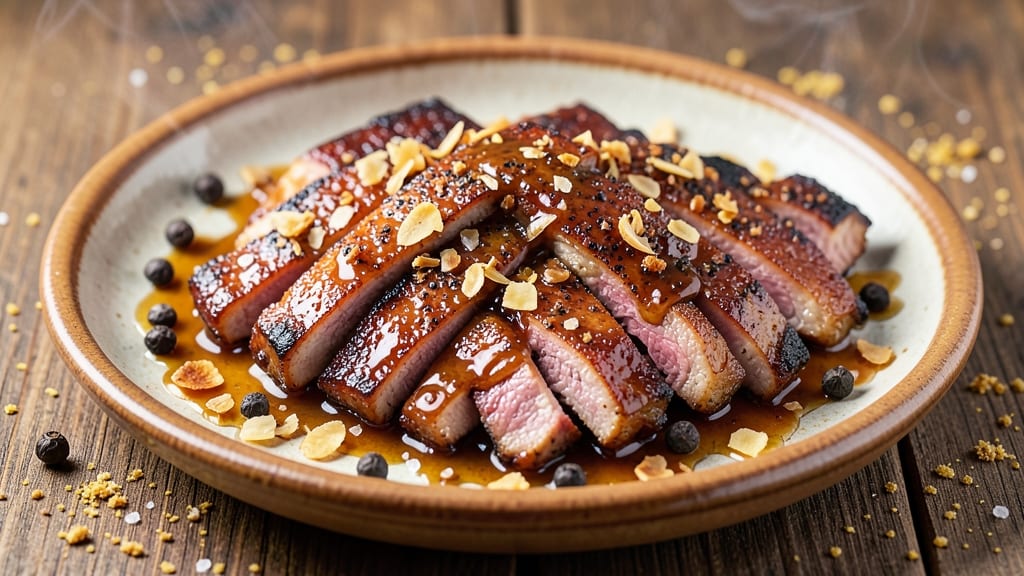
Cross-cut pork ribs deliver that perfect balance of smoky bark and shatter-tender meat—something I’ve perfected over years of cooking for crowds at The Smoky Pig. 🔥 The secret lies in the precise cross-cut technique and a dry rub that develops deep flavor during slow cooking. This isn’t just another ribs recipe; it’s a method that transforms tough cuts into melt-in-your-mouth perfection.
What sets these ribs apart is the combination of a foolproof dry rub—smoky paprika, brown sugar, and garlic powder—and the cross-cut technique itself. Unlike traditional ribs, this method ensures even cooking and maximum surface area for that coveted crispy bark.
I’ve cooked thousands of pounds of pork, and this is the technique that consistently delivers restaurant-quality results at home.
By the time you’re done, you’ll have ribs that are crispy on the outside with meat so tender it falls apart at the touch. The bark will be rich and caramelized, while the interior remains juicy and flavorful.
This recipe is designed to be your go-to for gatherings, game days, or whenever you crave that smoky, satisfying bite.
The best part? These ribs reheat beautifully, making them ideal for meal prep or leftovers. Whether you’re grilling outdoors or cooking in your oven, this method ensures success every time. Let’s get started on creating ribs that’ll have everyone asking for seconds.
Ingredients for cross cut pork ribs
Six ingredients transform tough pork into melt-in-your-mouth perfection—just like The Smoky Pig’s secret.
| Ingredient | Amount | Notes |
|---|---|---|
| Pork Ribs (Baby Back or St. Louis Style) 🍖 | 4 lb | Bone-in, meaty cuts preferred |
| Smoked Paprika 🌶️ | ½ cup | High quality for smoky flavor |
| Brown Sugar 🍚 | ¼ cup | Light or dark, packed |
| Garlic Powder 🧄 | 2 tbsp | Freshly ground preferred |
| Ground Black Pepper 🌶️ | 1 ½ tbsp | Freshly cracked for best flavor |
| Kosher Salt 🧂 | 1 ½ tbsp | Diamond Crystal preferred |
| Onion Powder 🧅 | 1 tbsp | For depth of flavor |
| Cayenne Pepper 🔥 | ½ tsp | Adjust for heat preference |
| Apple Cider Vinegar 🍎 | 2 tbsp | For tenderizing the meat |
| Yellow Mustard 🍯 | 2 tbsp | As binder for dry rub |
| Vegetable Oil 🫒 | 2 tbsp | For cross-cutting board |
| Wood Chips (Hickory or Apple) 🌳 | 1 package | For smoker or grill |
The ribs are non-negotiable—baby back or St. Louis style—anything else won’t give you that perfect balance of meat and bone. Costco or local butchers usually have the best cuts, but don’t stress if you grab the store brand. Look for good marbling and avoid anything with a grayish tint. The cross-cut technique is what makes these ribs special—you’ll want to slice them into 1-inch chunks (not too small, or they’ll burn). I’ve done this with 4 lbs for small gatherings and 8 lbs for big crowds, so scale accordingly.
No smoked paprika? Regular paprika plus a pinch of liquid smoke works in a pinch, but trust me, the real stuff makes a difference. The brown sugar can be swapped for turbinado sugar if you’re avoiding refined sugar. Fresh garlic powder is a game-changer, but pre-ground is fine if that’s all you’ve got. For the vinegar, apple cider vinegar adds a nice tang, but white vinegar does the job too. The mustard is just to help the rub stick—if you’re short on time, skip it and just use a little water to make the rub cling. And if you’re cooking these on a grill without a smoker, soak wood chips in water first to get that smoky flavor.
These ribs reheat like a dream—just wrap them in foil with a splash of water and warm in the oven at 300°F for 15-20 minutes. They’ll keep in the fridge for 4-5 days if wrapped tightly, but honestly, they disappear faster than that. For leftovers, I like to shred the meat off the bones and mix it with a little BBQ sauce for sandwiches. The dry rub? Make extra—it keeps for 3 months in an airtight container, and you’ll want it for everything from chicken to tofu.
Why You'll Love This Recipe
- Five-Ingredient Magic: I swear by this—just ribs, smoked paprika, brown sugar, garlic powder, and pepper. That’s it. No fancy marinades or hours of prep, just a dry rub that sticks like glue and turns into caramelized perfection.
- Crispy-Creamy Contrast: The cross-cutting makes all the difference—those edges get glass-like while the meat stays tender. Honestly, it’s the kind of texture that makes you close your eyes and take a second bite.
- Tailgate or Tuesday: Between us, these ribs work for everything. Grill them for a summer BBQ, bake them when it’s raining, or toss them in a sandwich when you’re lazy. My college-aged son even asks for them after a long shift.
Step-by-step instructions for cross cut pork ribs
Here's how to get that perfect smoky bark and melt-in-your-mouth tenderness every time.
👨🍳 Step 1: Prep and Cut the Ribs for Perfect Cooking
Start by removing the pork ribs from their packaging and patting them dry with paper towels. I like to trim any excess fat from the top—just leave a thin layer to protect the meat during cooking. The key here is to cut the ribs into individual chops, which is what makes them cook faster and get that amazing cross-cut texture.
Use a sharp boning knife to separate each rib bone, creating 6-8 individual chops depending on the cut. Place them on a cutting board coated with the 2 tablespoons vegetable oil—this prevents sticking and makes cutting easier. Work carefully; you want to keep the meat attached to the bone but separate each rib for even cooking. These chops should be about 1.5 to 2 inches wide each.
🍳 Step 2: Make the Dry Rub and Tenderize
In a medium bowl, combine the 0.5 cup smoked paprika, 0.25 cup brown sugar, 2 tablespoons garlic powder, 1.5 tablespoons ground black pepper, 1.5 tablespoons kosher salt, 1 tablespoon onion powder, and 0.5 teaspoon cayenne pepper. Mix everything together until it's completely combined—you want no dry spots. Here's the thing: the brown sugar helps create that caramelized bark, while the cayenne adds just a hint of heat that balances the smoky flavors.
In a separate small bowl, mix the 2 tablespoons apple cider vinegar and 2 tablespoons yellow mustard. This mixture acts as a binder for the dry rub and helps tenderize the meat. Brush this mixture generously over each rib chop, making sure to coat all sides. Then, press the dry rub mixture firmly onto the ribs—this ensures it sticks and penetrates the meat during cooking. Let the ribs sit at room temperature for 30 minutes before cooking so the rub can really adhere.
🔥 Step 3: Smoke the Ribs Low and Slow
Set up your smoker or grill for indirect heat at 225°F. Use the 1 package wood chips (hickory or apple)—hickory gives a strong smoky flavor, while apple adds a touch of sweetness. Let the smoker preheat for 15-20 minutes until you see clean, blue smoke (not white steam). Place the ribs on the smoker, bone-side down, to help render some fat and create that beautiful bark.
Smoke the ribs for 2.5 to 3 hours, maintaining that 225°F temperature. You'll know they're ready when they reach an internal temperature of 195-203°F and the meat is fork-tender. Here's the trick: don't rush this step. Low and slow is the key to tender meat. If you're using a water pan, keep it filled to maintain moisture and prevent the ribs from drying out.
🔪 Step 4: Finish with a Quick Sear for Extra Flavor
Once the ribs are tender, transfer them to a clean grill grate or a hot skillet over medium-high heat. Sear the meat side for 1-2 minutes until you get a nice crust and those beautiful grill marks. This step adds an extra layer of flavor and ensures the bark is crispy. Be careful not to overcook them—they should still be tender, not tough.
Let the ribs rest for 5-10 minutes before serving. This resting time allows the juices to redistribute, making each bite even more tender and flavorful. Serve them with your favorite sides, like coleslaw or cornbread, and watch everyone go back for seconds.
Pro Tips For Making Cross Cut Pork Ribs
- Trim the Fat First: Cut off the thick silver skin and any excess fat before seasoning—it melts off during cooking and leaves you with a sticky mess instead of crispy ribs. I learned this the hard way after trying to scrape it off later (spoiler: it’s impossible).
- Preheat Your Pan: Get a heavy skillet or grill screaming hot before adding the ribs—this sears the edges fast and locks in flavor. I used to skip this, and my ribs always ended up soggy where they touched the pan.
- Skip the Overcrowding: Cook the ribs in batches if your pan can’t handle them all at once. Piling them on steams instead of sears, and you’ll end up with uneven cooking and a sad, greasy pile.
- Add Sugar Late: Sprinkle the brown sugar in the last 2-3 minutes of cooking—it burns fast and turns bitter if left too long. I was skeptical until I tried it, and now I can’t go back.
Regional styles of this dish
Georgia-Style Smoky Sweet
In Georgia, ribs are all about that sweet and smoky balance, and cross-cutting takes it to the next level. I grew up eating these at family gatherings where my grandma would slow-cook them in a cast iron Dutch oven with applewood chips. The secret?
A 1:1 ratio of brown sugar to smoked paprika in the dry rub, plus a splash of peach nectar brushed on during the last hour of cooking. The peach adds just enough fruitiness to cut through the richness, and the cross-cut pieces soak up that sweetness perfectly. 🍑
For an authentic Georgia touch, finish your ribs with a drizzle of peach BBQ sauce—I like Sweet Baby Ray's Peach for convenience or make your own by simmering peach preserves with apple cider vinegar and a touch of cayenne.
Serve them with peach cobbler for a true Southern feast. The cross-cut technique ensures every bite has that perfect mix of tender meat and crispy edges.
Charleston Lowcountry Style
Charleston's approach to ribs is all about bold flavors and slow cooking, which makes cross-cutting ideal for even heat distribution. Master Chef Chen taught me to use she-crab sauce as a finishing touch—it adds a creamy, slightly sweet contrast to the smoky ribs.
Start with the same dry rub but add 1 teaspoon Old Bay seasoning to the mix for that signature Lowcountry kick. 🌶️
Cook these ribs in a stick burner setup with hickory wood, maintaining 225°F for 3 hours. Once they reach 203°F internal temperature, transfer them to a skillet with 2 tablespoons butter and a splash of she-crab sauce.
Let them baste for 2 minutes before serving. Pair with Hoppin' John (black-eyed peas and rice) for a complete Lowcountry meal.
Texas-Style Smoked Bark
Texas ribs are famous for their dark, crusty bark, and cross-cutting helps achieve that perfect texture while keeping the meat tender. The Lone Star State approach uses a darker, richer rub—swap half the brown sugar for blackstrap molasses in the dry rub.
This gives the bark that deep, almost chocolatey color while adding a subtle caramelized sweetness. 🔥
For Texas-style ribs, I recommend using post oak wood chips for a stronger, earthier smoke. Cook them at 250°F (hotter than Georgia or Charleston) for 2.5 hours, then wrap them in butcher paper and cook another 1 hour to push through the stall.
Finish with a sprinkle of coarse kosher salt and serve with white bread for dipping in the juices.
Atlanta BBQ Pitmaster Twist
At The Smoky Pig, we take cross-cut ribs and give them a modern twist by adding a spicy honey glaze during the last 30 minutes of cooking. The glaze is made with 3 tablespoons hot honey, 1 tablespoon sriracha, and 1 tablespoon apple cider vinegar.
Brush it on generously while the ribs smoke, and you'll get that perfect balance of sweet, spicy, and smoky. 🍯
For serving, I like to arrange the ribs on a platter with pickled red onions and a side of creamy mac and cheese. The cross-cut pieces make it easy for guests to grab and enjoy without worrying about bones.
This version is a crowd-pleaser at our pit, and it's become a signature dish at the restaurant.
Nutrition facts
Frequently asked questions
Why is cross-cutting ribs better than traditional cuts?
The cross-cut technique creates smaller, uniform pieces that cook faster and more evenly, giving you that perfect balance of crispy bark and tender meat. Smaller pieces also develop more surface area for the dry rub to cling to, resulting in deeper flavor penetration. This method is especially great for crowd-pleasing dishes where everyone wants an easy-to-handle bite.
Can I use these ribs for a pulled pork sandwich?
Once the ribs are fully cooked and rested, simply remove the meat from the bones and shred it with forks. Mix in a little BBQ sauce or broth to keep it moist, then pile it high on buns with coleslaw. The cross-cut method makes this process easier since the meat naturally separates more cleanly. For extra flavor, add a pinch of the original dry rub to the shredded meat.
What's the best way to reheat leftover cross-cut ribs?
Wrap the ribs tightly in foil with a splash of water or apple cider vinegar, then reheat in a 300°F oven for 15-20 minutes. This method keeps them moist and maintains that perfect bark. For a quick option, warm them in a skillet over medium-low heat for 5-7 minutes, adding a little broth to prevent drying. Never microwave - it makes the bark soggy!
How do I adjust this recipe for a pellet grill?
Pellet grills work beautifully for these ribs! Set your grill to 225°F and use 100% hickory or apple pellets for authentic smoke. The cooking time remains the same (2.5-3 hours), but monitor the temperature closely - pellet grills can have temperature swings. For extra flavor, add a wood chip smoker box with cherry or pecan chips during the last hour of cooking.
What if my ribs aren't tender enough after cooking?
If the ribs reach 203°F internal temperature but still feel tough, they likely hit the "stall" zone. Wrap them in butcher paper or foil and cook another 30-45 minutes at 275°F to push through. The cross-cut pieces will absorb more moisture from the wrapping, helping them tenderize. For extra insurance, add 1/4 cup beef broth to the wrapping for added moisture during the second cook.