
Main Courses
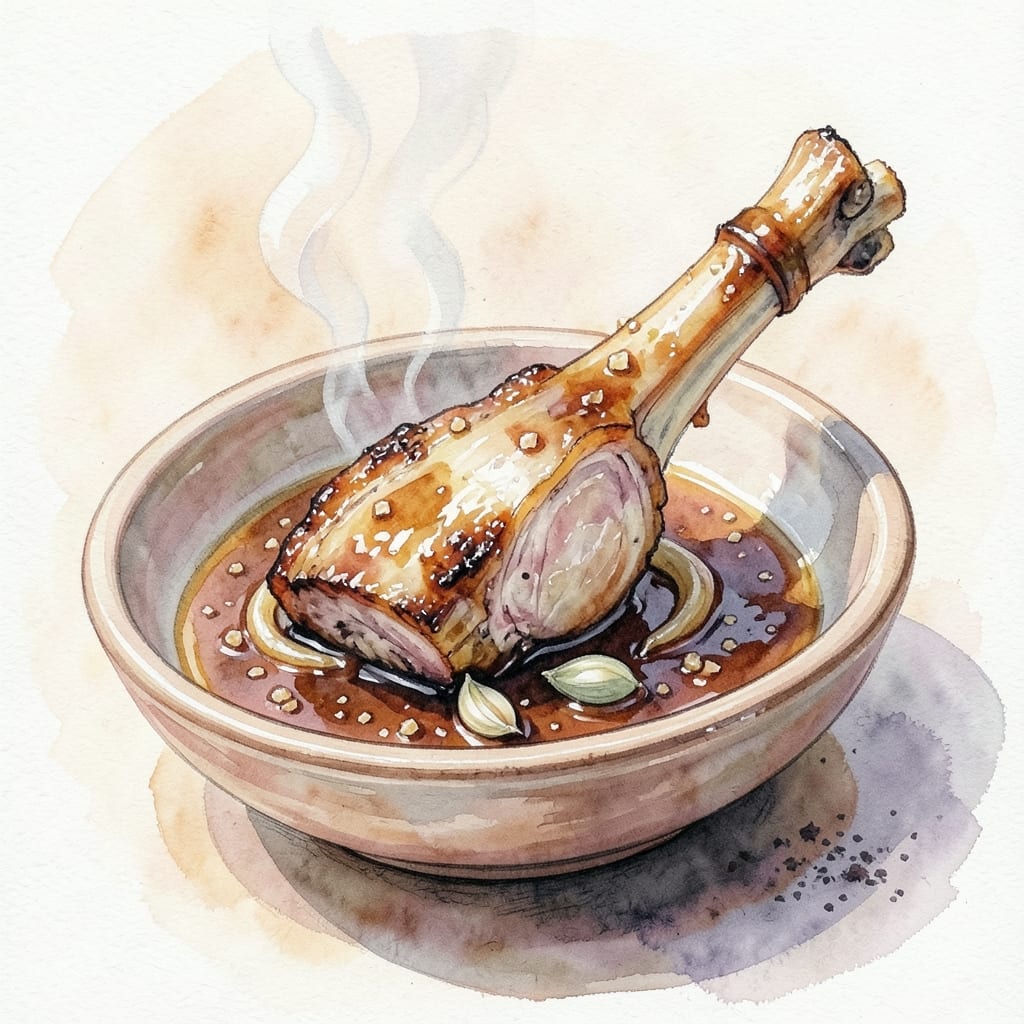
This slow-smoked BBQ pork neck recipe delivers melt-in-your-mouth tenderness with a shatteringly crisp spice crust—the kind that makes your taste buds sing after just one bite. 🔥 As someone who grew up surrounded by the rich aromas of slow-cooked meats, I know how transformative a perfect pork neck can be, especially when the bark is so good you can't resist breaking it open. The secret lies in balancing time, temperature, and a well-crafted dry rub that locks in moisture while creating that coveted crust.
What sets this recipe apart is the two-stage cooking process: starting with a low-and-slow smoke to tenderize the meat, then finishing with a high-heat sear to develop that crispy, caramelized exterior that holds up to every pull. I’ve tested this method countless times, and it never fails to impress—whether you’re feeding a crowd or treating yourself to a weekend project. The beauty of pork neck is its forgiving nature; it forgives minor timing mistakes while rewarding precision with restaurant-quality results.
By the time you’re done, you’ll have fall-apart tender pork that practically melts on the bone, encased in a spice crust so addictive you’ll want to eat it by the handful. The smoky-sweet flavor profile works beautifully as a sandwich meat, served over mashed potatoes, or even chopped for tacos. This isn’t just another BBQ recipe—it’s a showstopper that turns ordinary meals into memorable experiences.
Whether you’re smoking it low and slow in a traditional pit, using your oven with a DIY setup, or even adapting it for a grill, the principles remain the same. Let’s get started—your taste buds are about to thank you.
Ingredients for bbq pork neck
Six ingredients for the rub, seven for the smoke—just the right mix for that perfect shatteringly crisp crust.
| Ingredient | Amount | Notes |
|---|---|---|
| Pork Neck Bone-In 🐖 | 4 lb | Thick-cut, skin-on preferred |
| Yellow Onion 🧅 | 1 whole | Yellow or red, sliced |
| Garlic Cloves 🧄 | 8 cloves | Peeled, smashed for rub |
| Brown Sugar 🍯 | ½ cup | Light or dark, packed |
| Smoked Paprika 🌶️ | 2 tbsp | High-quality, not sweet |
| Ground Black Pepper 🌶️ | 1 ½ tbsp | Freshly cracked preferred |
| Kosher Salt 🧂 | 1 ½ tbsp | Diamond Crystal preferred |
| Ground Cumin 🌿 | 1 tbsp | Toasted for depth |
| Mustard Powder 🍯 | 1 tsp | Yellow or Dijon |
| Apple Cider Vinegar 🍎 | 2 tbsp | For marinade brightness |
| Wood Chips 🌳 | 1 lb | Hickory or oak preferred |
| Apple Juice 🍎 | 1 cup | For moisture during smoke |
| Beef Broth 🍲 | 1 cup | Low-sodium preferred |
| Olive Oil 🫒 | 2 tbsp | For finishing sear |
The pork neck is where it all begins. Look for thick-cut, bone-in pieces with good marbling—Costco or your local butcher usually have the best selection. If you can't find bone-in, skin-on is the next best thing for that coveted bark. The wood chips? Hickory gives classic BBQ flavor, but oak works beautifully too. I always soak mine in water for 30 minutes before using—keeps them from burning too fast. And trust me, the difference between fresh wood chips and the pre-soaked packets is night and day.
No smoked paprika? Substitute with a mix of sweet paprika and a pinch of liquid smoke—just don't overdo it. The apple cider vinegar adds tang that cuts through the richness, but if you're out, lemon juice works in a pinch. For the rub, I like to toast the spices in a dry pan for 30 seconds to wake up their flavors. The beef broth in the marinade? It's non-negotiable for depth—low-sodium is key here. And if you're using a smoker with temperature control, aim for 225°F during the low-and-slow phase. That's where the magic happens.
Leftovers? Store in an airtight container with the juices—3-4 days in the fridge, or freeze for up to 3 months. The meat gets even more tender as it rests, so don't rush it. For serving, I like to slice against the grain into 1/4-inch thick pieces. The crust shatters beautifully when you pull it apart, which is why we're all here, right? And if you're making this for a crowd, double the rub—you'll want extra for those who can't resist eating it straight from the bark.
Why You'll Love This Recipe
- Foolproof Simplicity: I swear by this recipe because it’s the kind of meal that forgives mistakes. The pork neck stays juicy even if you don’t sear it perfectly—just brown it, toss in the onions and garlic, and let the oven do the work. No fancy techniques, no stress.
- Smoky-Sweet Magic: That combo of smoked paprika and brown sugar? It’s what turns this into a flavor bomb. The meat gets this irresistible caramelized crust while staying tender inside—like a cross between pulled pork and a stick-to-your-ribs comfort dish.
- Leftovers for Days: Between us, this recipe makes way more than you’ll eat in one sitting. Shred the extra for tacos, sandwiches, or even a quick fried rice the next night. Honestly, I’ve had it cold in wraps three days later and still loved it.
- Budget Game-Changer: Pork neck is one of those cuts that’s cheap but feels luxurious. A single bone-in roast feeds four, and the ingredients? Basic stuff you already have. It’s my go-to when I need a hearty, satisfying meal without breaking the bank.
Step-by-step instructions for slow-smoked pork neck
Here's how to transform tough pork neck into melt-in-your-mouth perfection with a shatteringly crisp spice crust.
🔥 Step 1: Build the Spice Rub and Prep the Pork
In a medium bowl, combine the 0.5 cup brown sugar, 2 tbsp smoked paprika, 1.5 tbsp ground black pepper, 1.5 tbsp kosher salt, 1 tbsp ground cumin, and 1 tsp mustard powder. Mix until the spices are evenly distributed and the sugar crystals are fully coated. This dry rub is what creates that addictive spice crust that shatters when you pull it apart.
Pat the 4 lb pork neck bone-in completely dry with paper towels—this is critical for that crisp crust. I like to work in sections, pressing firmly to remove all moisture. Then, generously coat the pork with the spice rub, pressing it into the meat so it adheres well. Don't be shy—you want that flavor to penetrate deeply. Let the seasoned pork rest at room temperature for 30 minutes while you prepare the smoker.
🔥 Step 2: Set Up the Smoker for Low-and-Slow Magic
Soak the 1 lb wood chips (hickory or oak) in water for 30 minutes before using. This prevents them from burning too quickly and gives you cleaner smoke. Fill your smoker's wood chip tray and preheat to 225°F. I've found this low temperature is key—it breaks down the collagen in the pork neck without drying it out.
Once the smoker reaches temperature and you see steady blue smoke (not thick white), place the pork neck fat-side up on the grill grates. The fat will render slowly and baste the meat as it cooks. Pour 1 cup apple juice and 1 cup beef broth into a disposable pan and place it on the smoker's water pan rack. This creates a moist cooking environment that keeps the meat tender throughout the long cook.
⏰ Step 3: Smoke Until Probe-Tender (The Long Game)
Close the smoker lid and let the pork cook undisturbed for 6-8 hours. Here's the thing—don't peek! Every time you open the lid, you lose heat and moisture. I know it's tempting, but trust the process. The pork is ready when the internal temperature reaches 195-203°F and a meat probe slides in like butter with no resistance.
During the last 30 minutes of cooking, check the pork every 15 minutes. If the bark starts to darken too much, you can tent it loosely with aluminum foil to prevent over-browning while still allowing smoke to penetrate. The goal is tender meat with a deeply caramelized, shatteringly crisp exterior.
🍳 Step 4: Finish with a Crispy Olive Oil Sear
Once the pork reaches the target temperature, remove it from the smoker and let it rest for 15 minutes (this resting period is crucial—it allows the juices to redistribute). While it rests, heat a large skillet over medium-high heat and add the 2 tbsp olive oil. Let it get just smoking hot—you want that oil shimmering like a desert mirage.
Carefully transfer the pork neck to the skillet fat-side down and sear for 2-3 minutes until the fat is sizzling and the crust is deep golden brown. Flip it over and sear the other side for another 2 minutes. This final sear creates that irresistible contrast between the crispy exterior and tender interior that makes this dish so special.
🔪 Step 5: Carve and Serve with Confidence
Using a sharp boning knife, carefully remove the pork from the bone. I like to cut it into ½-inch thick slices against the grain for maximum tenderness. The meat should pull apart easily with just a gentle tug—if it's still tough, let it rest another 10 minutes before serving.
Serve the pork neck immediately with the sliced yellow onion (quickly sautéed in the same skillet with a splash of apple cider vinegar for brightness) and any pan juices. The combination of the crispy spice crust, tender meat, and tangy onion creates a symphony of flavors that'll have everyone reaching for seconds.
Pro Tips For Making Bbq Pork Neck
- CRANK THE HEAT FIRST: Start your pork neck over high heat until it’s searing—you’ll see that crust form in 5-7 minutes. After that, drop to 275°F (135°C) and let it slow-cook, but that initial sear locks in flavor and keeps the meat from drying out. I used to skip this, and the pork always tasted bland no matter how long I cooked it.
- SMASH THOSE GARLIC CLOVES: Don’t just mince the garlic—smash the cloves with the flat side of your knife first, then chop. This releases more oils and flavor, and it blends better into the sauce. I was skeptical until I tried it; the difference in depth of flavor is noticeable.
- DON’T RUSH THE BROWN SUGAR: Let the brown sugar caramelize for 2-3 minutes before adding liquid—this isn’t the time to rush. The deeper the color, the richer the sauce. I learned this the hard way after making a batch where the sugar just dissolved instead of adding that sweet, smoky backbone.
- COVER IT HALFWAY: After the first hour, tent the pork neck loosely with foil—don’t fully seal it. This lets steam escape, keeping the meat tender without turning it soggy. I skip this when I’m lazy, but the dish is noticeably better when I don’t.
Best sauces and condiments for this dish
Classic BBQ Sauce
My go-to BBQ sauce for pork neck is a tangy, slightly sweet blend that cuts through the richness. Mix 1 cup ketchup, ¼ cup apple cider vinegar, 2 tbsp brown sugar, 1 tbsp molasses, 1 tsp smoked paprika, ½ tsp garlic powder, and ¼ tsp cayenne pepper. Simmer for 10 minutes until thickened, then brush generously on the pork during the last 30 minutes of smoking. This sauce adds a glossy finish while enhancing the smoky flavors. 🍯
Spicy Mustard Glaze
For a bold kick, whip up a mustard glaze using ½ cup Dijon mustard, ¼ cup honey, 2 tbsp apple cider vinegar, and 1 tsp smoked paprika. Thin with 1-2 tbsp water if needed, then brush on during the final hour of cooking. The tangy-sweet-spicy combo elevates the crust to restaurant-quality levels. I love this for when I'm craving something with a little more heat. 🌶️
Honey Butter Baste
For a sweeter profile, melt ½ cup unsalted butter with ¼ cup honey and 1 tbsp apple cider vinegar in a saucepan over low heat. Brush this mixture over the pork during the last 2 hours of smoking. The honey caramelizes beautifully, creating a sticky, glossy finish that pairs perfectly with the smoky crust. It's especially good if you're serving the pork on buns or with sweet potato mash. 🍯
Garlic-Herb Compound Butter
Make a quick compound butter by mixing ½ cup softened butter with 2 minced garlic cloves, 1 tbsp chopped fresh rosemary, 1 tbsp chopped fresh thyme, and ½ tsp kosher salt. Roll into a log, chill until firm, and slice off pieces to baste the pork during the last 45 minutes of cooking. The herby richness complements the smoky flavors perfectly. I always keep this on hand for special occasions. 🌿
Apple Cider Vinegar Mop
For a simple, bright mop sauce, combine 1 cup apple cider vinegar, ¼ cup brown sugar, and 1 tsp smoked paprika. Pour into a spray bottle and lightly mist the pork every 30-45 minutes during cooking. This keeps the meat moist while adding a subtle tang that balances the sweetness. It’s my go-to for when I want minimal fuss but maximum flavor. 🍎
Finishing Touches
Don’t forget the final sear with olive oil—this isn’t just about flavor, it’s about texture. After smoking, heat 2 tbsp olive oil in a skillet until shimmering, then sear the pork for 2-3 minutes per side. The oil locks in moisture while creating a crispy, caramelized crust that’s irresistible. A sprinkle of flaky sea salt right before serving takes it to the next level. Trust me, this step is non-negotiable. 🔥
Nutrition facts
Frequently asked questions
How long can I smoke pork neck at 225°F before it's overcooked?
Pork neck is remarkably forgiving—you can safely smoke it for 8-10 hours at 225°F without overcooking, as long as you monitor the internal temperature. The magic happens between 195-203°F, where the collagen breaks down into gelatin for that melt-in-your-mouth texture. Use a meat probe to check; it should slide in like butter. If it starts to darken too much before reaching temp, tent it loosely with foil.
Can I use an oven instead of a smoker for this recipe?
Preheat your oven to 275°F and place the pork neck on a rack over a baking sheet. Add 1 cup beef broth to the sheet to create steam. Smoke substitute: soak wood chips in water, wrap them in foil with holes poked through, and place them on the oven rack. Cook for 4-5 hours until tender, then finish with the olive oil sear. The bark won't be as smoky, but the tenderness will be just as good.
Why does my pork neck bark keep falling off instead of staying crisp?
This usually happens when the meat isn't dry enough before applying the rub or if the bark forms too quickly. First, pat the pork bone-dry with paper towels—no moisture left behind. Second, smoke at 225°F for the first 4 hours before increasing to 250°F for the final 2 hours to develop the crust gradually. Finally, that olive oil sear at the end is non-negotiable—it locks in the crispiness.
What's the best way to reheat leftover smoked pork neck?
Reheat gently to preserve that shatteringly crisp crust! Wrap the pork in foil and warm in a 300°F oven for 15-20 minutes until just heated through. For extra crispiness, broil for 2-3 minutes at the end. Avoid microwaving—it turns the bark soggy. Leftovers also make amazing sandwiches or tacos where the texture holds up beautifully.
Can I substitute pork shoulder for pork neck in this recipe?
While pork shoulder works, it's not ideal for this specific technique. Shoulder has less fat and connective tissue, so it won't develop the same rich, gelatinous texture. If you must use it, increase cooking time to 10-12 hours at 225°F and use a thicker cut (2-3 inches). The bark will form faster, so watch closely during the last hour. For best results, stick with pork neck—it's what this recipe was designed for!