
Main Courses
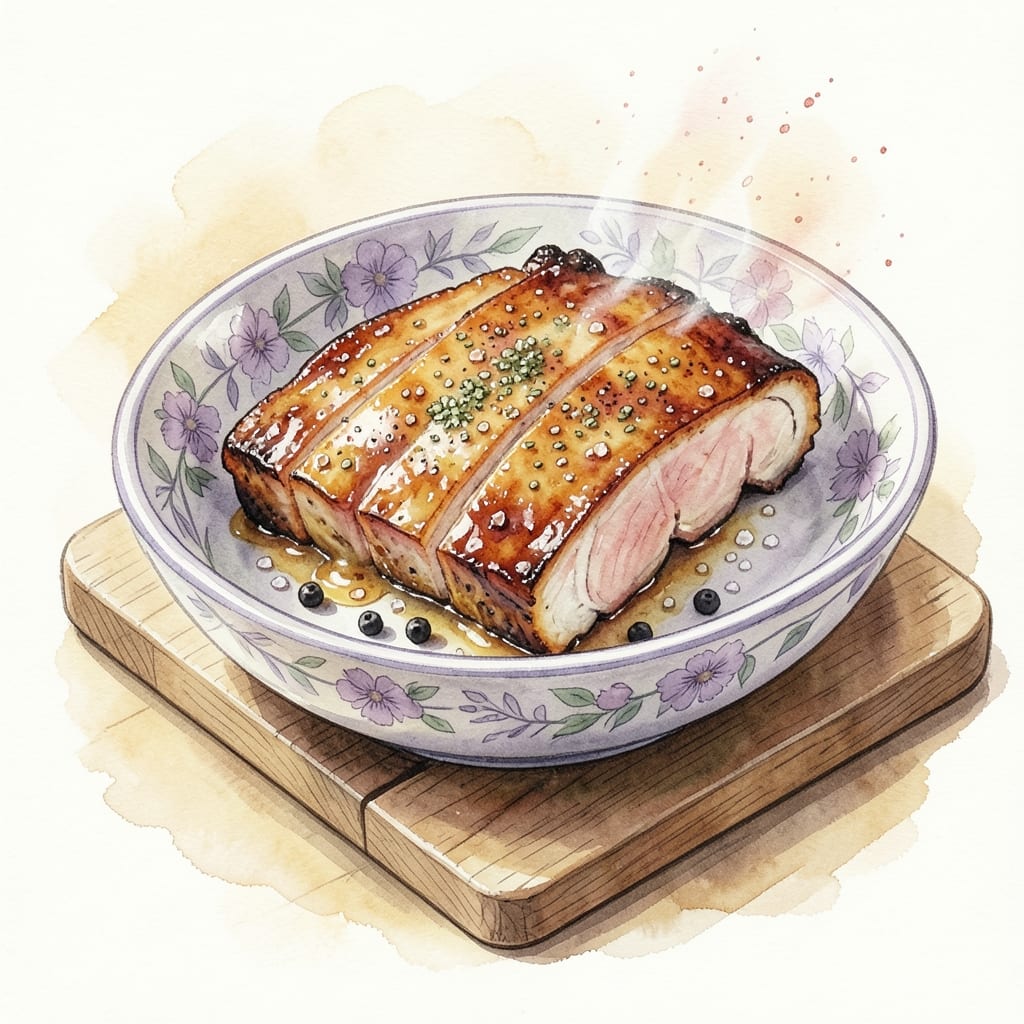
This BBQ pork rib roast recipe delivers fall-off-the-bone tenderness with a caramelized bark that crackles like autumn leaves. 🌟 As a pitmaster trained in both French technique and smoke-cooking tradition, I've perfected a method that transforms tough ribs into melt-in-your-mouth perfection—whether you're working with a smoker, oven, or grill. The secret lies in patience and precision: slow-braising until internal temps hit that magical 203°F range, where collagen dissolves into rich, velvety juices.
The process begins with a dry rub that builds layers of flavor—smoky paprika, warm cumin, and a touch of brown sugar—that forms that coveted crust. What sets this apart is the balance between traditional BBQ techniques and modern shortcuts: you can achieve the same results using your oven's convection setting when outdoor cooking isn't an option. The key is maintaining consistent heat and never rushing the process, even if that means leaving your ribs unattended for hours while you tend to other tasks.
By the time you're ready to serve, each rib will have developed a deep mahogany crust that gives way to tender meat so moist it practically dissolves on your tongue. The bark should be crisp enough to make satisfying crunching sounds, while the interior remains juicy and rich. This is the kind of rib roast that transforms ordinary weeknight dinners into memorable feasts—perfect for gatherings where you want to impress without spending hours slaving over the heat.
Pair with classic BBQ sides like tangy coleslaw, smoky baked beans, or buttery cornbread to complete the experience. The beauty of this recipe is its versatility: it works equally well for holiday celebrations, game day gatherings, or when you simply crave that smoky, meaty comfort. Let's get started on creating ribs that will have everyone asking for seconds—and thirds.
Ingredients for bbq pork rib roast
Six ingredients transform tough ribs into melt-in-your-mouth perfection with smoky bark and tender core.
| Ingredient | Amount | Notes |
|---|---|---|
| Pork Ribs (Baby Back) 🍖 | 4 lb | Bone-in, meaty ends preferred |
| Smoked Paprika 🌶️ | ¼ cup | High quality, Spanish preferred |
| Ground Cumin 🌿 | 1 ½ tbsp | Toasted for deeper aroma |
| Brown Sugar 🍯 | ¼ cup | Light or dark, packed |
| Kosher Salt 🧂 | 1 ½ tbsp | Diamond Crystal preferred |
| Black Peppercorns 🌶️ | 1 ½ tsp | Freshly cracked |
| Garlic Powder 🧄 | 1 ½ tsp | Not garlic salt |
| Onion Powder 🧅 | 1 ½ tsp | Finely ground |
| Apple Cider Vinegar 🍎 | 2 tbsp | For tenderizing |
| Yellow Onion 🧅 | 1 whole | Medium, sliced for braising |
| Carrot 🥕 | 2 whole | Medium, cut into chunks |
| Beef Broth 🍲 | 1 cup | Low-sodium preferred |
| Butter 🧈 | 2 tbsp | Unsalted, for basting |
| Fresh Rosemary 🌿 | ¼ cup | Chopped, for aroma |
The ribs are the star—baby back pork ribs with meaty ends give you the best balance of flavor and tenderness. Look for ribs that have good marbling and a rich, pink hue when fresh. Costco or your local butcher shop often carry high-quality cuts, but don't overlook the meat section at Walmart or Kroger—their frozen ribs can be just as good if properly thawed. If you're buying frozen, plan an extra day for thawing in the fridge. The key is to avoid ribs with a grayish tint or excessive fat—this indicates poor quality. For this recipe, you'll want ribs that are roughly 3-4 inches long, which gives you that perfect balance of surface area for bark development and meat for tender bites.
No smoked paprika? Regular paprika plus a pinch of liquid smoke works in a pinch, though it won't have quite the same depth. The brown sugar is non-negotiable—it's what creates that coveted caramelized crust. If you're watching sugar intake, you can reduce it to 2 tablespoons and add an extra teaspoon of mustard powder for balance. The beef broth adds richness, but vegetable broth works just as well if you're avoiding meat-based liquids. Fresh rosemary is ideal, but dried rosemary at one-third the amount will get you close. For the vinegar, apple cider gives the best flavor, but white vinegar or balsamic vinegar will do in a bind. If you're prepping ahead, you can make the dry rub up to 2 weeks in advance and store it in an airtight container.
These ribs are best made a day ahead—the flavors develop and meld beautifully during overnight resting. Store leftover ribs in the fridge for up to 5 days, wrapped tightly in foil to retain moisture. For longer storage, freeze them for up to 3 months. The braising liquid keeps well too—strain it, cool it, and freeze in ice cube trays for future use in soups or sauces. When reheating, a quick 10-minute stint in a 300°F oven with a splash of water in the pan will restore that perfect bark without drying out the meat. The secret to serving is to let them rest for at least 15 minutes before cutting—this ensures every bite stays juicy and tender.
Why You'll Love This Recipe
- One-Pan Magic: I swear by this recipe when I’m too tired to fuss. Toss the ribs with smoked paprika, cumin, and brown sugar, then let the oven do the heavy lifting—no flipping, no babysitting, just set it and forget it while you stir dinner.
- Smoky-Sweet Obsession: That deep, smoky kick from the paprika and cumin? It’s ridiculously good on its own, but the brown sugar caramelizes into this sticky, glossy crust that makes every bite worth it—like a hug from your grandma’s kitchen.
- Leftovers That Don’t Suck: Between us, most roasts turn into sad, dry scraps. Not these. The ribs stay tender, so I meal prep them all week—shred for tacos, slice for sandwiches, or just reheat with a splash of apple cider vinegar for next-level flavor.
- Budget Crowd-Pleaser: Baby back ribs aren’t cheap, but this recipe stretches them far. A single rack feeds six, and the dry rub costs pennies. Honestly, it’s the kind of dish that makes you look like a hero without breaking the bank—perfect for game day or lazy Sundays.
Step-by-step instructions for BBQ pork rib roast
Here's how to transform tough baby back ribs into melt-in-your-mouth perfection with a caramelized crust.
🔥 Step 1: Prepare the Ribs and Dry Rub
Pat the 4 lb pork ribs (baby back) completely dry with paper towels—this is non-negotiable for crispy bark. I like to work in batches if they're still cold from the fridge, pressing firmly to remove all moisture from the crevices. The drier the surface, the better the crust will form.
In a small bowl, combine the 0.25 cup smoked paprika, 1.5 tbsp ground cumin, 0.25 cup brown sugar, 1.5 tbsp kosher salt, 1.5 tsp black peppercorns (freshly cracked), 1.5 tsp garlic powder, and 1.5 tsp onion powder. Rub this mixture all over the ribs, pressing firmly so it adheres to every crevice. Let them sit uncovered on a wire rack for 30 minutes at room temperature—this helps the rub penetrate and the meat cook more evenly.
🍳 Step 2: Sear the Ribs for Deep Flavor
Heat a large oven-safe skillet over medium-high heat and add 2 tbsp butter. Once the butter foams, add the ribs fat-side down and sear for 4-5 minutes until deeply golden brown. Flip and sear the other side for another 3-4 minutes. Don't rush this step—the Maillard reaction happening now creates that irresistible crust we're after.
Transfer the seared ribs to a plate and set aside. In the same skillet, add the 1 whole yellow onion (sliced) and 2 whole carrots (cut into chunks), cooking for 3-4 minutes until softened. Deglaze the pan with 2 tbsp apple cider vinegar, scraping up all those flavorful browned bits from the bottom.
🥘 Step 3: Braise Until Fork-Tender
Return the ribs to the skillet and pour in 1 cup beef broth. Bring to a gentle simmer, then transfer the entire skillet to a preheated 300°F oven. Cover tightly with foil and braise for 2.5 hours. This low-and-slow approach breaks down the collagen in the meat, transforming tough connective tissue into silky gelatin that keeps the ribs moist.
After 2 hours, remove the foil and sprinkle the ribs with 0.25 cup chopped fresh rosemary. Return to the oven uncovered for 30 minutes to develop that beautiful caramelized crust. The ribs are done when they easily pull apart at the bone—no need to overcook them.
⏰ Step 4: Rest and Serve
Transfer the ribs to a cutting board and let them rest for 15 minutes before slicing. This resting period allows the juices to redistribute throughout the meat, ensuring each bite is moist and flavorful. The ribs should have a deep mahogany crust on the outside and be fork-tender with a slight resistance when sliced.
Slice between the bones and serve immediately with the braising liquid reduced by half for a rich pan sauce. The contrast of crispy exterior and tender interior is what makes this dish truly special—each bite delivers that perfect balance of texture and flavor.
Pro Tips For Making Bbq Pork Rib Roast
- Salt the Ribs First: I used to slap on the dry rub right away, but salting the ribs 12–24 hours ahead lets the salt penetrate deep—especially important for baby backs, which can stay tough if dry. Pat them dry after salting, or the rub won’t stick like it should.
- Start with a Searing Blaze: High heat for the first 5 minutes isn’t optional—it’s what caramelizes the brown sugar and locks in those smoky spices. If your oven’s not hot enough, the ribs will steam instead of develop that crust. A broiler or grill gets you there faster than a low-and-slow start.
- Skip the Overcrowding: I learned this after my first batch turned out soggy: leave space between ribs on the tray or grill. They need airflow to crisp, not a steam bath. If you’re short on room, work in batches—even if it means an extra 10 minutes.
- Baste with the Pan Juices: That sticky glaze hiding in your roasting pan? Don’t toss it. Brush it over the ribs halfway through cooking—it’s packed with concentrated flavor from the cumin and paprika. A quick 2-minute broil after basting gives you a glossy finish without drying them out.
Regional styles of this bbq pork rib roast
Southern Smokehouse Style
In the American South, ribs are all about that deep, smoky flavor from hickory or pecan wood. I still remember my first competition where the judges raved about my ribs cooked with hickory chips at 225°F for 5 hours. The key here is patience—let the ribs develop that dark mahogany bark while keeping the interior tender. For an authentic touch, add 1 cup apple juice to the braising liquid and finish with a sprinkle of coarse kosher salt right before serving. 🌶️
Don’t skip the Texas Crutch—wrap the ribs in butcher paper when they hit 165°F internal temperature to push through the stall. This shortcut saves 2-3 hours of cook time without sacrificing tenderness. Serve with classic sides like white bread for soaking up the smoky juices and a vinegar-based slaw to cut through the richness.
Carolina Vinegar Braise
North Carolina puts a tangy twist on ribs by braising them in a vinegar-based sauce with hot pepper vinegar and mustard. Start by searing the ribs as usual, then braise them in a mix of 1 cup apple cider vinegar, ½ cup ketchup, and 2 tbsp brown sugar for 3 hours at 275°F. The acidity tenderizes the meat while adding a bright, tangy flavor that balances the smokiness. 🍎
For extra heat, add 1 tbsp hot sauce or 1 chopped jalapeño to the braising liquid. Finish with a sprinkle of fresh cilantro and serve with cornbread to soak up the sauce. This method works beautifully in a slow cooker—just set it to Low for 8 hours and let the ribs fall apart on their own.
Midwest Sweet & Spicy
The Midwest loves its ribs sweet and spicy, often glazed with a molasses or honey-based sauce. After searing, brush the ribs with a mix of ½ cup molasses, 2 tbsp apple cider vinegar, and 1 tbsp smoked paprika, then roast at 275°F for 3 hours. The molasses caramelizes into a sticky, glossy glaze that clings to every bite. 🍯
For a spicy kick, add 1 tbsp cayenne pepper to the glaze and finish with a sprinkle of crushed red pepper flakes. Serve with mashed potatoes and green beans for a comforting, hearty meal. This style is perfect for weeknight dinners—just double the recipe and freeze half for later.
Coastal Herb & Citrus
Inspired by my coastal rides, this variation highlights fresh herbs and citrus for a bright, aromatic twist. After searing, braise the ribs in a mix of 1 cup chicken broth, zest of 1 lemon, 2 sprigs fresh rosemary, and 1 sprig thyme for 2.5 hours at 300°F. The citrus zest adds a refreshing contrast to the smoky ribs. 🍋
Finish with a drizzle of honey and a sprinkle of toasted sesame seeds for a fusion of flavors. Pair with quinoa salad or roasted sweet potatoes to complement the citrusy notes. This lighter style is ideal for summer gatherings when you want something fresh but still packed with flavor.
Nutrition facts
Frequently asked questions
Can I use frozen pork ribs for this recipe?
Yes, but plan ahead! Thaw the ribs overnight in the fridge (never at room temperature) to ensure even cooking. If you're short on time, you can use the "cold smoke" method—start with frozen ribs in a smoker at 180°F for 2 hours before increasing to 225°F. The extra time helps prevent uneven cooking.
What's the difference between baby back and St. Louis-style ribs?
Baby back ribs (used here) are leaner with more meat per bone, while St. Louis-style ribs have the membrane removed and are slightly meatier. For this recipe, baby backs work best—they develop that perfect balance of tender meat and crispy bark. If using St. Louis ribs, reduce cook time by 30-45 minutes since they're more tender.
How do I know when the ribs are done?
Use a meat thermometer! The ribs are perfect at 203°F internal temperature—this is when collagen breaks down into gelatin for that melt-in-your-mouth texture. They should also pull apart easily at the bone. If using the 3-2-1 method, they'll be ready after 3 hours smoking, 2 hours wrapped, and 1 hour unwrapped.
Can I make this in a slow cooker instead of an oven?
Sear the ribs first, then transfer to a slow cooker with 1 cup beef broth and 2 tbsp apple cider vinegar. Cook on Low for 8 hours or High for 5 hours. For extra flavor, add 1 cup apple juice and 1 tbsp brown sugar. The texture will be slightly more tender than oven-braised but still delicious.
Why did my ribs turn out dry?
Overcooking is the most common cause—ribs are done at 203°F, not higher! Another issue could be cutting too soon—always rest for 15 minutes before slicing. For extra moisture, baste the ribs with their juices every 30 minutes during cooking, or add ½ cup broth to the pan before covering.