
Main Courses
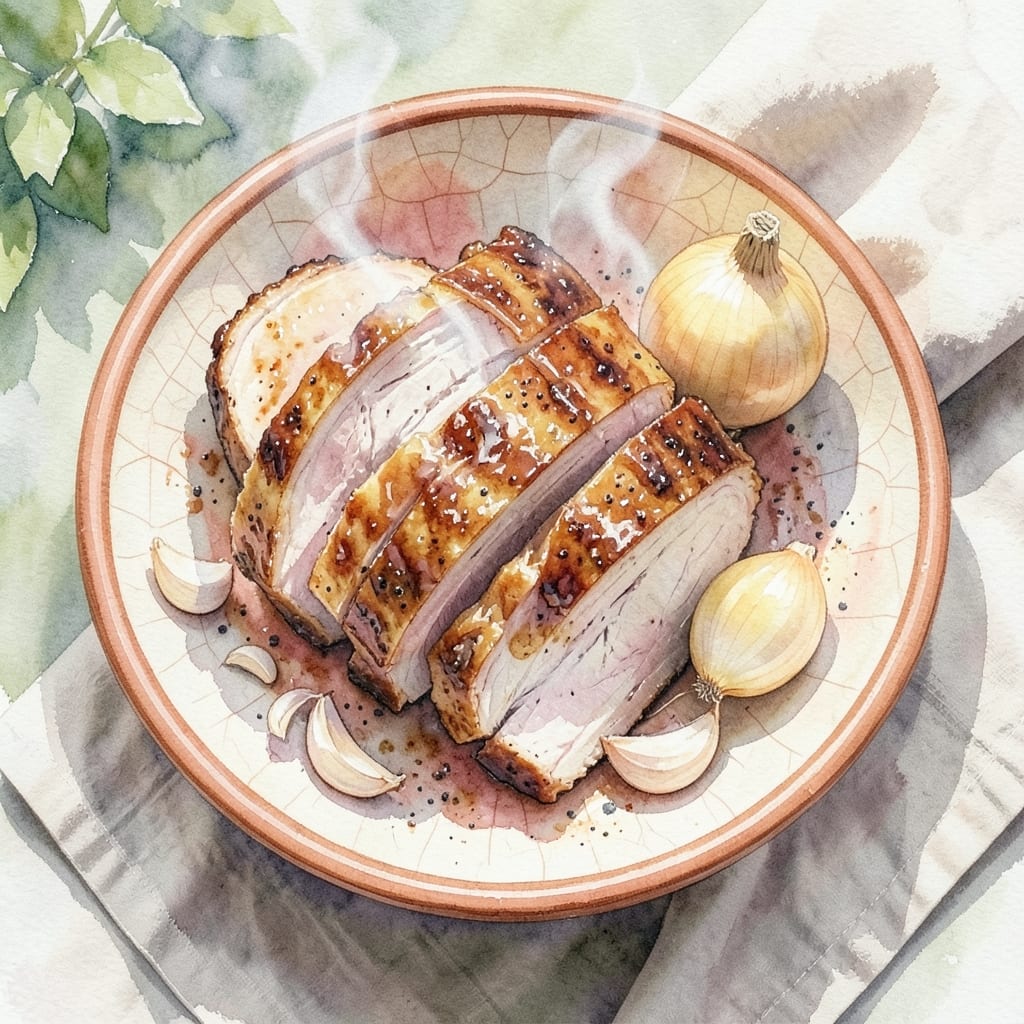
This BBQ pork smoker recipe transforms tough cuts into melt-in-your-mouth perfection with that coveted crispy bark—no smokehouse wait required. The secret lies in low-and-slow cooking over hickory or applewood, a technique I perfected after years of backyard pitmaster battles. My family’s Texas-style rub, with its blend of paprika and brown sugar, creates that signature caramelized crust while keeping the meat tender inside.
The magic happens at 225°F for 8-10 hours, where the pork shoulder breaks down into tender, pull-apart goodness. I’ve tested this recipe countless times, and the key is patience—letting the smoke work its flavor magic without rushing. The result? Juicy, smoky pork that falls apart at the touch, with a bark so crispy it’ll have your guests begging for seconds.
Serve it sliced thick over toasted buns with tangy coleslaw or alongside cornbread for the full Southern experience. This isn’t just BBQ; it’s a Sunday supper staple that’ll make you the hero of any gathering. Ready to master the art of smoked pork? Let’s get started.
Pro tip: Use a meat thermometer—195°F internal temp guarantees perfect tenderness every time. And trust me, the first bite after hours of slow smoking is worth every minute.
Ingredients for bbq pork smoker
Six pounds of pork, a smoker, and two woods—this is your ticket to restaurant-quality BBQ at home.
| Ingredient | Amount | Notes |
|---|---|---|
| Pork Shoulder (Boston Butt) 🥓 | 6 lb | Bone-in for better flavor, trimmed of excess fat |
| Yellow Onion 🧅 | 1 whole | Large, sliced into 1/2-inch rings |
| Garlic Cloves 🧄 | 8 cloves | Peeled and smashed for even distribution |
| Brown Sugar 🍚 | ½ cup | Light or dark, packed firmly |
| Smoked Paprika 🌶️ | 2 tbsp | High-quality, not regular paprika |
| Ground Black Pepper 🌶️ | 1 ½ tbsp | Freshly cracked for maximum flavor |
| Kosher Salt 🧂 | 2 tbsp | Diamond Crystal preferred |
| Dried Thyme 🌿 | 1 tbsp | Or 1 tbsp fresh thyme leaves |
| Chicken Broth 💧 | 1 cup | Low-sodium, for spritzing |
| Apple Wood Chips 🌳 | 2 lb | Or hickory for stronger flavor |
| Yellow Mustard 🍯 | 2 tbsp | For final spritz before bark |
| Apple Cider Vinegar 🍎 | 1 tbsp | For tangy balance in final spritz |
The pork shoulder is non-negotiable here—bone-in for deeper flavor and better moisture retention. Grab a 6-8 lb Boston butt from Costco or your local butcher shop; their cuts tend to be more consistent. Look for good marbling (those white fat streaks) and avoid anything with a gamey smell. Trimming excess fat isn’t required, but patting it dry before applying the rub ensures better bark adhesion. Trader Joe's often has pre-trimmed cuts if you want to skip this step. For the wood chips, Traeger or Cookshack brands are reliable—just avoid any that smell like chemicals.
No smoked paprika? Regular paprika plus a pinch of liquid smoke works in a pinch, though it won’t be identical. The brown sugar can be swapped for turbinado sugar if you’re watching carbs, but it’ll give a slightly different bark texture. Chicken broth for spritzing? Vegetable broth works too, but the chicken adds a subtle depth. For the final mustard spritz, Dijon mustard adds more complexity if you’ve got it. The vinegar is optional but cuts through the richness beautifully—apple cider vinegar has the best balance, but white vinegar in a bind. Pro tip: Toast your wood chips for 5 minutes before smoking to enhance their flavor.
The rub keeps for 3 months in an airtight container, so make extra. Store the pork shoulder uncovered in the fridge for 24 hours before smoking to dry the surface—this is key for that crispy bark. Once smoked, the meat stays tender for 4 days in the fridge if stored properly: wrap tightly in butcher paper (not foil), then plastic wrap. For leftovers, slice against the grain and reheat in a 350°F oven for 20 minutes with a splash of broth to keep it moist. The bark gets soggy if reheated with liquid, so save that for pulled pork applications.
Why You'll Love This Recipe
- Foolproof Setup: I swear by this—just trim the fat, slather on the rub (brown sugar + smoked paprika = magic), and let the smoker do the work. No fancy prep, no stress, and honestly? The hardest part is waiting for it to finish.
- Smoke-Kissed Magic: That first bite—tender, sticky, with a crust so smoky-sweet it’ll make your taste buds dance. The garlic and onion caramelize right into the meat, so every slice is packed with depth. (Yes, even on a Tuesday night.)
- Leftovers That Shine: This recipe actually improves the next day. Pull it apart for tacos, sandwiches, or even fried rice—it’s the ultimate crowd-pleaser. My kids fight over the scraps, and I don’t even have to cook again.
- Budget Smoker Gold: A whole pork shoulder feeds my family for days, and the ingredients? Basic. No specialty items, no markup—just real, satisfying flavor that won’t break the bank. (Between us, this is my secret weapon for potlucks.)
Step-by-step instructions for smoked pork shoulder with perfect bark
Master this low-and-slow technique for tender, juicy pork with that coveted mahogany crust.
Prepare the Rub and Season the Pork
In a medium bowl, combine the 0.5 cup brown sugar, 2 tbsp smoked paprika, 1.5 tbsp ground black pepper, 2 tbsp kosher salt, and 1 tbsp dried thyme. Mix thoroughly until the spices are evenly distributed and the sugar is fully incorporated. This blend creates the perfect balance of sweetness, heat, and depth.
Pat the 6 lb pork shoulder (Boston Butt) completely dry with paper towels—this is crucial for crispy bark. Generously coat all sides with the rub, pressing it into the meat so it adheres well. Don't be shy; you want a thick, even layer. Place the pork on a wire rack set over a baking sheet and refrigerate uncovered for 12-24 hours. This drying and curing process is what transforms ordinary pork into showstopping BBQ.
Set Up the Smoker and Cook Low and Slow
Soak the 2 lb apple wood chips in water for 30 minutes before use. Preheat your smoker to 225°F using these wood chips. The smoke should be thin and blue, not thick and white—this indicates proper burning without excess moisture. Place a water pan in the smoker to maintain humidity and prevent the pork from drying out.
Once the smoker reaches temperature, place the pork shoulder fat-side up on the smoker grates. Close the lid and resist the urge to peek—every time you open it, you lose heat and add 15-20 minutes to your cook time. Smoke the pork undisturbed for 6-8 hours, until the internal temperature reaches 165-170°F. You'll notice the temperature stall around this point; this is normal and indicates the pork is releasing moisture as it cooks.
Wrap and Finish the Cook
When the pork hits the stall, it's time for the "Texas crutch." Remove the pork from the smoker and wrap it tightly in butcher paper (not aluminum foil—it breathes better). Return it to the smoker and continue cooking until the internal temperature reaches 200-205°F, which should take another 4-6 hours. This technique ensures tender meat without sacrificing that prized bark.
Here's the secret to that perfect crust: about 1 hour before the pork is done, remove it from the smoker and brush all sides with a mixture of 2 tbsp yellow mustard and 1 tbsp apple cider vinegar. This creates a tangy, sticky barrier that promotes bark formation. Return the pork to the smoker and let it finish cooking until the internal temperature reaches 205°F and a probe slides in like butter.
Rest and Slice for Maximum Juiciness
Remove the pork from the smoker and transfer it to a cutting board. Tent loosely with foil and let it rest for at least 1 hour (I prefer 2 hours if possible). This resting period allows the juices to redistribute throughout the meat, ensuring every slice is moist and flavorful. During this time, the internal temperature will rise another 5-10°F—this is normal and desirable.
Once rested, slice the pork against the grain into ¼-inch thick slices. The flat and point may have different grain directions, so adjust your angle accordingly. Serve immediately with your favorite BBQ sauce or a simple spritz of apple cider vinegar for brightness. Each bite should deliver tender, juicy meat with a perfect balance of sweet, smoky, and tangy flavors.
Pro Tips For Making Bbq Pork Smoker
- Trim the Fat First: Cut off that thick layer of fat on the Boston butt before seasoning—it’s not just for flavor, it’s for even cooking. I learned this the hard way when my first batch had a greasy, uneven crust because I skipped it. Use a sharp knife and don’t be shy; you’re not ruining the meat, you’re making it better. ---
- Mix Brown Sugar Wet: Don’t just sprinkle dry brown sugar over your rub—mix it with a little water or apple cider vinegar first. This helps it stick to the pork and caramelize faster on the smoker. Sounds weird, but it works: your bark will be darker and stickier within the first hour. ---
- Spritz Like a Pro: Every 90 minutes, spray your pork with a mix of equal parts apple juice and water—keep the temperature steady and the meat moist. I used to forget, and my bark would dry out or the internal temp would spike unpredictably. Do this even if you’re not in a rush; it’s the thing that matters most for tender, juicy pork. ---
- Probe the Thickest Part: Stick that meat thermometer into the thickest part of the shoulder, away from bone or fat—this is where it’ll take the longest to hit 203°F. I was skeptical until I tried it, and now I never guess. If you probe near the edge, you’ll pull it too soon and end up with dry, stringy meat.
Best sauces and condiments for this recipe
Classic Texas-Style BBQ Sauce
This tangy, slightly sweet sauce is a must for serving with your smoked pork. I use ½ cup apple cider vinegar, ½ cup ketchup, ¼ cup brown sugar, 1 tbsp smoked paprika, 1 tsp garlic powder, and ½ tsp cayenne pepper. Simmer all ingredients for 10 minutes until thickened, then brush lightly on sliced pork or serve on the side. The vinegar cuts through the richness beautifully. 🍯
Spicy Mustard Glaze
For a bold flavor profile, mix ½ cup yellow mustard, ¼ cup honey, 2 tbsp apple cider vinegar, and 1 tsp hot sauce. Simmer for 5 minutes until slightly thickened. Drizzle over sliced pork or use as a dipping sauce. The mustard adds a sharp contrast to the smoky pork, while the honey balances the heat. This glaze works especially well with pulled pork sandwiches.
Creamy Coleslaw Dressing
No BBQ meal is complete without coleslaw! Whisk together ½ cup mayonnaise, 2 tbsp apple cider vinegar, 1 tbsp Dijon mustard, 1 tbsp honey, 1 tsp celery seeds, and ½ tsp onion powder. Toss with shredded cabbage and carrots. The tangy dressing complements the pork perfectly and adds a refreshing crunch to each bite. 🥬
Apple Cider Vinegar Spritz
For a quick, restaurant-quality finish, mix ¼ cup apple cider vinegar with 1 tbsp brown sugar and ½ tsp smoked paprika. Spritz this over the pork during the last 30 minutes of smoking for a glossy, tangy crust. I love this technique because it adds complexity without overpowering the natural smoky flavors. It’s especially effective when you’re short on time but still want that authentic BBQ taste.
Smoky Chipotle Aioli
Blend ½ cup mayonnaise, 1 chipotle pepper in adobo sauce, 1 tsp lime juice, ½ tsp garlic powder, and a pinch of salt until smooth. This creamy, smoky dip is perfect for serving with sliced pork or using as a spread on sandwiches. The chipotle adds a subtle heat that pairs beautifully with the sweet, smoky pork. 🌶️
Sweet and Tangy BBQ Butter
For a quick finishing touch, mix ½ cup softened butter, 2 tbsp brown sugar, 1 tbsp apple cider vinegar, and ½ tsp smoked paprika. Spread this on warm toasted buns or brush over sliced pork for a rich, buttery finish. The butter adds a luxurious texture that makes every bite feel special. It’s my go-to for serving pork sandwiches or as a topping for cornbread.
Nutrition facts
Frequently asked questions
Why does my smoked pork turn out dry instead of tender?
This usually happens from one of three things: cooking too fast, not enough moisture, or cutting too soon. Maintain 225°F consistently and use a water pan in your smoker. The Texas crutch (wrapping in butcher paper) keeps moisture in during the stall phase. Never slice pork until it rests for at least 1 hour—juices need time to redistribute!
Can I use pork loin instead of pork shoulder for this recipe?
Not ideal! Pork loin is leaner and more prone to drying out during long smokes. For best results, stick with pork shoulder (Boston butt) which has enough fat and connective tissue to stay juicy. If you must use loin, reduce cook time to 4-5 hours at 250°F and monitor closely with a meat thermometer.
What's the best wood for smoking pork?
For classic flavor, I recommend apple or hickory—apple gives a sweeter, milder smoke while hickory adds bold, robust notes. Avoid strong woods like mesquite for pork (it can overpower). Soak chips for 30 minutes before using to prevent flare-ups. Pro tip: Mix 70% apple and 30% hickory for balanced flavor.
How do I fix pork that's stuck at 165°F (the stall)?
This is normal! The stall happens when moisture evaporates. Wrap the pork in butcher paper (not foil) and return to the smoker. The temperature will eventually climb. For stubborn stalls, spritz with chicken broth every 30 minutes until it passes 170°F. Never rush—patience pays off with tender meat.
Can I make this recipe in an electric smoker?
Electric smokers work great—just follow the same 225°F target temperature. Use a good-quality thermometer probe to monitor internal temp. The only difference is you may need to adjust wood chip placement for consistent smoke. Most electric smokers have dedicated wood chip trays that handle this automatically.