
Sauces & Condiments
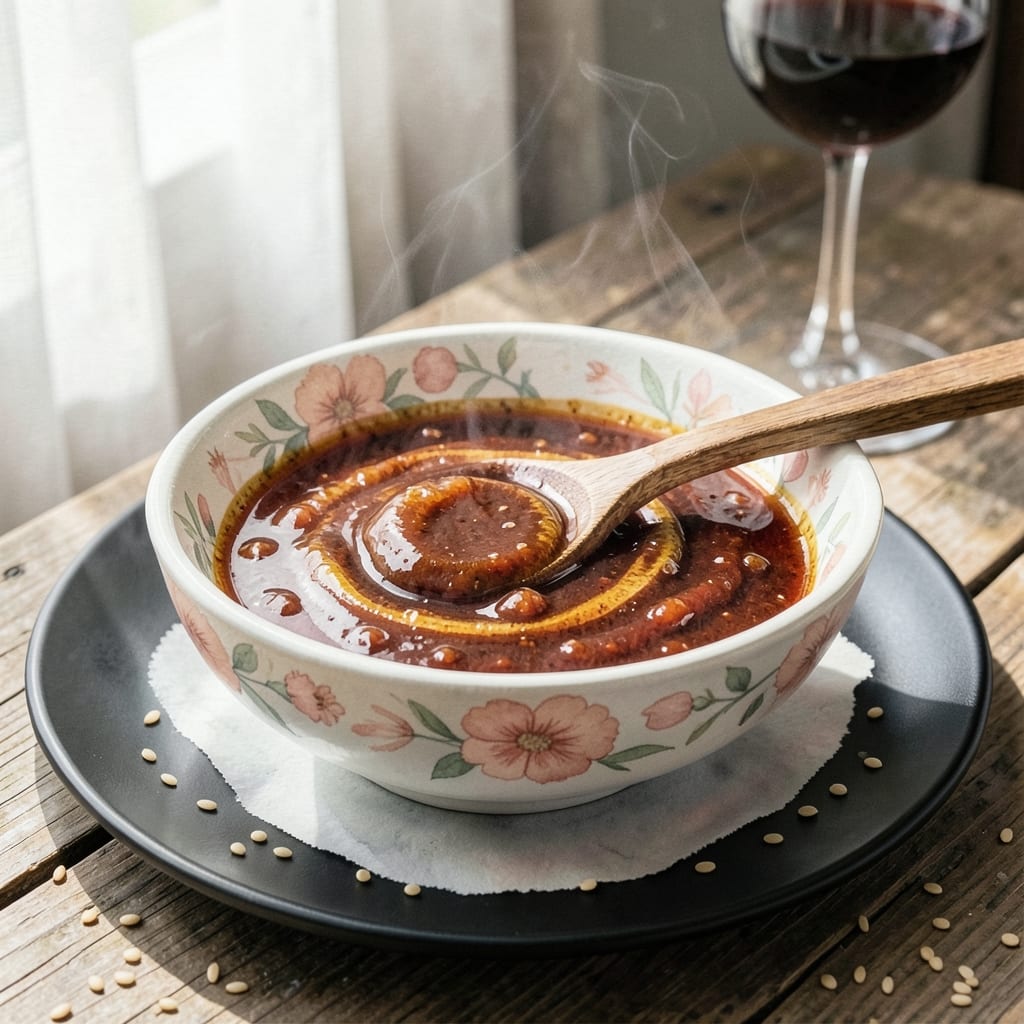
This BBQ sauce recipe for pulled pork sandwiches delivers a smoky-vinegar glaze that clings to meat like glue and transforms ordinary sandwiches into mouthwatering masterpieces. The secret lies in balancing sweetness, tang, and deep smokiness—achieved through a slow-simmered blend of tomato paste, apple cider vinegar, and a touch of molasses. I developed this sauce after years of testing, and it consistently earns raves at backyard cookouts and tailgates.
The foundation starts with a rich tomato base, where you'll build layers of flavor through careful spice toasting and reduction. Brown sugar adds caramel depth, while Worcestershire sauce introduces that unmistakable umami punch. What sets this sauce apart is its ability to penetrate pulled pork, creating a sticky, flavorful crust that holds up perfectly in sandwiches without turning soggy.
By the time you're done, you'll have a glossy, aromatic sauce that's perfect for slathering on pulled pork, drizzling over baked beans, or even glazing grilled vegetables. The balance of sweet, tangy, and smoky flavors makes it versatile enough for weeknight dinners or game-day feasts. This sauce keeps well in the refrigerator for up to two weeks, so you can make a big batch and enjoy it all season long.
Ready to elevate your pulled pork sandwiches? This sauce is the game-changer you've been waiting for—simple to make, impossible to resist. Let's get cooking!
Ingredients for bbq sauce recipe for pulled pork sandwiches
Eleven ingredients, endless flavor—this sauce transforms pulled pork into a sticky, smoky masterpiece.
| Ingredient | Amount | Notes |
|---|---|---|
| Tomato Paste 🍅 | ½ cup | High-quality, no sugar added |
| Apple Cider Vinegar 🍏 | ½ cup | Bragg preferred for tang |
| Brown Sugar 🍯 | ½ cup | Light or dark, packed |
| Molasses 🍯 | 2 tbsp | Unsulphured for depth |
| Worcestershire Sauce 🧂 | 2 tbsp | Lea & Perrins preferred |
| Smoked Paprika 🌶️ | 1 tbsp | Toasted for extra smokiness |
| Garlic Powder 🧄 | 1 tsp | Freshly ground preferred |
| Onion Powder 🧅 | 1 tsp | Diamond Crystal preferred |
| Black Pepper 🌶️ | ½ tsp | Freshly cracked preferred |
| Salt 🧂 | 1 tsp | Kosher or sea salt |
| Water 💧 | ¼ cup | Filtered preferred |
The tomato paste is your flavor anchor—Mueller's or Hunt's are my go-tos, but any no-sugar-added brand works. Apple cider vinegar should be Bragg if you're picky, but regular works too. Brown sugar adds caramel depth, so don’t skimp—light or dark both work, but packed means no air gaps. Molasses is where the deep, almost coffee-like notes come from—unsulphured is key for that authentic flavor. Worcestershire sauce is non-negotiable for umami—Lea & Perrins is the gold standard, but any good brand will do. Toast the smoked paprika in a dry pan for 30 seconds before adding—that’s where the magic happens.
No Bragg apple cider vinegar? Substitute white vinegar at double the amount, but you’ll lose some complexity. Running low on molasses? Maple syrup works in a pinch, but it’ll be sweeter. Skip the Worcestershire? Soy sauce or liquid aminos add umami, but Worcestershire’s tang is irreplaceable. Fresh garlic and onion powders make a difference—dried blends lose potency fast. For a smokier sauce, add a dash of liquid smoke, but start with half a teaspoon and taste as you go. This sauce is forgiving, but those key ingredients—tomato paste, vinegar, and molasses—are the backbone.
This sauce thickens as it cools, so thin with a splash of water if it’s too stiff. Keeps for 2 weeks in the fridge, and freezes beautifully for 6 months. I double the batch every time—one for pork, one for beans. Store in glass jars with tight lids, and shake before using. The flavors deepen over time, so leftovers are often the best part.
Why You'll Love This Recipe
- Pantry Magic: I swear by this sauce—no fancy shopping trips, just what’s already lurking in your cabinet. That molasses and brown sugar combo? Chef’s kiss when it caramelizes into the pork.
- Tangy-Sweet Balance: The apple cider vinegar cuts through the richness, while the Worcestershire adds that deep, umami punch. Honestly, the first time I tasted it, I immediately made a second batch.
- Weeknight Hero: Slather it on sandwiches for Tuesday lunches, toss it with roasted veggies for dinner, or even drizzle it over baked beans. Between us, it’s my go-to for lazy nights when I don’t want to think.
- No-Waste Winner: A single batch stretches across three meals—leftovers taste just as good the next day. And since it’s cheap to make, I never feel bad about using it liberally. (Yes, even on a Tuesday night.)
Step-by-step instructions for smoky-vinegar BBQ glaze
This sauce delivers that perfect balance of tangy sweetness and deep smokiness—ideal for pulling pork to perfection.
Bloom the Spices in Tomato Paste
Place a medium saucepan over medium heat and add the 0.5 cup tomato paste. Stir continuously for 2-3 minutes until it begins to darken slightly and release its rich, concentrated flavor. This step develops the sauce's depth and prevents a raw taste.
Next, whisk in the 1 tbsp smoked paprika, 1 tsp garlic powder, and 1 tsp onion powder. Let the spices bloom for 30 seconds—you'll notice the aroma intensify as the paprika's smoky notes fill your kitchen. This is where the magic starts, so don't rush it.
Build the Sweet-Tangy Foundation
Add the 0.5 cup brown sugar, 2 tbsp molasses, and 2 tbsp Worcestershire sauce to the pan. Stir well to combine, then pour in the 0.5 cup apple cider vinegar and 0.25 cup water. The vinegar will create an immediate tang that balances the sweetness—this is your sauce's signature flavor profile.
Bring the mixture to a gentle simmer over medium-low heat, then reduce the heat to maintain a steady bubble. Let it cook uncovered for 10-12 minutes, stirring occasionally, until the sauce thickens enough to coat the back of a spoon. You're looking for a consistency that's syrupy but still pourable—not too thin, not too stiff.
Season and Simmer to Perfection
Add the 1 tsp salt and 0.5 tsp black pepper, then taste the sauce. Adjust the seasoning if needed—this is where you fine-tune the balance between sweet, tangy, and smoky. I usually find the vinegar needs a touch more sweetness, so I might add a pinch of brown sugar at this stage.
Continue simmering for another 5-7 minutes until the sauce reduces slightly and becomes glossy. The final texture should be thick enough to cling to pulled pork but still spreadable. If it thickens too much, whisk in 1-2 tablespoons of water to reach your desired consistency.
Cool and Store for Maximum Flavor
Remove the pan from heat and let the sauce cool for 10 minutes. This resting period allows the flavors to meld completely—you'll notice the smokiness deepens and the sweetness mellows. Taste again after cooling; the sauce will taste more balanced than when hot.
Transfer the sauce to a clean jar or airtight container. It will keep in the refrigerator for up to 2 weeks, though I find it's best used within 5-7 days for peak flavor. The sauce thickens as it cools, so give it a quick stir before using. This glaze has a way of sticking to pork like glue, so you won't need much—just enough to make every bite irresistible.
Pro Tips For Making Bbq Sauce Recipe For Pulled Pork Sandwiches
- Simmer Low and Slow: The second you add the tomato paste, cut the heat to medium-low—this sauce is about depth, not speed. I learned this the hard way when I rushed it and ended up with a thin, vinegary glaze instead of the rich, sticky sauce pulled pork craves.
- Bloom the Spices First: Toss your spices (if using) into the pan with a splash of oil or vinegar before adding the tomato paste. Let them sizzle for 30 seconds—this releases their flavors and makes the sauce taste like it was simmered for hours, not minutes.
- Balance the Vinegar: Apple cider vinegar is the star here, but too much makes the sauce taste harsh. Start with ¼ cup, taste as you go, and adjust—you can always add more vinegar later, but you can’t take it out.
- Strain the Molasses: Cheap molasses leaves grit in your sauce, and nobody wants that in their pulled pork sandwich. Strain it through a fine-mesh sieve before adding—it’s two minutes of work that makes a real difference in texture.
Essential equipment for great bbq sauce recipe for pulled pork sandwiches
Must-Have Saucepan
Start with a heavy-bottomed saucepan—I swear by All-Clad stainless steel—to prevent scorching and ensure even heat distribution. A 3-quart capacity is perfect for this recipe, giving you enough room to stir without spills. Avoid nonstick pans; they can't handle the prolonged simmering this sauce requires. 🔥
Precision Thermometer
A candy or instant-read thermometer (like the Thermoworks Thermapen) helps monitor the sauce's temperature during reduction. Aim for a steady simmer between 180-200°F—this ensures the sauce thickens properly without burning. I check mine every 5 minutes to adjust heat as needed.
Whisk for Smoothness
Use a balloon whisk (like OXO Good Grips) to incorporate ingredients smoothly and prevent lumps. The flat edges scrape the pan's sides, ensuring no flavor gets left behind. I stir constantly during the initial bloom to distribute the spices evenly.
Fine-Mesh Strainer
If you prefer a smoother sauce, strain it through a fine-mesh sieve (like Heston Blumenthal's) before storing. This removes any stray bits of garlic or onion powder that might make the texture uneven. I skip this step for a rustic, textured finish, but it’s handy if you’re serving the sauce as a dipping glaze.
Glass Jars for Storage
Store your sauce in amber glass jars (like Ball mason jars) to block light and preserve flavor. The pint size is ideal for batch cooking—just leave ½-inch headspace to prevent overflow as the sauce thickens further during storage. Label with the date for easy tracking.
Optional: Immersion Blender
For an ultra-smooth sauce, blend while hot with an immersion blender (like Ninja Foodi). This eliminates the need for a separate straining step. I pulse for 10-15 seconds to break up any clumps without over-processing. Just be cautious—hot liquids can splatter! ✨
Nutrition facts
Frequently asked questions
Can I make this BBQ sauce without molasses?
Yes, but the flavor will change. Substitute with 2 tbsp maple syrup for a sweeter profile or 1 tbsp dark corn syrup for a closer match. The molasses adds deep, almost coffee-like notes that are hard to replicate—it’s worth tracking down unsulphured molasses for the best results.
How do I adjust the sauce for spicier pulled pork sandwiches?
Add ½ tsp cayenne pepper or 1 tsp hot sauce during the final simmer. For extra heat, stir in 1 tsp chipotle powder with the smoked paprika at the beginning. Taste as you go—you can always add more, but you can’t remove excess spice once it’s in.
Will this sauce work for grilled chicken or ribs too?
This versatile glaze works beautifully on grilled chicken, ribs, or even baked beans. For ribs, apply it during the last 30 minutes of cooking to prevent burning. The tangy-sweet balance enhances any protein—just adjust the thickness slightly for different meats (thinner for chicken, thicker for ribs).
Why did my sauce turn out too thin?
Simmer it uncovered for 5-10 more minutes to reduce further. If it’s still too runny, mix 1 tbsp cornstarch with 2 tbsp cold water, stir into the sauce, and cook for another 2-3 minutes until thickened. Avoid rushing—patience ensures the perfect sticky consistency.
Can I use this sauce as a marinade for pulled pork?
Not ideal—this sauce is designed for glazing, not marinating. The high acidity (from vinegar) could make the pork mushy. Instead, use it as a final glaze after cooking. For marinating, try a mustard-based rub with brown sugar and paprika instead.