
Main Courses
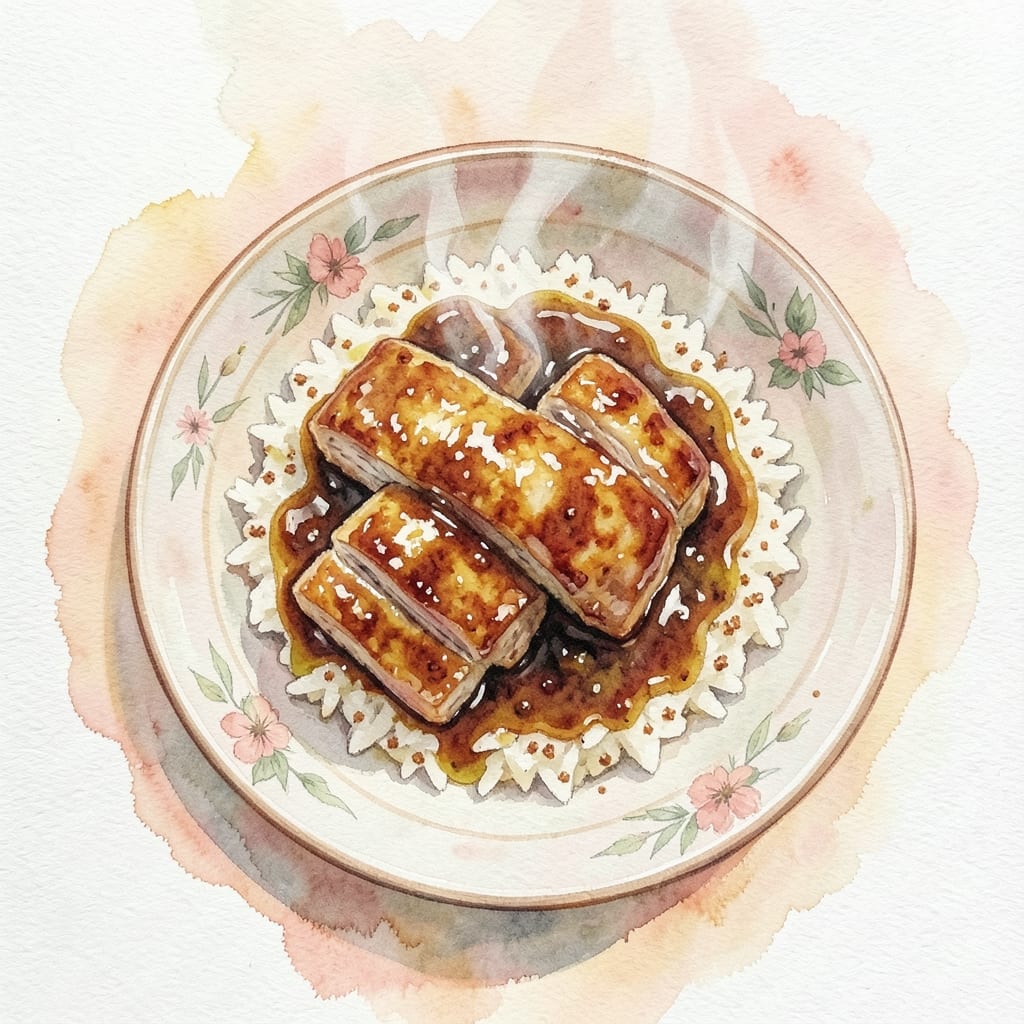
This BBQ pork stir fry recipe delivers the perfect marriage of smoky, sweet, and spicy flavors in just 20 minutes. After years of perfecting the balance between quick stir-frying and deep BBQ flavor, I've created a method that gives you crispy, caramelized pork bites with a sticky-sauce glaze that's impossible to resist. The secret lies in high-heat searing followed by a fast reduction of the BBQ sauce, locking in those rich flavors while keeping the pork tender.
What makes this recipe truly special is how it transforms simple ingredients into something restaurant-worthy without requiring advanced techniques. We're talking about thinly sliced pork shoulder—affordable, flavorful, and perfect for quick cooking—marinated in a blend of spices that build depth before hitting the wok. The stir-frying process creates those coveted crispy edges while keeping the centers juicy, and the BBQ sauce reduction adds that signature caramelized sweetness that makes this dish so addictive.
By the time you're done, you'll have a plate of golden-brown pork pieces with a glossy, sticky glaze that clings perfectly. The aroma alone will have everyone gathering around your kitchen, and each bite delivers that perfect combination of smoky, sweet, and slightly spicy flavors. This isn't just another stir-fry—it's a dish that bridges two cooking worlds in the most delicious way possible.
The best part? This recipe scales beautifully for any occasion, whether you're feeding a family or hosting a casual gathering. Serve it over steamed rice or with crusty bread to soak up every last bit of that flavorful sauce. Let's get cooking!
Ingredients for bbq pork stir fry
Pork shoulder, smoky BBQ sauce, and a wok's sizzle—this is your shortcut to restaurant-quality flavor.
| Ingredient | Amount | Notes |
|---|---|---|
| Pork Shoulder 🥓 | 1 ½ lb | Thinly sliced against grain |
| Olive Oil 🫒 | 2 tbsp | High smoke point preferred |
| BBQ Sauce 🌶️ | ½ cup | Sweet-smoky variety like Stubb's |
| Brown Sugar 🍯 | 2 tbsp | Light or dark preferred |
| Garlic Cloves 🧄 | 4 cloves | Minced for marinade |
| Fresh Ginger 🌿 | 1 tbsp | Finely grated, peeled |
| Soy Sauce 🥢 | 2 tbsp | Low-sodium preferred |
| Sesame Oil 🫒 | 1 tsp | Toasted for aroma |
| Red Pepper Flakes 🌶️ | ½ tsp | Adjust for heat preference |
| Green Onions 🧅 | 3 whole | Sliced, white and green parts |
| Steamed White Rice 🍚 | 2 cups | Cooked, for serving |
| Cornstarch 🌾 | 1 tbsp | For crispy coating |
| Salt 🧂 | 1 tsp | Kosher or sea salt |
| Black Pepper 🌶️ | ½ tsp | Freshly ground |
The pork shoulder is non-negotiable for that melt-in-your-mouth texture. Ask your butcher to slice it paper-thin against the grain—this is the secret to tender bites. If you can't find pre-sliced, grab a Costco or Whole Foods rotisserie-style pork shoulder and slice it yourself. Look for good marbling, and if it's frozen, thaw it overnight in the fridge. The cornstarch coating is what creates those crispy edges—don't skip it, even if you're in a rush. For the BBQ sauce, Stubb's or Sweet Baby Ray's are my go-tos, but any sweet-smoky variety works. Pro tip: reduce the sauce slightly before using to intensify the flavor.
No pork shoulder? Pork tenderloin works in a pinch, but slice it even thinner. Running out of sesame oil? Toasted peanut oil gives a similar nutty depth. The ginger can be swapped for 1 tsp ground ginger, though fresh is always better. If your BBQ sauce is too thin, simmer it with 1 tbsp brown sugar for 5 minutes to thicken it up. The green onions add freshness—use scallions if that's what you've got, but don't skip them entirely. For extra heat, add 1/4 tsp cayenne pepper to the marinade. And if you're feeling fancy, finish with a drizzle of chili oil right before serving.
This dish reheats beautifully—just toss the pork with a splash of water and warm through. Keeps for 3 days in the fridge, though it's best served fresh. For meal prep, store the sauce and pork separately and toss together when ready to eat. The rice? Cook a big batch and freeze extras—it's perfect for lunches all week. Leftovers? Double the recipe and freeze half for lazy weeknights. Trust me, you'll be grateful when you're craving that smoky-sweet flavor later.
Why You'll Love This Recipe
- One-Pan Magic: I swear by this for lazy nights—the pork shoulder gets tender in its own juices while the garlic and BBQ sauce caramelize right in the pan. No extra bowls, no extra stress, just one sheet pan that’s basically foolproof.
- Sweet-Savory Crunch: That brown sugar in the BBQ sauce? It’s the secret weapon—it turns the pork into sticky, slightly crispy perfection with every bite. Honestly, the first time I tasted it, I grabbed the pan and ate straight from it.
- Leftover Goldmine: Between us, this recipe doubles as my go-to for meal prep. The flavors only get better the next day, and it reheats like a dream—great for lunchboxes or when you’re too tired to cook again.
- Budget-Friendly Feast: Pork shoulder is cheap, but it feels like a splurge. A single cut feeds four, and the BBQ sauce stretches across multiple meals. Plus, the garlic and olive oil? Pantry staples that make everything taste like you put in effort.
Step-by-step instructions for wok-seared pork with sweet-spicy glaze
This stir fry delivers restaurant-quality texture—crispy edges, tender pork, and a glossy glaze that clings perfectly.
Prep the Pork for Maximum Crispiness
Slice the 1.5 lb pork shoulder thinly against the grain into ¼-inch thick strips. This ensures tender bites that cook quickly. Pat each strip dry with paper towels—moisture prevents that coveted wok-seared crust. In a medium bowl, toss the pork with 1 tbsp cornstarch, 1 tsp salt, and 0.5 tsp black pepper until evenly coated. Let it rest for 10 minutes while you prep the marinade—this gives the cornstarch time to form a crispy barrier.
Here's the thing—cornstarch is your secret weapon. It creates that irresistible crunch while keeping the pork juicy inside. Don't skip this step, even if it feels like too much. Trust me, the texture difference is night and day.
Marinate for Flavor Infusion
In a small bowl, whisk together 0.5 cup BBQ sauce, 2 tbsp brown sugar, 2 tbsp soy sauce, 1 tbsp finely grated fresh ginger, 4 cloves minced garlic, and 0.5 tsp red pepper flakes. Pour this marinade over the cornstarch-coated pork and toss gently to coat. Let it marinate for at least 15 minutes (30 minutes if you can wait)—this allows the flavors to penetrate deeply.
The brown sugar in the marinade caramelizes during cooking, creating that beautiful glossy glaze. The ginger and garlic mingle with the smoky BBQ sauce to build layers of flavor. I know it seems like too much sugar, but it balances perfectly with the savory pork and spicy kick.
Wok-Sear for Perfect Texture
Heat 2 tbsp olive oil in a wok or large skillet over high heat until shimmering. Add half the pork in a single layer—don't crowd the pan. Let it sear undisturbed for 2-3 minutes until the edges turn deep golden brown and crispy. Stir and repeat with the remaining pork, working in batches if needed. The pork should cook through in 3-4 minutes total—it's done when the internal temperature hits 145°F. Transfer to a plate and tent with foil to keep warm.
This high-heat searing creates the signature crispy texture. If you see steam instead of smoke, your pan isn't hot enough—let it get properly screaming hot before adding pork. The cornstarch will give you that satisfying crunch, but the high heat is what makes it truly irresistible.
Finish with the Glossy Sauce
Reduce heat to medium-high and add 1 tsp sesame oil to the same wok. Pour in any accumulated juices from the pork, then add the sliced 3 whole green onions. Let everything sizzle for 30 seconds until fragrant. Return the pork to the wok and toss to coat in the sesame oil and juices. Cook for 1-2 minutes until everything is heated through and the pork is fully glazed.
The sesame oil adds that final aromatic punch while the green onions brighten the dish. This step ensures every bite gets that perfect balance of crispy pork, sweet-spicy glaze, and fresh onion. Taste and adjust seasoning if needed—you might want to add a splash more BBQ sauce if it's too dry.
Serve Over Steamed Rice
Spoon the wok-seared pork and glaze over 2 cups steamed white rice, dividing evenly among 4 servings. Garnish with additional sliced green onions if desired. Serve immediately while the pork is still crispy—this dish tastes best straight from the wok when the textures are at their peak.
Each bite should deliver that perfect contrast: crispy edges that give way to tender pork, all coated in that glossy, slightly sticky glaze. The rice soaks up any remaining sauce, making every mouthful satisfying. Don't wait to eat it—crispiness fades fast once removed from the heat.
Pro Tips For Making Bbq Pork Stir Fry
- CRISP THE PORK FIRST: Thinly slice your pork shoulder before cooking—no thicker than ¼-inch—or it’ll turn rubbery. I learned this the hard way: thick slices hide raw centers even when the outside looks done. A sharp knife and a steady hand make all the difference.
- GARLIC: MINCE IT SMALL: Chop those garlic cloves into tiny pieces—almost like a paste—so they dissolve into the sauce instead of sitting as chewy bits. I used to leave them whole, and they’d just burn or stay crunchy. Trust me, your stir-fry deserves that silky texture.
- SAUCE IN STAGES: Don’t dump all the BBQ sauce at once—start with half, let it caramelize for 30 seconds, then add the rest. This prevents a watery mess and lets the pork absorb the smoky flavor. I used to rush it, and the dish always tasted flat.
- SWEETEN IT LATE: Stir in the brown sugar after the pork is mostly cooked—it’ll melt faster and create a glossy glaze. Add it too early, and it burns before the pork finishes. I now keep a small bowl of sugar nearby to toss in at the very end.
Pro cooking tips for this recipe
High-Heat Searing Secrets
Your wok or skillet needs to be screaming hot—think smoke curling up from the pan—before adding pork. I use a 14-inch carbon steel wok heated for 5 minutes on high before testing with a drop of water (it should sizzle violently). This creates the Maillard reaction that gives those irresistible crispy edges. If your pan isn't hot enough, you'll end up with steamed pork instead of wok-seared perfection. 🔥
Cornstarch Crunch Hack
The 1 tbsp cornstarch coating transforms tender pork into crispy bites, but timing matters. Toss the pork with cornstarch and let it rest 10 minutes before cooking—this allows the starch to form a dry, crispy barrier. I like to use Bob's Red Mill cornstarch because it's fine and absorbs well. For extra crunch, add ½ tsp baking powder to the cornstarch mix—it creates even more lift during cooking.
Marinade Magic
Don't rush the 15-30 minute marinade—this is where the flavors meld. The brown sugar caramelizes during cooking, creating that glossy glaze, while the ginger and garlic infuse the pork with aromatic depth. I sometimes add 1 tsp fish sauce to the marinade for umami richness, especially if I'm using a mild BBQ sauce. The longer it marinates, the more tender and flavorful the pork becomes.
Batch Cooking Wisdom
Work in two batches maximum to avoid crowding the pan—this ensures even cooking and prevents steaming. After searing the first batch, keep it warm on a plate while you cook the second. If your pork releases too many juices, strain them through a fine-mesh sieve before using to reduce splatter. I keep a small bowl nearby to catch these precious juices—they're packed with flavor for the final glaze. 💡
Sauce Reduction Trick
For an extra-thick glaze, reduce your BBQ sauce before using it. Simmer ½ cup BBQ sauce with 1 tbsp brown sugar in a small saucepan over medium heat for 5-7 minutes until it thickens slightly. This intensifies the smoky-sweet flavor and creates a more cohesive glaze. I also add ½ tsp rice vinegar to balance the sweetness if the sauce is too heavy.
Final Crispy Boost
Just before serving, transfer the pork to a clean plate and return the wok to high heat. Add 1 tsp neutral oil and swirl to coat, then toss the pork back in for 30 seconds. This final sear reactivates the cornstarch, giving you that perfect restaurant-style crunch. The aroma alone will have everyone at the table salivating. Serve immediately while the pork is at its crispiest! ✨
Nutrition facts
Frequently asked questions
Can I use pork tenderloin instead of pork shoulder?
Yes, but you'll need to adjust the prep! Pork tenderloin is leaner and cooks faster, so slice it ⅛-inch thick (half the thickness of shoulder) and reduce cooking time to 2 minutes per side. The cornstarch trick still works, but tenderloin benefits from a 10-minute marinade max to prevent overcooking. For extra tenderness, add 1 tsp honey to the marinade to balance the lean protein.
How do I prevent the pork from getting tough?
Three key moves: Slice against the grain (never with it!), use high heat for quick cooking (3-4 minutes total), and don't overcrowd the pan. The cornstarch coating also protects tenderness by creating a barrier. If your pork feels dry, it likely cooked too long—next time, reduce heat slightly or work faster batches.
Can I make this recipe without a wok?
Use a cast-iron skillet or stainless steel pan—just make sure it's screaming hot before adding pork. A 12-inch nonstick pan works too, though cornstarch may stick slightly. The key is maintaining high heat to get that crispy texture. If your pan isn't hot enough, you'll lose the signature wok-sear crunch.
What if I don't have BBQ sauce?
Make a quick sub with 2 tbsp ketchup, 1 tbsp soy sauce, 1 tbsp brown sugar, ½ tsp smoked paprika, and ¼ tsp liquid smoke. Simmer for 3 minutes to thicken. For extra depth, add 1 tsp apple cider vinegar to balance sweetness. This DIY version works surprisingly well—just reduce the marinade time to 10 minutes since it's less flavorful.
How do I reheat leftovers without losing crispiness?
Reheat in a dry skillet over medium-high heat for 1-2 minutes per side until just warmed through. Add ½ tsp cornstarch to the pan first for extra crunch. Microwaving kills crispiness—never do it! For saucy leftovers, warm the sauce separately and toss with pork at the end. Store in an airtight container with parchment paper between layers to preserve texture.