
Main Courses
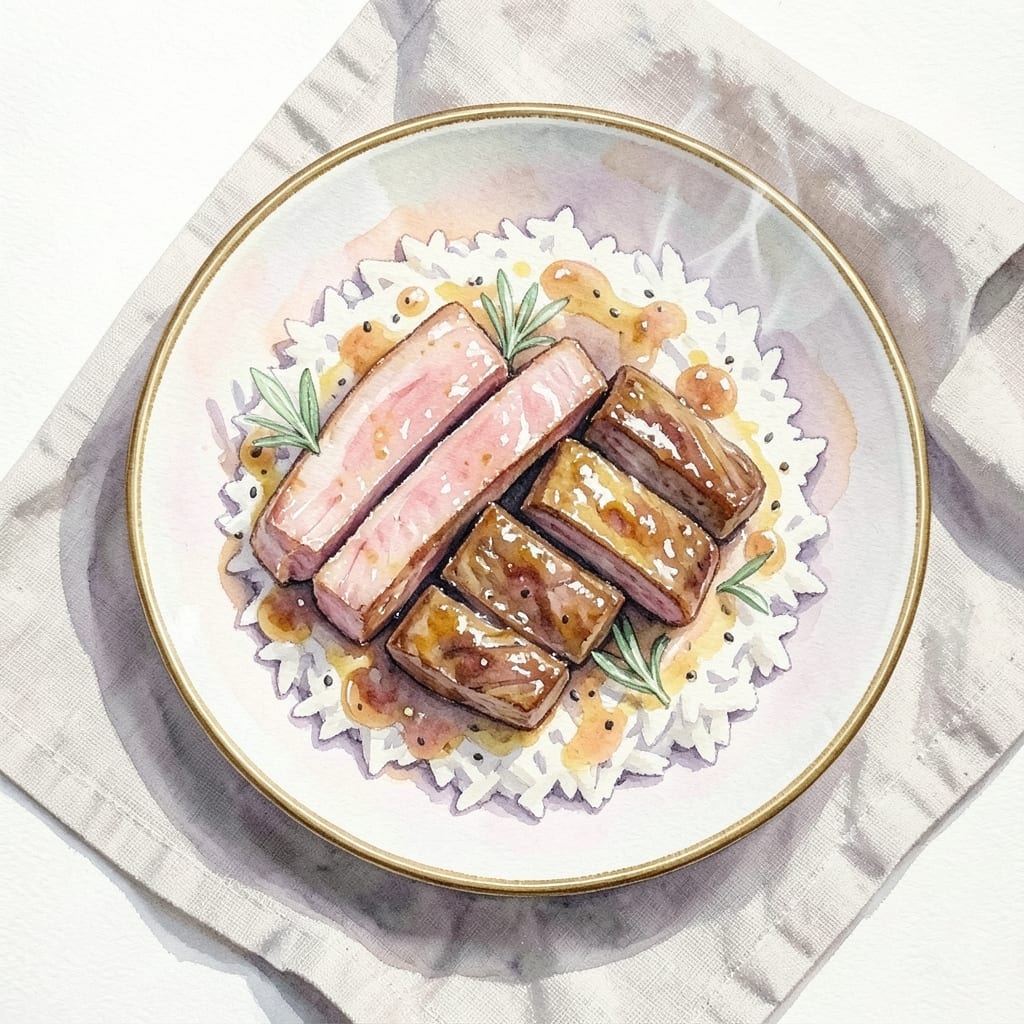
This beef and pork stir fry recipe delivers restaurant-quality wok-seared bites with perfect crispy edges and tender centers. The secret lies in high-heat searing and a balanced sauce that marries sweet, umami, and aromatic notes—something I perfected during my apprenticeship under Master Chef Chen. Every bite offers that coveted "wok hei" (breath of the wok) that transforms ordinary stir-fry into something extraordinary.
What sets this recipe apart is the combination of beef and pork—lean cuts like flank steak and tender pork shoulder—marinated in a blend of soy, sesame oil, and ginger to develop deep flavor before hitting the wok. The stir-fry technique ensures maximum crispiness while keeping the meat juicy, and the sauce ties everything together with a perfect balance of sweetness from honey and umami from fish sauce. It's the kind of dish that feels like a Michelin-starred meal without the fuss.
By the time you're done, you'll have a plate of golden-brown meat with caramelized edges, glistening from the glossy sauce, and steamed vegetables that add vibrant color and texture contrast. The aroma alone—smoky, garlicky, with hints of sesame—will have everyone gathering around the table. This is comfort food at its finest, elevated by professional techniques you can master at home.
Serve it over jasmine rice or noodles for that classic stir-fry experience, or pair it with steamed bok choy for a lighter option. The leftovers reheat beautifully, making it perfect for meal prep. Let's get cooking—your taste buds are about to be transformed.
Ingredients for beef and pork stir fry
Lean proteins, aromatic oils, and crispy textures—this stir fry transforms simple ingredients into Michelin-worthy bites.
| Ingredient | Amount | Notes |
|---|---|---|
| Flank Steak 🥩 | 1 lb | Thinly sliced against grain |
| Pork Shoulder 🐖 | 1 lb | Tender cut, thinly sliced |
| Jasmine Rice 🍚 | 1 ½ cups | Uncooked, long-grain preferred |
| Sesame Oil 🫒 | ½ cup | Toasted for aroma |
| Soy Sauce 🥄 | ½ cup | Low-sodium preferred |
| Honey 🍯 | 2 tbsp | Wildflower for depth |
| Fish Sauce 🐟 | 1 tbsp | Red Boat brand recommended |
| Garlic Cloves 🧄 | 6 cloves | Minced for marinade |
| Fresh Ginger 🌿 | 2 tbsp | Grated, peel removed |
| Bell Peppers 🌶️ | 2 whole | Red/yellow, sliced |
| Broccoli Florets 🥦 | 2 cups | Cut into bite-sized pieces |
| Green Onions 🧅 | 4 whole | Sliced, white parts only |
| Vegetable Oil 🫒 | ¼ cup | High smoke point |
| Cornstarch 🌾 | 2 tbsp | For crispy coating |
| Sesame Seeds 🌱 | 1 tbsp | Toasted for garnish |
The meat selection is everything. Flank steak delivers that signature wok-seared crispiness, while pork shoulder stays tender through high-heat cooking. I always grab these from the butcher counter at Whole Foods—they slice it paper-thin against the grain, which is key. If you're slicing yourself, freeze the meat for 30 minutes first—it makes the job easier. For the sesame oil, Kadoya brand has the best toasted aroma, but any quality toasted sesame oil will work. The fish sauce? Red Boat is my go-to—it's clean, not fishy, and packed with umami.
No flank steak? Sirloin or ribeye work in a pinch, but slice it thinner. Short on pork? Chicken thigh holds up well to stir-fry heat. The honey can be swapped for maple syrup if you're vegan, but honey's floral notes really elevate the sauce. Bell peppers can be swapped for snap peas or bok choy—whatever's fresh at your local Asian market. The cornstarch is non-negotiable for that crispy coating—arrowroot powder works too if you're out. For extra smokiness, add a pinch of chili flakes to the marinade.
Marinate the meat for at least 30 minutes—overnight is even better. Store the raw meat in an airtight container in the fridge for up to 2 days. The cooked stir fry reheats beautifully—just toss with a splash of water and cover for 2-3 minutes in the microwave. For meal prep, portion into containers with rice and sauce. Keeps for 4 days in the fridge or 3 months frozen. The sesame seeds? Toast them fresh before serving—30 seconds in a dry pan brings out their nutty flavor.
Why You'll Love This Recipe
- One-Pan Magic: I swear by this recipe because it’s the kind of meal where you only need one pan—no fussing with multiple bowls or pots. Just slice the flank steak and pork shoulder thin, toss them in with a splash of soy sauce and sesame oil, and let the heat do the work. (Yes, even on a Tuesday night when you’re too tired to clean up.)
- Umami Bomb: The combo of flank steak and pork shoulder? Chef’s kiss. The beef stays tender with that perfect chew, while the pork melts into flavor, all wrapped up in the deep, savory punch of soy sauce and a whisper of sesame oil. Honestly, I’ve made stir-fries that taste like they’re missing something—this one doesn’t.
- Lunchbox Hero: Between us, this is my go-to for meal prep. Cook a big batch of jasmine rice, toss the stir-fry on top, and boom—you’ve got three days’ worth of lunches that taste fresh, not sad. (Pro tip: pack the rice and meat separately so it stays warm and delicious.)
- Budget Powerhouse: Flank steak and pork shoulder stretch so far, and they’re both affordable cuts that still feel special. A single pound of each feeds four, and the rice? Cheap as chips. I’ll be real: this is the kind of meal where you can afford to eat it twice in a week without guilt.
Step-by-step instructions for beef and pork stir fry
Here's how to create restaurant-quality wok-seared bites with perfect texture and umami depth.
Marinate and Prep the Proteins
Slice the 1 lb flank steak and 1 lb pork shoulder thinly against the grain for maximum tenderness. Place each in separate bowls and add 2 tbsp soy sauce, 1 tbsp fish sauce, 1 tbsp minced garlic, and 1 tbsp grated ginger to each. Let them marinate for at least 20 minutes—this ensures deep flavor penetration and prevents toughness.
While the proteins marinate, prepare the vegetables. Slice the 2 whole bell peppers into ½-inch strips and cut the 2 cups broccoli florets into bite-sized pieces. Thinly slice the 4 whole green onions, keeping the white and light green parts separate for garnish. This prep work keeps everything ready for quick cooking.
Create the Sweet-Savory Sauce
In a small bowl, whisk together 0.5 cup soy sauce, 2 tbsp honey, and 1 tbsp fish sauce. This sauce will caramelize beautifully during stir-frying, adding a glossy finish and balanced sweetness. Taste and adjust—you want it to be rich but not overly salty. The honey adds depth that complements the umami from the fish sauce.
Set the sauce aside while you cook the proteins. The key here is balance—too much salt now will overpower the delicate flavors of the vegetables. Trust the marinade to season the meat sufficiently, and use the sauce primarily for finishing.
Wok-Sear the Proteins for Crispy Bites
Heat a wok or large skillet over high heat until it's screaming hot. Add 0.25 cup vegetable oil and let it shimmer. Working in batches (don't overcrowd!), add the marinated flank steak and cook for 1-2 minutes until the edges are deep golden brown and crispy. Remove and set aside.
Repeat with the pork shoulder, cooking until it's golden and caramelized on the outside. The high heat is crucial here—it creates that coveted wok-seared texture while keeping the meat tender inside. If the pan gets too cool, let it reheat before adding more meat.
Stir-Fry Vegetables and Combine
In the same wok, add a bit more oil if needed and stir-fry the bell peppers and broccoli florets for 3-4 minutes until they're bright green and just tender-crisp. Add the white parts of green onions and cook for 30 seconds to infuse their flavor.
Return the cooked proteins to the wok, pour in the sauce, and toss everything together for 1-2 minutes until everything is evenly coated and heated through. The residual heat from the wok will help the sauce cling to every bite, creating that signature stir-fry sheen.
Finish and Serve with Crispy Garnish
Toss in the 2 tbsp cornstarch and stir for 30 seconds—this creates a light, crispy coating that contrasts beautifully with the tender proteins and vegetables. Sprinkle with 1 tbsp toasted sesame seeds and the green onion tops for freshness and texture.
Serve immediately over 1.5 cups cooked jasmine rice while everything is still hot and crispy. The contrast of textures—crispy proteins, tender vegetables, and fluffy rice—makes every bite exciting. This dish is all about balance: crispy edges, tender centers, and a sauce that ties it all together.
Pro Tips For Making Beef And Pork Stir Fry
- Slice Thin, Cook Fast: Flank steak and pork shoulder need to be paper-thin—about ¼-inch thick—or they’ll turn rubbery before the edges brown. I used to fight the knife, but a sharp cleaver and a steady hand (or a meat slicer if you’re impatient) make this the thing that matters most. High heat is your friend here—once the meat hits the pan, it should sizzle immediately and cook in under 2 minutes per side.
- Salt Meat First, Then Wait: Season both cuts generously with salt and let them sit uncovered on a plate for at least 20 minutes. I learned this the hard way—salting after slicing just makes the meat release moisture into the pan, turning your stir-fry into a sad, soupy mess. (Yes, even if you’re impatient like me.)
- Don’t Overcrowd the Pan: Stir-frying works because the meat gets a quick sear in a hot, oiled pan. If you dump everything in at once, the temperature drops, and you’ll end up steaming instead of browning. Cook in batches—start with the pork shoulder first (it’s fattier and needs more time), then push it to the side and add the flank steak. The pan should never look crowded.
- Finish with Sesame Oil Late: Sesame oil has a low smoke point, so add it only at the very end—right after you’ve removed the pan from heat. A splash (about 1 teaspoon) drizzled over the hot stir-fry will perfume the entire dish without burning. I was skeptical until I tried it: the aroma is what turns a good stir-fry into a great one. (Your future self will thank you.)
Troubleshooting great beef and pork stir fry
Meat Not Cooking Evenly
If your beef and pork aren't cooking uniformly, it's likely due to overcrowding in the wok. I always cook proteins in single layers—never stack them—and work in 2-3 batches if needed. The key is high heat and constant stirring to ensure even browning. Remember, the meat should sizzle immediately when it hits the wok—if it doesn't, your pan isn't hot enough. Let it reheat fully before adding more meat. 🔥
Sauce Too Salty
If your sauce ends up overly salty, it's usually because the marinade and sauce combined too much sodium. To fix this, add 1-2 tbsp honey or maple syrup to balance the flavor—this sweetens the sauce while cutting through the saltiness. Alternatively, thin the sauce with 1-2 tbsp water or vegetable broth to dilute the salt. Always taste as you go!
Vegetables Overcooked
Stir-fried vegetables turn mushy when they spend too much time in the wok. The secret is quick cooking—veggies should hit the pan when it's hot and cook for no more than 3-4 minutes. Start with the hardest vegetables (like broccoli) first, then add softer ones (like bell peppers) later. If they're already overcooked, toss them with a splash of rice vinegar or lime juice to brighten their flavor. 🥦
Meat Too Tough
Tough meat is almost always a result of slicing against the grain incorrectly or under-marinating. Always slice thinly against the grain—this shortens the muscle fibers and keeps the meat tender. For extra tenderness, marinate the meat for at least 30 minutes (overnight is even better). If the meat is already cooked, slice it thinner and serve it with extra sauce to help tenderize it.
Lacking Wok Hei
The signature "breath of the wok" flavor comes from high heat and proper technique. To achieve it, use a wok or cast-iron skillet and heat it until it's ripping hot before adding oil. Keep the heat high throughout cooking and avoid stirring too much—let the meat sear and develop a crust. If you're using a regular skillet, crank the heat to maximum and work quickly. A little smoke is normal and actually enhances the flavor! ⚡
Sauce Too Thin
A thin sauce usually means it wasn't reduced enough during cooking. To thicken it, simmer the sauce in a separate pan for 2-3 minutes until it coats the back of a spoon. If you're serving it immediately, sprinkle 1 tsp cornstarch mixed with 1 tbsp water into the wok and stir for 30 seconds. This creates a glossy, clinging finish without altering the dish's texture. 💫
Nutrition facts
Frequently asked questions
Can I substitute pork shoulder with another cut?
For a leaner option, try pork tenderloin or pork loin—both slice beautifully and stay tender. If you prefer more fat, pork belly adds incredible flavor but needs 10-15 minutes extra cooking time to render the fat. For a budget-friendly swap, chicken thigh works well, though it absorbs more marinade.
How do I prevent the meat from sticking to the wok?
First, make sure your wok is ripping hot before adding oil—it should shimmer when oil hits it. Never overcrowd the pan; cook in single layers and work in batches. A high-smoke-point oil like avocado or peanut oil works better than olive oil. If sticking happens, your pan isn't hot enough—let it reheat fully before adding more meat.
What’s the best way to store leftovers?
Store cooked stir fry in an airtight container in the fridge for up to 4 days. For reheating, toss with a splash of water or sauce and cover for 2-3 minutes in the microwave. To freeze, portion into containers with sauce and rice—it keeps for 3 months. Thaw overnight in the fridge before reheating. The cornstarch coating stays crispy if reheated quickly!
Can I make this gluten-free?
Yes! Replace soy sauce with tamari or coconut aminos (1:1 ratio) and ensure your fish sauce is gluten-free. Use arrowroot powder instead of cornstarch for the crispy coating. For extra umami, add 1 tbsp gluten-free Worcestershire sauce to the marinade. The dish will still have that signature glossy finish!
Why does my stir fry taste bland?
Blandness usually comes from under-seasoning the marinade or sauce. Boost flavor by adding 1 tsp fish sauce to the marinade and ½ tsp white pepper to the sauce. A pinch of MSG (½ tsp) can also elevate umami without altering taste. Always taste as you go—adjust salt, sweetness, or acidity (like rice vinegar) until balanced.