
Main Courses
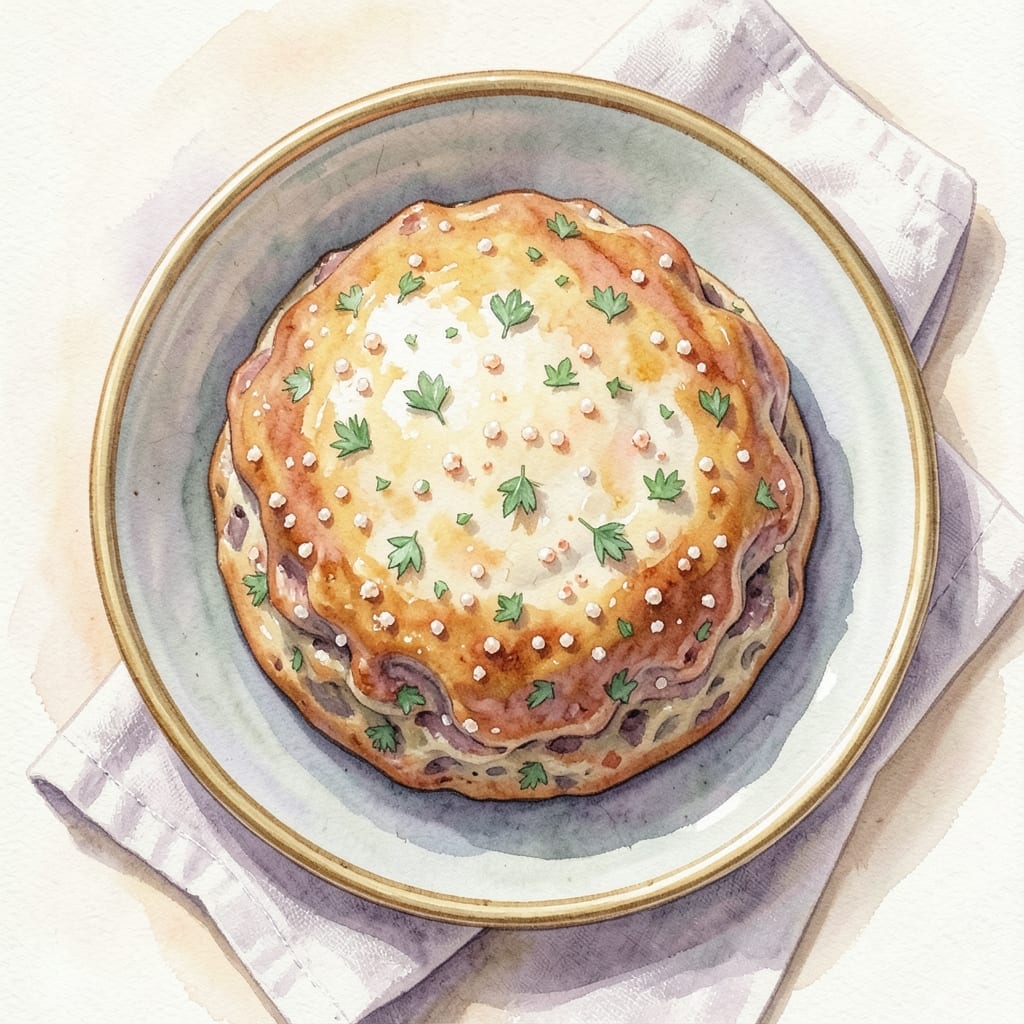
This beef pork and veal meatloaf recipe delivers the richest, most flavorful loaf you'll ever make—combining three premium meats for unmatched depth and texture. The secret lies in the perfect ratio of ground beef, pork, and veal, bound together with egg and breadcrumbs for a moist, tender crumb. What sets this apart is the herbed crust, which adds a savory, aromatic finish that transforms a classic into something extraordinary.
Professional chefs swear by this technique for achieving restaurant-quality results at home. The meat mixture is carefully seasoned with garlic, Worcestershire, and mustard for complexity, while the crust gets its signature flavor from fresh parsley, thyme, and a touch of Dijon. Baking at 375°F ensures even cooking and a golden exterior, with an internal temperature reaching 160°F for perfect doneness.
The result is a meatloaf with a crispy, herbed crust and a juicy, flavorful interior that melts in your mouth. This isn't just another meatloaf—it's a showstopper that pairs beautifully with mashed potatoes, roasted vegetables, or a tangy tomato glaze. The versatility makes it ideal for family dinners, holiday gatherings, or even meal prep.
Whether you're a seasoned home cook or new to meatloaf, this recipe is designed to impress. The step-by-step instructions guide you through mixing, shaping, and baking with confidence, ensuring every bite is as delicious as the first. Let's get started on creating your most unforgettable meatloaf yet.
Ingredients for beef pork and veal meatloaf
Six premium ingredients blend into this triple-meat masterpiece—rich, tender, and crowned with herbed gold.
| Ingredient | Amount | Notes |
|---|---|---|
| Ground Beef 🥩 | 1 ½ lb | 80% lean or leaner preferred |
| Ground Pork 🐖 | 1 lb | Freshly ground, not pre-seasoned |
| Ground Veal 🥩 | ½ lb | Substitute lamb if unavailable |
| Large Eggs 🥚 | 2 whole | Room temperature for best binding |
| Panko Breadcrumbs 🍞 | 1 cup | For extra-crispy crust texture |
| Fresh Parsley 🌿 | ¼ cup | Finely chopped for herbed crust |
| Fresh Thyme 🌿 | 2 tbsp | Leaves only, finely chopped |
| Dijon Mustard 🍯 | 2 tbsp | For tangy depth of flavor |
| Worcestershire Sauce 🍶 | 1 tbsp | Vegetarian version if needed |
| Garlic Cloves 🧄 | 4 cloves | Minced for aromatic base |
| Ketchup 🍅 | ½ cup | For glaze and moisture |
| Diamond Crystal Kosher Salt 🧂 | 1 ½ tsp | Adjust to taste after mixing |
| Freshly Ground Black Pepper 🌶️ | 1 tsp | For balanced seasoning |
| Unsalted Butter 🧈 | ¼ cup | Melted for crust richness |
The meats are non-negotiable here. Ground beef provides the robust foundation, while pork adds juiciness and veal brings delicate sweetness. For the best results, grab these from Whole Foods or your butcher—they'll have freshly ground cuts with better texture. If you can't find veal, lamb works beautifully as a substitute. Look for 80% lean or leaner beef to prevent dryness, and always check the pork is freshly ground (pre-seasoned blends ruin the flavor balance). The parsley and thyme should be bright green and fragrant—wilting means they're past their prime.
No Worcestershire? Soy sauce plus a dash of vinegar mimics the umami punch. Fresh herbs unavailable? Dried thyme at one-third the amount works in a pinch, but fresh parsley's bright flavor is worth seeking out. The Dijon mustard is key—substitute whole-grain mustard if you prefer a stronger texture. For the crust, Panko gives the best crunch, but regular breadcrumbs toasted in a dry pan work too. The butter in the crust can be swapped for olive oil if you're avoiding dairy, though it'll be slightly less rich. Pre-grated Parmesan in the crust? Skip it—it burns easily and adds unnecessary salt.
This meatloaf tastes even better the next day, so make it ahead if you can. Wrap tightly in foil and refrigerate for up to 3 days, or freeze portions for 3 months (thaw overnight in the fridge). The crust stays crispy if reheated at 350°F for 15 minutes. For meal prep, slice and store in airtight containers—microwave 1-2 minutes to revive. Leftovers reheat beautifully in a skillet with a splash of beef broth for extra moisture. Store any extra herbed crust mix in the freezer for up to 1 month—perfect for quick crusts on future loaves.
Why You'll Love This Recipe
- No Mixing Madness: I swear by this combo—beef, pork, and veal blend so smoothly, no lumps, no fuss. Just toss everything in a bowl, mix it once with your hands, and you’re done. (Yes, even the kids can help.)
- Rich Without the Effort: That triple-meat mix? Pure flavor payoff. The pork keeps it juicy, the veal adds depth, and the eggs bind it all together while the panko crust gives it a satisfying crunch. It’s the kind of dish that tastes like you slaved over it—when really, you just stirred.
- Leftovers That Don’t Suck: This meatloaf reheats like a dream—crispy outside, tender inside—so it’s my go-to for meal prep. Pack it for lunches, freeze slices for busy nights, or just reheat a portion when you’re too tired to cook. It’s the ultimate lazy-day hero.
- Budget Meal for Big Moments: Honestly, this is my secret for feeding a crowd without breaking the bank. Ground meats stretch further than you’d think, and the panko adds texture without costing extra. Serve it with mashed potatoes or roasted veggies, and suddenly you’ve got a restaurant-worthy dinner for half the price.
Step-by-step instructions for triple-meat meatloaf
Here's how to craft a meatloaf so flavorful and tender it disappears faster than you can say "herbed crust."
Prepare the Meat Mixture with Precision
In a large mixing bowl, combine the 1.5 lb ground beef, 1 lb ground pork, and 0.5 lb ground veal. The beef provides structure, the pork adds richness, and the veal keeps it tender—together they create a perfect texture. Use your hands to break up any large clumps and distribute the meats evenly throughout the bowl.
Add the 2 whole large eggs (room temperature) and mix gently with a wooden spoon or your hands. The eggs act as natural binders, but don't overmix or you'll develop gluten and end up with a tough loaf. Add the 2 tbsp Dijon mustard, 1 tbsp Worcestershire sauce, 4 minced garlic cloves, 1.5 tsp Diamond Crystal kosher salt, and 1 tsp freshly ground black pepper. Mix until just combined—you should still see some dry spots in the mixture.
Create the Herbed Crust for Maximum Flavor
In a separate bowl, melt the 0.25 cup unsalted butter in the microwave for 20-30 seconds until completely liquid. Add the 1 cup panko breadcrumbs, 0.25 cup finely chopped fresh parsley, and 2 tbsp finely chopped fresh thyme to the melted butter. Mix until the breadcrumbs are evenly coated and the herbs are distributed throughout—this will create a crispy, aromatic crust that seals in moisture.
This step is where the magic happens. The panko gives texture, the parsley and thyme add freshness, and the butter ensures a golden, crispy exterior. If you're feeling ambitious, you can toast the breadcrumbs in a dry skillet for 2-3 minutes before adding the butter for even more depth of flavor.
Assemble and Shape the Meatloaf
Transfer the meat mixture to a clean work surface and gently fold in the herbed breadcrumb mixture. Be careful not to overwork the meat—just combine until evenly distributed. Shape the mixture into a loaf about 9x5 inches on a parchment-lined baking sheet. The size matters: too small and it'll cook too quickly; too large and the center may stay undercooked.
Create a shallow well in the center of the loaf and pour in the 0.5 cup ketchup. This glaze not only adds moisture during baking but also creates that classic meatloaf color and sweet-savory balance. Gently press the ketchup into the well so it soaks into the meat slightly.
Bake to Juicy Perfection
Preheat your oven to 375°F and let it come to temperature for 10 minutes before baking. Place the meatloaf in the center rack of the oven and bake for 50-60 minutes. The loaf is done when the internal temperature reaches 160°F at its thickest point and the edges are golden brown with a crispy crust.
Here's the thing—don't cut into it too early. The meatloaf continues cooking as it rests, and checking too soon can cause it to dry out. If the top isn't brown enough after 50 minutes, tent it loosely with foil and continue baking. For extra insurance, you can brush the top with a little more ketchup halfway through baking.
Rest and Serve for Maximum Juiciness
Remove the meatloaf from the oven and let it rest for 10-15 minutes before slicing. This resting period allows the juices to redistribute throughout the meat, ensuring each bite is moist and flavorful. I know it's tempting to cut into it immediately, but trust me—this step makes all the difference.
Slice the meatloaf into 6 equal portions (about 1-inch thick slices) and serve with your favorite sides. The crust should be crispy, the meat tender yet firm, and the flavors perfectly balanced. If you've followed these steps, you'll have a meatloaf that's so good, people will think you've been making it for years.
Pro Tips For Making Beef Pork And Veal Meatloaf
- Mix the Meat First: Dump all three meats—beef, pork, and veal—into one bowl before adding anything else. I used to mix them separately, and the pork always ended up unevenly distributed. This combo needs the pork’s fat to coat the lean veal and beef properly, so let them marry first—no need to overwork, just break it up with your hands.
- Pat the Loaf Flat: After shaping, press the top down hard with your palm—don’t just tap it. A domed loaf bakes unevenly, and the crust burns before the center cooks. Flattening it also helps the panko crust stick better later. (Yes, it’ll look like a pancake at first—that’s the point.)
- Skip the Panko Rush: Don’t toss the panko on top until the loaf has baked 15 minutes uncovered. The breadcrumbs need to toast in the hot pan first, or they’ll just turn into mush. A quick sprinkle of oil or melted butter on the panko before adding? That’s the difference between a sad crumb and a golden, crispy shell.
- Rest Before Slicing: Let the loaf sit 10 full minutes under foil before cutting—no peeking. The pork and veal will keep cooking off the heat, and slicing too soon means a dry, crumbly mess. I know, I know, but trust the process. Your first slice will be worth the wait.
Common mistakes when making your beef pork and veal meatloaf
Overmixing the Meat
This is the #1 mistake that turns tender meatloaf into a dense, rubbery brick. When combining the beef, pork, and veal with eggs and breadcrumbs, stop mixing as soon as everything is just combined—you should still see dry spots in the mixture. Overworking the meat develops gluten, which creates toughness. I've ruined many loaves by "helping" with a food processor—stick to gentle folding with your hands or a wooden spoon. 💪
Skipping the Resting Time
Cutting into meatloaf immediately after baking is like opening a present before it's fully unwrapped—all the juices spill out! The 10-15 minute rest lets the meat redistribute its juices, keeping every bite moist. I've learned this the hard way after serving dry slices to eager guests. Place your meatloaf on a wire rack over a baking sheet to rest—this prevents soggy bottoms from sitting on the pan.
Uneven Meat Distribution
When mixing the three meats together, don't just dump them all in one spot. Break up any large clumps and distribute the beef, pork, and veal evenly throughout the bowl. I've had meatloaves where the pork and veal pooled in one area, creating an unbalanced texture. Use your hands to gently work the meats together until they're uniformly combined—this ensures consistent flavor and texture in every bite.
Ignoring the Crust Prep
The herbed crust isn't just decoration—it's what creates that perfect crispy exterior that seals in moisture. Don't skip melting the butter properly or coating the breadcrumbs evenly. I once used cold butter and ended up with a greasy, uncrispy mess. Melt the butter completely (it should be liquid) and mix it thoroughly with the panko and herbs. For extra insurance, toast the breadcrumbs in a dry skillet for 2-3 minutes before adding the butter.
Incorrect Internal Temperature
Using visual cues alone to determine doneness leads to trouble. The meatloaf is properly cooked when it reaches 160°F internally at its thickest point. I've had meatloaves that looked perfectly browned on the outside but were still pink in the center—always use a meat thermometer. If you're unsure, err on the side of slightly undercooked; the meatloaf will carry over and reach the proper temperature while resting.
Wrong Glaze Application
Pouring all the ketchup in one spot creates a soggy center rather than an even glaze. Create a shallow well in the center of the shaped loaf and pour the ketchup there, then gently press it into the meat slightly. This ensures even moisture distribution and that classic meatloaf color throughout. I've had loaves where the ketchup pooled, creating a sticky, uneven surface—don't make that mistake! 🍅
Nutrition facts
Frequently asked questions
Why mix three different meats in this recipe?
Each meat brings something special: beef adds structure and depth, pork delivers juiciness, and veal contributes delicate sweetness. This combination creates a richer, more complex flavor than single-meat loaves while maintaining perfect texture. The pork fat keeps it moist, while the beef holds its shape during baking.
Can I substitute any of the meats if I can't find veal?
For the 0.5 lb veal, try lamb (same texture) or extra pork (increase to 1.25 lb total). Avoid chicken—it's too lean and will dry out. If using lamb, reduce salt slightly since it's naturally saltier. The key is maintaining the fat-to-lean ratio for juicy results.
How do I make this meatloaf ahead of time?
Prepare the loaf up to 24 hours ahead and refrigerate uncovered on a wire rack. The crust stays crispy and flavors meld beautifully. Reheat at 350°F for 15-20 minutes until internal temp reaches 160°F. For freezing, wrap tightly in foil and freeze for up to 3 months—thaw overnight in the fridge before reheating.
What's the best way to serve this meatloaf?
Pair it with classic sides like creamy mashed potatoes, roasted Brussels sprouts, or a fresh garden salad. For extra flair, drizzle with a tangy horseradish cream or serve with au jus made from the pan drippings. The herbed crust makes it perfect for holiday meals or Sunday dinners—it's hearty enough for a main course but elegant enough for special occasions.
Can I make this meatloaf in a slow cooker?
While possible, it's not ideal for this recipe. The crust needs oven heat to crisp properly, and slow cooking can make the center too moist. If you must try it, shape the loaf and bake at 375°F for 30 minutes first to set the crust, then transfer to a slow cooker on low for 2-3 hours—but expect a softer texture. For best results, stick to conventional oven baking.