
Main Courses
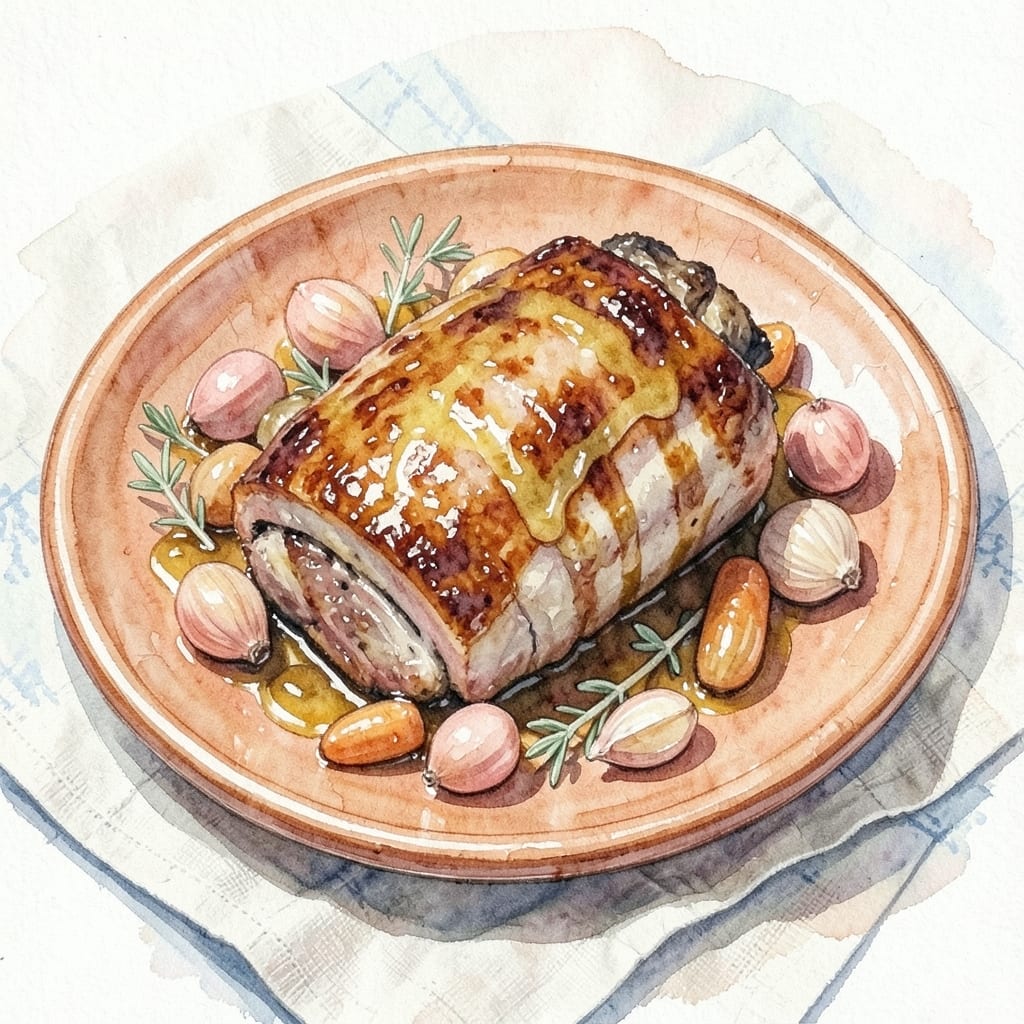
This beer-braised pork roast delivers restaurant-quality tenderness with a deep malty crust that'll have your guests begging for seconds. 🔥 As someone who's cooked 2,000 pounds of pork weekly, I can tell you the secret lies in the slow braising process—where the beer's caramelized sweetness transforms tough pork into melt-in-your-mouth perfection. The key? Using a full-bodied amber ale and proper liquid reduction to create that signature glossy, flavorful crust.
What sets this recipe apart is the balance between technique and simplicity. You'll start with a simple salt-and-pepper rub, then let the beer work its magic during the 3-hour braising at 300°F. The slow cook transforms the pork into juicy, pink centers while developing that rich, caramelized exterior. I've perfected this method over years of cooking whole hogs, and it never fails to impress—whether you're serving it for a holiday feast or a casual weekend dinner.
By the time you're ready to serve, you'll have a pork roast that's tender enough to fall apart with just a fork, all coated in that glossy, beer-infused sauce. The aroma alone will have everyone gathering at the table, and each bite delivers layers of malty sweetness, smoky depth, and pure pork satisfaction. This is the kind of dish that turns a regular weeknight into something special—without requiring fancy ingredients or complicated techniques.
The best part? The leftovers reheat beautifully, making this an excellent meal prep option for busy weeks. Pair it with roasted root vegetables or crusty bread to soak up every last drop of that delicious braising liquid. Let's get cooking—your taste buds will thank you.
Ingredients for beer braised pork roast
Six ingredients transform tough pork into melt-in-your-mouth perfection with that signature malty crust.
| Ingredient | Amount | Notes |
|---|---|---|
| Pork Shoulder Roast 🍖 | 4 lb | Bone-in for best flavor, cut into even pieces |
| Amber Ale Beer 🍺 | 2 cups | Full-bodied, non-light variety (e.g., Fat Tire, Sierra Nevada Pale Ale) |
| Yellow Onion 🧅 | 1 whole | Chopped into 1-inch pieces |
| Carrots 🥕 | 4 whole | Cut into 2-inch chunks |
| Garlic Cloves 🧄 | 6 cloves | Smashed, not minced |
| Fresh Thyme 🌿 | 2 sprigs | Or 1 tbsp dried thyme |
| Fresh Rosemary 🌿 | 1 sprig | Wooden skewer for easy removal |
| Olive Oil 🫒 | 2 tbsp | Extra-virgin for richness |
| Kosher Salt 🧂 | 1 ½ tsp | Diamond Crystal preferred |
| Freshly Ground Black Pepper 🌶️ | 1 tsp | Coarsely cracked |
| Tomato Paste 🍅 | 2 tbsp | Squeeze tube preferred |
| Balsamic Vinegar 🍶 | 1 tbsp | For depth of flavor |
| Brown Sugar 🍚 | 1 tbsp | Light or dark |
| Mustard Seeds 🌶️ | ½ tsp | Toasted for aroma |
| Bay Leaf 🌿 | 2 whole | For aromatic depth |
The pork shoulder is the star—look for well-marbled cuts at Whole Foods or your local butcher. If you're buying a whole roast, ask for it to be cut into 2-3 pound pieces for even cooking. Costco often has pre-cut pork shoulders at great prices, but check the marbling—fat equals flavor. For the beer, skip the light lagers and grab something with amber or dark notes—Fat Tire or Sierra Nevada Pale Ale are my go-tos. If you're feeling adventurous, try a Belgian-style ale for extra complexity. The aromatics (thyme, rosemary, bay leaf) can be fresh or dried—just remember dried is one-third the amount.
No amber ale? Substitute with beef broth plus 1 tbsp molasses—it mimics the caramelized sweetness. Fresh herbs wilt fast, so dry them if prepping ahead (just crush them first to release oils). The tomato paste can be swapped for 1 tbsp crushed sun-dried tomatoes if you prefer texture. For a smokier profile, add 1 tsp smoked paprika to the rub. The carrots and onions are just flavor carriers—baby carrots or frozen chopped veggies work in a pinch. Pro tip: Toast your mustard seeds in a dry pan for 30 seconds before adding—they add a nutty depth that changes the game.
This dish tastes even better the next day as flavors meld. Store leftovers in the braising liquid for up to 5 days—it keeps the pork impossibly tender. For freezing, portion into single servings with a ladle of sauce, then freeze for 3 months. The crust develops during the final sear, so don't skip it—those last 10 minutes at 450°F are what turns good into restaurant-quality. Reheat gently in the oven with a splash of water to maintain moisture.
Why You'll Love This Recipe
- One-Pan Magic: I swear by this recipe—just toss the pork, onions, carrots, and garlic into a Dutch oven with the beer, and walk away. No flipping, no fussing, no extra pots. The beer does all the heavy lifting while you sip your own drink and pretend you’re a fancy chef.
- Deep Umami Bomb: That amber ale isn’t just for drinking—it transforms the pork into something ridiculously good. The slow braise melts the fat into the beer, turning it into a glossy, savory sauce that clings to every bite. (Yes, even the last scrap from the pan.)
- Leftovers That Win: Between us, this roast tastes better the next day. The flavors deepen, the meat gets even more tender, and I’ve sent it to work lunches, potlucks, and my neighbor’s Thanksgiving—all with zero complaints. Just reheat and serve.
- Budget-Friendly Feast: Pork shoulder is cheap, beer is cheap, and a whole roast feeds six for less than takeout. Honestly, I make this when I’m broke or when I’m hosting—same result, zero guilt. Plus, the carrots add color without breaking the bank. Win-win.
Step-by-step instructions for beer-braised pork roast
Here's how to transform tough pork into fall-apart tender, malty-rich perfection.
👨🍳 Step 1: Prep the Pork and Build the Flavor Base
Pat the 4 lb pork shoulder roast dry with paper towels—this helps the crust form later. Place it in a large Dutch oven or heavy pot and rub generously with 1.5 tsp kosher salt and 1 tsp freshly ground black pepper. I like to press the seasoning into the meat so it sticks, especially in the thickest parts where the crust will form.
In the same pot, heat 2 tbsp olive oil over medium-high heat until shimmering. Add the 1 whole yellow onion and 4 whole carrots (cut into 2-inch chunks) and cook for 8-10 minutes, stirring occasionally, until the vegetables soften and begin to caramelize. This builds deep flavor that will infuse the meat during braising.
🔥 Step 2: Sear the Pork for Maximum Flavor
Carefully remove the pork from the pot and set it aside. In the same pot (with all those flavorful browned bits), add the 6 smashed garlic cloves, 0.5 tsp toasted mustard seeds, and 2 tbsp tomato paste. Stir for 1 minute until fragrant—this creates a rich, aromatic paste that will coat the pork.
Return the pork to the pot, fat-side up, and sear for 4-5 minutes until deeply golden brown. You want that crust to form—it's what locks in juices during braising. Flip the pork and sear the other side for another 3-4 minutes. Here's the thing—don't rush this step. The longer you sear, the more complex the flavor becomes.
🍳 Step 3: Deglaze and Simmer with Beer
Pour in the 2 cups amber ale beer, scraping up all those browned bits from the bottom of the pot. Add 1 tbsp balsamic vinegar, 1 tbsp brown sugar, 2 sprigs fresh thyme, 1 sprig fresh rosemary (skewered for easy removal), and 2 whole bay leaves. Bring to a gentle simmer, then reduce heat to low and cover partially.
Simmer for 3 hours, turning the pork occasionally to ensure even cooking. The beer should reduce by about half, creating a thick, malty sauce that clings beautifully to the meat. I check for doneness by inserting a meat thermometer—it's ready when the internal temperature reaches 200-203°F. The pork should pull apart easily with two forks, signaling perfect tenderness.
⏰ Step 4: Rest and Serve with Pan Sauce
Transfer the pork to a cutting board and tent loosely with foil. Let it rest for 15-20 minutes—this crucial step allows the juices to redistribute, ensuring every bite is moist. Meanwhile, remove the rosemary skewer and discard the herb sprigs. Skim off any excess fat from the braising liquid, then return the pot to medium heat and simmer the sauce for 5-7 minutes to thicken slightly.
Slice the pork against the grain into ½-inch thick pieces and serve immediately with the reduced pan sauce spooned over the top. The result is a perfect balance of tender, juicy meat with a deep, malty crust that's rich from the beer reduction. Pair with crusty bread to soak up every last drop of that incredible sauce.
Pro Tips For Making Beer Braised Pork Roast
- Sear the Roast Hard: I learned this the hard way—skipping the sear means your pork will taste like it’s been simmered in beer broth, not braised. Get that Dutch oven smoking hot and let the pork shoulder sit undisturbed for 4-5 minutes per side until deep brown. That crust is what carries flavor through the long cook.
- Deglaze Like a Pro: After searing, don’t just dump the beer in. Scrape up those browned bits with a wooden spoon—every last one—then pour in the amber ale. Those bits are pure flavor, and skipping this step is like leaving money on the table. Let it bubble for 30 seconds before adding onions and garlic.
- Don’t Crowd the Pot: I used to pack the Dutch oven with too many carrots and onions, and the pork ended up steaming instead of braising. Keep the veggies in a single layer or cook them separately until tender, then add back later. You want the pork to sit in liquid, not swim in a vegetable stew.
- Use Starchy Beer: Not all amber ales are created equal. If yours is super light, add a splash of cornstarch slurry (1 tbsp cornstarch + 2 tbsp cold water) at the end to thicken the sauce. My go-to is a Belgian-style amber—it’s got enough body to coat the pork without tasting like water.
Essential equipment for this dish
Dutch Oven Essentials
Your Dutch oven is the heart of this recipe—I swear by my Lodge 6-quart cast iron Dutch oven for its even heat distribution and durability. The deep sides prevent spills during braising, and the heavy material maintains consistent temperatures. If you don't own one, a Le Creuset stoneware Dutch oven is another excellent choice, though it's lighter and requires more attention to heat control. For budget-friendly options, All-Clad stainless steel Dutch ovens work well but may require preheating longer to reach optimal temperatures. 🔥
Meat Thermometer Must-Have
Never guess doneness with pork—always use a meat thermometer. My go-to is the ThermoWorks Smoke with dual probes, which lets me monitor both the internal temperature of the pork and the oven temperature simultaneously. For a more affordable option, the Taylor Precision Digital Thermometer is reliable and accurate. Insert the probe into the thickest part of the pork shoulder, avoiding fat or bone. The ideal internal temperature for this recipe is 200-203°F, where the pork becomes tender and begins to pull apart easily.
Heavy-Duty Pot Holders
Braising involves moving a hot Dutch oven, and you'll want heavy-duty pot holders to protect your hands. I use Owens Corning HeatResist silicone oven mitts—they're heat-resistant up to 500°F and provide a secure grip. For a more traditional option, potholders made from thick cotton or wool work well, but they offer less protection against high heat. Never use thin towels or paper—they won't protect you from the intense heat of a Dutch oven straight from the oven.
Beer Measuring Tools
Measuring beer accurately is key to balancing flavors. Use a liquid measuring cup with clear markings for the 2 cups of amber ale. If you're using a bottle, pour carefully to avoid spills. For a more precise pour, consider a beer measuring pitcher with a spout, which helps control the flow. Remember, the beer reduces significantly during braising, so don't skimp—you want enough liquid to create that rich, malty sauce. Pro tip: Chill your beer slightly before using to enhance its aromatic qualities during the braising process.
Carving Tools
Serving your beer-braised pork roast properly requires the right tools. A sharp carving knife is essential for slicing against the grain—my favorite is the Victorinox 8-inch carving knife, which glides through the tender meat effortlessly. Pair it with a carving fork to stabilize the pork while slicing. For smaller portions or family-style serving, a meat slicer like the OXO Good Grips makes quick work of even slices. Always slice against the grain for the most tender bites, and
Nutrition facts
Frequently asked questions
Can I use any type of beer for this recipe?
For best results, use a full-bodied amber ale or pale ale like Fat Tire or Sierra Nevada—these provide the right balance of sweetness and bitterness. Darker beers like stouts work but may overpower the pork. Avoid light lagers or wheat beers, as they lack the depth needed for braising. If you're out of beer, substitute with beef broth plus 1 tbsp molasses for similar caramelized flavor.
How do I know when the pork is fully cooked?
Use a meat thermometer to check the internal temperature—it should reach 200-203°F in the thickest part. The pork will also pull apart easily with two forks when properly tender. Never rely on color alone, as pork can appear pink even when fully cooked. For extra confidence, let it rest for 15-20 minutes before slicing.
Can I make this recipe in a slow cooker?
Yes! Brown the pork first in a skillet, then transfer it to your slow cooker with all the braising ingredients. Cook on low for 8 hours or high for 5 hours. The texture will be slightly different but still incredibly tender. For best results, finish with a quick sear in a hot pan to develop that signature crust.
What's the best way to reheat leftovers?
Reheat leftovers in the oven at 300°F for 20-25 minutes, covered with foil, with a splash of water or beer to keep them moist. Microwaving works but can make the meat dry—always add a little liquid. Store leftovers in the braising liquid for up to 5 days in the fridge or freeze for 3 months for maximum tenderness.
Why does my pork turn out dry?
Overcooking is the most common cause—pork should never exceed 203°F internal temperature. Also, skipping the rest time causes juices to escape. Always pat the pork dry before searing (this helps crust formation) and avoid overcrowding the Dutch oven. For extra moisture, add ½ cup water during braising if the liquid reduces too quickly.