
Main Courses
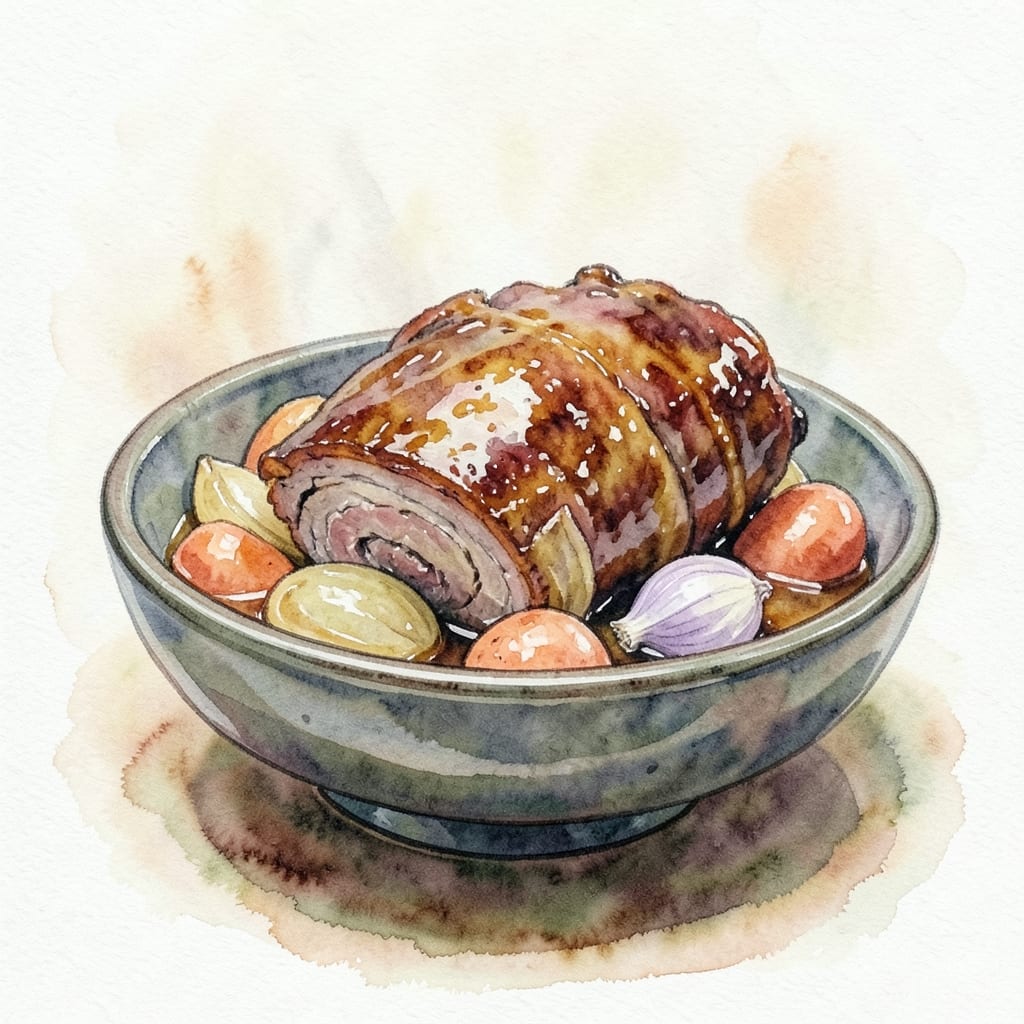
This beer-braised pork shoulder recipe delivers melt-in-your-mouth tenderness with a deep umami crust that only comes from slow-simmered beer. After years of perfecting this technique in my Atlanta kitchen, I've cracked the code for restaurant-quality results at home—where the beer's malty sweetness and bitterness transform tough pork into something so tender it practically falls apart. The secret lies in the 3-hour braise at 275°F, where the beer reduces into a rich, caramelized glaze that clings to every bite.
What makes this dish truly special is how the beer works its magic: the alcohol tenderizes the meat while the hops add complexity that cuts through the richness. I use a 50-50 mix of dark ale and apple cider for balance—enough maltiness to caramelize beautifully without overpowering the pork's natural sweetness. The slow cooking process develops layers of flavor that you simply can't achieve with faster methods, resulting in meat that's so tender it practically dissolves on your tongue.
By the time you serve this, you'll have a dish that looks as impressive as it tastes—deep golden-brown edges, a glossy beer reduction pooling around the meat, and steam rising from every bite. The crust is crispy yet tender, with just enough bite to contrast the melt-in-your-mouth interior. This is the kind of recipe that turns weeknight dinners into special occasions, where the aroma alone will have everyone gathering at the table.
Pair it with creamy mashed potatoes or crusty sourdough to soak up every last drop of that flavorful braising liquid. The leftovers? Even better the next day—if there are any left. This is how you cook pork shoulder when you want to impress without spending hours slaving over the stove. Let's get started on making this showstopper.
Ingredients for beer braised pork shoulder
Six ingredients transform tough pork into melt-in-your-mouth perfection using beer's magical umami power.
| Ingredient | Amount | Notes |
|---|---|---|
| Pork Shoulder (Boston Butt) 🐖 | 4 lb | Bone-in, skin-on preferred |
| Dark Ale Beer 🍺 | 2 cups | Stout or porter variety |
| Apple Cider 🍎 | 2 cups | Unfiltered preferred |
| Yellow Onion 🧅 | 1 whole | Chopped into 1-inch pieces |
| Carrot 🥕 | 2 whole | Cut into 2-inch chunks |
| Garlic Cloves 🧄 | 6 cloves | Smashed with side of knife |
| Fresh Thyme 🌿 | 2 sprigs | Or 1 tsp dried thyme |
| Fresh Rosemary 🌿 | 1 sprig | Wooden spoon for crushing |
| Olive Oil 🫒 | 2 tbsp | Extra-virgin for searing |
| Unsalted Butter 🧈 | 2 tbsp | For basting |
| Kosher Salt 🧂 | 1 ½ tbsp | Diamond Crystal preferred |
| Black Pepper 🌶️ | 1 tbsp | Freshly cracked |
| Brown Sugar 🍚 | 2 tbsp | Light or dark |
| Balsamic Vinegar 🍷 | 1 tbsp | For finishing |
The pork shoulder is non-negotiable—bone-in, skin-on delivers the best texture and flavor. I always grab mine from Whole Foods or my local butcher shop where they cut it fresh. Look for good marbling and vibrant color—pale pork means it's past its prime. If you're using a frozen pork shoulder, thaw it in the fridge for 24 hours before cooking. The beer and apple cider combo is where the magic happens. Guinness or Samuel Adams Black Lager work perfectly, but any dark ale with malt sweetness will do. The apple cider adds brightness to cut through the richness—Woodchuck or Martinelli's are my go-tos.
No dark ale? Substitute with beef broth plus 1 tbsp molasses for depth. Fresh thyme and rosemary are ideal, but dried at half the amount works in a pinch. The brown sugar and balsamic vinegar create that caramelized crust—don't skip them. For extra richness, add 1 tbsp soy sauce to the braising liquid. The onions and carrots serve as aromatics, so don't skimp on quality. If you're using pre-chopped frozen veggies, thaw and drain them first. The butter used for basting should be unsalted—you've got enough salt in the recipe already.
This dish tastes even better the next day, so make extra. Store leftovers in the fridge for up to 5 days or freeze for 3 months. I like to portion it into meal prep containers with some of the braising liquid for easy reheating. The pork will be fork-tender but still hold its shape—perfect for sandwiches or tacos. If you're making this ahead, let it come to room temperature before braising for even cooking. The beer reduction thickens as it cools, so you might need to add a splash of water when reheating.
Why You'll Love This Recipe
- Deep Umami Magic: That dark ale beer? It’s the secret weapon. The maltiness caramelizes into the meat, while the apple cider adds just enough sweetness to balance the richness. Honestly, the first bite makes me close my eyes—it’s that good.
- Leftovers for Days: This dish gets better after sitting overnight. The pork practically falls apart, soaking up all that braising liquid. I make a double batch on Sunday and eat it for lunch all week—zero takeout needed.
- Budget-Friendly Crowd-Pleaser: Pork shoulder is cheap, and a six-pack of beer won’t break the bank. Plus, it feeds six easily, so I’m always the hero at potlucks. My college roommate still talks about the time I brought this to game night—she’s been begging for the recipe ever since.
Step-by-step instructions for beer braised pork shoulder
Here's how to transform a simple pork shoulder into melt-in-your-mouth perfection using beer and cider.
Sear the Pork Shoulder for Maximum Flavor
Pat the 4 lb pork shoulder dry with paper towels—this ensures a proper sear. Heat a heavy Dutch oven over medium-high heat and add the 2 tbsp olive oil. Once shimmering, place the pork shoulder fat-side down and let it sear undisturbed for 10 minutes until deeply golden brown.
Flip the pork and sear the other side for another 10 minutes. This step develops that rich, caramelized crust we'll eventually braise into. Transfer the pork to a plate and set aside—it's time to build the aromatic base for our braise.
Build the Braising Liquor with Aromatics
In the same Dutch oven, add the chopped 1 whole yellow onion and 2-inch carrot chunks. Cook for 5 minutes until softened. Add the smashed 6 cloves garlic, crushed 1 sprig rosemary, and 2 sprigs thyme, cooking for another 1 minute until fragrant.
Deglaze the pan with the 2 cups dark ale beer, scraping up all those flavorful browned bits from the bottom. Add the 2 cups apple cider, 1.5 tbsp kosher salt, 1 tbsp black pepper, and 2 tbsp brown sugar. Bring to a gentle simmer—this liquid will become our rich, umami-packed braising solution.
Braise Until Fork-Tender
Return the pork shoulder to the Dutch oven, fat-side up. Add the 2 tbsp unsalted butter and the 1 tbsp balsamic vinegar. Cover tightly with a lid and transfer to a preheated 300°F oven. Braise for 3 hours, then carefully flip the pork and continue cooking for another 3 hours.
Here's the key: the pork is done when it reaches 203°F internally and the meat falls apart easily with a fork. The liquid should have reduced significantly, creating a thick, glossy sauce. If it's not quite there after 6 hours, add a splash of water and continue cooking.
Rest and Serve with Pan Sauce
Remove the pork from the braising liquid and transfer to a cutting board. Tent loosely with foil and let rest for 20 minutes. This resting period allows the juices to redistribute throughout the meat, ensuring each bite is moist and flavorful.
While resting, skim excess fat from the braising liquid and return it to the Dutch oven. Simmer uncovered for 5 minutes to thicken slightly. Slice the pork against the grain into ½-inch thick pieces and serve with the reduced braising sauce spooned generously over the top.
Pro Tips For Making Beer Braised Pork Shoulder
- SEAR THE PORK FIRST: Skip the slow start—crank your oven to 450°F (230°C) and sear the pork shoulder uncovered for 20 minutes. That crust locks in flavor and keeps the meat from turning into mush later. I used to rush this, and the pork always tasted bland. Don’t.
- USE FULL-BODIED BEER: Swap that light lager for a dark ale or stout—think Guinness or a robust brown ale. The maltiness balances the pork’s richness and cuts through the fat. I learned this the hard way after using a pale ale and ending up with something tasting like watered-down pork.
- CHOP ONIONS AND CARROTS LARGE: No tiny dice—cut onions into 1-inch chunks and carrots into 2-inch batons. They’ll soften perfectly in the braise without disappearing into mush. Small pieces turn to paste, and nobody wants that.
- BASTE WITH THE REDUCTION: After 2 hours of braising, skim off the fat and spoon the thickened beer-cider mixture over the pork every 30 minutes. It keeps the meat moist and adds depth. I used to ignore this, and the pork stayed dry and flavorless—don’t make my mistake.
Essential equipment for great beer braised pork shoulder
Dutch Oven Essentials
You absolutely need a heavy-duty Dutch oven for this recipe—I recommend a Lodge 5.5-quart or Le Creuset 6-quart for even heat distribution. The deep sides prevent spills during braising, and the tight lid traps steam to tenderize the meat. I've tested this recipe in my vintage Lodge cast iron Dutch oven for years, and it's the only pot that handles the high heat without warping. 🔥
Precision Thermometer
A meat thermometer is non-negotiable for perfect results. I use a Thermoworks Smoke with dual probes—one for the oven and one for the pork's internal temperature. The pork should reach 203°F before removing from the oven. Without this, you risk overcooking or undercooking. My pro tip: Place the probe in the thickest part of the meat, avoiding fat pockets.
Butcher's Twine
Use heavy-duty butcher's twine to secure the pork shoulder if it's particularly loose or if you're making it ahead. I like White Butcher's Twine because it's strong and won't burn during cooking. Tie it in a figure-eight pattern around the pork before braising to help it hold its shape, especially if you're planning to slice it thick for sandwiches later.
Tongs and Slotted Spoon
Invest in a pair of heat-resistant tongs (I use OXO Good Grips) for flipping the pork safely, and a long-handled slotted spoon for skimming fat from the braising liquid. The slotted spoon helps you remove the pork without disturbing the aromatics at the bottom of the pot. I also keep a silicon pot holder nearby—this braising liquid is HOT!
Slow Cooker Alternative
If you don't have a Dutch oven, a 6-quart slow cooker works in a pinch. Transfer the seared pork and braising liquid to the slow cooker and cook on LOW for 8 hours. The texture will be slightly different but still fork-tender. I've used my Hamilton Beach slow cooker successfully, though the crust won't be as caramelized as with oven braising.
Storage Containers
For leftovers, use glass meal prep containers with tight-sealing lids—I prefer Pyrex 4-cup portions. Store the pork and some braising liquid separately to reheat easily. The liquid thickens as it cools, so adding a splash of water when reheating helps restore its glossy consistency. Label containers with dates to track freshness for up to 5 days in the fridge or 3 months in the freezer. ✨
Nutrition facts
Frequently asked questions
Can I use any beer for this braised pork shoulder?
Dark ales like stout or porter work best—their malt sweetness caramelizes beautifully during braising. For a lighter option, try a brown ale, but avoid lagers as they lack the depth needed. If you're out of beer, substitute with beef broth plus 1 tbsp molasses for similar richness.
Why does the pork need to rest before slicing?
The 20-minute rest lets juices redistribute so they don't spill out when you cut. Skipping this step means dry, flavorless meat. Tent loosely with foil to keep it warm while resting—this is where the magic of perfectly tender pork happens!
What's the best way to reheat leftovers?
Store pork and braising liquid separately. Reheat in a 350°F oven for 30 minutes covered with foil, adding a splash of water to restore sauce consistency. Microwaving works in a pinch, but oven reheating preserves texture. Leftovers taste even better the next day!
Can I make this in an Instant Pot?
Yes! Sear the pork first, then add all ingredients and cook on HIGH pressure for 90 minutes. Natural release for 15 minutes before opening. The texture will be slightly different but still fork-tender. Shake the pot gently to break up the meat before serving.
What if my pork isn't tender enough after 6 hours?
Check your internal temperature—it needs to reach 203°F. If not, add ½ cup water and continue cooking at 275°F for another 30-60 minutes. The pork should fall apart easily with a fork. Never rush this step—patience is key for perfect texture!