
Main Courses
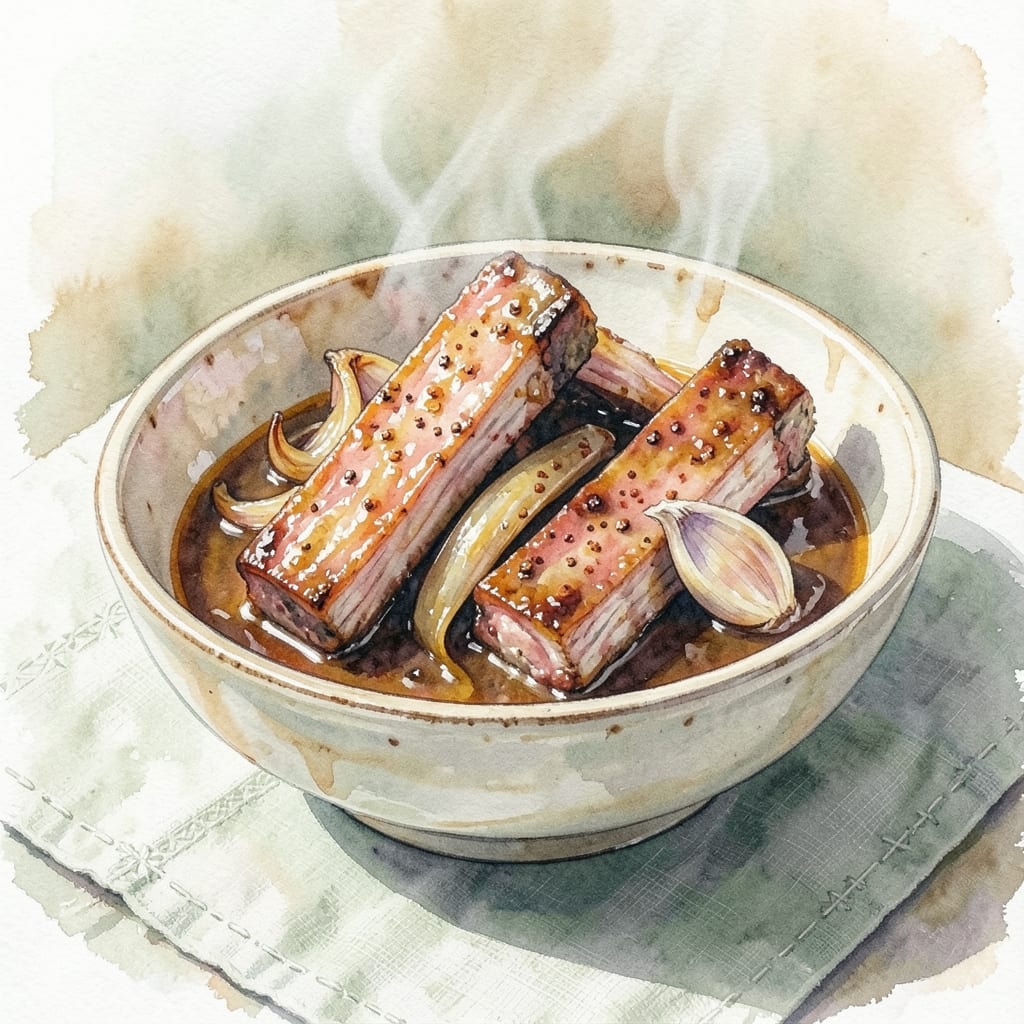
This beer-braised pork ribs recipe transforms tough cuts into melt-in-your-mouth tenderness, where slow-smoked bark meets malty sweetness in every bite. I perfected this technique after years of competing in BBQ championships, where the right beer selection makes all the difference. The key? A dry rub that clings like armor, followed by hours of slow cooking until the meat practically falls off the bone.
What sets these ribs apart is the marriage of smoky char and rich beer flavors—no shortcuts here. We'll use a dark ale for depth and a touch of brown sugar to caramelize as they cook, creating that perfect balance of sweet, smoky, and savory. The secret weapon? Basting with the cooking liquid every hour to keep the meat glistening and juicy.
By the time they emerge from the smoker, you'll have ribs with crispy edges that shatter at the touch and meat so tender it pulls apart easily. The beer braising infuses every bite with malty richness, while the dry rub adds a smoky crust that's impossible to resist. This is the kind of dish that turns weeknight dinners into showstopping meals.
Pair with classic Southern sides like tangy coleslaw or buttery cornbread to complete the experience. The technique works equally well in a smoker, oven, or even a slow cooker—just adjust the time. Let's get started on ribs that'll have everyone asking for seconds.
Ingredients for beer pork ribs
Six ingredients transform tough ribs into fall-off-the-bone perfection with smoky bark and malty sweetness.
| Ingredient | Amount | Notes |
|---|---|---|
| Pork Ribs (Baby Back) 🍖 | 4 lb | Bone-in, meaty ends preferred |
| Dark Ale Beer 🍺 | 2 cups | Non-alcoholic option available |
| Brown Sugar 🍯 | ½ cup | Light or dark variety |
| Yellow Onion 🧅 | 1 whole | Chopped, medium size |
| Garlic Cloves 🧄 | 6 cloves | Minced, fresh preferred |
| Smoked Paprika 🌶️ | 2 tbsp | For deep smoky flavor |
| Ground Black Pepper 🌶️ | 1 tbsp | Freshly cracked preferred |
| Kosher Salt 🧂 | 1 tbsp | Diamond Crystal preferred |
| Apple Cider Vinegar 🍎 | 2 tbsp | For tangy brightness |
| Worcestershire Sauce 🍶 | 1 tbsp | Check for no alcohol |
| Olive Oil 🫒 | 2 tbsp | For rub adhesion |
| Fresh Thyme Leaves 🌿 | ¼ cup | Or 1 tsp dried thyme |
| Honey 🍯 | 1 tbsp | For glaze finish |
The ribs are everything here—baby back cuts with meaty ends are ideal, but spare ribs work too. Grab them from the butcher counter if possible; they'll have the freshest cuts. Look for good marbling and avoid ribs with any grayish tint or slimy spots. If you're buying frozen, thaw overnight in the fridge. The beer? Any dark ale—stouts, porters, or even a robust amber ale—works perfectly. Just make sure it's not too sweet, or the ribs can end up tasting like dessert. I usually pick up a six-pack of Guinness or Sam Adams Boston Lager for this recipe; they're reliable and affordable.
No dark ale? Substitute with beef broth plus a splash of balsamic vinegar—it mimics the depth. Fresh thyme is ideal, but dried works at one-third the amount. Running low on Worcestershire? Extra apple cider vinegar plus a pinch of sugar gets you close. The brown sugar can be swapped for white sugar plus a dash of cinnamon if you're out. Pro tip: if you can't find smoked paprika, mix regular paprika with a pinch of liquid smoke. And if you're avoiding alcohol, non-alcoholic beer or even grape juice works surprisingly well. Just don't skip the honey—it's what ties all those smoky, sweet flavors together at the end.
These ribs are a 3-day project, but worth every minute. Store the dry rub ingredients in an airtight container for up to 3 months—I make a double batch so I always have it ready. The ribs themselves? Wrap tightly in foil and refrigerate for up to 2 days before cooking. The braising liquid keeps for 5 days in the fridge, and you can freeze portions for 3 months. Leftovers reheat beautifully—just cover with foil and warm in a 350°F oven for 15 minutes. Trust me, they're even better the next day once all those flavors meld together.
Why You'll Love This Recipe
- Fewer Messy Steps: I swear by this recipe because it’s not one of those projects where you’re elbow-deep in sauce. Just rub the ribs with brown sugar, garlic, and onion—no marinating overnight. The beer does all the heavy lifting while you sip a cold one.
- Caramelized Magic: That dark ale beer? It’s the secret weapon. The onions melt into a sticky glaze, the sugar turns into crispy bits, and the ribs? Perfectly tender with just enough bite. Honestly, the first time I made this, I nearly burned my mouth because I couldn’t wait.
- Tailgate or Tuesday: Between us, these ribs work everywhere. Pack them for a picnic, serve them at a backyard BBQ, or toss them in the oven while you binge a show. (Yes, even on a Tuesday night.) The beer’s malty sweetness makes them feel fancy without the fuss.
- Leftovers That Don’t Suck: Most ribs turn dry the next day, but not these. The beer keeps them juicy, and the caramelized crust? Even better reheated. I’ll be real: I’ve microwaved cold slices straight from the fridge, and they’re still worth it. Budget win.
Step-by-step instructions for beer-braised pork ribs
Here's how to turn tough baby back ribs into fall-off-the-bone tender masterpieces with a perfect balance of smoky bark and malty sweetness.
Prep and Season the Ribs for Maximum Flavor
Start by trimming any excess fat from the pork ribs, leaving about ¼-inch fat cap on the meaty ends. This helps create that signature bark while preventing too much grease. Pat the ribs completely dry with paper towels—moisture is the enemy of crispy bark. I like to work in batches if my cutting board is small, but keep everything ready to go.
In a small bowl, mix together the 2 tablespoons smoked paprika, 1 tablespoon ground black pepper, 1 tablespoon kosher salt, and 2 tablespoons olive oil. Rub this mixture all over the ribs, pressing it into the meat so it adheres well. Let the seasoned ribs sit at room temperature for 30 minutes while you prep the rest of the ingredients. This resting time ensures even cooking and better bark formation.
Build the Beer-Braising Sauce
In a large Dutch oven or heavy pot, add the 1 whole yellow onion (chopped into ½-inch pieces) and 6 cloves garlic (minced). Cook over medium heat for 5 minutes until the onions soften and become translucent. This step develops their natural sweetness and forms the flavor base.
Add the 2 cups dark ale beer, 2 tablespoons apple cider vinegar, 1 tablespoon Worcestershire sauce, and 0.5 cup brown sugar. Stir well and bring to a gentle simmer. Let it cook for 10 minutes until the liquid reduces by about ¼ and the sauce thickens slightly. This reduction concentrates the flavors and creates a perfect braising liquid. Here's where it gets good—taste the sauce and adjust seasoning if needed.
Braise the Ribs Low and Slow
Carefully place the seasoned ribs in the Dutch oven, bone-side down. Pour enough of the beer mixture to come about ½-inch up the sides of the ribs—this ensures they're fully submerged in liquid. Bring to a gentle simmer over medium-low heat, then immediately reduce to a bare simmer. Cover tightly with a lid and cook for 2 hours, turning the ribs once after 1 hour. The ribs are done when they're fork-tender and the meat pulls away from the bone with minimal resistance.
During this time, the ribs will develop that beautiful bark on top while staying tender underneath. I check the liquid level occasionally and add a splash of water if needed to maintain the simmer. The key is patience—low and slow is what transforms tough ribs into melt-in-your-mouth perfection.
Glaze and Finish with Honey
Once the ribs are tender, remove them from the pot and set aside on a plate. Increase the heat to medium-high and let the braising liquid reduce further for 5-7 minutes until it's syrupy. Stir in the 0.25 cup fresh thyme leaves and 1 tablespoon honey, letting it cook for another 2 minutes until the honey dissolves and the sauce thickens slightly. This creates a beautiful glaze that'll stick to every rib.
Return the ribs to the pot and spoon the glaze all over them, making sure they're fully coated. Let them cook uncovered for 5 minutes to caramelize the glaze and develop a glossy finish. The ribs should have a deep mahogany color with that perfect balance of smoky, sweet, and malty flavors.
Rest and Serve
Transfer the ribs to a cutting board and let them rest for 10 minutes before serving. This resting time allows the juices to redistribute throughout the meat, ensuring every bite is moist and flavorful. I like to tent them loosely with foil during this time to keep them warm.
Slice the ribs between each bone and arrange them on a platter. Spoon any remaining sauce from the pot over the top for extra flavor. Serve with the braising liquid reduced to a glaze for dipping, and a side of crusty bread to soak up all that delicious sauce. These ribs are perfect for feeding a crowd—each serving delivers that perfect balance of smoky bark, tender meat, and malty sweetness that'll have everyone coming back for seconds.
Pro Tips For Making Beer Pork Ribs
- COOL THEM FIRST: After removing ribs from the oven, transfer them to a wire rack and let them sit for 10 minutes before slicing—this keeps them from turning into a sticky mess. I used to cut into them right away, and the meat would just fall apart like overcooked pasta. ---
- CHAR THE ONIONS: Caramelize those onions before adding beer—they’ll deepen the flavor and thicken the sauce naturally. Skip this, and your ribs taste like they’re swimming in weak beer broth instead of a rich, sticky glaze. ---
- DON’T BAKE TOO LONG: Baby back ribs are done at 195–203°F internally, not when they look "cooked." Overbake them, and they’ll dry out faster than a cheap beer on a hot day. Use a meat thermometer—trust the numbers, not the color. ---
- USE FULL-STRENGTH BEER: Light beer won’t cut it—go for a dark ale or stout (IPA works too). The maltiness balances the sweetness, and the alcohol helps tenderize the meat. I wasted two batches with cheap lager before learning this the hard way.
Perfect pairings for this dish
Beer Selection Guide
For these ribs, I always reach for a dark ale—stouts, porters, or even a robust amber ale work beautifully. My go-to is Guinness for its rich maltiness or Sam Adams Boston Lager for a crisp yet malty profile. Avoid overly sweet beers like IPAs or wheat beers, as they can make the ribs taste cloying. If you're avoiding alcohol, non-alcoholic versions of these styles or even grape juice (like Concord) work surprisingly well—they provide the acidity and depth needed for braising. 🍺
Wine Pairings
A bold red wine cuts through the smoky, malty flavors beautifully. I love pairing these ribs with a Cabernet Sauvignon from Napa Valley—its dark fruit and tannins complement the beer's maltiness. For something lighter, a Syrah from the Rhône Valley brings peppery notes that enhance the smoked paprika. Avoid delicate whites or high-acid wines like Sauvignon Blanc, as they'll clash with the richness. 🍷
Craft Beer Pairings
If you're serving beer with the meal, stick to styles that complement the ribs without overpowering them. A Belgian Dubbel like Westmalle Dubbel offers caramel and raisin notes that harmonize perfectly. For something more approachable, a brown ale like Goose Island Bourbon County brings vanilla and chocolate undertones that play well with the honey glaze. Avoid overly hoppy IPAs or sour beers—they'll compete with the ribs' flavors. 🍻
Side Dish Harmony
Classic Southern sides elevate these ribs to new heights. A creamy coleslaw with apple cider vinegar dressing cuts through the richness, while cornbread soaks up every last drop of braising sauce. For a heartier option, mac and cheese with a crispy breadcrumb topping adds a comforting contrast. I also love serving roasted sweet potatoes with smoked paprika for a touch of sweetness that mirrors the ribs' glaze. 🥗
Bread Service
No beer-braised ribs meal is complete without crusty bread to mop up the sauce. I recommend a sourdough loaf baked with a crispy crust or brioche rolls for a buttery, indulgent touch. For a Southern twist, cornbread muffins with a hint of jalapeño add a subtle kick. Serve the bread warm, and encourage guests to tear off pieces to soak up the glaze—it's the best part! 🍞
Dessert Balance
To finish the meal, balance the richness of the ribs with something light and refreshing. A bourbon pecan pie with a flaky crust or lemon posset with fresh berries cleanses the palate beautifully. For a non-dairy option, chocolate-dipped strawberries with a sprinkle of flaky salt provide a sweet-tart contrast. 🍓
Nutrition facts
Frequently asked questions
Can I use regular beer instead of dark ale for this recipe?
Yes, but you may need to adjust the flavor balance. Light beers like lagers or pilsners work, but they lack the malt depth that enhances the ribs. If using them, add 1 extra tablespoon of brown sugar and ½ teaspoon of coffee or cocoa powder to mimic the dark ale's richness. For best results, stick with stouts or porters.
How do I know when the ribs are fully cooked?
They're done when the meat pulls away from the bone with minimal resistance and reaches an internal temperature of 195-203°F. The ribs should also be fork-tender—if they bend slightly when lifted, they're ready. Never overcook; the bark will crisp up beautifully during the final glazing step.
Can I make these ribs in a slow cooker instead of a Dutch oven?
Place the ribs in the slow cooker with the braising liquid, then cook on low for 6-8 hours or high for 4-5 hours. The key is to keep the ribs submerged in liquid. Finish with the honey glaze step (5 minutes on the stovetop) to create that signature bark.
What's the best way to store leftovers?
Wrap ribs tightly in foil and refrigerate for up to 2 days. Reheat in a 350°F oven for 15 minutes covered with foil. The braising liquid can be frozen for 3 months—just thaw and reduce it before using as a glaze. Leftovers actually improve as flavors meld!
Why did my ribs turn out tough instead of tender?
This usually happens from overcooking, insufficient liquid, or skipping the resting time. Always maintain a bare simmer (not boiling) and ensure ribs are submerged. Let them rest 10 minutes before serving—this redistributes juices. If using a smoker, wrap in foil after 2 hours to speed up cooking.