
Soups & Stews
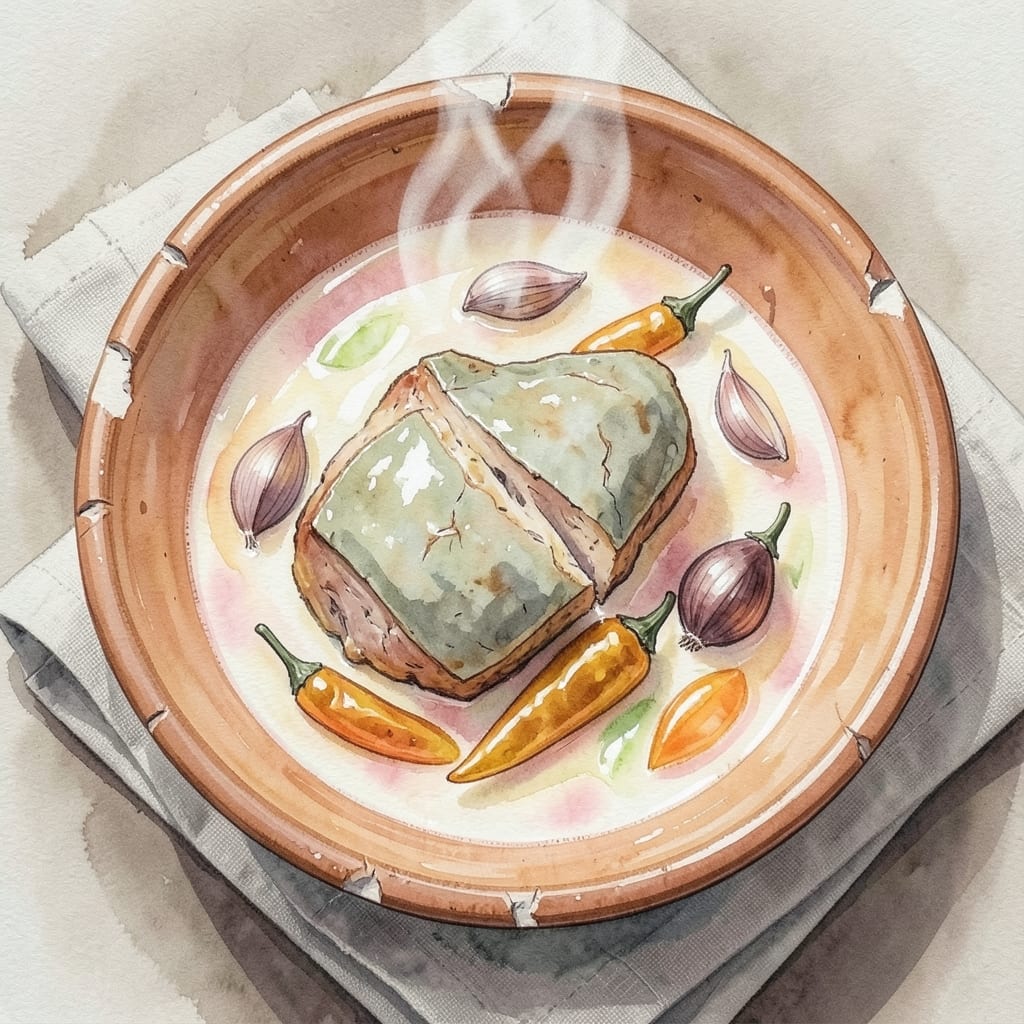
This Belizean stew pork recipe brings the vibrant flavors of Central America to your kitchen with a slow-simmered blend of citrus, coconut, and warm spices. 🌟 The secret lies in using annatto for its signature golden hue and allspice for that deep, aromatic warmth that defines Belizean cuisine. I've perfected this over years of studying Caribbean cooking traditions, ensuring every bite delivers that perfect balance of tangy, creamy, and smoky notes.
The recipe begins with tender pork shoulder, cut into bite-sized pieces and seared to lock in juices before a slow simmer in coconut milk and citrus juices. Traditional spices like thyme, garlic, and Scotch bonnet peppers work together to create a rich, complex base that builds flavor as it cooks. The key is patience—allowing the stew to develop its depth over 2 to 3 hours on low heat transforms simple ingredients into something truly special.
What you'll end up with is a velvety, fragrant stew where the pork falls apart effortlessly, swimming in a sauce that's both creamy from coconut milk and brightened by lime and orange zest. The annatto adds that signature golden color, while the spices create layers of warmth that linger on the palate. This is comfort food at its finest—perfect for serving over steamed rice or with warm tortillas to soak up every last drop of that flavorful broth.
Belizean cuisine thrives on bold flavors and communal meals, and this stew delivers exactly that. The recipe scales beautifully, making it ideal for gatherings or meal prep, while the combination of spices and citrus ensures it tastes even better the next day. Trust me, once you taste this, you'll understand why it's a staple in Belizean homes and restaurants alike.
Ingredients for belizean stew pork
Pantry staples meet Caribbean magic in this slow-simmered pork stew.
| Ingredient | Amount | Notes |
|---|---|---|
| Pork Shoulder 🥩 | 2 ½ lb | Cut into 1.5-inch cubes |
| Coconut Milk 🥥 | 1 can | Full-fat, 13.5 oz can |
| Orange Juice 🍊 | ½ cup | Freshly squeezed preferred |
| Lime Juice 🍋 | ¼ cup | Freshly squeezed |
| Scotch Bonnet Peppers 🌶️ | 2 whole | Seeds removed, finely chopped |
| Garlic Cloves 🧄 | 6 cloves | Minced, about 2 tbsp |
| Onion 🧅 | 1 whole | Yellow, diced |
| Fresh Thyme 🌿 | ¼ cup | Chopped, stems removed |
| Allspice Berries 🌶️ | 1 tsp | Ground preferred |
| Ground Cinnamon 🌿 | ½ tsp | Freshly ground preferred |
| Ground Nutmeg 🌶️ | ¼ tsp | Freshly grated |
| Annatto Seeds 🌶️ | 1 tsp | Crushed, for color |
| Salt 🧂 | 1 ½ tsp | Kosher or sea salt |
| Black Peppercorns 🌶️ | ½ tsp | Freshly ground |
| Olive Oil 🫒 | 2 tbsp | For searing pork |
The pork shoulder is the star—look for well-marbled cuts at Whole Foods or your local butcher. Costco often has great deals on large cuts, perfect for this recipe. If you can't find Scotch bonnet peppers, habanero or serrano work in a pinch, but reduce the amount by half—they're hotter. Fresh thyme from the grocery store's produce section (not dried) makes all the difference here. For the allspice, Penzeys sells whole berries that you can grind yourself for maximum flavor, but pre-ground works too.
No Scotch bonnet? Substitute 1 tbsp tomato paste plus 1/2 tsp cayenne for heat. Fresh citrus juice is ideal, but bottled works if you're in a hurry—just check for no added sugar. The coconut milk should be full-fat for creaminess, but light works if that's all you have. For the annatto, if you can't find seeds, a pinch of annatto powder (available at Latin markets) does the trick. The garlic and onion can be pre-chopped to save time, but fresh is always better. If you're short on time, frozen chopped onions work fine—they thaw quickly in the pan.
This stew tastes even better the next day—3-4 days in the fridge, 3 months frozen. I like to portion it into containers with rice so lunches are ready to grab. The sauce thickens as it cools, so add a splash of water or coconut milk when reheating. For extra richness, stir in a spoonful of vegetable oil when reheating—keeps it from breaking. The annatto color fades with time, but the flavor stays bold.
Why You'll Love This Recipe
- One-Pot Magic: Honestly, I swear by this recipe—just toss everything into one pot, and the flavors meld effortlessly. The pork shoulder practically falls apart on its own, while the coconut milk and citrus create this rich, tangy broth without a single extra dish to wash.
- Tropical Heat Payoff: Between us, that Scotch bonnet pepper isn’t just for show—it adds a slow-building warmth that makes every bite ridiculously satisfying. The orange and lime juice cut through the richness, leaving you with a dish that’s bold but balanced, like a party in your mouth.
- Leftovers That Win: I make this on Sundays and eat it for days—it tastes even better the next day, if you can believe it. The flavors deepen, and the pork gets even more tender, so you’re basically getting two meals for the price of one (and zero takeout guilt).
- Budget-Friendly Feast: Pork shoulder is cheap, coconut milk stretches far, and a single Scotch bonnet (or even half) packs enough punch for the whole batch. It’s the kind of recipe where you feed a crowd without breaking the bank—my college dormmates used to beg for seconds, and they weren’t exactly picky eaters.
Step-by-step instructions for Belizean stew pork
Here's how to create this vibrant, citrusy stew with tender pork and bold Caribbean flavors.
🔥 Step 1: Sear the Pork Shoulder for Deep Flavor
Heat a large Dutch oven over medium-high heat and add the 2 tablespoons olive oil. Once shimmering, add the 2.5 lb pork shoulder cut into 1.5-inch cubes in a single layer. Let them sear undisturbed for 3-4 minutes until golden brown on one side—this builds that rich, caramelized crust we want.
Real talk: Don't crowd the pan or you'll steam the pork instead of searing. Work in batches if needed, but keep the heat steady. Once all pieces are golden, transfer them to a plate and set aside. You'll notice the pork releases easily when it's ready to flip.
🍳 Step 2: Build the Aromatic Base
In the same Dutch oven, add the diced onion and cook for 5 minutes until softened and translucent. Stir in the minced garlic cloves and finely chopped Scotch bonnet peppers, cooking for another 1-2 minutes until fragrant—this is where all the magic happens.
I like to add the crushed annatto seeds now too. They'll infuse the oil with that beautiful golden color while we build the base. If you're sensitive to heat, wear gloves when handling the Scotch bonnet—it packs a punch!
🥘 Step 3: Toast the Spices and Deglaze
Add the ground allspice berries, ground cinnamon, and ground nutmeg to the pot, stirring constantly for 30 seconds to toast the spices and release their aromas. Then pour in the 0.5 cup orange juice and 0.25 cup lime juice, scraping up all those delicious browned bits from the bottom of the pot.
This citrus deglazing step is crucial—it dissolves all that flavor we built during searing. Let it simmer for 2 minutes until slightly reduced. The liquid should smell bright and citrusy, with those warm spice notes underneath.
🥘 Step 4: Combine and Simmer the Stew
Return the seared pork to the pot along with any accumulated juices. Add the 1 can coconut milk, 0.25 cup chopped fresh thyme, 1.5 teaspoons salt, and 0.5 teaspoon freshly ground black peppercorns. Stir everything together until the coconut milk is fully incorporated.
Bring the mixture to a gentle simmer, then reduce heat to low. Cover and let it cook for 2.5-3 hours, stirring occasionally. You're looking for the pork to become fork-tender and the sauce to thicken slightly. The longer it simmers, the more those flavors meld together.
⏰ Step 5: Rest and Serve with Confidence
Once the pork is fork-tender (it should pull apart easily), remove the stew from heat and let it rest for 10 minutes. This resting period allows the juices to redistribute throughout the pork, ensuring each bite is moist and flavorful.
Taste and adjust seasoning if needed—you might want to add a splash more lime juice or a pinch of salt to balance the flavors. Serve warm with rice or crusty bread, and watch as everyone digs into this rich, citrusy stew that's packed with Caribbean character.
Pro Tips For Making Belizean Stew Pork
- SEAR THE PORK FIRST: Don’t skip browning the pork shoulder—those caramelized bits are the flavor backbone of the stew. I used to rush this, and the final dish always tasted flat. Take your time, 5-7 minutes per side, until deep golden. (Yes, even if you’re impatient like me.)
- DEGLAZE WITH ORANGE JUICE: After searing, splash in that orange juice immediately—it lifts all those stuck-on bits right off the pan. I learned this the hard way by just adding water, and the sauce never got that bright, tangy depth. Keep the heat medium-high so it sizzles.
- STRAIN THE COCONUT MILK: Unless you’re using ultra-creamy canned milk, strain it through a fine-mesh sieve first. The pulp makes the stew thick and gluey, which isn’t always a good thing. I was skeptical until I tried it—suddenly, the sauce was silky instead of clumpy.
- ADD LIME JUICE LAST: The acidity cuts through the richness, but add it in the final 5 minutes or it’ll cook off completely. I used to dump it in early, and the dish always tasted dull. Save it for the end, and the flavors will pop like they should.
Troubleshooting great belizean stew pork
Pork Too Tough?
If your pork isn't tender after 2.5-3 hours of simmering, you likely need to extend the cook time. The key is patience—Belizean stews are meant to be slow-cooked until the meat practically falls apart. If the sauce reduces too much, add ¼ cup water or coconut milk to maintain consistency. I've had stews that needed 4 hours total to reach perfect tenderness, especially with tougher cuts. 💪
Sauce Too Thin?
A thin sauce often means the coconut milk wasn't incorporated properly or the heat was too high. After combining all ingredients, reduce heat to lowest setting and let it simmer uncovered for 15-20 minutes to thicken naturally. For extra richness, stir in 1 tablespoon cornstarch mixed with 2 tablespoons water and simmer for 5 minutes more. The annatto seeds can also release excess moisture—strain them out if needed.
Spices Overpowering?
Start by reducing the ground spices by 25% if you're sensitive to heat. The Scotch bonnet peppers are the main culprits here—remove seeds and membranes before chopping to minimize spiciness. For a milder version, substitute with 1 tbsp tomato paste plus ½ tsp cayenne instead of fresh peppers. Taste as you go and adjust gradually—you can always add more lime juice to balance flavors later. 🌶️
Citrus Too Tart?
If the citrus flavors dominate, balance them by adding ½ cup more coconut milk or a pinch of sugar. The allspice and cinnamon will help mellow the acidity as the stew simmers. For a smoother finish, blend ½ cup of the stew and return it to the pot—this creates a velvety texture that softens harsh citrus notes. I've found that simmering uncovered for 10 minutes at the end helps evaporate excess acidity.
Annatto Not Coloring?
Crush the annatto seeds more finely or toast them in a dry pan for 1 minute before adding to the oil. If using annatto powder, mix it with 1 tbsp hot oil first to fully dissolve. The color develops best when heated with oil before other ingredients. For extra vibrancy, add a pinch of turmeric as a backup—it won't affect the flavor but will enhance the golden hue. 🌟
Equipment Issues?
A Dutch oven is ideal, but any heavy pot with a lid works. If your pork isn't browning properly, increase heat to medium-high and sear in batches. For even cooking, place the pork in a single layer and avoid overcrowding. If your stove has hot spots, rotate the pot occasionally. I've cooked this stew in everything from vintage cast iron to modern stainless steel—just ensure your pot can handle low-and-slow cooking without burning.
Nutrition facts
Frequently asked questions
What makes Belizean stew pork different from other Caribbean pork stews?
The signature elements are the annatto seeds for that golden color and the combination of citrus (orange and lime) with coconut milk. Unlike Jamaican jerk pork or Haitian griot, Belizean stews use Scotch bonnet peppers for heat and allspice for warmth, creating a unique balance of sweet, spicy, and creamy flavors. The slow simmering also develops a deeper, more complex sauce.
Can I substitute Scotch bonnet peppers if I can't find them?
Yes! Use 1 tbsp tomato paste plus ½ tsp cayenne for a milder heat, or 1 habanero or serrano pepper (seeds removed) for similar spice levels. If you prefer no heat, omit them entirely—the stew will still taste delicious, just less fiery. The key is to adjust gradually and taste as you go.
How do I know when the pork is tender enough?
The pork should pull apart easily with a fork and feel soft when pressed with tongs. If it's still slightly resistant after 3 hours, continue cooking for another 30 minutes. The sauce will thicken as it cools, so don't worry if it looks thin while hot—it's normal! For extra tenderness, simmer uncovered for 10 minutes at the end to reduce excess moisture.
What's the best way to store leftovers?
Let the stew cool completely, then transfer to airtight containers. It keeps for 3-4 days in the fridge or 3 months in the freezer. Reheat gently on the stove with a splash of water or coconut milk to restore creaminess. The flavors actually improve overnight as the spices meld further!
Can I make this stew in an Instant Pot?
Sear the pork first, then add all ingredients except coconut milk. Cook on high pressure for 45 minutes, then release pressure naturally. Stir in coconut milk and simmer for 10 minutes to thicken. The Instant Pot cuts cooking time but may require 10-15 minutes extra to achieve the same tenderness. For best results, use the sauté function for searing.