
Main Courses
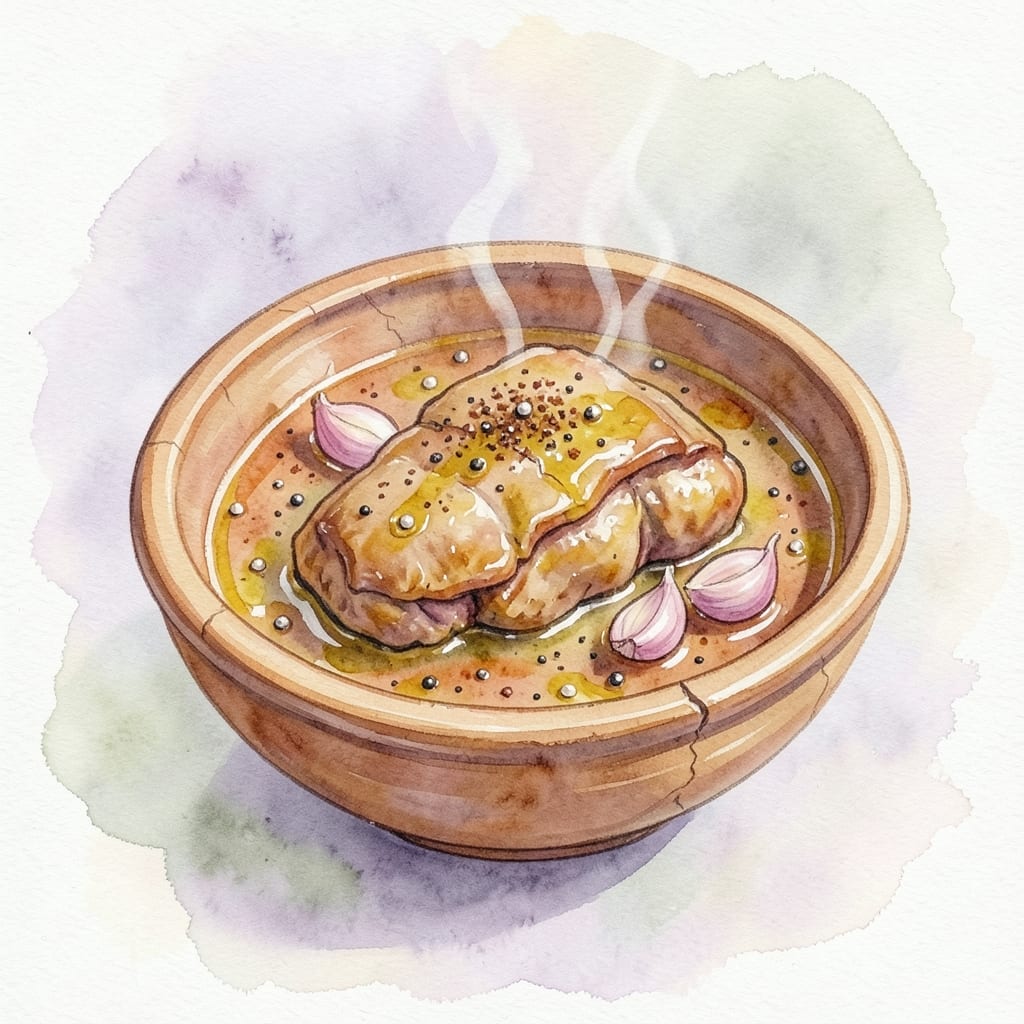
This Bengali pork recipe delivers the bold, aromatic flavors that define Bengali cuisine—where mustard oil and poppy seeds transform simple pork into a spice-infused masterpiece. 🌟 The secret lies in the marinade: a fiery blend of mustard oil, panch phoron, and garam masala that penetrates the meat, creating layers of flavor that linger long after the first bite. I first encountered this dish in Kolkata, where it's a staple in family gatherings, and it's since become a cornerstone of my own cooking repertoire.
The process begins with marinating the pork in a paste of mustard oil, garlic, ginger, and the signature Bengali spice blend, allowing the flavors to meld for at least 4 hours—or overnight for deeper penetration. The cooking method is equally critical: slow-cooking the pork in its own marinade until it's fall-apart tender, then finishing with a quick sear to caramelize the edges. This technique ensures the meat stays juicy while developing a rich, smoky depth that's pure comfort food.
What you'll end up with is a dish that's as visually striking as it is flavorful—golden-brown pork pieces glistening with a glossy, spiced sheen, served alongside steamed basmati rice and a side of tangy achar to cut through the richness. The aroma alone will transport you to the streets of Kolkata, where this dish is a beloved street food and home-cooked staple. The flavors are complex yet balanced, with the heat of mustard oil tempered by the sweetness of poppy seeds and the warmth of garam masala.
This recipe is perfect for feeding a crowd or meal prepping for the week, as the flavors only deepen over time. Pair it with traditional Bengali sides like dal or roasted papadums for an authentic experience. Let's get cooking—your taste buds are in for a treat.
Ingredients for bengali pork
Bold flavors start with these 15 ingredients—mustard oil and poppy seeds are non-negotiable for that signature Bengali punch.
| Ingredient | Amount | Notes |
|---|---|---|
| Pork Shoulder 🥩 | 2 ½ lb | Bone-in for flavor, cut into 1.5-inch cubes |
| Mustard Oil 🫒 | ½ cup | Cold-pressed, strong flavor preferred |
| Panch Phoron 🌶️ | 1 tbsp | Bengali five-spice blend (fenugreek, nigella, cumin, fennel, mustard) |
| Garam Masala 🌿 | 1 ½ tsp | Freshly ground for maximum aroma |
| Poppy Seeds 🌰 | ½ cup | Toasted lightly for nutty flavor |
| Garlic Cloves 🧄 | 8 cloves | Minced finely for deep flavor |
| Fresh Ginger 🧅 | 2 tbsp | Grated, skin-on for extra zing |
| Green Chilies 🌶️ | 2 whole | Slit lengthwise, seeds removed |
| Red Chili Powder 🌶️ | 1 tsp | Adjust for heat preference |
| Turmeric Powder 🧂 | ½ tsp | Bright yellow color indicator |
| Salt 🧂 | 1 ½ tsp | Kosher or sea salt preferred |
| Onion 🧅 | 1 whole | Large, finely chopped |
| Tomato 🍅 | 2 whole | Medium, pureed for sauce |
| Water 💧 | ½ cup | For marinade consistency |
| Fresh Coriander Leaves 🌿 | ¼ cup | Chopped for garnish, optional |
Mustard oil is the star here—look for cold-pressed in Indian grocery stores or specialty markets. SpiceWalla or Patna Spices carry the good stuff, but even regular grocery stores often stock it. The panch phoron blend is harder to find outside Bengali shops, so check the international aisle or order online if needed. Pork shoulder is key—bone-in stays juicier. If you can't find it, pork butt works too. Toast your poppy seeds in a dry pan for 2 minutes before grinding—they release their nutty aroma that way.
No mustard oil? Vegetable oil with 1 tsp mustard powder mimics the flavor, but it's not the same. Skip panch phoron? Mix 1/4 tsp each fenugreek, nigella, cumin, fennel, and mustard seeds. Fresh ginger and garlic can be swapped for 1 tbsp each ginger-garlic paste if you're short on time. The tomatoes can be canned diced tomatoes in a pinch, but fresh is always better. For extra richness, add 1 tbsp yogurt to the marinade—it tenderizes the meat beautifully.
This marinade keeps for 3 days in the fridge, but the pork itself reheats best after 1-2 days—the flavors meld into perfection. Freeze portions for up to 3 months. I always make double batches because it disappears fast. Store leftovers in airtight containers with a layer of oil on top to preserve that mustard aroma. Garnish with fresh coriander right before serving—it brightens everything up.
Why You'll Love This Recipe
- One-Pot Wonder: Honestly, I just toss everything in one deep pan—pork, mustard oil, spices—and let it slow-cook. No chopping vegetables, no extra bowls, just hands-off magic while I sip tea.
- Mustard Oil Magic: That first hit of mustard oil—bold, almost peppery—wakes up the pork like nothing else. The panch phoron and garam masala then wrap it in warmth, leaving you with tender meat that’s ridiculously flavorful.
- Weeknight to Party: Between us, this feeds six with ease, but I also make half and freeze it for lazy Mondays. Serve it with rice for a quick meal or pile it high for guests—same effort, different vibes.
- Budget Stretch: Pork shoulder is forgiving, and a little goes a long way here. The spices cost pennies, and leftovers? Even better the next day—just reheat and devour. My wallet and my taste buds win.
Step-by-step instructions for Bengali pork with mustard oil and poppy seeds
Let's dive into the bold flavors of this Bengali pork recipe—where mustard oil sings and poppy seeds add nutty magic.
👨🍳 Step 1: Marinate the Pork Shoulder with Spice Bomb Flavors
In a large bowl, combine the 2.5 lb pork shoulder cut into 1.5-inch cubes. Add 0.5 cup mustard oil, 1 tbsp panch phoron, 1.5 tsp garam masala, 0.5 cup poppy seeds, 8 cloves minced garlic, 2 tbsp grated ginger, 2 slit green chilies, 1 tsp red chili powder, 0.5 tsp turmeric powder, and 1.5 tsp salt.
Mix everything thoroughly with your hands—get those spices into every nook of the pork. The mustard oil will start to penetrate immediately, giving the meat that signature Bengali punch. Cover the bowl and refrigerate for at least 4 hours (overnight is even better if you can). This long marinade is what transforms tough pork into tender, flavor-packed bites.
🔥 Step 2: Sear the Pork for Maximum Flavor
Heat a heavy-bottomed pan over medium-high heat. Remove the pork from the marinade (reserve the marinade) and pat dry with paper towels. You want the surface to be dry so it develops that perfect crust. Add the pork in batches, leaving space between pieces—crowding will steam instead of sear.
Let the pork cook undisturbed for 3-4 minutes per side until deep golden brown with crisp edges. This isn't just about cooking—it's about building layers of flavor through the Maillard reaction. Once all pieces are seared, remove them and set aside. You'll add them back later, but first, we need to build that incredible sauce.
🍳 Step 3: Build the Spice-Packed Sauce
In the same pan (no need to clean it—the browned bits are flavor gold), add 1 whole chopped onion and cook over medium heat for 5-6 minutes until soft and golden. Add 2 whole tomatoes (pureed or finely chopped) and cook for another 5 minutes until the raw tomato smell disappears.
Pour in the reserved marinade and 0.5 cup water. Bring to a gentle simmer, then reduce heat to low. Let it cook uncovered for 15-20 minutes, stirring occasionally, until the sauce thickens slightly and the oil starts to separate on top. This is where all those spices come together into a fragrant, complex sauce. Taste and adjust seasoning if needed—you want it bold, not bland.
🥘 Step 4: Simmer the Pork to Tender Perfection
Return the seared pork to the pan, spooning that delicious sauce over each piece. Bring everything to a gentle simmer, then reduce heat to low. Cover and let it cook for 1.5-2 hours, stirring occasionally, until the pork is fork-tender. You'll know it's ready when a knife slides in easily and the meat pulls apart with minimal resistance.
Here's the thing—don't rush this step. The slow cooking is what makes this dish special. The pork should be falling off the bone while still being juicy, not dry. If the sauce starts to dry out before the pork is done, add 2-3 tablespoons of water to keep it moist.
🍽️ Step 5: Finish and Garnish for Restaurant-Worthy Results
Once the pork is tender, increase heat to medium-high and let the sauce reduce for another 5-7 minutes until it's thick and glossy. The oil should be just starting to separate again—this is what gives the dish that signature shine. Stir in 0.25 cup chopped fresh coriander leaves and give everything a final taste.
Serve immediately with steamed basmati rice or warm roti. The pork should be swimming in that rich, spiced sauce with just the right amount of heat from the green chilies. Each bite should deliver layers of mustard oil's sharpness, garam masala's warmth, and poppy seeds' nutty crunch. Trust me, this is worth every minute of waiting!
Pro Tips For Making Bengali Pork
- CRISP THE PANCH PHORON: First, toast the whole spices—especially the poppy seeds—until they’re just golden, not brown. I learned this the hard way: burnt panch phoron tastes bitter and overpowers the pork’s richness. Use a dry pan on medium heat, shake it every 30 seconds, and remove the poppy seeds as soon as they smell nutty (they’ll keep cooking in the oil).
- SALT THE PORK TWICE: Add half the salt when you first marinate the pork shoulder, then sprinkle the rest after it’s browned in the mustard oil. The initial salt tenderizes the meat, while the second layer ensures seasoning penetrates during the slow cook. (Yes, even if you’re impatient like me—don’t skip the second round.)
- LOW AND SLOW AFTER SEARING: Once the pork’s crust is deep brown (and the mustard oil is singing), drop the heat to low and cover the pan. The goal isn’t to boil the meat—it’s to let it steam gently for 20 minutes. I used to crank the heat, thinking it’d cook faster, but that turns the pork tough. Patience here makes the difference between shredding and struggling.
- GLAZE WITH REDUCED OIL: After the pork’s cooked, let the mustard oil reduce by half in the pan—no water needed. The leftover oil will coat the meat like a glossy, spiced glaze. Scrape it up with a spoon and toss it back over the pork right before serving. (Pro move: do this off the heat so the oil doesn’t burn.)
Storing and reheating this dish
Refrigerator Storage
Store your Bengali pork in an airtight container with the sauce layered on top—this preserves moisture and those mustard oil aromas. I use glass Pyrex containers because they keep flavors fresher than plastic. Keep it refrigerated for up to 3 days, but honestly? The flavors get even better after a day or two as the spices meld. Just
Freezer Prep
For longer storage, freeze portions in quart-sized freezer bags with the sauce. Leave 1 inch of headspace—the sauce expands when frozen. Label with the date and freeze for up to 3 months. When reheating, I always thaw overnight in the fridge first for even cooking. Pro tip: Freeze in single-serving portions so you can pull out exactly what you need without defrosting everything. ❄️
Stovetop Reheating
This is my go-to method—it preserves that glossy sauce and tender texture. Heat your pork in a heavy-bottomed pan over medium-low heat with 2 tablespoons of water to prevent sticking. Cover and simmer for 10-12 minutes, stirring occasionally, until heated through to 165°F internal temperature. The sauce will thicken up beautifully, just like when you first made it. Taste and adjust salt if needed—the flavors concentrate during storage. 🔥
Microwave Safety
For quick meals, transfer pork to a microwave-safe dish and cover loosely with a damp paper towel. Heat on 50% power in 2-minute intervals, stirring between each, until it reaches 165°F. The key here is low power—it prevents the sauce from splitting and keeps the pork moist. If the sauce looks too thick after reheating, add 1 tablespoon of water and stir. I avoid microwaving for more than one serving at a time because it can make the pork rubbery. ⚡
Garnish Like a Pro
Before serving, always finish with fresh coriander leaves and a drizzle of mustard oil—this restores that restaurant-quality shine. If you stored the pork without garnish, add it right before serving. The coriander brightens the dish, while the mustard oil adds that final punch of authenticity. For extra flair, sprinkle with toasted poppy seeds—they add texture and remind you of that nutty depth from the original recipe. 💫
Nutrition facts
Frequently asked questions
Can I substitute regular oil for mustard oil?
While you can use vegetable or canola oil as a base, you'll miss the signature mustard oil flavor. For authenticity, try mixing 1/4 cup mustard oil with 1/4 cup neutral oil to temper the strong taste. If you can't find mustard oil, add 1 tsp mustard powder to your marinade for a hint of its sharp, nutty character. Just remember—mustard oil carries that iconic Bengali punch!
How do I make panch phoron if I can't find it?
Mix these spices in equal parts (about 1/4 tsp each): fenugreek seeds, nigella seeds, cumin seeds, fennel seeds, and mustard seeds. Toast them lightly in a dry pan for 1-2 minutes until fragrant, then grind into a powder. This blend gives you that authentic Bengali five-spice complexity. Store it in an airtight container for up to 2 weeks.
What's the best way to test if the pork is tender?
Use the fork test: Insert a fork into the thickest piece—if it slides in easily and the meat pulls apart with minimal resistance, it's ready. Another trick: Press a piece gently with tongs. If it crumbles or falls apart, the pork is perfectly tender. Overcooking can make it dry, so watch for these signs to avoid that mistake.
Can I use pork tenderloin instead of pork shoulder?
Pork tenderloin will cook much faster—about 15-20 minutes instead of the 1.5-2 hours needed for shoulder. Cut it into 1-inch cubes and reduce the cooking time to 30-40 minutes after searing. The texture will be more delicate, but the flavors will still shine. Just keep an eye on it to avoid drying out.
What sides pair best with this dish?
For an authentic Bengali meal, serve with steamed basmati rice, lentil-based dal, and tangy achar (mango or lime pickle). For a quicker option, try roasted papadums or cucumber raita to balance the richness. The acidity from achar or raita cuts through the mustard oil's intensity beautifully.