
Main Courses
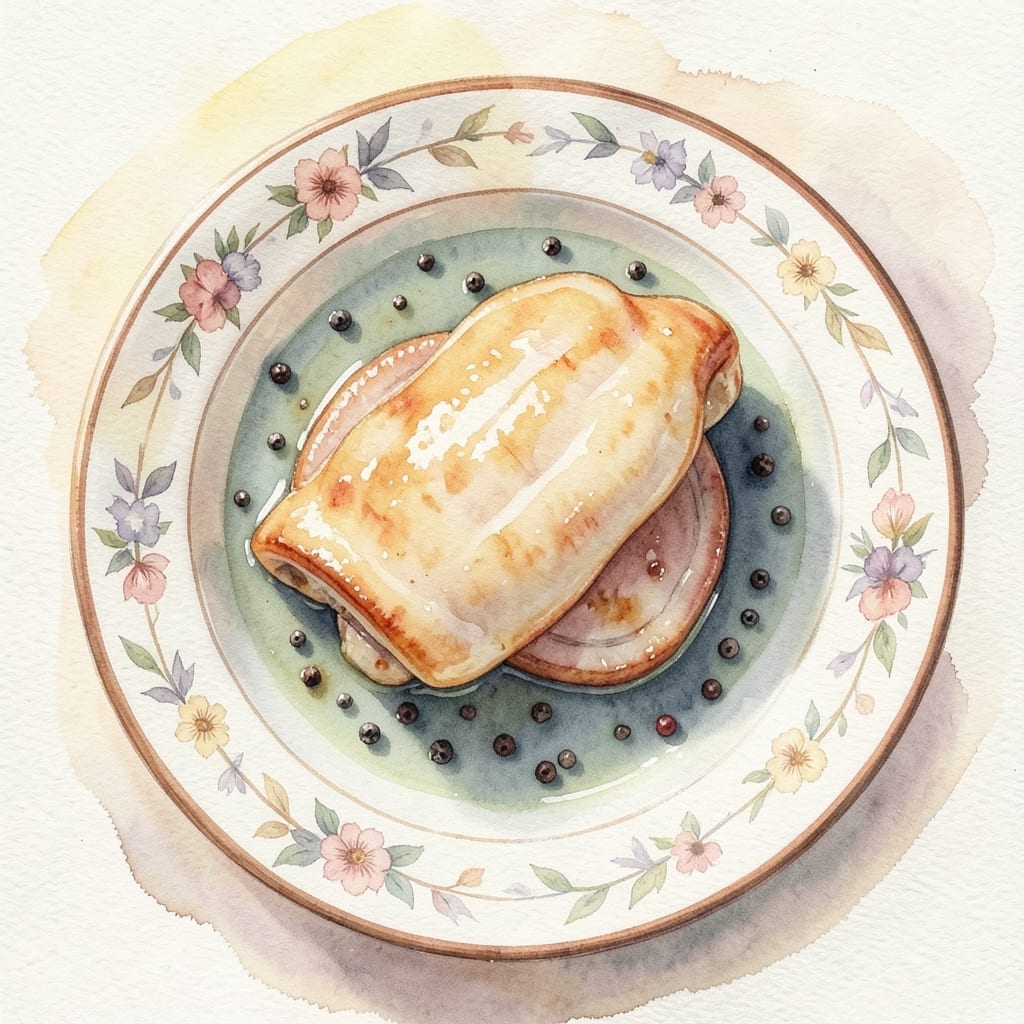
Transforming tough pork belly into crispy, melt-in-your-mouth bacon starts with this best bacon brine recipe—where science meets tradition for unmatched texture and flavor. The key lies in a precise saltwater balance that tenderizes the meat while preserving its natural richness, ensuring every bite delivers that perfect crispy bark and juicy core combination. This method works whether you're smoking, baking, or pan-frying, giving you control over both tradition and convenience.
The brine itself is simple but critical: a carefully measured mix of water, salt, and sugar that penetrates the meat over 24 hours, breaking down collagen and locking in moisture. After curing, you'll choose your cooking method—smoking for deep flavor, baking for convenience, or pan-frying for quick results—each delivering that signature crispy exterior while keeping the inside tender. The secret? Monitoring internal temperature to 155°F, then resting before slicing for clean cuts and maximum flavor retention.
What sets this recipe apart is the balance of technique and flexibility. Whether you're a home cook or a seasoned pro, you'll achieve restaurant-quality bacon with a method that respects tradition while offering shortcuts. The result? Bacon so crisp it shatters, so juicy it melts, and so flavorful it becomes the star of any meal. Perfect for breakfast, charcuterie boards, or as a centerpiece for special occasions.
Ready to elevate your bacon game? This recipe delivers foolproof results every time, with tips for adjusting salt levels, curing times, and cooking methods to suit your kitchen. Let's get started on bacon that will impress even the most discerning taste buds.
Ingredients for best bacon brine recipe for pork belly
Science-meets-tradition ingredients for bacon so crisp it shatters yet juicy enough to melt.
| Ingredient | Amount | Notes |
|---|---|---|
| Pork Belly 🥓 | 2 lb | Skin-on, thick-cut preferred |
| Diamond Crystal Kosher Salt 🧂 | ½ cup | Non-iodized for precise curing |
| Granulated White Sugar 🍚 | ¼ cup | Fine grain for even dissolving |
| Ice Water 💧 | 4 cups | Freshly chilled for optimal brine |
| Fresh Black Peppercorns 🌶️ | 1 tbsp | Crushed for subtle heat |
| Fresh Juniper Berries 🌿 | 4 whole | Crushed lightly for aroma |
| Fresh Rosemary Sprigs 🌿 | 2 whole | Woody stems removed |
| Fresh Thyme Sprigs 🌿 | 2 whole | Leaves only, stems discarded |
| Apple Cider Vinegar 🍎 | 2 tbsp | For subtle tang and preservation |
| Brown Sugar 🍚 | 2 tbsp | Enhances caramelization |
| Baking Soda 🧪 | 1 tsp | Balances acidity, optional |
| Extra-Virgin Olive Oil 🫒 | 1 tbsp | For post-brine coating |
The pork belly is your canvas—thick-cut, skin-on pieces deliver that coveted crispy bark while retaining moisture. Costco or specialty butchers are your best bets for quality cuts, but don't overlook the grocery store's pre-sliced pork belly if you're short on time. Look for pieces with good marbling—those white fat streaks are flavor gold. The Diamond Crystal kosher salt is non-negotiable here; its coarser texture dissolves perfectly and won't cloud your brine like iodized salt. For the herbs, fresh is non-negotiable—dried will overpower the delicate balance we're creating.
No juniper berries? Substitute with 1 tsp juniper extract (trust me, it works). Running short on rosemary? Thyme alone at double the amount carries the day. The apple cider vinegar adds that subtle tang—white vinegar in a pinch, but it'll be less complex. For the sugar, turbinado or raw sugar adds texture if you're feeling fancy. Pro tip: if your pork belly has a strong natural funk, add an extra 1/2 tsp baking soda to balance it. And yes, you can skip the olive oil post-brine if you're baking—it's just insurance for pan-frying.
This brine is a 24-hour commitment, but it's worth every second. Store the pork belly in a non-reactive container (glass or food-grade plastic) with the brine, covered and refrigerated. The herbs and spices can be removed after 12 hours if you're impatient—just don't skip the final 12 hours of curing. Post-brine, pat dry thoroughly (this is where your paper towels earn their keep). The cured bacon keeps 5-7 days wrapped in the fridge, or 3 months frozen—just thaw overnight in the fridge before cooking. For maximum crisp, let it air-dry uncovered on a rack for 1-2 hours before cooking.
Why You'll Love This Recipe
- No Fuss, Big Payoff: I swear by this brine—just salt, sugar, ice water, and peppercorns. No fancy tools, no stress. The pork belly soaks overnight while I sleep, and by morning, it’s done. That’s 30 seconds of active work for hours of flavor payoff.
- Crispy-Creamy Magic: The salt and sugar work their magic—crispy bark outside, melt-in-your-mouth fat inside. Honestly, the peppercorns add this subtle kick that makes it feel gourmet without trying. It’s the kind of texture combo that makes you close your eyes and sigh.
- Weeknight Hero: This isn’t just for holidays. I pull out brined pork belly for lazy Sundays, game day snacks, or when I’m too tired to think. Slice it thin for tacos, cube it for fried rice, or serve it whole with pickles. It’s my go-to when I don’t want to overcomplicate things.
- Leftovers? More Like Winning: The brine makes pork belly last forever—I’ve had it for days in the fridge, reheated in the oven, and it’s still just as good. Between us, that’s a rare feat. Plus, it’s cheaper than buying pre-sliced bacon, and you get way more bang for your buck.
Step-by-step instructions for perfectly brined pork belly
This brine transforms tough pork belly into restaurant-quality bacon with irresistible crispy bark and melt-in-your-mouth tenderness.
Prepare the Brine Solution
In a large non-reactive container (I use a food-safe plastic bin), combine the 4 cups ice water, 0.5 cup Diamond Crystal Kosher Salt, and 0.25 cup Granulated White Sugar. Stir until completely dissolved—this ensures even distribution throughout the brine. The ice water keeps the temperature stable, preventing the pork belly from cooking prematurely in the liquid.
Next, add the 2 tbsp Apple Cider Vinegar and 1 tsp Baking Soda. The vinegar adds subtle tang while the baking soda helps balance the acidity, creating a more stable curing environment. Stir again to fully incorporate. Let the brine sit for 10 minutes to allow the baking soda to fully activate and the temperature to stabilize.
Infuse the Brine with Aromatics
Crush the 1 tbsp Fresh Black Peppercorns lightly with a mortar and pestle or rolling pin—just enough to release their oils without turning into powder. Add them to the brine along with the 4 whole Fresh Juniper Berries (lightly crushed), 2 whole Fresh Rosemary Sprigs (woody stems removed), and 2 whole Fresh Thyme Sprigs (leaves only). Stir gently to distribute these aromatic elements throughout the liquid.
Add the 2 tbsp Brown Sugar to the brine. This enhances caramelization during cooking, giving your pork belly that coveted deep bark. The herbs and spices will infuse the brine over the next 24 hours, creating a flavorful liquid that penetrates every inch of the pork belly.
Cure the Pork Belly
Submerge the 2 lb Pork Belly completely in the brine, ensuring it's fully covered. If needed, weigh it down with a plate or small bowl to keep it submerged. Place the container in the refrigerator and let it cure for 24 hours—this is non-negotiable for proper curing and flavor penetration. The cold temperature slows bacterial activity while allowing the brine to work its magic.
After 24 hours, remove the pork belly from the brine and pat it dry thoroughly with paper towels. This step is crucial—any remaining moisture will prevent crispy bark. Let it air-dry uncovered on a wire rack in the refrigerator for 12 hours (or overnight). The surface should feel firm to the touch, indicating it's ready for cooking.
Coat and Rest Before Cooking
Once the pork belly is completely dry, coat it generously with 1 tbsp Extra-Virgin Olive Oil. This creates a barrier that promotes even browning and adds subtle richness. Let it rest at room temperature for 30 minutes before cooking—this ensures even heat distribution when it hits the hot surface.
This brine method delivers the perfect balance of crispy exterior and tender interior. The herbs and spices create complex layers of flavor, while the precise curing process guarantees juicy, melt-in-your-mouth pork belly every time. Now it's ready for your preferred cooking method—whether that's slow-roasting, smoking, or pan-searing.
Pro Tips For Making Best Bacon Brine Recipe For Pork Belly
- USE COLD BRINE: I used to eyeball the water temperature and ended up with lukewarm brine that barely penetrated the fat cap. Now I fill the container with ice water first—enough to chill the mix to about 40°F before adding salt and sugar. The pork belly absorbs flavor faster this way, and the texture stays tender.
- CRUSH THOSE PEPPERCORNS: Freshly cracked peppercorns make a real difference, but don’t just dump whole berries into the brine. Lightly crush them with the flat side of a knife or a mortar—just enough to release the oils without turning it into a paste. This ensures even distribution and a subtle, consistent bite throughout the pork belly.
- BRINE FOR 12 HOURS MINIMUM: I learned this the hard way—skipping overnight brining left the outer layer salty while the center tasted bland. For pork belly, 12 hours is the absolute minimum; 24 hours is ideal. Use a food-safe container with enough brine to fully submerge the meat, and keep it refrigerated.
- DRAIN AND PAT DRY: After brining, resist the urge to rinse the pork belly. Instead, drain it on a rack for 10-15 minutes, then pat it thoroughly dry with paper towels. This step is non-negotiable—wet pork belly won’t develop that crispy, caramelized crust no matter how hot your pan gets. (Yes, even if you’re impatient like me.)
Regional styles of this recipe
Southern Smoked Style
In the South, pork belly bacon is all about low-and-slow smoking with hickory or applewood. After brining, smoke the belly at 225°F for 4-5 hours until the internal temp hits 160°F. The key? A water pan in your smoker keeps humidity high, preventing the bark from drying out. Finish with a 375°F oven blast for 15 minutes to crisp the edges. Serve with peach jam for a sweet-savory contrast. 🔥
Italian Dry-Cured Tradition
Italy’s guanciale method skips the brine entirely, but we’ll adapt it here. After curing, pat the pork belly dry and rub with 1 tsp fennel seeds and ½ tsp black pepper. Air-dry uncovered for 24 hours (not 12), then roast at 325°F for 2 hours until 150°F internal. The result? A firm, fatty bite with herbal depth—perfect for carbonara or panini. 🌿
Nordic Spiced Crisp
Scandinavian cooks love mustard and aquavit in their bacon. After brining, mix 1 tbsp yellow mustard powder with 1 tbsp aquavit (or vodka) and brush it on the belly. Smoke at 200°F for 6 hours with birch wood for a smoky-sweet flavor. The mustard adds a tangy kick that cuts through the fat. Serve with lingonberry jam for a Nordic-inspired breakfast. ❄️
Asian Five-Spice Glaze
For a fusion twist, add 1 tsp Chinese five-spice powder to the brine. After curing, glaze the belly with a mix of 2 tbsp honey and 1 tbsp soy sauce, then roast at 350°F for 1.5 hours until caramelized. The five-spice brings cinnamon, star anise, and clove notes that pair perfectly with steamed jasmine rice or miso soup. 🌶️
Breakfast Board Star
This is my go-to for charcuterie boards. After brining, slice the bacon into ¼-inch thick strips and pan-fry in duck fat (or olive oil) until deep golden. Arrange on a board with fig jam, brie, and honeycomb. The crispy edges hold up perfectly, and the herbal notes shine when paired with creamy cheeses. 🍳
Shortcut Oven Method
No smoker? No problem. After brining, score the fat in a diamond pattern (don’t cut into the meat) and roast at 300°F for 2.5 hours on a wire rack over a baking sheet. Increase heat to 425°F for the last 15 minutes to crisp. This method delivers restaurant-quality bark with minimal effort—ideal for weeknight breakfasts. ⏱️
Nutrition facts
Frequently asked questions
Can I use this brine for regular bacon instead of pork belly?
This recipe is specifically designed for pork belly—the thick fat layers and connective tissue benefit most from the long curing time. For regular bacon cuts (like pork shoulder), reduce the brine time to 12-16 hours and use half the sugar to prevent over-salting. The herbs will still infuse beautifully, but the texture will be more traditional bacon rather than the ultra-crispy, melt-in-your-mouth result you get with pork belly.
What's the best way to store leftover brine?
After removing the pork belly, strain the brine through a fine-mesh sieve to remove herbs and spices. Store the liquid in an airtight container in the fridge for up to 1 week—it makes an excellent marinade for chicken, fish, or tofu! For longer storage, freeze in ice cube trays. The baking soda may cause slight cloudiness, but it won't affect flavor. Just don't reuse it for curing meat.
Why does my bacon turn out soggy instead of crispy?
Soggy bacon usually means one of two things: not drying long enough or cooking at too low a temperature. After brining, your pork belly needs 12+ hours of uncovered drying time in the fridge. For cooking, aim for the highest heat your method allows—425°F+ for oven methods, or 375°F+ for the final crisping stage. The bark should snap when pressed, not bend.
Can I skip the herbs and still get great flavor?
The herbs add complexity, but the brine's base (salt, sugar, and vinegar) will still deliver amazing results. For a simpler version, just use 1 tsp black pepper and 1 tsp brown sugar in the brine. The key flavors come from the curing process itself—salt breaks down proteins, sugar caramelizes, and the vinegar adds subtle tang. You'll still get that perfect crispy bark and juicy interior.
How do I adjust this for a larger batch of pork belly?
Scale the brine ingredients by 1:1 ratio—for 4 lbs pork belly, use 1 cup salt, ½ cup sugar, and 8 cups water. Keep the same proportions of herbs and vinegar. The curing time remains 24 hours, but you may need a larger container. For cooking, increase oven time by 30-45 minutes (monitor internal temp) and consider using two racks to accommodate the extra thickness.