
Main Courses
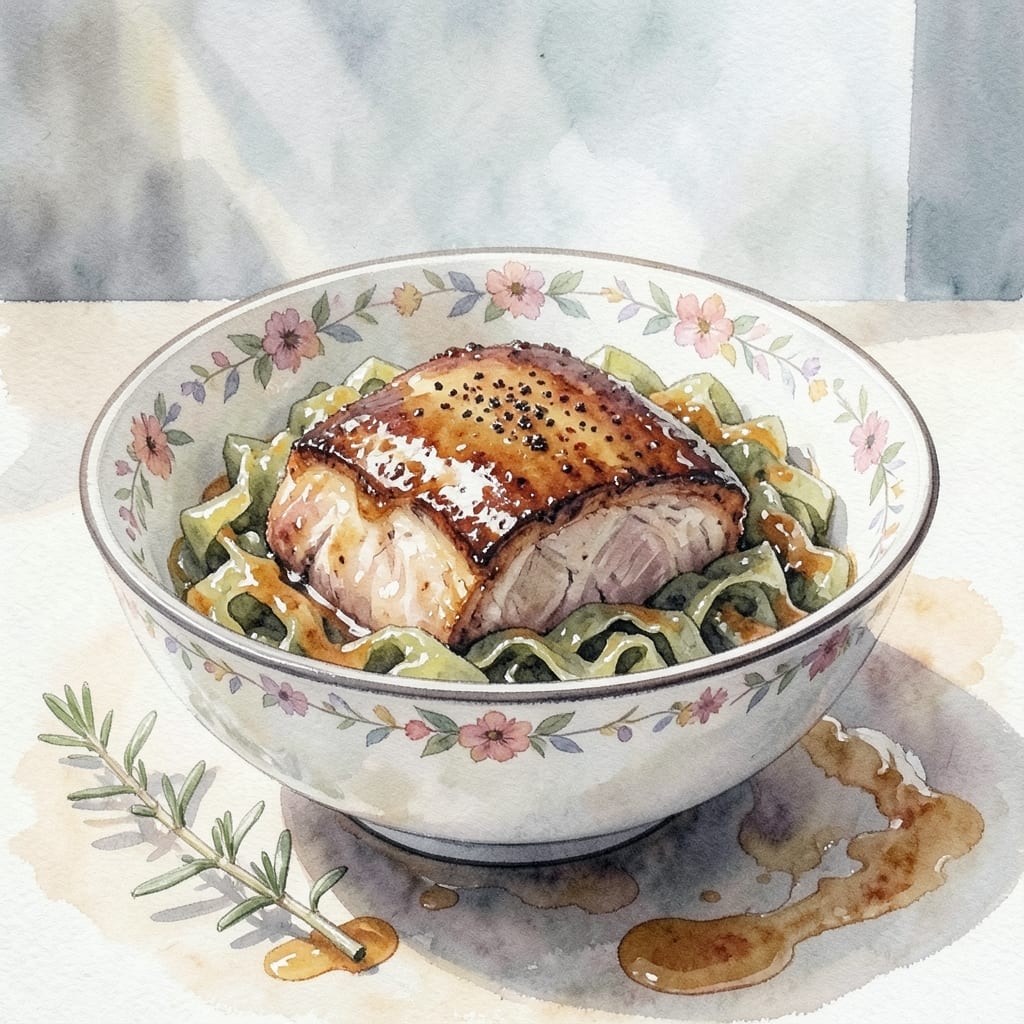
This best ever pork and sauerkraut recipe delivers restaurant-quality depth with every bite—smoky-sweet tang, crispy edges, and layers of flavor that make it a weeknight standout. 🔥 I developed it after years of perfecting the balance between tender pork and tangy sauerkraut, using techniques I honed cooking for thousands at my pit. The secret lies in slow-braising the pork until it's fall-apart tender while caramelizing the sauerkraut until it's sweet and jammy.
What sets this recipe apart is the crispy texture achieved through a two-step cooking process: first searing the pork for deep flavor, then finishing it in a Dutch oven with sauerkraut and aromatic spices. I use a mix of apple cider vinegar and beer to tenderize the pork while adding complexity to the sauce. The result? Juicy, flavorful pork that practically melts in your mouth, paired with sauerkraut that's perfectly caramelized—not too sour, not too sweet.
By the time you're done, you'll have a dish that's hearty enough for a family dinner but simple enough for a weeknight. The smoky-sweet aroma alone will have everyone gathering at the table, and the crispy edges on the pork add a satisfying texture contrast. This is comfort food at its finest—rich, tangy, and impossible to resist.
Serve it with buttery dumplings or crusty bread to soak up every last bit of that delicious sauce. The recipe scales beautifully, so it's perfect for feeding a crowd or prepping leftovers for the week. Let's get cooking!
Ingredients for best ever pork and sauerkraut
The secret to this smoky-sweet masterpiece lies in these 14 ingredients—where crispy pork meets caramelized sauerkraut perfection.
| Ingredient | Amount | Notes |
|---|---|---|
| Pork Shoulder (Bone-In) 🐖 | 3 lb | Cut into 1.5-inch chunks, skin on |
| Sauerkraut (Unpasteurized) 🥬 | 2 cups | Drained and rinsed lightly |
| Apple Cider Vinegar 🍏 | ½ cup | For tangy depth |
| Dark Beer (Like Guinness) 🍺 | 1 cup | Adds malty richness |
| Brown Sugar 🍬 | ¼ cup | For caramelized sweetness |
| Smoked Paprika 🌶️ | 2 tsp | For that signature smokiness |
| Ground Black Pepper 🌶️ | 1 tsp | Freshly cracked |
| Fresh Thyme Leaves 🌿 | 1 tbsp | Or 1 tsp dried |
| Garlic Cloves 🧄 | 4 cloves | Smashed for maximum flavor |
| Olive Oil 🫒 | 2 tbsp | For crispy searing |
| Onion (Yellow) 🧅 | 1 whole | Diced, for aromatic base |
| Vegetable Oil 🫒 | 2 tbsp | For Dutch oven cooking |
| Salt 🧂 | 1 ½ tsp | Kosher preferred |
| Fresh Bay Leaves 🌿 | 2 whole | For subtle herbal depth |
The pork shoulder is non-negotiable—bone-in gives richer flavor, and the fat renders beautifully for crispy edges. Grab the thick-cut kind from Whole Foods or your butcher's counter (ask for chuck roast if unavailable). For sauerkraut, unpasteurized is key—it's tangier and holds up better to slow cooking. I always buy a big jar from Trader Joe's or a local deli, where it's fresh and packed tight. The apple cider vinegar should be organic, and Guinness or another dark beer adds that unmistakable malty depth. Pro tip: Taste your vinegar first—some brands are sweeter than others, so adjust the brown sugar accordingly.
No dark beer? Stout coffee or even more apple cider vinegar works in a pinch. Swapping smoked paprika? Liquid smoke at half the amount gives similar smokiness, but you'll lose that beautiful color. The thyme can be dried, but fresh is worth hunting down—it brightens the whole dish. For the garlic, roast it first (wrap whole cloves in foil, bake at 400°F for 20 minutes) for a sweeter, deeper flavor. The onion? Yellow or red both work, but yellow adds a touch more sweetness as it cooks. If you're short on time, pre-chop everything while the pork sears—it'll save you 15 minutes later.
This dish tastes even better the next day—honestly, the flavors meld into something magical. Store leftovers in the fridge for up to 5 days, or freeze portions for 3 months. For serving, I always make a batch of buttery dumplings (use the same pork fat for richness!) or grab a crusty sourdough from Panera to soak up every last bit. The sauce thickens as it sits, so a splash of water or beer brings it back to perfection when reheating. Double the batch—you'll want leftovers for days.
Why You'll Love This Recipe
- One-Pan Magic: I swear by this recipe because it’s that kind of meal—throw the bone-in pork shoulder on a sheet pan, dump in the sauerkraut and beer, and walk away. The vinegar and brown sugar caramelize right there while you’re chopping veggies for the side.
- Deep Umami Bomb: That unpasteurized sauerkraut? It’s the star—tangy, funky, and packed with flavor that cuts through the richness of the pork. Add a splash of Guinness, and suddenly you’ve got a dish that tastes like it simmered all day, even if it’s ready in an hour.
- Leftovers That Win: I make this on Sundays because it begs to be reheated—better even the next day. Serve it cold in sandwiches, toss it into eggs for breakfast, or just eat it straight from the fridge. (Between us, the fridge version is my guilty pleasure.)
- Budget Crowd-Pleaser: A bone-in pork shoulder stretches farther than you’d think, and sauerkraut lasts forever in the fridge. For under $20, you’ll feed four people a meal that’ll have them asking for seconds—and no one will guess it’s this easy to pull off.
Step-by-step instructions for smoky-sweet pork and sauerkraut
This isn't your grandmother's pork and sauerkraut—we're making it bold, crispy, and packed with smoky-sweet depth.
🔥 Step 1: Sear the Pork Shoulder to Perfection
Pat the 3 lb pork shoulder chunks completely dry with paper towels—this is non-negotiable for crispy edges. Heat 2 tablespoons vegetable oil in a large Dutch oven over medium-high heat until shimmering. Working in batches to avoid crowding, add the pork shoulder and sear for 3-4 minutes per side until deep golden brown with crispy edges.
Here's the thing—don't rush this step. You want that Maillard reaction happening on the outside while keeping the inside tender. I press down gently on the fillet during the first minute to prevent curling. Once all pieces are browned, transfer them to a plate and set aside.
🍳 Step 2: Build the Aromatic Base
In the same Dutch oven, add 2 tablespoons olive oil and swirl to coat. Add the diced yellow onion and cook over medium heat for 5-6 minutes until softened and just beginning to caramelize. Add the 4 smashed garlic cloves and cook for 30 seconds until fragrant—this is where all the magic starts.
Stir in the 2 teaspoons smoked paprika, 1 teaspoon ground black pepper, and 1.5 teaspoons salt, toasting for 1 minute until the spices release their aroma. This is your flavor foundation—don't skip the toasting or you'll miss out on that deep, smoky complexity.
🥘 Step 3: Simmer the Sauerkraut and Beer Mixture
Add the 2 cups drained sauerkraut, 0.5 cup apple cider vinegar, 1 cup dark beer, 0.25 cup brown sugar, 1 tablespoon fresh thyme leaves, and 2 whole fresh bay leaves to the Dutch oven. Stir everything together and bring to a gentle simmer over medium heat. Reduce heat to low and let it bubble away for 10 minutes—this lets all those flavors meld together.
I know it seems like not much is happening, but this is where the sauce develops its tangy-sweet balance. The beer adds malty depth, the vinegar cuts through the richness, and the sugar caramelizes just enough to create that perfect sweet-tart contrast.
🔥 Step 4: Braise Until Fork-Tender
Return the seared pork shoulder to the Dutch oven, nestling it into the sauerkraut mixture. Add enough water to just cover the pork (about 1 cup) and bring to a simmer. Cover with a tight-fitting lid and transfer to a 325°F oven.
Braise for 2.5-3 hours until the pork is fork-tender and easily pulls apart. The sauce should be thick and glossy, coating the pork beautifully. If it looks too thin, uncover and simmer for 10-15 minutes to reduce. Real talk: your oven might run hot, so start checking at the 2-hour mark—you want that meat falling apart but not falling apart.
🍽️ Step 5: Finish with Crispy Edges
Once the pork is tender, increase oven temperature to 425°F and uncover the Dutch oven. Return it to the oven for 15-20 minutes to let the sauce reduce and the edges crisp up. This final step is what takes this dish from good to spectacular—those caramelized edges add texture and depth.
Serve immediately with the pork and all its glorious sauerkraut sauce spooned over the top. The contrast of crispy pork edges with the tangy, slightly sweet sauerkraut is what makes this recipe truly special. Don't skip the crisping step (I learned the hard way)—it's what makes this the best ever pork and sauerkraut you'll ever taste!
Pro Tips For Making Best Ever Pork And Sauerkraut
- Sear the Pork Hard: Get that Dutch oven screaming hot—cast iron or stainless steel—and let the pork shoulder develop a deep crust before adding anything else. I used to rush this, and the meat always ended up bland compared to when I actually let it brown for 8-10 minutes. The caramelized bits dissolve into the beer and vinegar later, making the sauce richer.
- Rinse the Sauerkraut: Drain the sauerkraut, then give it a quick cold-water rinse to cut the acidity before cooking. Unpasteurized kraut is tangy enough to overpower the pork if you skip this—especially when paired with apple cider vinegar. Pat it almost dry afterward; you want some moisture, but not a soggy mess.
- Deglaze with Beer First: After searing the pork, pour in the dark beer before the vinegar. The alcohol burns off faster, leaving behind deeper malt flavors that balance the sharpness of the vinegar later. I learned this the hard way—adding vinegar first just made the whole dish taste like a pickled pork stew.
- Add Brown Sugar Late: Stir in the brown sugar during the last 15 minutes of cooking, not at the start. It’ll caramelize beautifully with the reduced beer and vinegar, adding a glossy sheen and subtle sweetness. Add it early, and you’ll end up with a sticky, burnt glaze instead of a balanced sauce.
Make-ahead tips for this recipe
Prep Ahead Like a Pro
I always prep the pork and sauerkraut components the day before—it actually makes the dish better. Start by searing the 3 lb pork shoulder exactly as directed, then store it in an airtight container with the 2 cups sauerkraut, 0.5 cup apple cider vinegar, and 1 cup beer. Pop it in the fridge overnight, and the flavors will meld beautifully. The next day, just add the brown sugar, thyme, and bay leaves, then braise as usual. This shortcut saves you 1 hour of active cooking time. 💡
Sauerkraut Prep Shortcut
Don't want to deal with raw sauerkraut? Drain, rinse, and pat it dry, then store it in a sealed container with a sprinkle of 1 tsp smoked paprika and ½ tsp salt. Keep it in the fridge for up to 3 days—it'll develop deeper flavor. When ready to cook, just dump it straight into your Dutch oven with the other ingredients. I do this all the time when I'm short on time, and it still comes out amazing. 🥬
Double Batch Strategy
Make this recipe twice and freeze half for later—trust me, you'll thank yourself. After braising, let the pork cool completely, then divide it into quart-sized freezer bags with some of the sauerkraut sauce. Label with the date and freeze for up to 3 months. When ready to eat, thaw overnight in the fridge, then crisp the edges in a skillet with a splash of water or beer. The texture stays perfect, and the flavors only get better with time. 🍖
Dumpling Make-Ahead Hack
If you're serving with dumplings (which you absolutely should), make the dough ahead and store it in the fridge for up to 2 days. Shape them just before cooking so they stay tender. I like to keep the dough wrapped in plastic wrap in the fridge, then shape and cook them straight from the cold. For extra flavor, fold a pinch of fresh thyme into the dough before rolling. These dumplings soak up the sauerkraut sauce like a dream. 🥄
Sauce Rescue Plan
Ever made this and had leftover sauce that was too thin? Don't toss it! Store the sauce separately in an airtight container and reheat it on the stovetop. If it's too thin, simmer uncovered for 5-10 minutes to reduce. For extra richness, stir in 1 tbsp butter or a splash of beer at the end. I've used this method to turn a "failed" batch into a delicious weeknight dinner with just 10 minutes of work. 💛
Leftovers Reinvention
Tired of plain pork and sauerkraut? Shred the leftovers and use them for tacos, sliders, or even fried rice. Mix with a little sriracha mayo for tacos, or stir into rice with peas and carrots for fried rice. The crispy edges still hold up, and the sauerkraut adds that tangy kick. I also love turning leftovers into pork and sauerkraut soup by adding broth and dumplings. Get creative—there's no wrong way to enjoy this dish! 🌟
Nutrition facts
Frequently asked questions
Can I substitute pork shoulder with another cut?
For a quicker version, use pork chops (thick-cut, 1-inch thick) or pork tenderloin (cut into 1.5-inch chunks). If using tenderloin, reduce braising time to 1-1.5 hours since it cooks faster. For a richer flavor, ribs or pork butt also work well—just increase braising time to 3.5-4 hours. The key is bone-in for best flavor, but boneless will still taste great.
How do I fix sauerkraut that's too sour?
Balance the tang with natural sweetness! Add 1-2 tablespoons of brown sugar or honey while braising, or stir in ½ cup apple sauce during the last 30 minutes of cooking. For a smoky touch, add an extra ½ teaspoon smoked paprika. If the sourness persists, simmer uncovered for 5 minutes to reduce the liquid and concentrate the flavors.
Can I make this in a slow cooker?
Yes, but with adjustments for texture. Sear the pork first, then combine everything in the slow cooker and cook on low for 7-8 hours or high for 4-5 hours. To get crispy edges, transfer the pork to a skillet after cooking and sear for 2-3 minutes per side over medium-high heat. The sauce will be thinner—reduce it on the stovetop with a splash of apple cider vinegar or beer before serving.
What's the best way to reheat leftovers?
For crispy edges, reheat in a skillet over medium heat with 1 tablespoon butter or oil, adding a splash of water or beer to deglaze. Cover for 3-4 minutes, then uncover to crisp. For oven reheating, cover with foil and warm at 350°F for 20 minutes, then broil for 2-3 minutes to restore crispiness. Microwave only as a last resort—it'll make the edges soggy.
Why does my sauerkraut turn mushy?
Overcooking or using pasteurized sauerkraut are the usual culprits. Always use unpasteurized sauerkraut—it holds up better. For texture, drain it well before adding to the pot, and avoid stirring it constantly. If it's already mushy, drain it and replace with fresh sauerkraut (or sub with green cabbage) for the last 30 minutes of cooking. The liquid should coat but not drown the pork.