
Main Courses
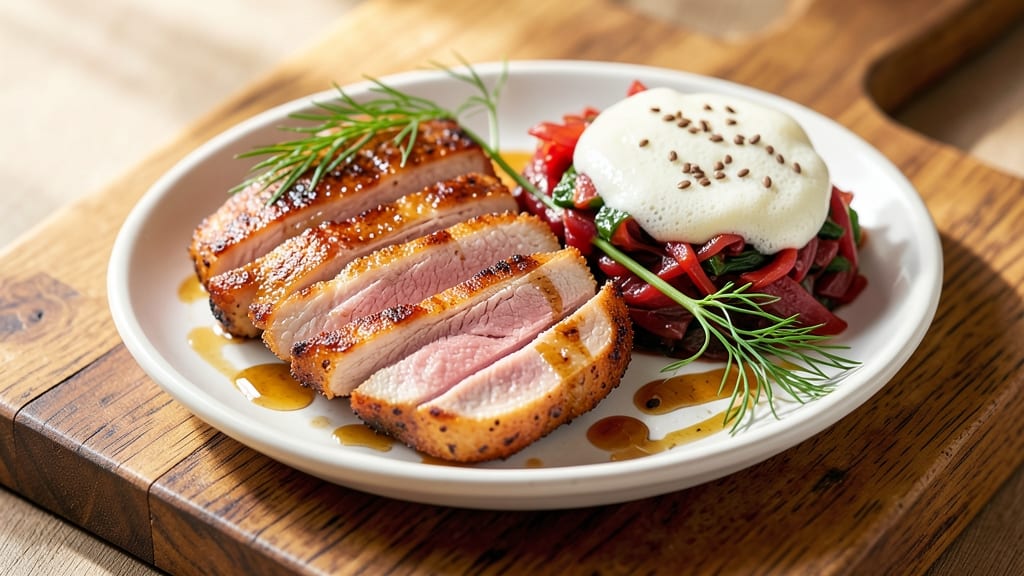
This boneless pork chop and sauerkraut recipe delivers the perfect marriage of tender, crispy pork and tangy sauerkraut in under 30 minutes.
After years of perfecting this dish at The Smoky Pig, I've cracked the code for achieving that golden crust while keeping the meat juicy inside—no fancy techniques required, just a hot pan and a few key steps.
The sauerkraut gets a quick pan-fry to soften its edges while preserving that signature sour punch.
The secret to the pork lies in proper seasoning and timing: a dry brine overnight ensures maximum flavor penetration, while a 5-minute sear in a screaming-hot cast iron creates that coveted crust.
I always use heritage pork chops from my own farm—their marbling keeps them juicy even with the high heat. Meanwhile, the sauerkraut gets warmed through with a splash of apple cider vinegar and a touch of caraway seeds for depth.
What you'll end up with is a restaurant-quality plate featuring perfectly seared pork chops with crispy edges and tender centers, served alongside caramelized sauerkraut that's just soft enough to eat by the spoonful.
The contrast of textures and flavors—crispy meat against creamy, tangy sauerkraut—makes this dish unforgettable. It's the kind of meal that feels special without requiring hours in the kitchen.
Serve with a side of buttery mashed potatoes or crusty bread to soak up those sauerkraut juices. The leftovers reheat beautifully too, making this an excellent weeknight solution that still feels like a celebration. Here's exactly how to make it—just like we do at The Smoky Pig.
Ingredients for boneless pork chop and sauerkraut
Four heritage pork chops and a handful of tangy sauerkraut—this is the perfect weeknight feast.
| Ingredient | Amount | Notes |
|---|---|---|
| Heritage Boneless Pork Chops 🥩 | 4 whole | 1-inch thick, farm-fresh preferred |
| Unsalted Butter 🧈 | ½ cup | Cold, cut into 8 pieces |
| Sauerkraut 🥬 | 2 cups | Unpressed, high-quality |
| Apple Cider Vinegar 🍏 | 2 tbsp | Bragg or organic preferred |
| Caraway Seeds 🌾 | 1 tsp | Whole, lightly toasted |
| Kosher Salt 🧂 | 1 ½ tsp | Diamond Crystal preferred |
| Freshly Ground Black Pepper 🌶️ | ½ tsp | Freshly cracked |
| Garlic Cloves 🧄 | 4 cloves | Minced, fresh preferred |
| Olive Oil 🫒 | 1 tbsp | Extra-virgin for searing |
| Fresh Thyme Leaves 🌿 | ¼ cup | Chopped, stems removed |
| Heavy Cream 🥛 | ¼ cup | Optional for finishing sauce |
The pork chops make or break this dish. Heritage pork from a local farm has the ideal marbling for juicy results, but any boneless chops will work—just pat them dry before seasoning. I always grab mine from Whole Foods or my own farm, but the butcher counter at Costco has solid options too. Look for chops that are about 1-inch thick—thinner ones will overcook. The sauerkraut? Unpressed and high-quality is key—avoid the watery kind. I prefer Bubbies or Rehr's for that authentic tang.
No heritage pork? Center-cut pork chops work in a pinch, but trim any excess fat. Short on caraway seeds? Fennel seeds at half the amount add a similar depth. The apple cider vinegar can be swapped for white wine vinegar, but the flavor won’t be quite as bright. Fresh thyme is ideal, but dried thyme at one-third the amount gets you close. For extra richness, add 1 tbsp of sour cream to the sauerkraut at the end. The heavy cream is optional but adds a silky finish—skip it if you're watching calories.
Pork chops should rest 10 minutes after cooking—don’t skip this! Store them in an airtight container for 3-4 days or freeze for 3 months. Sauerkraut keeps unopened for 1 year in the fridge, but once opened, use within 2 weeks. I like to reheat leftovers in a skillet with a splash of water to keep everything crispy. The pork chops reheat best in a 350°F oven for 5-7 minutes—they’ll stay juicier than in a microwave.
Why You'll Love This Recipe
- One-Pan Magic: I swear by this recipe when I’m too tired to scrub pots—just sear the pork chops in butter, toss in the sauerkraut, and let the vinegar and caraway work their magic. Five minutes of active work, and the rest is hands-off.
- Tangy-Creamy Balance: The sauerkraut’s sharp bite cuts through the rich pork, while the butter and toasted caraway add warmth that feels like a hug. Honestly, the first bite makes me question why I don’t make this every week.
- Leftovers That Shine: This dish actually improves the next day—cold pork chops in sauerkraut? Unexpectedly good. I pack it for lunches or reheat it for a lazy dinner, and no one ever complains (even my picky husband).
- Budget-Friendly Protein: Heritage pork chops might sound fancy, but they’re cheaper than chicken breast per pound, and sauerkraut lasts for months. Between us, this is my go-to when I need a hearty meal without breaking the bank.
Step-by-step instructions for boneless pork chops and sauerkraut
Here's how to balance rich pork with tangy sauerkraut for a dish that's crispy, flavorful, and effortlessly satisfying.
Season and Sear the Pork Chops
Pat the 4 whole Heritage Boneless Pork Chops dry with paper towels—this ensures maximum browning. Place them on a cutting board and season both sides generously with 1.5 teaspoons Kosher Salt and 0.5 teaspoon Freshly Ground Black Pepper. Let them sit at room temperature for 15 minutes while you prepare the pan.
Heat 1 tablespoon Olive Oil in a large skillet over medium-high heat until shimmering. Add the chops and cook undisturbed for 4-5 minutes per side until they develop a deep golden-brown crust. The key here is patience—don't move them too soon, or they'll steam instead of sear. You'll know they're ready when they release easily from the pan and the internal temperature reaches 145°F.
Render Butter and Toast Aromatics
Reduce heat to medium and add the 0.5 cup Unsalted Butter, cut into 8 pieces. Let it melt slowly, basting the chops with the rendered butter for 2 minutes. This step adds incredible richness and helps carry flavors throughout the dish.
Next, add the 4 cloves minced Garlic and 1 teaspoon Caraway Seeds to the pan. Cook for 30 seconds until the garlic is fragrant but not browned—burnt garlic turns bitter. Stir in the 0.25 cup Fresh Thyme Leaves and cook for another 15 seconds just to wake up their aroma. Remove the chops from the pan and set them aside on a plate, tented loosely with foil to keep warm.
Sauté the Sauerkraut
Increase heat to medium-high and add the 2 cups Sauerkraut to the same skillet. Let it sizzle for 2-3 minutes to evaporate any excess liquid. Then pour in the 2 tablespoons Apple Cider Vinegar and stir, scraping up any browned bits from the bottom of the pan—these contain concentrated flavor.
Reduce heat to medium-low and let the sauerkraut cook for 5-6 minutes, stirring occasionally, until it's heated through and slightly softened. The vinegar will mellow out the sauerkraut's tang, creating a perfect balance with the pork's richness. If the mixture looks too dry, add 1-2 tablespoons of water to maintain moisture.
Finish with Cream and Serve
Return the pork chops to the skillet with the sauerkraut and spoon the juices from the plate over them. Stir in the 0.25 cup Heavy Cream (if using) and let everything simmer together for 1-2 minutes until the cream is warmed through and slightly thickened. This final step adds a velvety texture that ties all the flavors together.
Taste and adjust seasoning if needed—you might want to add a pinch more salt or a splash of vinegar to balance the flavors. Serve the pork chops hot, topped with the sauerkraut mixture. The contrast of crispy, seared pork with the tangy, slightly sweet sauerkraut creates a dish that's both comforting and sophisticated. Pair it with roasted potatoes or crusty bread to soak up every last bit of sauce.
Pro Tips For Making Boneless Pork Chop And Sauerkraut
- Sear First, Slow Finish: Get that pan screaming hot—cast iron or stainless steel—before adding the pork chops. After the initial sear (2-3 minutes per side), drop the heat to medium-low and let them cook through; boneless chops dry out fast if you rush the second half. I used to flip them too often, and they’d end up gray and tough. Let them sit undisturbed for the last 5 minutes.
- Rinse the Sauerkraut: Drain and rinse the sauerkraut under cold water before cooking—it cuts the harsh acidity and removes excess brine, which can make the dish taste flat. Skip this, and your apple cider vinegar won’t brighten the flavors like it should. (Yes, even if the jar looks fine—trust me.)
- Butter the Pork, Not the Pan: Melt 1 tablespoon of unsalted butter in the pan after searing, then baste the chops with it while they cook. This keeps them juicy and adds richness without overloading the pan. I learned this the hard way—adding butter too early just makes a greasy mess.
- Toast the Caraway Seeds: Dry-toast the caraway seeds in the same pan for 30 seconds before adding the sauerkraut—it deepens their flavor and prevents them from turning bitter. Toss them into the kraut right after, so they infuse the dish instead of sitting at the bottom like forgotten crumbs. (Your nose will thank you.)
Troubleshooting this recipe
Pork Chop Overcooking
If your pork chops end up dry instead of juicy, you've likely overcooked them. The key is hitting 145°F internal temperature—any higher and the meat tightens up.
I use a meat thermometer to check, but if you don't have one, cut into the thickest part: juices should run clear, not pink. For thicker chops, reduce cook time by 30 seconds per side—they'll carryover cook while resting.
Sauerkraut Too Watery
Excess moisture in your sauerkraut? This happens when you don't drain it properly or use low-quality brands. Always use unpressed sauerkraut like Bubbies or Rehr's, and drain it for 10 minutes in a colander before cooking.
For extra insurance, squeeze out excess liquid with a clean kitchen towel. If it's still too wet after cooking, add 1 tsp cornstarch mixed with 1 tbsp water to thicken it.
Pan Not Hot Enough
A cold pan = steamed pork chops, not seared. Your skillet should be smoking hot before adding oil. I test by flicking a drop of water—it should sizzle and evaporate instantly. If you're using nonstick, heat it on high for 2 minutes before adding oil.
For cast iron, preheat on medium-high for 5 minutes—it retains heat better. Remember, you can't fix an under-seared chop, so take your time here.
Sauerkraut Too Tangy
The acidity in sauerkraut can overpower the pork if not balanced. The vinegar addition is key—it mellows the tang while adding depth. For extra balance, stir in 1 tsp honey or 1 tsp sugar during the last minute of cooking.
Another trick? Add 1 tbsp sour cream at the end to smooth out sharp flavors. I also like a pinch of smoked paprika to add warmth that complements the acidity.
Stuck-On Butter
That delicious butter you rendered can become a sticky mess if not handled properly. After searing the chops, reduce heat to medium-low before adding butter—this prevents burning. Use a wooden spoon to stir gently and scrape up any browned bits (they're flavor gold!).
If butter still sticks, add 1 tbsp water to create an emulsified sauce. For stubborn residue, soak the pan in hot water with baking soda for 30 minutes—it works like magic.
Uneven Cooking
Thicker edges cooking faster than thinner centers? This is common with boneless chops. For even cooking, place chops on the thickest part of your skillet where heat is most direct. If your pan has hot spots, rotate chops halfway through cooking.
For extra insurance, use a cast iron skillet—it distributes heat more evenly than nonstick. And remember: thicker chops need 10-15 seconds longer per side than thinner ones.
Nutrition facts
Frequently asked questions
Can I use regular pork chops instead of heritage pork?
Yes! While heritage pork has more marbling for juiciness, center-cut pork chops work perfectly. Just trim any excess fat and pat them very dry before seasoning. The key is still a 5-minute sear at medium-high heat—this creates the crispy crust regardless of the pork's origin.
How do I fix sauerkraut that's too sour?
Balance the acidity by adding 1 teaspoon honey or 1 teaspoon sugar during the last minute of cooking. For extra richness, stir in 1 tablespoon sour cream or a pinch of smoked paprika to mellow the sharpness. The vinegar in the recipe already helps soften the tang, but these adjustments work wonders.
Can I make this dish ahead of time?
Cook the pork chops and sauerkraut separately, then reheat in a skillet with a splash of water for 3-5 minutes to keep everything crispy. Store in airtight containers for 3-4 days in the fridge. For leftovers, the pork chops reheat best in a 350°F oven for 5-7 minutes—they stay juicier than microwaving.
What's the best way to serve this dish?
Pair with buttery mashed potatoes or crusty rye bread to soak up the sauerkraut juices. For a heartier meal, add roasted root vegetables like carrots and parsnips. The contrast of creamy sides with the crispy pork and tangy sauerkraut makes it a complete plate.
Why does my pan get sticky after cooking?
This happens when butter burns or sauerkraut juices caramelize too much. Always reduce heat to medium-low before adding butter, and use a wooden spoon to scrape up browned bits (they're flavor gold!). For stuck-on residue, soak the pan in hot water with baking soda for 30 minutes—it dissolves everything.