
Main Courses
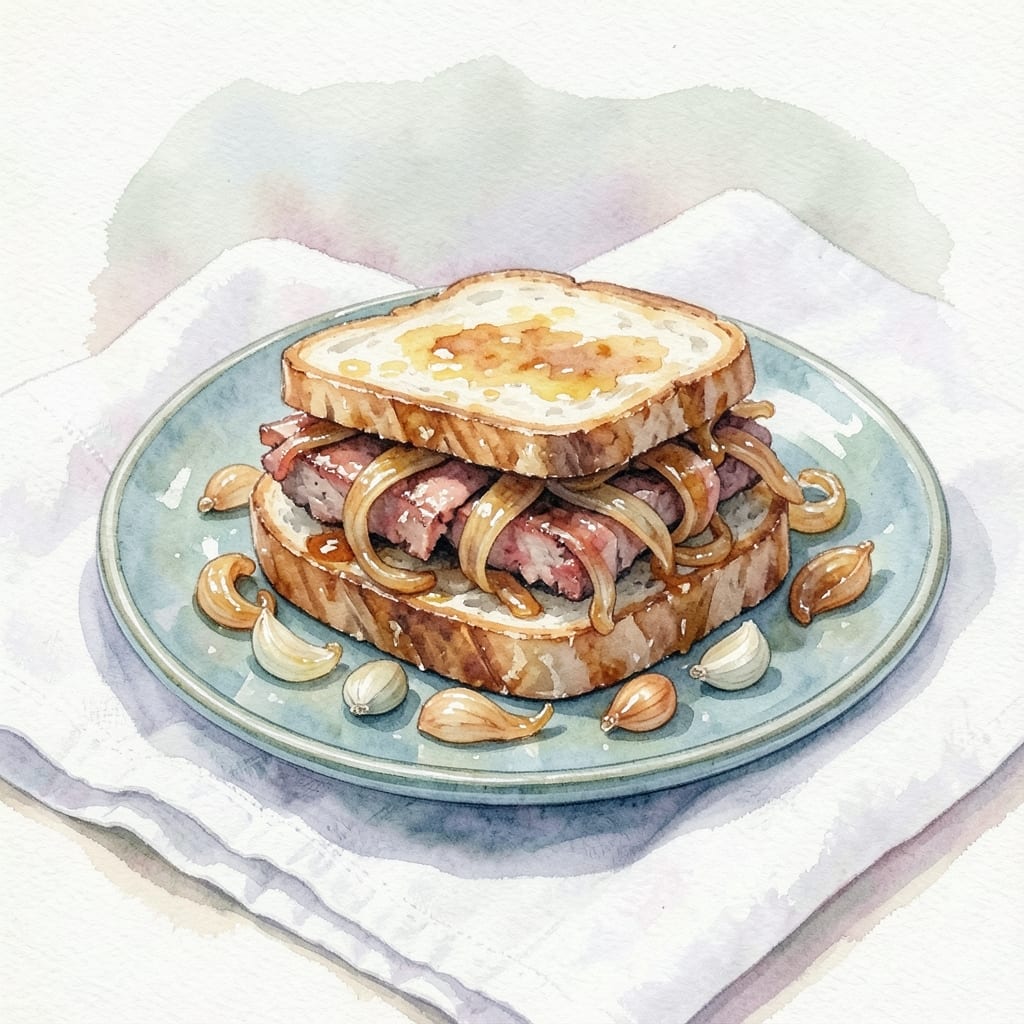
This best ever pulled pork sandwich recipe delivers melt-in-your-mouth tenderness and a smoky depth that rivals any competition-winning pitmaster. 🔥 I've perfected it over years of smoking pork shoulders in Atlanta's humid summers, where the slow cook transforms tough meat into something so tender it practically shreds at a touch. The secret lies in a dry rub that develops a flavorful bark while keeping the meat juicy inside.
What sets this recipe apart is the balance of techniques: a low-and-slow cook (8 hours on the smoker or 6 in the oven) followed by a quick sear in apple cider vinegar to lock in moisture and add tangy brightness. The sandwich assembly matters too - toasted buns with a thin layer of mayonnaise prevent sogginess, while crisp pickles and cool coleslaw cut through the richness. Every bite delivers that perfect harmony of textures and flavors.
The result is a sandwich so good it'll have you questioning why you ever bought pre-packaged versions. The pork falls apart effortlessly, the sauce clings perfectly, and the crust on the bread stays crisp even after the first bite. This is the kind of recipe that becomes a family staple, served at picnics, game days, and holiday gatherings. The method scales beautifully too - double the batch for a crowd and store leftovers in the fridge for up to 5 days.
For those who love regional variations, I've included tips for both Carolina-style vinegar-based sauce and Texas-style tomato-based barbecue in the variations section. The key to both is patience - pulled pork rewards time more than anything else. Whether you're a BBQ novice or seasoned pitmaster, this recipe delivers professional-quality results with simple techniques.
Ingredients for best ever pulled pork sandwich
Six pounds of pork shoulder and fifteen bold ingredients transform into smoky, melt-in-your-mouth sandwiches that'll have everyone begging for seconds.
| Ingredient | Amount | Notes |
|---|---|---|
| Pork Shoulder (Bone-In) 🍖 | 6 lb | Well-marbled for juiciness |
| Yellow Onion 🧅 | 1 whole | Chopped into 1-inch pieces |
| Garlic Cloves 🧄 | 6 cloves | Peeled and smashed |
| Brown Sugar 🍚 | ¼ cup | Light or dark variety |
| Smoked Paprika 🌶️ | 2 tbsp | For deep smoky flavor |
| Ground Black Pepper 🌶️ | 1 tbsp | Freshly cracked preferred |
| Kosher Salt 🧂 | 1 ½ tbsp | Diamond Crystal preferred |
| Ground Cumin 🌿 | 1 tbsp | Toasted for depth |
| Mustard Powder 🍯 | 1 tsp | For subtle tang |
| Apple Cider Vinegar 🍎 | ½ cup | For final sear |
| Honey 🍯 | ¼ cup | Wildflower preferred |
| Mayonnaise 🥫 | ½ cup | For bun assembly |
| Potato Buns 🍞 | 12 whole | Toasted for crispiness |
| Dill Pickle Chips 🥒 | 1 cup | For crunch |
| Shredded Cabbage 🥬 | 2 cups | For coleslaw |
The pork shoulder is the star—look for a well-marbled cut with good fat distribution. Costco and Whole Foods carry excellent options, but any quality butcher will have it. Trim excess fat if it's thick, but leave some for flavor. The dry rub is non-negotiable: Penzeys smoked paprika gives that authentic smokehouse taste. Toast your spices in a dry pan for 30 seconds to wake up their flavors—trust me, it makes a difference. And don't skimp on the brown sugar; it's what gives that perfect caramelized bark.
No apple cider vinegar? White vinegar or balsamic works in a pinch, but the apple cider adds that perfect tangy-sweet balance. The honey should be wildflower or clover—avoid those cheap grocery store brands that taste like corn syrup. For the buns, potato buns from Trader Joe's stay soft longer than regular hamburger buns. The coleslaw mix can be pre-shredded from the bag, but if you're feeling fancy, use a mandoline for perfectly thin slices. And if you're making this for a crowd, double the rub and save the leftovers for tacos or nachos—it's that versatile.
Leftovers are a game-changer—this pork actually tastes better the next day as all the flavors meld together. Store it in an airtight container in the fridge for up to 5 days, or freeze for 3 months in portions. The buns toast best when fresh, but you can reheat them in a dry skillet for 30 seconds per side. Pro tip: assemble sandwiches just before serving to keep the buns crisp. And if you're feeding a crowd, make the pork in the morning and let it rest—it'll be even more tender by lunchtime.
Why You'll Love This Recipe
- Foolproof Prep: I swear by this—just sear the pork shoulder with salt, toss it in a slow cooker with chopped onions, minced garlic, and a splash of vinegar. No fancy steps, no stress.
- Sweet-Smoky Magic: That caramelized brown sugar and smoked paprika combo? It turns tough pork into something tender and ridiculously flavorful. The kind of taste that makes people ask for seconds before they even finish their first bite.
- Budget-Friendly Crowd-Pleaser: A bone-in pork shoulder stretches further than you’d think, and the ingredients won’t break the bank. Perfect for game days, potlucks, or when you’re feeding a house full of hungry people.
Step-by-step instructions for smokehouse-style pulled pork sandwiches
This method delivers melt-in-your-mouth pulled pork with that signature smoky-sweet bark you crave.
🔥 Step 1: Build the Rub and Prep the Pork
In a medium bowl, combine the 0.25 cup brown sugar, 2 tbsp smoked paprika, 1 tbsp ground black pepper, 1.5 tbsp kosher salt, 1 tbsp ground cumin, and 1 tsp mustard powder. Mix until the spices are completely incorporated and the sugar is evenly distributed—this creates those beautiful crusty pockets we're after.
Pat the 6 lb pork shoulder completely dry with paper towels (moisture is the enemy of bark). Then generously coat the entire surface with the rub, pressing it into the meat so it sticks. Let it sit at room temperature for 1 hour—this allows the rub to penetrate and the meat to cook more evenly. Here's the thing—don't skip this resting time. Cold meat cooks unevenly and can lead to tough results.
🔥 Step 2: Smoke the Pork Low and Slow
Set your smoker to 225°F using hickory or oak wood chips. When the smoker reaches temperature and you see clean blue smoke (not thick white steam), place the pork shoulder fat-side up on the grill grates. The fat should render down and baste the meat as it cooks, creating that incredible bark.
Smoke the pork undisturbed for 6-8 hours until the internal temperature hits 165-170°F. You'll notice the meat will hit "the stall" around this point—when the temperature stops rising despite the smoke. This is normal! At this stage, wrap the pork tightly in butcher paper (not foil) and return it to the smoker. This technique, called the "Texas crutch," helps power through the stall while maintaining that perfect bark.
🔥 Step 3: Finish with the Vinegar-Honey Glaze
Continue smoking until the internal temperature reaches 200-203°F and the meat is fork-tender. In a small saucepan, combine the 0.5 cup apple cider vinegar and 0.25 cup honey over medium heat. Simmer for 3-4 minutes until slightly thickened—this creates a glossy, tangy-sweet glaze that'll elevate your pork to the next level.
Brush this mixture generously over the pork, then return it to the smoker for 15-20 minutes to caramelize the glaze. The pork is done when it reaches 203°F internally and the probe slides in like butter. Remove from the smoker and let it rest for 45 minutes wrapped in butcher paper—this resting period is crucial for juicy, pull-apart perfection.
🍳 Step 4: Shred and Assemble the Sandwiches
Once rested, remove all the bones and fat, then shred the pork using two forks. The meat should pull apart easily with minimal effort—if it's still tough, let it rest another 10 minutes. In a large bowl, combine the shredded pork with the remaining 0.5 cup mayonnaise and mix gently to coat.
Toast the 12 potato buns lightly until they're golden and crispy. For each sandwich, layer 1 cup shredded cabbage on the bottom half, then add a generous portion of the pulled pork mixture. Top with the other bun half and sprinkle with dill pickle chips for that perfect crunch and tangy contrast. Serve immediately while the buns are still warm and melty!
Pro Tips For Making Best Ever Pulled Pork Sandwich
- CRANK THE HEAT FIRST: The first 30 minutes of cooking that pork shoulder should be hot enough to sear—not just warm. I used to take it easy, and the bark never formed right. Now I blast the oven (or smoker) to 425°F (220°C) for that initial crust, then drop to 225°F (107°C). That’s when the magic starts.
- TRIM THE FAT, NOT THE FLAVOR: Leave the fat cap on the pork shoulder—it renders down and baste the meat, keeping it juicy. But scrape off any thick, yellowed fat along the edges before seasoning; it burns before the meat does. (Yes, even if the butcher says it’s fine—that’s how you end up with bitter smoke.)
- DON’T RUSH THE REST: Pull the pork at 195°F (90°C) internal temp, then tent it with foil and let it sit for 20–30 minutes. I learned this after shredding a batch that was still stringy because I couldn’t wait. The rest time lets the collagen fully break down—no more dry, tough bites.
- USE THE ONION WATER: After caramelizing the onions and garlic for the rub, don’t toss that syrupy liquid. Strain it, reduce it by half, and brush it on the pork during the last hour of cooking. The concentrated sweetness and depth of flavor? Game-changer. (And yes, it’s worth the extra 5 minutes.)
Essential equipment for perfect results
Smoker Essentials
You don't need a fancy $2,000 smoker to make perfect pulled pork—I've done it on a Traeger Lil' Tex (around $200) and a Weber Smokey Mountain (classic for $250). The key is maintaining 225°F consistently. I swear by a Meater thermometer ($100) for accuracy—it's got a remote probe that lets me monitor temperature from my kitchen. For wood, stick with hickory or oak chips; they give that authentic smokehouse flavor without overpowering the rub. 🌡️
Oven Alternative
No smoker? No problem. I use my Breville Smart Oven Air Fryer (with the convection setting) for weeknight batches. Set it to 225°F and place the pork on a wire rack over a tray filled with 1 cup apple juice to create smoke. Add wood chips soaked in water to the juice for extra flavor. The pork takes about 6 hours to reach 203°F this way. For larger batches, a Le Creuset Dutch oven in a 325°F oven works too—just add ½ cup beef broth to the pot and cover with a lid.
Instant Pot Hack
For quick weeknight meals, my Instant Pot Duo delivers restaurant-quality results in 2 hours. Start by browning the pork in the pot with 1 tbsp oil, then add ½ cup chicken broth and the dry rub. Cook on high pressure for 90 minutes, then quick-release. Finish with the vinegar-honey glaze and let it rest. The texture isn't quite as bark-y as smoked pork, but it's still incredibly tender and flavorful. Perfect for when you're short on time but still want that smoky goodness. ⚡
Shredding Tools
Don't waste your time fighting with forks to shred pork—I use a National PR-400 meat claw ($15) that makes quick work of even the toughest pork. For larger batches, my KitchenAid stand mixer with the meat attachment (attachment sold separately) shreds 10 pounds in minutes. If you're on a budget, two forks work fine, but the claw gives you more control and cleaner results. Pro tip: Always shred against the grain for maximum tenderness.
Bun Toaster
Crispy buns make all the difference. I use a Black+Decker 4-slice toaster ($30) exclusively for buns—it gets them perfectly golden without burning. For larger gatherings, a George Foreman Grill on medium heat works great too. The key is toasting them just before assembling so they stay crisp. I also keep a heat lamp nearby to reheat buns if they get soggy while I'm serving. Never microwave buns—they turn rubbery and lose all their texture. 🍞
Storage Containers
Leftovers are where pulled pork shines, so invest in good storage. I use Glasslock 2-quart containers for fridge storage—they're airtight and keep pork moist for up to 5 days. For freezing, Stasher bags (with their push-to-seal lids) are my go-to—they're BPA-free and let me portion out sandwiches perfectly. When reheating, I always add 1-2 tbsp broth or water to prevent drying out. And never store pork with the vinegar glaze—save that for fresh sandwiches only. ❄️
Nutrition facts
Frequently asked questions
Can I use a different cut of pork instead of shoulder?
While pork shoulder is ideal for its fat content and collagen, you can use pork butt (they're essentially the same cut) or pork loin in a pinch. For loin, increase cooking time slightly as it's leaner. Never use tenderloin—it's too delicate and will dry out. The key is choosing a cut with enough fat and connective tissue to become tender when slow-cooked.
How do I know when the pork is perfectly cooked?
Use a meat thermometer to check internal temperature—it should reach 203°F for perfect tenderness. The probe should slide in like butter with no resistance. Another test: press a fork into the thickest part—if it falls apart completely, it's ready. Never judge by time alone, as pork cooks at different rates depending on your equipment.
What's the best way to reheat leftovers without drying them out?
Add 1-2 tablespoons of broth or water per pound of pork to a skillet or microwave-safe dish. Cover and heat on low heat (or 50% power in microwave) for 2-3 minutes until warmed through. Never reheat dry—this is why I recommend storing pork separately from sauces or glaze until serving.
Can I make this in an Instant Pot instead of smoking?
Brown the pork first, then cook on high pressure for 90 minutes with ½ cup broth and the dry rub. Quick-release, finish with the vinegar-honey glaze, and rest as directed. The texture won't be identical to smoked pork, but it's still incredibly tender and flavorful—perfect for weeknights.
Why does my pulled pork sometimes turn out tough?
Most common causes: cooking too fast (high heat), not resting the meat after cooking, or using lean cuts. Always maintain 225°F or lower, let the pork rest 45 minutes after cooking, and choose well-marbled cuts. If you're in a hurry, try the Instant Pot method—it's more forgiving for beginners.