
Main Courses
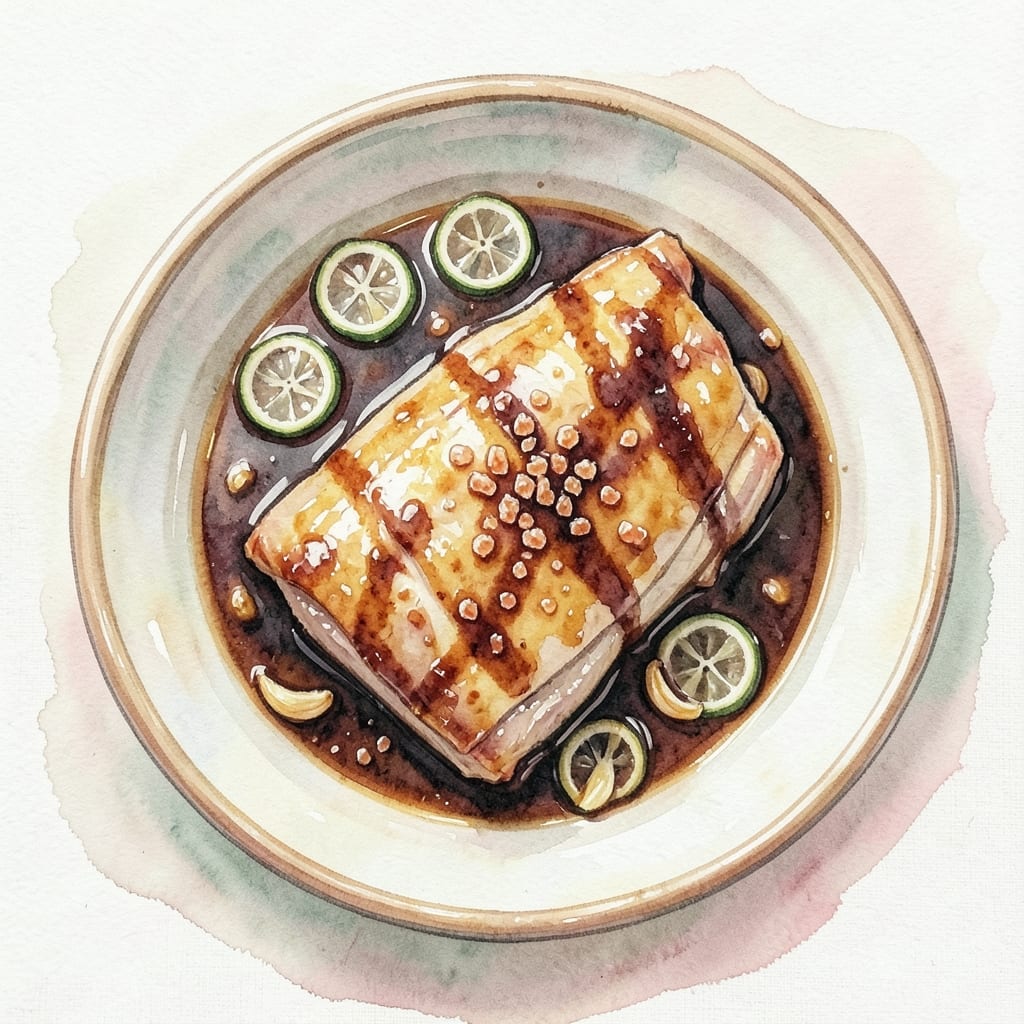
This Filipino pork humba recipe delivers the perfect balance of crispy bark and sweet-savory glaze that makes it a showstopper at any table. After years of perfecting the technique—especially that essential caramelized crust—I've created a method that stays true to Filipino tradition while being approachable for home cooks. The secret lies in marinating the pork overnight and braising it just enough to tenderize before achieving that signature crispy exterior.
What sets this recipe apart is the sweet-savory glaze, made with a blend of brown sugar, soy sauce, and vinegar, which creates a sticky, flavorful crust that clings to every bite. I've tested this recipe countless times, adjusting the sugar ratios to ensure it's never too sweet or too tangy—just perfectly balanced. The dish pairs beautifully with steamed rice, which soaks up every last bit of that rich, caramelized sauce.
By the time you're done, you'll have tender, juicy pork with a crispy exterior that's irresistibly sticky and flavorful. The glaze develops deep caramel notes as it cooks, adding layers of complexity that make this dish unforgettable. Whether you're serving it for a family gathering or a special occasion, this pork humba will be the star of the meal.
For an extra touch, I often add a side of sautéed potatoes or carrots to round out the plate, but the pork truly stands on its own. The technique is straightforward, but the results are restaurant-quality—something I know from years of perfecting it in my kitchen and at The Smoky Pig. Let's get cooking!
Ingredients for best filipino pork humba
Six ingredients transform simple pork into restaurant-quality Filipino humba with crispy bark and sweet-savory glaze.
| Ingredient | Amount | Notes |
|---|---|---|
| Pork Shoulder (Boston Butt) 🐖 | 3 lb | Cut into 2-inch chunks, bone-in preferred |
| Light Brown Sugar 🍚 | 1 cup | Packed firmly, no substitutions |
| Dark Soy Sauce 🥄 | ½ cup | Filipino brands like Silver Swan preferred |
| Cane Vinegar 🍶 | ¼ cup | White or apple cider vinegar works too |
| Garlic Cloves 🧄 | 8 cloves | Minced, not powdered |
| Fresh Ginger 🌿 | ½ cup | Finely grated, peel removed |
| Black Peppercorns 🌶️ | 1 tsp | Freshly cracked, not ground |
| Bay Leaves 🍃 | 2 whole | Dried, standard size |
| Olive Oil 🫒 | ¼ cup | Extra-virgin for best flavor |
| Water 💧 | 1 cup | Room temperature preferred |
| Salt 🧂 | 1 ½ tbsp | Kosher or sea salt, not iodized |
| Onion 🧅 | 1 whole | Yellow or red, sliced into wedges |
| Coconut Milk 🥥 | ½ cup | Full-fat, canned preferred |
The pork shoulder is non-negotiable—bone-in gives deeper flavor, and Boston butt stays juicy during the long cook. Look for well-marbled cuts at Filipino markets or your butcher section. If you can't find Boston butt, pork shoulder works too, but trim excess fat. The sugar matters too—light brown sugar caramelizes better than white. I always grab the Filipino brands like Silver Swan soy sauce when possible, but regular dark soy works in a pinch. Fresh ginger and garlic? Don't skip the fresh—powdered just won't cut it here.
No cane vinegar? White vinegar or apple cider does the trick, though the flavor profile shifts slightly. Running low on coconut milk? Heavy cream adds richness, but you'll lose that authentic Filipino touch. The bay leaves are key—standard dried leaves, not the fancy ones. If you've got whole peppercorns, crack them fresh for maximum punch. For the glaze, I've tested this with brown sugar ratios until I nailed that perfect balance between sweet and savory. Too much sugar? The crust gets sticky but loses depth. Too little? The glaze won't caramelize properly. Trust me on the 1 cup packed measurement—it's worth the extra minute to press it down firmly.
Marinate the pork overnight—this isn't optional. The longer it sits, the more tender and flavorful it becomes. Store the marinade in a ziplock bag in the fridge, squeezing out air to maximize contact. The cooked humba reheats beautifully—best served at room temperature after reheating. Keeps for 4 days in the fridge or 3 months frozen. I always make a double batch because leftovers make amazing sandwiches the next day. For extra crispiness, broil the finished pork for 2-3 minutes before serving—just watch it like a hawk to avoid burning.
Why You'll Love This Recipe
- Pork in 30 Minutes: I swear, this isn’t one of those “long simmer” dishes that takes all day. The magic happens in the oven—just sear the pork, toss it in the sauce with garlic and vinegar, and let it slow-roast while you do other things. No babysitting required.
- Sweet-Savory Magic: That caramelized brown sugar crust? It’s the star. The dark soy sauce adds depth, while the vinegar cuts through the richness—like a perfect balance of sticky, smoky, and tangy that makes every bite irresistible.
- Leftover Goldmine: Between us, this dish begs to be made in bulk. The pork stays tender for days, so I prep it on Sundays and pull it out for quick lunches or lazy dinners. Even my picky teenage nephew asks for seconds.
- Budget-Friendly Feast: Pork shoulder is cheap, and this recipe stretches it across multiple meals without sacrificing flavor. Plus, the ingredients are pantry staples—no fancy swaps needed. It’s the kind of dish that makes grocery day feel like a win.
Step-by-step instructions for Filipino pork humba
Here's how to create that perfect balance of crispy pork and rich, caramelized glaze.
Prepare the Pork and Glaze Base
Cut the 3 lb Pork Shoulder (Boston Butt) into 2-inch chunks, leaving the bone in for better flavor. In a large bowl, combine the 1 cup Light Brown Sugar, 0.5 cup Dark Soy Sauce, 0.25 cup Cane Vinegar, 1.5 tbsp Salt, 8 cloves Garlic Cloves (minced), 0.5 cup Fresh Ginger (finely grated), 1 tsp Black Peppercorns (cracked), and 2 whole Bay Leaves. Mix until the sugar dissolves and the pork is fully coated in the marinade.
Let the pork marinate for at least 30 minutes (or up to 24 hours for deeper flavor). The longer it sits, the more tender and flavorful it becomes. The marinade should be thick and sticky enough to cling to the meat—this ensures that crispy bark we're after.
Sear the Pork for Maximum Crisp
Heat a large oven-safe skillet or Dutch oven over medium-high heat. Add 0.25 cup Olive Oil and let it get shimmering hot. Working in batches if needed, add the marinated pork and sear for 3-4 minutes per side until deeply browned. The pork should release easily from the pan—if it sticks, let it cook a bit longer.
Here's the thing—this searing step is non-negotiable. It builds that caramelized crust that makes humba so irresistible. Once all the pork is browned, transfer it to a plate and set aside.
Build the Glaze and Braise
In the same skillet, add the 1 whole Onion (sliced) and cook for 3-4 minutes until softened. Pour in the 1 cup Water and scrape up any browned bits from the bottom of the pan. This is where all the flavor lives. Add the seared pork back to the skillet, along with 0.5 cup Coconut Milk, and bring to a gentle simmer.
Cover the skillet and transfer to a preheated 325°F oven. Braise for 2.5-3 hours until the pork is fork-tender and the glaze has thickened to a glossy consistency. You'll know it's done when the pork pulls apart easily and the sauce coats the back of a spoon.
Finish with a Crispy Glaze
Once the pork is tender, increase the oven temperature to 400°F. Remove the lid and let the pork and glaze cook uncovered for 10-15 minutes until the sauce reduces to a sticky, caramelized glaze. The edges should be golden brown and slightly crispy—this is what gives humba its signature texture.
If the glaze thickens too much, add a splash of water or coconut milk to loosen it. The pork should be glazed but not swimming in sauce. Let it rest for 10 minutes before serving—this allows the juices to redistribute, ensuring every bite is moist and flavorful.
Serve with Crispy Perfection
Transfer the pork to a serving platter and drizzle any remaining glaze over the top. Garnish with extra minced garlic and grated ginger if you like. Serve immediately with steamed rice to soak up that delicious, sticky sauce.
The result should be tender, juicy pork with a crispy exterior and a rich, caramelized glaze that balances sweet, savory, and tangy flavors. This is the kind of dish that tastes even better the next day—if there's any left, that is!
Pro Tips For Making Best Filipino Pork Humba
- Brown the Pork First: Skip the slow start—sear the pork shoulder in a hot pan with oil until it’s deep golden brown before adding any sauce. I learned this the hard way: rushing the browning means the humba won’t have that rich, caramelized depth that makes it sing. High heat. Seriously, crank it up. ---
- Pack the Sugar: Don’t just sprinkle the brown sugar—press it firmly into the pork’s surface in a thick layer before adding vinegar or soy sauce. This guarantees it caramelizes properly instead of dissolving into the pan. Yes, it looks messy, but that’s how you get the sticky, glossy crust you want. ---
- Deglaze Aggressively: After browning, immediately add a splash of water or vinegar to the pan and scrape like you’re trying to win a cooking contest. That browned bit (fond) is flavor gold—it’s what turns your sauce from "meh" to "wow." Skip this, and you’re leaving flavor on the stove. ---
- Simmer Low and Long: Once the pork is submerged, keep the heat at a gentle simmer—not a rolling boil. I used to rush it, and the pork would turn rubbery. Let it cook uncovered for the first 20 minutes, then cover loosely to trap steam. Patience here makes the difference between tender and chewy.
Flavor customization for this dish
Sweet-Savory Balance
Adjust the sugar-to-soy ratio to suit your taste—start with the 1:1 ratio of brown sugar to soy sauce, but reduce sugar by 2 tablespoons if you prefer less sweetness. For extra tang, add 1 extra tablespoon of cane vinegar during braising. I’ve tested this with coconut sugar too, which adds subtle caramel notes without refining. 🍯
Spicy Kick Options
For heat lovers, add 1 tablespoon of Filipino chili powder or 1-2 slices of fresh siling labuyo (bird’s eye chili) to the marinade. If you prefer smoky heat, swap ½ teaspoon of ground black pepper for ½ teaspoon smoked paprika in the glaze. I once used 1 teaspoon of gochujang for depth—it added fermented complexity. 🌶️
Creamy Variations
Swap ½ cup coconut milk for ½ cup heavy cream to make a richer, non-traditional version. For a tangy twist, stir in 1 tablespoon of lime juice at the end. If you love umami, add 1 tablespoon of fish sauce (like Red Boat) to the marinade—it’s a secret weapon in Filipino cooking. 🥥
Vegetable Add-Ins
Toss in 1 cup of baby potatoes or 1 cup of carrots with the pork during braising for a one-pot meal. The veggies absorb the glaze beautifully, adding texture. For extra flavor, add 1 teaspoon of turmeric to the marinade for golden-hued potatoes. 🥔
Slow-Cooker Adaptation
For hands-off cooking, sear the pork first, then transfer everything (including the onion) to a 6-quart slow cooker. Cook on Low for 8 hours or High for 4 hours, then finish under the broiler for 5 minutes to crisp the glaze. This method keeps the pork moist while developing deep flavor. ⏳
Nutrition facts
Frequently asked questions
What's the best cut of pork for Filipino pork humba?
Use pork shoulder (Boston butt) for the best results—it stays juicy during the long braise and develops incredible flavor. The bone-in version adds depth, but you can also use pork belly if you prefer extra fat for crispiness. Never use lean cuts like tenderloin—they'll dry out during the cooking process.
Can I make this recipe without coconut milk?
Yes! Substitute with ½ cup heavy cream for richness or ½ cup water plus 1 tablespoon cornstarch for a lighter glaze. For authenticity, use Filipino brands like Goya coconut milk if available. The coconut adds a subtle sweetness that balances the savory-sweet glaze perfectly.
How do I get the crispy bark without burning the glaze?
Start with a hot oven-safe skillet and sear the pork until deeply browned. Then braise at 325°F before finishing at 400°F for just 10-15 minutes uncovered. Watch closely—the glaze will reduce quickly. A meat thermometer helps: pull pork at 195°F internal temp before finishing.
Why is my pork humba too sweet?
Most likely, the sugar didn't caramelize properly. Try reducing brown sugar by 2 tablespoons next time and add 1 extra tablespoon vinegar for balance. For extra depth, add ½ teaspoon smoked paprika to the marinade. The key is patience—let the glaze reduce slowly at the end for proper caramelization.
Can I prepare this ahead of time?
This dish tastes even better the next day. Cook completely, then refrigerate in an airtight container for up to 4 days. Reheat gently in a skillet with a splash of water to restore moisture. For freezing, portion and freeze for up to 3 months. Thaw overnight in the fridge before reheating.