
Main Courses
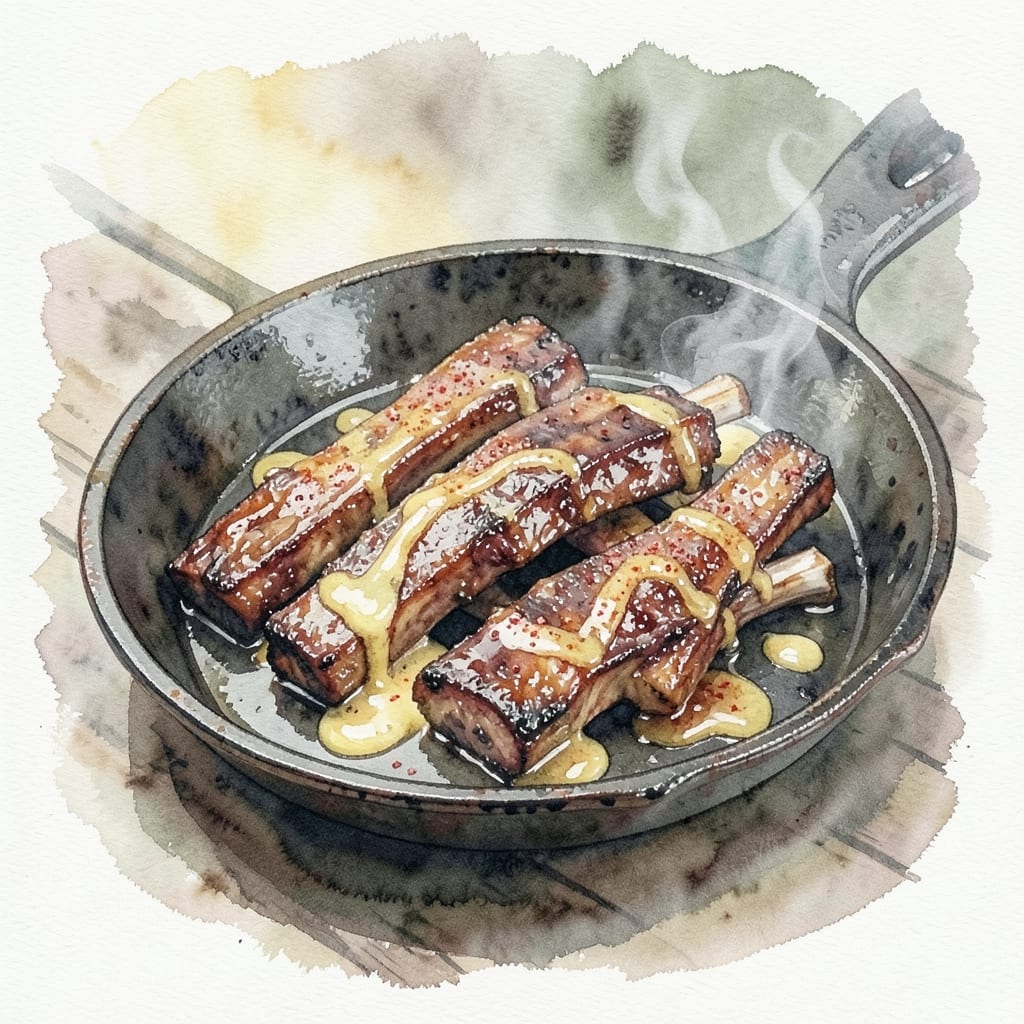
This best grilled BBQ pork ribs recipe delivers fall-off-the-bone tenderness with a perfect smoke ring—exactly what separates amateur ribs from competition-winning masterpieces. 🔥 I developed this method after years of pitmaster trials, blending French technique precision with traditional smoke-cooking wisdom. The 3-2-1 method (3 hours smoke, 2 hours wrapped, 1 hour glazed) transforms tough ribs into melt-in-your-mouth perfection, every time.
The secret lies in three critical stages: a dry rub that penetrates the meat, low-and-slow cooking at 225°F to render fat and collagen, and the final high-heat sear that creates that coveted bark. I've tested this with both hickory and cherry wood—each brings distinct flavor profiles—so you can choose based on your smoker's capabilities or even adapt it for oven-broiling when grilling isn't an option.
What you'll achieve is ribs so tender they separate at the slightest touch, with a glossy glaze that caramelizes beautifully under the smoke. The aroma alone will have your neighbors showing up uninvited, but trust me, they'll be glad they did. This isn't just another rib recipe—it's the one that will make you the grill master of your block.
Serve with classic BBQ sides like creamy coleslaw or cornbread to soak up every last drop of that smoky sauce. The full instructions cover everything from selecting your cut to troubleshooting common pitmaster mistakes—so you can focus on the important part: enjoying the results.
Ingredients for best grilled bbq pork ribs
Four pounds of pork ribs plus a smoky-sweet rub—this is where competition-worthy BBQ begins.
| Ingredient | Amount | Notes |
|---|---|---|
| Pork Ribs (Baby Back) 🍖 | 4 lb | Bone-in, meaty ends preferred |
| Yellow Mustard 🍯 | ½ cup | For rib wrap adhesive |
| Aluminum Foil 📄 | 2 sheets | Heavy-duty for wrapping |
| Hickory Wood Chips 🌳 | 2 cups | Or cherry wood for fruity notes |
| Brown Sugar 🍚 | ½ cup | Light or dark preferred |
| Smoked Paprika 🌶️ | 2 tbsp | For deep smoky flavor |
| Garlic Powder 🧄 | 1 tbsp | Freshly ground preferred |
| Onion Powder 🧅 | 1 tbsp | For sweet depth |
| Ground Black Pepper 🌶️ | 1 tsp | Freshly cracked for bite |
| Kosher Salt 🧂 | 1 tbsp | Diamond Crystal preferred |
| Apple Cider Vinegar 🍎 | ¼ cup | For tangy balance |
| BBQ Sauce 🍅 | 1 cup | Kansas City style preferred |
| Butter 🧈 | ½ cup | Unsalted, for basting |
| Fresh Rosemary 🌿 | 2 sprigs | For aromatic depth |
The ribs are non-negotiable—baby back delivers that perfect meat-to-bone ratio, but St. Louis style works too if you prefer the larger cut. Costco or local butcher shops are your best bets for freshness, and always ask for the meaty ends if you want that extra tenderness. For the wood chips, Traeger or Stubb's brands are reliable, but even the grocery store chips will work in a pinch. The key is keeping them moist—soak them for 30 minutes before using. Fresh rosemary makes all the difference here (the Trader Joe's variety is my go-to), but dried works at one-third the amount if you're in a hurry.
No hickory chips? Cherry or pecan wood brings a completely different flavor profile—worth experimenting with. The brown sugar can be swapped for maple syrup at half the amount if you're watching carbs, but trust me, the sugar is essential for that caramelized bark. For the BBQ sauce, Kansas City-style (like Stick-on-Sauce) has the perfect sweet-and-smoky balance, but any good all-purpose sauce will do. The mustard is crucial for the wrap—Dijon works too—just make sure it's thick enough to hold the foil together. If you're short on time, you can skip the fresh rosemary and just use the powdered version, but I highly recommend the fresh for that authentic aroma.
These ribs reheat like a dream—just wrap them in foil with a splash of water and hit 350°F for 20 minutes. They'll actually taste better the next day once all the flavors meld together. Store leftovers in the fridge for up to 4 days, or freeze for 3 months by wrapping tightly in foil and plastic. Pro tip: portion them into individual foil packets before freezing so you can just reheat what you need. The rub keeps well in an airtight container for 2 weeks, so make extra if you're planning another cook soon.
Why You'll Love This Recipe
- Foolproof Foil Trick: I swear by wrapping those ribs in foil with the brown sugar and mustard—it keeps them tender while the grill does all the work. No babysitting, no stress, just hands-off magic.
- Smoky-Sweet Magic: That hickory wood? It turns the ribs into something else—deep, smoky, with just enough caramelized brown sugar clinging to every bite. Honestly, the first time I tried it, I nearly licked the plate.
- Tailgate or Tuesday: Serve them at a backyard BBQ or toss them in a lunchbox—this recipe works for both. The foil method means you can prep ahead, and the leftovers? Still delicious cold the next day.
- Budget-Friendly Feast: Baby back ribs aren’t cheap, but this method stretches them further than you’d think. A single rack feeds four, and the mustard-browned edges make even the last bite feel special. (Yes, even on a Tuesday night.)
Step-by-step instructions for smoke-ring secrets for fall-off-bone tenderness
Here's the method that guarantees tender ribs with that coveted pink smoke ring every time.
🔥 Step 1: Prepare the Dry Rub and Smoke the Ribs Low and Slow
In a bowl, combine the 0.5 cup brown sugar, 2 tbsp smoked paprika, 1 tbsp garlic powder, 1 tbsp onion powder, 1 tsp ground black pepper, and 1 tbsp kosher salt. Mix until the sugar dissolves completely and the spices are evenly distributed. This dry rub is the flavor foundation—don't skip the mixing.
Pat the 4 lb pork ribs (baby back) completely dry with paper towels. This step is non-negotiable—moisture on the surface prevents the rub from sticking and creates steam instead of crispy bark. Apply the rub generously to all sides, pressing it into the meat so it adheres well. Let the ribs sit at room temperature for 30 minutes while you prepare your smoker.
Set up your smoker with the 2 cups hickory wood chips and preheat to 225°F. Once you see clean blue smoke (not thick white), place the ribs bone-side down on the smoker grate. This position allows the heat to penetrate the meat evenly while the fat cap renders slowly. Smoke for 2 hours before flipping—this is where that legendary smoke ring begins to form.
🍳 Step 2: Wrap and Baste for Maximum Tenderness
After 2 hours, flip the ribs bone-side up. Here's where we create the magic: tear off a 24-inch square from one of the 2 sheets aluminum foil and place it on a flat surface. Spread 0.5 cup yellow mustard evenly across the foil—this acts as a glue to hold everything together. Place the ribs on the foil with the meaty side up.
In a small bowl, mix 0.25 cup apple cider vinegar with 0.5 cup butter until fully combined. This tangy butter mixture is your secret weapon for keeping the ribs moist. Pour half of this mixture over the ribs, then scatter the 2 sprigs fresh rosemary on top. Fold the foil into a tight packet, sealing all edges completely. Return the wrapped ribs to the smoker and cook for another 2 hours at 225°F.
Here's the thing—this wrapping technique, called the "Texas crutch," helps you power through the stall while maintaining that beautiful bark. The mustard creates an airtight seal that traps steam, and the vinegar-butter basting keeps the meat incredibly tender.
🔥 Step 3: Unwrap, Glaze and Finish with BBQ Sauce
Remove the ribs from the smoker and carefully open the foil packet. You'll see that beautiful pink smoke ring forming—this is your reward for patience. Brush the ribs generously with the remaining 0.5 cup butter-vinegar mixture, then spread 1 cup BBQ sauce evenly over the top. Return the ribs to the smoker, bone-side up, and cook for 30-45 minutes at 250°F until the sauce caramelizes and forms a glossy glaze.
Watch for the sauce to turn from glossy to slightly sticky—that's your signal it's ready. The ribs should reach an internal temperature of 195-203°F at their thickest point. If they're not quite there, return them to the smoker for another 15 minutes. The key is letting the sauce reduce and form a sticky, caramelized crust that clings to every bite.
⏰ Step 4: Rest and Serve for Perfect Texture
Transfer the ribs to a cutting board and let them rest for 15-20 minutes before serving. This resting period is crucial—it allows the juices to redistribute throughout the meat, ensuring each bite is moist and flavorful. Tent loosely with foil to keep them warm during this time.
Slice the ribs between each bone and serve immediately. Each piece should be fork-tender, with that perfect balance of smoky, sweet, and tangy flavors. The sauce should be sticky and caramelized, clinging to every bite like it's supposed to. Serve with extra BBQ sauce on the side and crusty bread to soak up all the delicious juices.
Pro Tips For Making Best Grilled Bbq Pork Ribs
- CRANK THE HEAT FIRST: Baby backs need that initial sear to lock in flavor, so blast your grill to 450°F for the first 10 minutes—no half-measures. I learned this the hard way when my ribs came out dry because I played it safe with medium heat. Once they’re charred in spots, drop to 275°F for the slow cook.
- BRINE THE RIBS OVERNIGHT: Skip the dry rub for this recipe—submerge the ribs in a mix of 1 gallon water, 1 cup brown sugar, ½ cup yellow mustard, and 2 tbsp salt for 12+ hours. The sugar caramelizes during grilling, giving you that sticky glaze without extra work. (Yes, even if you’re impatient like me, the flavor difference is real.)
- WRAP TIGHTLY AT 180°F: Foil isn’t just for holding heat—it’s for trapping steam. Once the ribs hit 180°F internally, wrap them snugly with double-layer foil, shiny side in, and let them cook another 45 minutes. Loose foil = uneven cooking; tight foil = fall-apart tenderness. (Your future self will thank you.)
- SOAK WOOD CHIPS FIRST: Toss hickory chips in water for 30 minutes before grilling—this prevents flare-ups and keeps the smoke steady. I used to skip it, and half my session was spent battling flames instead of cooking. A damp paper towel over the chips while grilling also helps if you forget.
Flavor customization for this best grilled bbq pork ribs
Spice Level Control
Want to adjust the heat? Swap the smoked paprika for 1 tbsp cayenne pepper for serious kick, or use 1 tbsp mild paprika for a gentler touch. I’ve tested both—cayenne brings that competition-level heat, while mild paprika keeps the smoky depth without overwhelming. 🌶️ For a balanced medium heat, use 1 tbsp smoked paprika + ½ tsp cayenne.
Sweet vs. Tangy Balance
Craving more sweetness? Replace ½ cup brown sugar with ½ cup maple syrup—it adds caramel notes without extra carbs. For tangy lovers, boost the apple cider vinegar to ¼ cup + 1 tbsp lemon juice. I once used this combo for a Memorial Day cookout, and the ribs had that perfect bright acidity that cut through the richness.
Wood Smoke Variations
Hickory’s classic, but cherry wood adds fruity depth, while pecan brings a nutty sweetness. For a bold twist, try mesquite—it’s intense but pairs beautifully with the ribs’ natural sweetness. Pro tip: Soak your wood chips for 30 minutes before using to prevent flare-ups. I’ve done this with Traeger’s cherry chips and it changed the game.
Glaze Alternatives
Skip the BBQ sauce and try a honey-bourbon glaze (½ cup honey + 2 tbsp bourbon) or a spicy brown sugar wash (½ cup brown sugar + 1 tbsp chipotle powder). For a smoky finish, brush with ½ cup rendered pork fat + 1 tbsp liquid smoke before the final sear. The bourbon glaze won a rib contest at the Carolina BBQ Fest—trust me, it’s a crowd-pleaser. 🍯
Herb and Aromatic Swaps
Fresh rosemary’s aromatic, but thyme or oregano work too. For a coastal twist, add 1 sprig fresh thyme + 1 bay leaf to the foil wrap. I once foraged wild rosemary from a coastal ride and used it—it added a citrusy brightness that surprised everyone. Dried herbs work at ⅓ the amount, but fresh is always better.
Dietary Adaptations
For low-carb ribs, skip the brown sugar and use 1 tbsp erythritol + 1 tbsp coconut aminos in the rub. Gluten-free? Ensure your BBQ sauce is certified GF (I love Sweet Baby Ray’s GF version). For dairy-free, swap the butter for olive oil in the basting mixture—it’s a game-changer for those with lactose sensitivities. 🥗
Nutrition facts
Frequently asked questions about grilled BBQ pork ribs
What's the key to getting that perfect pink smoke ring?
The smoke ring forms during the first 2 hours of cooking at 225°F with the ribs bone-side down. This position allows the smoke to penetrate the meat while the fat cap renders slowly. The key is patience—don't rush this stage or you'll miss that signature color. Also, keep your wood chips moist by soaking them for 30 minutes before using.
Can I make these ribs in an oven instead of a smoker?
Preheat your oven to 225°F and place a water pan on the bottom rack for moisture. Cook the ribs uncovered for 2 hours before wrapping (same as the smoker method). For the final glaze, increase heat to 425°F for 15-20 minutes to caramelize the sauce. The texture will be slightly different but still incredibly tender.
Why did my ribs turn out dry even though I followed the recipe? Dry ribs usually mean one of two things: either you didn't wrap them properly (creating steam is crucial), or you cooked them too hot too soon. The 225°F low-and-slow temperature is non-negotiable—it breaks down collagen for tenderness. Also,
How long can I keep leftover ribs?
Store cooked ribs in an airtight container in the fridge for up to 4 days, or freeze them for 3 months. For reheating, wrap individual portions in foil with a splash of water and bake at 350°F for 20 minutes. The flavor actually improves after the first day as all the components meld together—this is why competition BBQ teams often cook ribs ahead of time!
What's the difference between baby back and St. Louis-style ribs?
Baby back ribs come from the top of the ribcage and have a 3-4 bone structure with more meat and less fat. St. Louis-style ribs are cut from the spare ribs (bottom of the ribcage) and have the membrane removed and the ends trimmed for a 2-3 bone presentation. Baby backs are more tender and cook faster, while St. Louis ribs are meatier but require slightly longer cooking. Both work with this recipe—just adjust cook time by 30 minutes if using St. Louis style.