
Main Courses
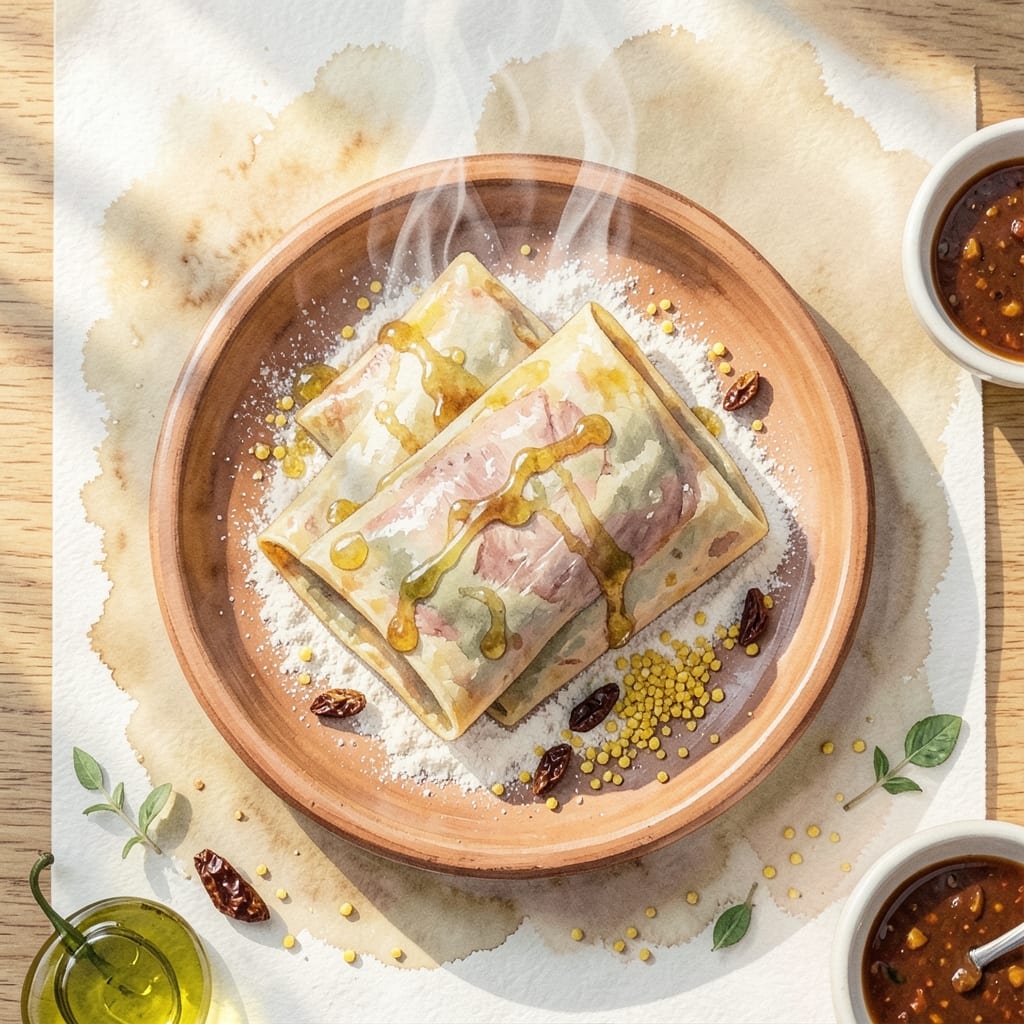
Pork shoulder transforms tamales from ordinary to extraordinary—its rich, tender texture and deep flavor make it the best pork cut for tamales you’ll ever use. After years of perfecting this technique at my farm and pit, I’ve cracked the code for restaurant-quality results at home. The secret? Slow-cooking the pork until it practically falls apart, then shredding it into a filling so flavorful it becomes the star of every bite.
This recipe starts with selecting the right cut—pork shoulder delivers the perfect balance of fat and meat, ensuring your tamales stay juicy while packed with savory depth. We’ll season it with a blend of spices that cut through the richness, then slow-cook it until tender. The masa, carefully prepared with lard and cornmeal, creates the perfect vessel for that irresistible filling. Every step builds on the last, creating tamales that taste like they’ve been simmering all day—even if you’re working with a busy schedule.
What you’ll end up with is a batch of tamales where the pork shoulder filling melts in your mouth, the masa holds its shape beautifully, and the aroma alone will have everyone gathering around your table. The slow-cooked pork develops layers of flavor that store-bought fillings can’t match, making these tamales a showstopper for gatherings, holidays, or whenever you crave that comforting, homemade taste. This is the kind of recipe that becomes a family tradition.
Serve with a side of salsa verde and crema for the full experience—each bite delivers that perfect harmony of tender pork, flavorful masa, and bright toppings. The best part? These tamales reheat beautifully, so you can make a big batch and enjoy them all week. Let’s get cooking—your taste buds will thank you.
Ingredients for best pork cut for tamales
The secret to showstopping tamales—juicy pork shoulder, fragrant masa, and spices that sing together.
| Ingredient | Amount | Notes |
|---|---|---|
| Pork Shoulder 🥩 | 4 lb | Bone-in for maximum flavor |
| Lard 🧈 | 1 cup | Rendered, not leaf |
| Masa Harina 🌽 | 4 cups | Maseca or Bob's Red Mill |
| Water 💧 | 2 ½ cups | Warm, not boiling |
| Yellow Cornmeal 🌾 | 1 cup | Fine grind preferred |
| Guajillo Chiles 🌶️ | 4 whole | Stems/seeds removed |
| Garlic Cloves 🧄 | 6 cloves | Peeled, for marinade |
| Ground Cumin 🌿 | 1 tbsp | Toasted for depth |
| Dried Oregano 🍃 | 1 tbsp | Mexican oregano ideal |
| Bay Leaves 🌿 | 2 whole | For slow-cooking |
| Salt 🧂 | 1 ½ tbsp | Kosher or sea salt |
| Black Peppercorns 🌶️ | 1 tsp | Freshly cracked |
| Vegetable Oil 🫒 | 2 tbsp | For searing pork |
| Fresh Cilantro 🌿 | ¼ cup | Chopped, for garnish |
| Lime 🍋 | 1 whole | Juiced for brightness |
Pork shoulder is non-negotiable here—bone-in delivers that restaurant-quality depth. Grab the thickest cut you can find at Whole Foods or your local butcher shop, and ask for a piece with good marbling. The fat renders down during slow cooking, keeping your tamales moist. If you can't find bone-in, bone-out still works, but you'll lose some of that rich broth. For the lard, leaf lard is traditional, but rendered lard from the grocery store works fine—just make sure it's 100% pork fat, no additives. The masa harina? Maseca is the gold standard, but Bob's Red Mill is a solid backup if you're in a pinch.
No guajillo chiles? Ancho chiles work perfectly—just soak them longer. The garlic can be roasted for a sweeter flavor (wrap whole cloves in foil, broil 5 minutes), but raw works too. Running low on Mexican oregano? Regular dried oregano at half the amount gets you close, but the flavor won't be quite the same. For the slow-cooked pork, bay leaves and peppercorns are your secret weapons—they infuse the meat with layers of aroma. Pro tip: If you're making a big batch, double the spices and split them between two pork shoulders for even more depth. And that lime? Mexican limes are ideal, but regular limes work in a squeeze—just add a pinch more salt to balance.
The pork shoulder keeps 3-4 days in the fridge after cooking, but the masa must be used within 2 days—it dries out fast. Wrap the cooked pork tightly in plastic and store it in the coldest part of your fridge. For the masa, portion it into small containers (about 1/2 cup each) to prevent drying. These tamales reheat beautifully—steam them for 15-20 minutes until piping hot. Freeze extras by wrapping them individually in plastic wrap, then in foil. They'll keep for up to 3 months—perfect for holiday feasts or lazy Sundays when you crave that homestyle taste without the work.
Why You'll Love This Recipe
- Foolproof Filling: I swear by pork shoulder—it stays juicy while the masa soaks up every bit of flavor. No dry tamales here, just melt-in-your-mouth perfection that makes wrapping them feel like a victory.
- Layered Richness: That mix of lard and masa harina? Pure magic. The pork stays tender, the masa gets just the right chew, and the yellow cornmeal adds a subtle, toasty depth. It’s the kind of combo that makes you close your eyes and sigh.
- Party-Ready Prep: Make a big batch on Sunday, freeze the filling, and you’ve got tamales for birthdays, game days, or whenever you need to impress. Just thaw and steam—no last-minute stress, just guaranteed crowd-pleaser.
- Budget Stretch: Pork shoulder is affordable, and a single cook turns into meals for days. Leftovers? Toss them in tacos, quesadillas, or even breakfast burritos. It’s the ultimate way to feed your family without breaking the bank.
Step-by-step instructions for pork shoulder tamales
Transform that pork shoulder into melt-in-your-mouth filling with these foolproof techniques.
Prepare the Pork Shoulder for Maximum Flavor
Pat the 4 lb pork shoulder completely dry with paper towels—this step is non-negotiable for crispy skin. Place it in a large bowl and rub it generously with the 1.5 tbsp salt and 1 tsp freshly cracked black peppercorns. I like to press the seasoning into the meat so it penetrates deeply.
In a small bowl, combine the 1 tbsp toasted ground cumin, 1 tbsp dried oregano, and 2 whole bay leaves. Sprinkle this spice mixture all over the pork shoulder, massaging it into every crevice. Let it sit at room temperature for 30 minutes while you prepare the marinade.
For the marinade, blend the 4 whole guajillo chiles (stems/seeds removed), 6 peeled garlic cloves, and the juice of 1 whole lime in a food processor until smooth. Strain the mixture through a fine-mesh sieve to remove any pulp. Pour this vibrant marinade over the pork shoulder and refrigerate for at least 2 hours—or overnight if you have time. This long marinating time ensures the pork stays juicy and absorbs all those smoky, citrusy flavors.
Sear and Slow-Cook the Pork to Perfection
Heat a large Dutch oven over medium-high heat and add the 2 tbsp vegetable oil. Once the oil is shimmering, carefully add the pork shoulder (reserve any marinade in the bowl). Sear the pork on all sides until it develops a deep golden-brown crust—about 5-7 minutes per side. This step is crucial for building layers of flavor.
Remove the pork from the Dutch oven and set it aside. Pour the reserved marinade into the pot, scraping up all those delicious browned bits from the bottom. Add the 1 cup rendered lard and bring the mixture to a gentle simmer over medium heat. Return the pork to the pot, fat-side up, and cover with a lid.
Transfer the Dutch oven to a preheated 300°F oven and cook for 3 hours. Here's the thing—pork shoulder needs time to become fork-tender. Check the internal temperature after 3 hours; it should read 195°F at its thickest point. If it's not there yet, continue cooking until it reaches this temperature. The meat should pull apart easily with two forks, signaling it's ready for the next step.
Shred and Mix the Pork Filling
Once the pork shoulder is fork-tender, remove it from the oven and let it rest for 10 minutes. Using two forks, shred the pork directly in the Dutch oven, breaking it into small, bite-sized pieces. You should have about 3-4 cups of shredded pork—this is your tamale filling.
Strain the cooking liquid through a fine-mesh sieve into a bowl, discarding the bay leaves. You should have about 1-2 cups of flavorful pork broth. Add this broth to the shredded pork along with the 0.25 cup chopped fresh cilantro. Taste and adjust the seasoning if needed—you want a balance of smoky, spicy, and slightly tangy flavors. This mixture is the heart of your tamales, so don't skimp on the seasoning.
Prepare the Masa Dough for Wrapping
In a large mixing bowl, combine the 4 cups masa harina, 1 cup yellow cornmeal, and 1.5 tbsp salt. Make a well in the center and gradually add the 2.5 cups warm water while mixing with a wooden spoon. The dough should come together into a thick, slightly sticky paste—similar to hummus but thicker. If it's too dry, add a splash more water; if it's too wet, add a bit more masa harina.
Here's a pro tip: I like to work with the dough in small batches. Divide the dough into 4 portions and knead each one briefly to ensure even consistency. The dough should be pliable but not sticky to the touch. If it's too sticky, wet your hands slightly while kneading to prevent sticking. This dough is the canvas for your pork filling—get it just right, and your tamales will be perfect.
Assemble and Steam the Tamales
Divide the masa dough into 12 equal portions and roll each one into a ball. Flatten each ball into a thin circle, about 6 inches in diameter, using your hands or a rolling pin. Place a generous spoonful of the pork filling in the center of each masa circle. Fold the edges of the masa over the filling, pinching the edges firmly to seal and create a neat tamale shape.
Line a large steamer with banana leaves or parchment paper, leaving space between each tamale. Arrange the assembled tamales in the steamer, leaving about 1 inch between each one. Bring a large pot of water to a boil and place the steamer on top, ensuring the water doesn't touch the tamales. Cover the steamer with a lid and steam over medium-high heat for 1 hour and 15 minutes. You'll know they're done when the masa pulls away from the sides of the steamer and the filling is piping hot.
Let the tamales rest for 10 minutes before serving. The steam will continue to cook them slightly, ensuring they're perfectly tender and flavorful. Serve warm with extra lime wedges and a sprinkle of chopped cilantro. Each bite should deliver a perfect balance of tender pork, smoky spices, and the comforting texture of the masa.
Pro Tips For Making Best Pork Cut For Tamales
- Trim the Fat First: Pork shoulder’s fat cap is your friend, but don’t let it turn your tamales into grease bombs. Trim just the thickest layers (about ¼-inch) before cooking—this keeps the meat juicy while letting the lard do its job in the masa. I learned this the hard way after one batch tasted like a deep fryer. ---
- Cook to 195°F: Pork shoulder for tamales needs to hit 195°F for that melt-in-your-mouth texture—no guessing. A meat thermometer is non-negotiable here; pulling it earlier means tough, chewy pork. I used to eyeball it and regretted it every time. ---
- Render Lard Slow: Heat the lard low and slow in a heavy pot—medium-high will smoke it before it melts. Once fully liquid, skim off any foam (yes, it’s gross, but it matters). My grandmother swore by this, and she was right: burnt lard ruins the masa’s flavor. ---
- Hydrate Masa Properly: Masa harina absorbs water like a sponge—too much and your tamales turn gluey; too little and they’re dry. Mix it with hot (not boiling) water and let it sit 5 minutes before kneading. I skip this when I’m lazy, but the dish is noticeably better when I don’t.
Serving suggestions for this dish
Classic Salsa Verde
This bright, tangy salsa cuts through the richness of pork shoulder tamales beautifully. I blend 1 cup chopped tomatillos, ½ cup chopped cilantro, 2 jalapeños (seeds removed), 1 garlic clove, and ¼ cup lime juice until smooth. For extra depth, add ½ tsp ground cumin and a pinch of salt. Serve chilled or at room temperature—it’s the perfect palate cleanser. 🌿
Creamy Avocado Crema
Blend 2 ripe avocados, ½ cup sour cream, ¼ cup Mexican crema (or heavy cream), 1 tbsp lime juice, ½ tsp salt, and ¼ tsp cumin until silky smooth. Garnish with extra cilantro and a sprinkle of chili powder for a creamy, cooling contrast to the spicy pork. This is my go-to topping for tamales—it’s rich but not heavy. 🥑
Pickled Red Onions
Quick-pickle 2 red onions (thinly sliced) in 1 cup vinegar (white or apple cider), ½ cup water, 1 tbsp sugar, and 1 tsp salt for at least 30 minutes. The sweet-tangy crunch adds a refreshing bite that balances the smoky pork. I like to serve them on the side for scooping or sprinkled directly on top. 🧅
Charro Beans
These slow-cooked beans are a must for tamales. Simmer 1 lb dried pinto beans with 1 onion, 3 garlic cloves, 1 chipotle pepper in adobo (minced), 1 tbsp cumin, and 2 cups chicken broth for 2 hours until tender. Mash slightly for texture—this hearty side turns tamales into a full meal. 🌱
Warm Corn Tortillas
Freshly made tortillas elevate tamales like nothing else. Heat ½ cup lard in a skillet and cook 12 corn tortillas (about 6-inch diameter) for 30 seconds per side until pliable. Wrap tamales in these warm tortillas for a traditional presentation, or serve them on the side for dipping. 🌽
Spicy Chili-Lime Slaw
Shred 4 cups cabbage and toss with ½ cup lime juice, 2 tbsp olive oil, 1 tbsp honey, and 1 tsp chili powder. This zesty slaw adds crunch and brightness—perfect for balancing the richness of the pork. I love serving it on the side or as a topping. 🥬
Nutrition facts
Frequently asked questions
Why does pork shoulder work better than other pork cuts for tamales?
Pork shoulder has the perfect balance of fat and connective tissue that melts into tender, flavorful shreds. The fat renders slowly during cooking, keeping tamales moist, while the collagen breaks down into gelatin that binds the filling together. Other cuts like pork loin are too lean and dry out—this is why it's the best pork cut for tamales in every Mexican kitchen.
Can I use pork butt instead of pork shoulder?
Pork butt and pork shoulder are essentially the same cut (just from different parts of the animal). The bone-in version gives even more flavor, but either works perfectly. Just ensure it's well-marbled—fat is your friend here for juicy tamales that won't dry out during steaming.
How do I know when the pork is tender enough for tamales?
The pork should reach an internal temperature of 195°F and pull apart easily with two forks. If it's still tough at 195°F, continue cooking—it's worth the wait! The meat should shred into fine, bite-sized pieces that hold together in the masa without falling apart during steaming.
What if my masa dough cracks when steaming?
Cracking usually means the dough was too dry or the tamales weren't sealed properly. Try adding 1-2 tbsp warm water to the dough if it's crumbly, and press the edges firmly when wrapping. Also ensure your steamer isn't too crowded—leave 1 inch between tamales for even cooking.
Can I make tamales ahead and freeze them?
Yes! Wrap cooled tamales individually in plastic wrap, then foil. They'll keep in the freezer for up to 3 months. To reheat, steam for 15-20 minutes until piping hot. The filling stays moist and flavorful—just like homemade!