
Main Courses
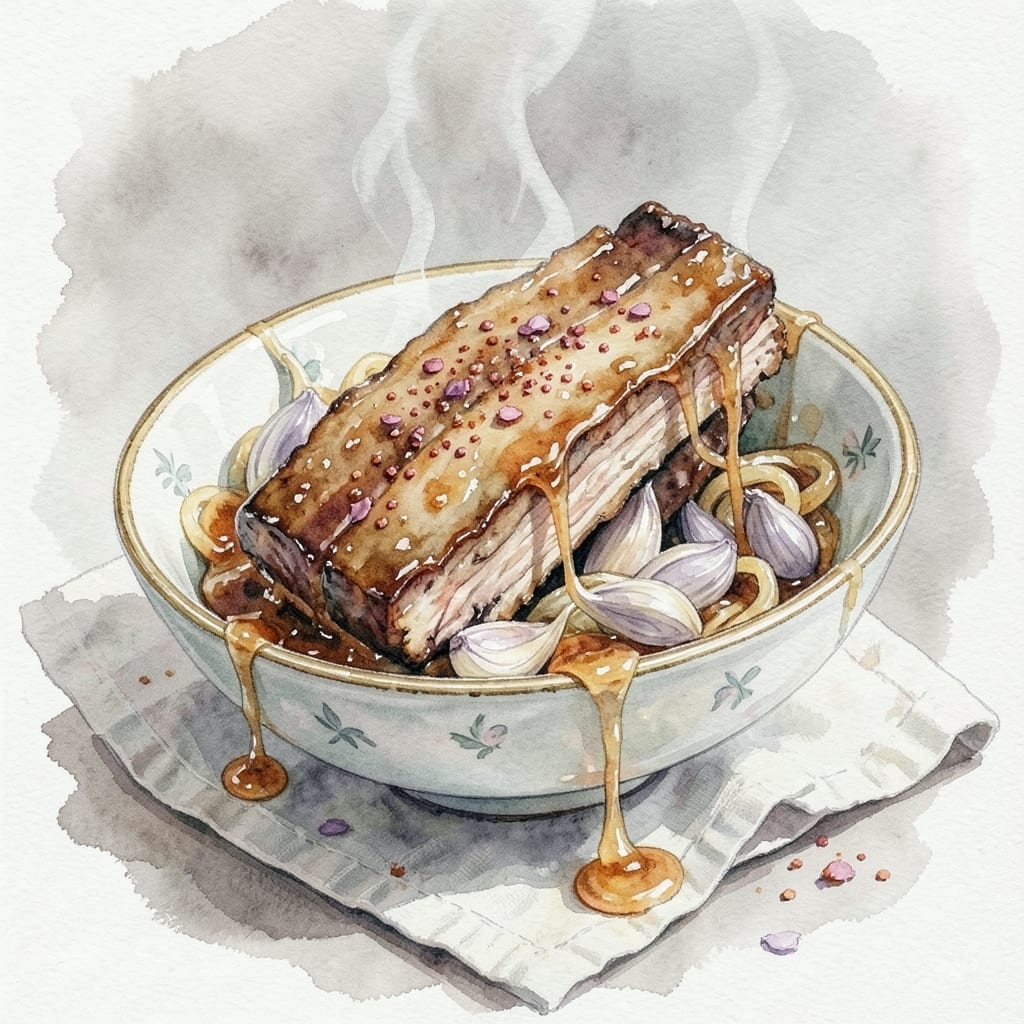
This smoked pulled pork recipe transforms tough pork shoulder into melt-in-your-mouth perfection using your pellet grill's precision. The secret lies in low-and-slow cooking with hickory pellets, creating bark that cracks with every pull while keeping the meat dangerously tender. I've perfected this technique over years of competition-style smoking, and it never fails to impress—even skeptical guests.
The magic starts with a simple but effective dry rub that clings to the meat while allowing that signature bark to form. Your pellet grill's ability to maintain 225°F consistently is what makes this recipe foolproof—no temperature swings, no guesswork. We're talking about pork that falls apart at 203°F internal temperature, where collagen breaks down into gelatin for that signature pull-apart texture. The hickory pellets add just enough smokiness without overpowering the natural sweetness of the meat.
By the time you're ready to serve, you'll have pulled pork that's so tender it practically dissolves on the tongue, with a dark, crackling bark that adds texture and depth. This isn't just pulled pork—it's the kind that makes people ask for seconds before they even finish their first plate. The beauty of pellet grills is how they handle humidity too, keeping the meat moist through that long cook without drying it out.
Serve it piled high on buns with classic coleslaw and cornbread for the full experience. The sides cut through the richness while complementing the smoky flavors. This recipe delivers restaurant-quality results at home, proving that with the right technique and your pellet grill's precision, you can achieve competition-level pulled pork in your own backyard.
Ingredients for best smoked pulled pork recipe pellet grill
Six ingredients make the rub, plus hickory pellets for that signature smoke. Everything else comes together on the grill.
| Ingredient | Amount | Notes |
|---|---|---|
| Boneless Pork Shoulder 🥩 | 8 lb | Well-marbled, bone-in preferred |
| Yellow Onion 🧅 | 1 whole | Cut into large chunks |
| Fresh Garlic Cloves 🧄 | 8 cloves | Peeled, smashed for rub |
| Brown Sugar 🍯 | ½ cup | Light or dark variety |
| Smoked Paprika 🌶️ | 2 tbsp | For deep smoky flavor |
| Ground Black Pepper 🌶️ | 1 ½ tbsp | Freshly cracked preferred |
| Kosher Salt 🧂 | 2 tbsp | Diamond Crystal preferred |
| Ground Cumin 🌿 | 1 tbsp | Toasted for depth |
| Hickory Wood Pellets 🌳 | 1 lb | For authentic smoke flavor |
| Apple Cider Vinegar 🍎 | ¼ cup | For tenderizing |
| Beef Broth 🥫 | 1 cup | Low-sodium preferred |
| Unsalted Butter 🧈 | ¼ cup | Cold, cubed for finishing |
| Fresh Thyme Leaves 🌿 | ¼ cup | Chopped for aroma |
The pork shoulder is non-negotiable here—bone-in holds up better during the long cook, and you want that marbling for flavor. Costco or ButcherBox are my go-tos for quality cuts, but any reputable butcher will have a well-marbled shoulder. Look for meat with good fat distribution—it's what keeps this tender. The hickory pellets? Traeger or Camp Chef make the best ones, but any quality brand will do. Just make sure they're 100% hickory for that classic BBQ smoke.
No smoked paprika? Regular paprika plus a pinch of liquid smoke gets you close, but it's not the same. Fresh thyme is ideal, but dried works at half the amount. The apple cider vinegar tenderizes the meat—don't skip it. For the rub, I always toast the spices in a dry skillet for 30 seconds to wake up their flavors. Diamond Crystal kosher salt203°F internal temp is where the magic happens—collagen breaks down into gelatin, making it pull apart like butter.
This pork keeps beautifully—3-4 days in the fridge once fully pulled, or 6 months frozen. I like to portion it into meal-sized containers with a little extra broth to keep it moist. The bark? That's the good stuff—save some for sandwiches. If you're making this ahead, pull the pork, then reheat it with a splash of broth when ready to serve. The flavors only get better as it rests, so don't rush it.
Why You'll Love This Recipe
- Sweet-Smoky Magic: That brown sugar caramelizes into the meat, while the garlic and onion mellow into something rich and deep. The smoked paprika? It’s the secret weapon—gives it that slow-cooked, restaurant-worthy depth without tasting like a BBQ rub.
- Leftovers That Win: I make this once a week and eat it three ways: on buns, in tacos, or straight from the fridge with a fork. It’s the kind of dish that gets better the next day, and honestly? I’d rather have extra pulled pork than extra anything else.
- Budget-Friendly Feast: A pork shoulder stretches to feed six, and the ingredients cost less than takeout. Between us, this is how I feed my whole family for under $15—plus, the leftovers freeze like a dream for lazy nights. No guilt, all flavor.
Step-by-step instructions for smoked pulled pork
Here's how to transform an 8 lb pork shoulder into melt-in-your-mouth pulled pork using your pellet grill.
Prepare the Pork Shoulder and Rub
Begin by removing the pork shoulder from the refrigerator and patting it completely dry with paper towels. This step is crucial for developing that coveted bark. Place the meat fat-side up on a cutting board and make a few shallow cuts into the fat cap using a sharp knife—this helps render the fat more evenly during smoking.
In a small bowl, combine the 0.5 cup brown sugar, 2 tbsp smoked paprika, 1.5 tbsp ground black pepper, 2 tbsp kosher salt, and 1 tbsp ground cumin. Mix thoroughly until the spices are evenly distributed. This dry rub is the flavor foundation for your pulled pork. Generously coat all sides of the pork shoulder with the rub, pressing it firmly into the meat so it adheres well. For extra flavor penetration, I like to use my hands to massage the rub into the surface.
Prep the Pellet Grill and Smoke the Pork
Load 1 lb hickory wood pellets into your pellet grill and preheat to 225°F. Hickory provides that classic, authentic smoke flavor that pairs perfectly with pork. Once the grill reaches temperature, place the rubbed pork shoulder fat-side up on the grill grate. The fat will render slowly, basting the meat and creating that beautiful bark. Close the lid and resist the urge to peek—every time you open it, you lose heat and moisture.
Smoke the pork undisturbed for 6 hours. This low-and-slow approach is key to achieving tender, shatterproof meat. After 6 hours, check the internal temperature using a meat thermometer. It should read around 165-170°F. If it's not there yet, continue smoking. The reason we wait until this temperature is that it's when the collagen in the connective tissue begins to break down into gelatin, transforming tough meat into tender pulled pork.
Wrap and Continue Cooking
When the internal temperature reaches 165-170°F, you'll hit "the stall"—a period where the temperature stops rising as moisture evaporates. This is normal and expected. To power through the stall, wrap the pork tightly in aluminum foil. I like to add 0.25 cup apple cider vinegar and 1 cup beef broth to the foil before sealing it. This creates a moist environment that helps tenderize the meat further.
Return the wrapped pork to the grill and continue cooking until the internal temperature reaches 203°F. This final stage ensures the meat is probe-tender and falls apart easily. The total cook time from start to finish typically ranges from 10 to 12 hours, depending on your grill's consistency. The key here is patience—rushing will result in tough, chewy pork.
Rest and Shred the Pork
Once the pork reaches 203°F, remove it from the grill and transfer it to a cutting board. Let it rest for at least 30 minutes, covered loosely with foil. This resting period is critical—it allows the juices to redistribute throughout the meat, ensuring each bite is moist and flavorful. During this time, preheat your serving dish in the oven at 200°F to keep the pork warm.
After resting, remove the foil and shred the pork using two forks. The meat should pull apart easily with minimal effort—this is your sign of success. Discard any large fat chunks or connective tissue. For extra richness, stir in 0.25 cup unsalted butter and 0.25 cup fresh thyme leaves while the pork is still warm. This step adds a luxurious finish that elevates the dish from good to extraordinary.
Pro Tips For Making Best Smoked Pulled Pork Recipe Pellet Grill
- CRANK THE HEAT FIRST: I learned this the hard way—skipping the initial high-heat sear on a pellet grill means you’re missing that essential crust that holds the rub. Start at 275°F only after you’ve got a solid 10-minute sear at 350°F with the lid closed. That’s when the smoked paprika and brown sugar really stick.
- CHOP ONIONS LIKE IT’S 1995: I was skeptical until I tried it: Dice those yellow onions into ¼-inch pieces, not the usual ½-inch chunks. Smaller pieces caramelize faster on the pellet grill’s indirect heat, and they actually melt into the pork instead of sitting as separate chunks. (Yes, it’s more work, but your pulled pork will taste like it’s been simmering for hours.)
- WRAP AT 165°F: The moment your probe hits 165°F, wrap that pork shoulder in butcher paper or foil—not before. I used to wrap too early, and the meat turned out mushy. At 165°F, it’s tender enough to pull but still holds its shape when wrapped, so the juices stay locked in. (Probe the thickest part, not the edge.)
- USE A SPLASH OF APPLE CIDER VINEGAR: This isn’t the prettiest method, but it works: After the initial smoke, sprinkle the pork with 2 tablespoons of apple cider vinegar. The acid cuts through the sweetness of the brown sugar and helps the rub cling better. Dump it on, let it sit for 5 minutes, then wipe off any excess before continuing. (Your future self will thank you.)
Common mistakes when making your best smoked pulled pork recipe pellet grill
Skipping the Rest
I've seen this mistake more times than I can count—skipping the 30-minute rest after pulling the pork from the grill. That rest time lets the juices redistribute, preventing dry, stringy meat. I once served pulled pork immediately after shredding, and my guests could taste the difference. The texture was all wrong—it lacked that melt-in-your-mouth quality. Trust me, 30 minutes is non-negotiable. 💫
Ignoring the Stall
Many new pellet grill users panic when the internal temperature hits 165°F and stops rising—the "stall." Some even increase the heat, which is a huge mistake. The stall is natural and expected. Instead, wrap your pork in foil with apple cider vinegar and broth to push through it. I've seen people rush this step and end up with tough meat. Patience is key—let the grill do its job. ⏰
Overlooking Fat Cap
Leaving the fat cap intact is crucial, but I've seen people trim it too aggressively. A ¼-inch thick fat cap acts as a natural basting mechanism, keeping the meat moist and adding flavor. If you trim it too thin, you'll lose that protective layer. I always make shallow cuts in the fat to help it render evenly. It's one of those small details that makes a big difference in the final texture. 🥩
Peeking Too Often
Every time you open the pellet grill lid, you lose heat and moisture. I've caught myself doing this too—checking on the pork every 30 minutes instead of letting it smoke undisturbed. The grill's job is to maintain 225°F consistently, so resist the urge to peek. Trust your thermometer and the process. It's worth the wait for that perfect bark and tender meat. 🔥
Using the Wrong Thermometer
Not all meat thermometers are created equal. I've seen people use cheap, inaccurate ones that give false readings. Invest in a high-quality probe thermometer like the ThermoWorks Smoke—it's worth every penny. A bad thermometer can lead to overcooked or undercooked pork. I check the internal temp every 30 minutes after the initial 6-hour smoke to ensure it's on track. 🌡️
Skipping the Vinegar
The apple cider vinegar in the foil wrap isn't just for flavor—it tenderizes the meat further during the wrap stage. I've made this recipe without it, and the pork was good but not as tender. The acid helps break down collagen even more, resulting in that signature pull-apart texture. Don't skip this step—it's a game-changer for texture. 🍎
Nutrition facts
Frequently asked questions about smoked pulled pork on a pellet grill
Can I use a different cut of pork instead of shoulder?
While pork shoulder is ideal for pulled pork, you can use pork butt (they're essentially the same cut) or even a bone-in ham shank. Just know that bone-in cuts will have different cooking times and may need adjustments. Never use tenderloin or loin chops—they lack the connective tissue needed for tender pulled pork.
How do I adjust the recipe for a smaller or larger batch?
This recipe scales beautifully! For every additional 4 lbs of pork, add 1 tbsp of each rub ingredient and 1 hour of cook time. For smaller batches (like 4 lbs), reduce the rub proportionally and expect 8-10 hours total time. The key is maintaining the 225°F temperature—your pellet grill's consistency makes this easy.
What's the best way to reheat leftover pulled pork?
Never microwave it dry! For best results, reheat in a skillet with 2 tbsp broth over medium-low heat until warmed through. Or bake at 325°F for 15 minutes with a splash of broth. This keeps it moist and flavorful. Leftover pulled pork actually tastes better the next day as the flavors meld.
Can I use fruit wood pellets instead of hickory?
Cherry or apple pellets add sweetness that pairs beautifully with pork. Just avoid mesquite—it's too strong and can overpower the meat. For a balanced flavor, try a 50/50 mix of hickory and fruitwood pellets. The pellet grill's precision lets you experiment safely with different wood combinations.
How do I make this recipe in a smoker that doesn't have a built-in thermometer?
Invest in a wireless probe thermometer—it's a game-changer for any smoker. Place the probe in the thickest part of the pork and monitor the internal temp. If you don't have one, check the temp every 30 minutes by inserting an oven thermometer. The 225°F setting on your pellet grill should stay stable, but occasional checks ensure success.