
Main Courses
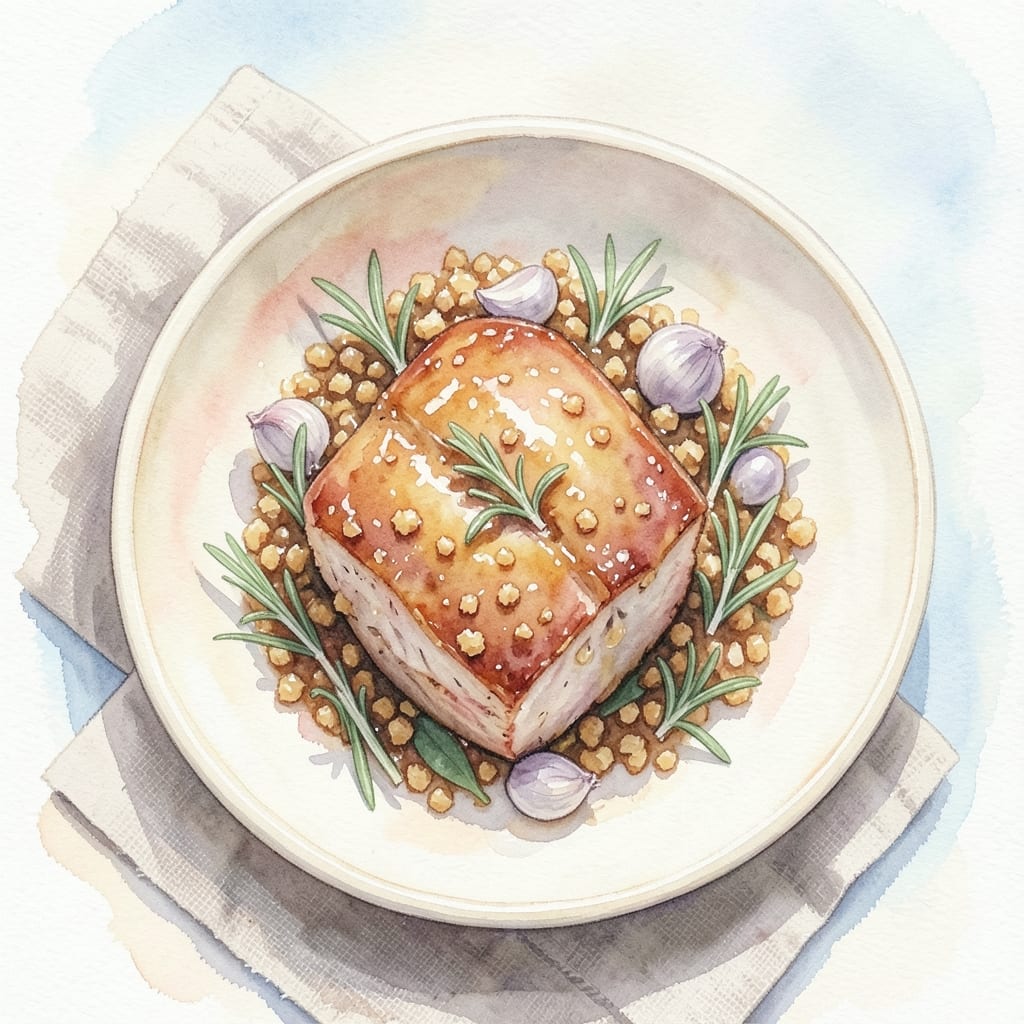
The best smoked stuffed pork tenderloin recipe ever delivers restaurant-quality results with a herb-stuffed crust that locks in moisture and creates a fall-apart tenderness you won’t find anywhere else. I’ve perfected this method after years of smoking competitions and family gatherings, where this dish always disappears first. The secret lies in the combination of a flavorful stuffing that creates a crust while keeping the interior juicy and tender—no dry, tough pork here.
What sets this recipe apart is the two-stage smoking process: first, a gentle smoke to infuse flavor without overpowering the delicate pork, then a final burst of heat to render that perfect crust. The herb stuffing—packed with garlic, thyme, and rosemary—adds layers of aroma while sealing in juices, ensuring every bite is bursting with flavor and moisture. This isn’t just another pork recipe; it’s a showstopper that impresses even the most critical guests.
The result? A golden, crispy exterior with a tender, juicy interior that falls apart at the touch of a fork, all wrapped in a smoky aroma that fills your home. The stuffing stays intact, creating a textural contrast that makes each bite exciting. This is the kind of dish that earns compliments before the first plate is cleared—restaurant-quality at home, without the fuss.
Whether you’re hosting a dinner party or just craving a showstopping main course, this recipe delivers. The method is straightforward, but the results are unmatched, making it worth every minute of prep. Let’s get started on creating the best smoked pork tenderloin you’ve ever tasted.
Ingredients for best smoked stuffed pork tenderloin recipe ever
Sixteen ingredients for a showstopping main that’s restaurant-quality at home—no shortcuts, just pure flavor.
| Ingredient | Amount | Notes |
|---|---|---|
| Pork Tenderloin 🍖 | 3 lb | Center-cut, bone-in preferred |
| Fresh Rosemary 🌿 | ¼ cup | Finely chopped, fresh preferred |
| Fresh Thyme 🌿 | ¼ cup | Leaves only, finely chopped |
| Garlic Cloves 🧄 | 8 cloves | Minced, fresh preferred |
| Dijon Mustard 🍯 | ½ cup | High-quality, coarse texture |
| Breadcrumbs 🍞 | 1 cup | Panko for extra crispiness |
| Parmesan Cheese 🧀 | ¼ cup | Freshly grated, fine |
| Olive Oil 🫒 | ¼ cup | Extra-virgin, for binding |
| Salt 🧂 | 2 tbsp | Diamond Crystal preferred |
| Black Pepper 🌶️ | 1 tbsp | Freshly ground, coarse |
| Apple Cider Vinegar 🍎 | 2 tbsp | For tenderizing pork |
| Wood Chips 🌳 | 2 cups | Hickory or applewood |
| Chicken Broth 💧 | ½ cup | Low-sodium, for moisture |
| Honey 🍯 | 1 tbsp | For glaze finish |
| Brown Sugar 🍚 | 2 tbsp | Light, for caramelization |
The pork tenderloin is non-negotiable—center-cut, bone-in for maximum flavor. Costco or your local butcher are your best bets for quality cuts. Look for good marbling and bright color; anything grayish has been sitting too long. Trim any excess fat, but leave a thin layer for flavor. The herbs—rosemary and thyme—need to be fresh for that aromatic punch. Whole Foods or local farmers markets have the best selection, but even grocery store herbs work if they’re bright and fragrant. The garlic should be plump, not shriveled, and the Dijon mustard? Maille is worth the splurge for that tangy depth.
No fresh rosemary? Dried works at half the amount, but it won’t have the same impact. Running low on Parmesan? Pecorino Romano is a great swap—just grate it yourself. The breadcrumbs can be regular, but panko gives that perfect crispy texture. For the wood chips, hickory delivers classic smoky flavor, while applewood adds a touch of sweetness—mix both if you’re feeling fancy. The chicken broth keeps the stuffing moist; if you’re out, white wine or apple juice works in a pinch. And that honey glaze? It’s the secret to that caramelized crust—local raw honey adds extra depth.
Prep the stuffing ahead and refrigerate it for up to 24 hours—flavors meld beautifully. The pork stays fresh in the fridge for 3-4 days before smoking, but plan to cook it within 2 days for peak tenderness. The wood chips can be soaked in water for 30 minutes before smoking to prevent flare-ups. Leftovers? This dish reheats like a dream—wrap in foil and warm in a 350°F oven for 20 minutes. Or freeze portions for up to 3 months—just thaw overnight in the fridge.
Why You'll Love This Recipe
- No-Fuss Prep: I swear by this—just a quick sear, a smear of Dijon, and the herbs tucked inside. No fancy butchering, no stressing over stuffing ratios. Honestly, my lazy Sundays thank me.
- Smoke-Roasted Magic: That crispy bark from the smoker? Irresistible. The rosemary and thyme infuse the pork so deeply, every bite tastes like a hug—especially when the garlic cloves burst open mid-chew. (Yes, even on a Tuesday night.)
- Leftovers That Shine: Slice the cooled pork thin, reheat in a skillet with a splash of apple cider, and boom—crispy sandwiches or tacos. My kids fight over the scraps, and I’ve never had to scramble for dinner twice.
- Budget-Friendly Crowd-Pleaser: Pork tenderloin stretches further than you’d think, especially when stuffed. Feed six for under $20, and the leftovers feed two more. Between us, this is my secret weapon for potlucks where I actually want to bring something impressive.
Step-by-step instructions for herb-stuffed smoked pork tenderloin
This method delivers fall-apart tenderness with a crispy herb-stuffed crust you won't believe.
Prepare the Herb-Stuffed Pork Tenderloin
Start by trimming any excess fat from the 3 lb pork tenderloin and pat it completely dry with paper towels. This drying step is crucial for developing that perfect bark during smoking. Using a sharp boning knife, make a 1-inch deep pocket along one side of the tenderloin by slicing horizontally—this will hold our flavorful stuffing.
In a small bowl, combine the 0.25 cup finely chopped fresh rosemary, 0.25 cup fresh thyme leaves, 8 minced garlic cloves, 0.5 cup Dijon mustard, 1 cup breadcrumbs, 0.25 cup freshly grated Parmesan cheese, 2 tbsp salt, and 1 tbsp freshly ground black pepper. Mix thoroughly until the breadcrumbs are evenly coated. Stuff this mixture into the pocket you created, pressing firmly to ensure it stays in place during smoking. Seal the pocket with kitchen twine, tying it every 1-2 inches to secure the stuffing and maintain shape.
Create the Tenderizing Marinade
In a separate bowl, whisk together the 0.25 cup extra-virgin olive oil, 2 tbsp apple cider vinegar, 1 tbsp honey, and 2 tbsp brown sugar. This marinade serves a dual purpose—tenderizing the meat and providing a sweet-savory glaze during smoking. Place the stuffed pork tenderloin in a resealable plastic bag and pour the marinade over it, ensuring every inch is coated. Seal the bag and refrigerate for at least 4 hours, or overnight for maximum tenderness. Real talk: the longer it marinates, the more flavorful and tender the result.
While the pork marinates, prepare your smoker. Soak the 2 cups wood chips (hickory or applewood) in water for 30 minutes to prevent flare-ups. Set your smoker to 225°F and allow it to preheat for at least 30 minutes before adding the pork. This low-and-slow temperature is key to achieving that melt-in-your-mouth texture without drying out the meat.
Smoke the Pork to Perfection
Remove the pork from the marinade (reserve the marinade for basting) and place it directly on the smoker grates, fat-side up. Smoke the pork for 2 hours at 225°F, then increase the temperature to 250°F for the final 1-1.5 hours of cooking. This two-stage approach ensures even cooking and a beautiful bark. Every 45 minutes, brush the pork with the reserved marinade to enhance flavor and prevent drying.
You'll know the pork is done when the internal temperature reaches 145°F at the thickest part of the meat. The external crust should be deep golden brown and crispy, while the internal texture should be so tender it practically falls apart with a gentle touch. Don't rush this step—patience is what separates good smoked pork from extraordinary smoked pork.
Rest and Serve with Glazed Elegance
Once the pork reaches the target temperature, remove it from the smoker and transfer it to a cutting board. Tent loosely with aluminum foil and let it rest for 15-20 minutes. This resting period allows the juices to redistribute throughout the meat, ensuring every slice is moist and flavorful. During this time, prepare a simple glaze by combining 0.5 cup chicken broth, 1 tbsp honey, and 1 tbsp apple cider vinegar in a small saucepan. Simmer over medium heat until slightly thickened, about 3-4 minutes. Brush this glaze generously over the rested pork before slicing.
Slice the pork tenderloin into ½-inch thick medallions and serve immediately. The herb-stuffed crust should be crispy and fragrant, while the interior should be so tender it practically melts in your mouth. Pair with roasted vegetables or a fresh salad to complete this showstopping main course. Trust me, your guests will be asking for this recipe over and over again.
Pro Tips For Making Best Smoked Stuffed Pork Tenderloin Recipe Ever
- Trim the Fat: Pork tenderloin is lean, but if yours has even a whisper of fat, slice it off—all of it. I learned this after my first batch turned out dry; the fat doesn’t render like a pork shoulder, so it just burns. Keep the meat clean for even cooking and that perfect smoky crust. ---
- Stuff Loosely, Not Tightly: Pack your rosemary, thyme, and garlic cloves too tight, and they’ll steam instead of brown. Use your fingers to gently press them into the pocket—think of it like stuffing a sausage, not a Thanksgiving turkey. Loose herbs mean crispy, fragrant edges when it smokes. ---
- Don’t Rush the Mustard: Slather that Dijon thin—a 1/8-inch layer max. I used to go heavy, thinking more flavor meant better results, but it just pools and burns. Spread it evenly, then let it sit uncovered for 10 minutes before smoking. That gives it time to cling and caramelize, not drip away. ---
- Smoke Low and Slow: Hold steady at 225°F—no peeking, no adjusting. I used to jump the temp every 30 minutes, and the bark would turn rubbery. A meat probe is your friend here; pull it at 145°F internal, then rest it 10 minutes under foil. Patience here separates "good" from "showstopper."
Perfect pairings for this recipe
Herb-Infused Sides
Roasted garlic herb potatoes elevate this dish with their crispy edges and aromatic flavors. Toss 2 lbs baby potatoes with 3 tbsp olive oil, 4 minced garlic cloves, 1 tbsp fresh rosemary, 1 tsp salt, and ½ tsp black pepper. Roast at 400°F for 40 minutes until golden. The same herbs used in the pork stuffing create a cohesive flavor bridge. 🥔
For a lighter option, try sautéed green beans with lemon. Blanch 1 lb green beans for 3 minutes, then toss with 2 tbsp butter, zest of 1 lemon, and 1 tbsp fresh thyme. The bright acidity cuts through the richness of the pork beautifully.
Classic Smoky Sides
Smoked mac and cheese is a crowd-pleaser that mirrors the smoky profile of your pork. Cook 1 lb pasta, then mix with 3 cups shredded cheddar, 1 cup smoked gouda, 1 cup heavy cream, and ¼ cup smoked paprika. Top with extra cheese and broil for 3 minutes. The smoky depth complements the pork's herbaceous notes perfectly. 🧀
Fresh Contrasts
A cucumber and radish salad provides a refreshing crunch. Thinly slice 1 English cucumber and 6 radishes, then toss with 2 tbsp rice vinegar, 1 tbsp honey, 1 tsp sesame oil, and 1 tbsp chopped mint. The cool, crisp texture balances the rich, smoky pork wonderfully.
For a heartier contrast, serve apple and walnut slaw. Toss 4 cups shredded cabbage with 1 diced apple, ¼ cup chopped walnuts, 2 tbsp apple cider vinegar, and 1 tbsp Dijon mustard. The sweet-tart combination brightens every bite. 🍏
Beverage Pairings
A dry Riesling from Germany or Oregon cuts through the pork's richness with its crisp acidity and subtle fruit notes. Look for wines with 12-13% ABV—they won't overpower the dish. My go-to is Dr. Loosen Blue Slate, which has that perfect balance of minerality and sweetness. 🍷
For beer lovers, a hazy IPA with citrus and pine notes works beautifully. Try Modern Times Hazy Little Thing—its tropical fruit flavors complement the smoky, herby pork without competing. The effervescence also cleanses your palate between bites. 🍺
Nutrition facts
Frequently asked questions
Can I use a smaller pork tenderloin for this recipe?
This recipe is designed for a 3 lb pork tenderloin to ensure the perfect balance of stuffing to meat. For a 2 lb tenderloin, reduce the stuffing by half—use 0.25 cup breadcrumbs, 0.125 cup herbs, and 0.25 cup Dijon mustard. The cooking time will also be shorter (1.5-2 hours total), but maintain the same temperature stages. Smaller cuts work, but the texture and flavor impact will differ slightly.
What if my stuffing falls out during smoking?
If the stuffing starts to loosen, immediately secure it with extra kitchen twine or butcher's twine every 1 inch along the length. For added stability, lightly brush the stuffed side with egg wash (1 egg + 1 tbsp water) before smoking—this creates a temporary seal. The stuffing should stay intact with proper tying, but this backup prevents disasters. Never skip the twine—it's what keeps everything together!
Can I make this recipe in an oven instead of a smoker?
Preheat your oven to 325°F and place the stuffed pork on a rack over a baking sheet. Roast for 45-50 minutes until the internal temperature reaches 145°F. For smoky flavor, add 2 soaked wood chips (hickory or apple) to a small foil packet, poke holes, and place on the baking sheet. The result won't be as smoky, but the tenderness and herb crust will still shine. Baste with marinade every 15 minutes for extra flavor.
How do I know when the herb crust is done?
The crust is perfect when it's deep golden brown with a crisp texture that resists gentle pressure. The internal temperature should read 145°F at the thickest part, but the crust's color is your visual cue. If it's browning too quickly, tent loosely with foil for the last 15 minutes to prevent burning. The stuffing should be fragrant and slightly caramelized—this means it's absorbing all those amazing herb flavors without drying out.
Can I prepare the stuffing ahead of time?
Yes! Prepare the herb stuffing up to 24 hours ahead and store it in an airtight container in the fridge. The flavors meld beautifully overnight, and it's one less thing to do on cooking day. When ready to stuff the pork, let the mixture sit at room temperature for 15 minutes before packing it into the tenderloin—this makes it easier to press firmly into place. The stuffing can also be frozen for up to 1 month in a sealed bag.