
Main Courses
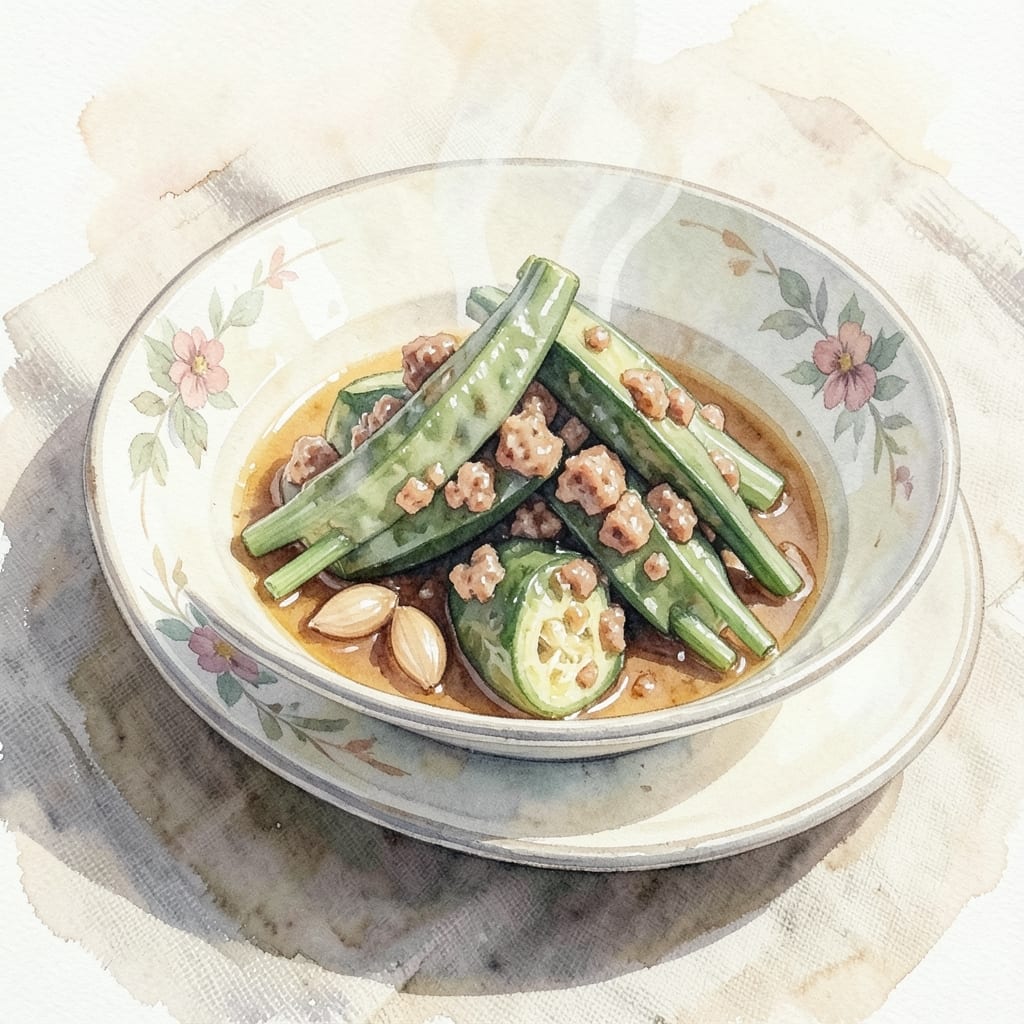
This Filipino stir-fry transforms bitter melon's sharp edge into a savory masterpiece when paired with tender minced pork. The secret lies in quick cooking—20 minutes—to preserve the vegetable's slight crunch while developing deep umami from garlic, soy, and a touch of fish sauce. I first discovered this technique while working in Charleston's Asian fusion scene, where we adapted traditional recipes for Southern palates. The dish balances bitter melon's natural astringency with pork's richness, creating a harmony that's both traditional and approachable. High heat and constant stirring mimic wok hei, that signature smoky aroma, while keeping the vegetables tender-crisp. This isn't just about masking bitterness—it's about elevating both ingredients to new heights. What you'll end up with is a vibrant stir-fry where golden pork nestles against bright green melon pieces, all coated in a glossy sauce that's tangy, slightly sweet, and packed with depth. The aroma alone transforms any dinner into something special—imagine the sizzle of pork hitting the pan, the garlic blooming, and that first bite of balanced flavors. Perfect for weeknight dinners or impressing guests, this recipe scales effortlessly. The key is timing: cook the pork until just done, then add the melon at the very end to maintain its texture. Let's make this stir-fry!
Ingredients for bitter melon with minced pork
Filipino stir-fry essentials that transform bitter melon's sharpness into umami harmony with tender minced pork.
| Ingredient | Amount | Notes |
|---|---|---|
| Ground Pork 🥓 | 1 lb | Lean ground pork preferred |
| Bitter Melon 🥬 | 2 lb | Young, tender melons only |
| Garlic Cloves 🧄 | 8 cloves | Minced, aromatic quality |
| Green Onions 🧅 | ½ cup | Sliced diagonally, white and green |
| Soy Sauce 🍶 | ⅓ cup | Kikkoman preferred |
| Fish Sauce 🐟 | 1 tbsp | Red Boat brand recommended |
| Oyster Sauce 🍜 | 2 tbsp | Lee Kum Kee classic |
| Brown Sugar 🍚 | 1 tbsp | Lightly packed |
| Vegetable Oil 🫒 | ½ cup | High smoke point |
| Sesame Oil 🌿 | 1 tsp | Toasted, for finishing |
| Dried Chili Flakes 🌶️ | ½ tsp | Adjust to taste |
| Salt 🧂 | 1 tsp | Diamond Crystal preferred |
| Black Pepper 🌶️ | ½ tsp | Freshly cracked |
| Cornstarch 🌾 | 1 tbsp | For tenderizing melon |
| Lime Juice 🍋 | 1 tbsp | Freshly squeezed |
The bitter melon selection is critical—young, tender specimens from Asian markets or specialty grocers like H Mart or 99 Ranch deliver the best texture. Look for firm, vibrant green melons with minimal blemishes. The ground pork should be lean but not overly fatty—Trader Joe's or Whole Foods carry excellent quality. For the aromatics, garlic from a bulb (not pre-minced) provides the most flavor when freshly minced. The soy sauce should be Kikkoman or similar Japanese brands—Filipino recipes often use this for its clean, salty profile. Fish sauce adds depth, so Red Boat or Three Crabs are ideal choices that won't overpower with fishy notes.
No bitter melon? Substitute with a mix of zucchini and green beans—they'll mimic the texture better than traditional alternatives. Running short on fish sauce? Oyster sauce at double the amount works in a pinch, though it lacks the umami punch. The cornstarch is non-negotiable for tenderizing the melon—Bob's Red Mill is a reliable brand. For heat, substitute with sriracha at half the amount of chili flakes. The sesame oil should be toasted, not flavored—Kadoya is a premium choice available at specialty stores. If you're using pre-minced garlic, add an extra clove to compensate for flavor loss during processing.
Prep the bitter melon first—peel, seed, and slice immediately before cooking to prevent browning. Store raw melon pieces in a bowl of cold water in the fridge for up to 2 days. The cooked stir-fry keeps well in the refrigerator for 3-4 days, though the texture softens over time. For freezing, portion into airtight containers with a thin layer of oil to prevent drying—thaws beautifully for quick meals. The pork should be cooked just until done to maintain tenderness, then set aside while you finish the melon. Reheat gently on the stove with a splash of water to restore moisture.
Why You'll Love This Recipe
- One-Pan Magic: I swear by this recipe for lazy nights—just stir-fry the pork with garlic until fragrant, toss in the bitter melon (sliced thin, seeds scooped out), and let the soy sauce work its magic. No extra pots, no fuss, and honestly? That crispy pork at the bottom? Worth it every time.
- Umami Bomb: The combo of minced pork and bitter melon might sound odd, but trust me—the garlic and soy sauce turn it into something ridiculously good. The bitter melon softens just enough to soak up all the savory flavors, while the pork stays juicy. It’s the kind of dish that makes you go back for seconds without even thinking.
- Leftover Gold: This recipe actually tastes better the next day. Reheat the leftovers with a splash of water or a quick stir-fry, and it’s like a flavor upgrade. I make a big batch on Sundays and take it to work—my coworkers always ask for the recipe.
- Budget Stretch: Ground pork and bitter melon are both affordable staples, and this dish stretches easily. Double the batch, freeze half, and you’ve got a cheap, filling meal ready for whenever. Plus, the green onions add freshness without breaking the bank. Win-win.
Step-by-step instructions for Filipino-style bitter melon stir-fry
Master this bold Filipino dish with precise technique and balance of flavors.
Prepare the Bitter Melon for Maximum Tenderization
Cut the 2.0 lb bitter melon in half lengthwise and scoop out the seeds with a spoon—they're bitter and fibrous. Slice each half into ½-inch thick rounds, then cut those into ½-inch cubes. Place the cubes in a colander and sprinkle evenly with the 1 tbsp cornstarch, tossing gently to coat. Let them sit for 10 minutes while you prep the other ingredients.
This cornstarch step is critical—it creates a barrier between the melon's natural enzymes and the pork, preventing that characteristic bitterness from dominating. The melon should look lightly dusted but not clumpy. If you're using older bitter melons, this step becomes even more important as their bitterness intensifies with age.
Sauté the Pork Until Fully Browned and Aromatic
Heat the 0.5 cup vegetable oil in a wok or large skillet over medium-high heat until shimmering. Add the 1.0 lb ground pork and stir-fry for 5-6 minutes until the pork loses its raw color and becomes deep golden brown in spots. This browning develops rich, meaty flavors that form the base of the dish.
Break up any large clumps with a wooden spoon as you cook—you want the pork to be finely distributed throughout the stir-fry. When the pork is nearly done, add the 8 cloves minced garlic and stir for 30 seconds until fragrant. The garlic should sizzle audibly and turn a pale golden color. If it burns quickly, reduce the heat slightly but maintain vigorous stirring.
Build the Flavor Base with Sauces and Aromatics
Push the pork mixture to one side of the wok and add 0.25 cup vegetable oil to the empty space. When the oil is hot, add the 0.5 cup sliced green onions (white parts first) and stir for 1 minute until softened. Then add the 0.5 tsp dried chili flakes and stir for 20 seconds to toast their flavor.
Pour in the 0.33 cup soy sauce, 1 tbsp fish sauce, 2 tbsp oyster sauce, and 1 tbsp brown sugar. Stir everything together vigorously for 2 minutes until the sauces meld and the mixture becomes glossy. This is where the umami and sweetness balance occurs—taste the mixture now. It should be savory with a touch of sweetness but not overly salty. Adjust with a pinch more sugar if needed.
Combine and Cook Until Melon is Tender-Crispy
Add the cornstarch-coated bitter melon cubes to the wok and stir-fry for 4-5 minutes over medium-high heat. The melon should soften but maintain some texture—it should be tender when pierced with a fork but not mushy. If the melon releases too much liquid, reduce the heat slightly to prevent steaming.
After 3 minutes, add the 1 tbsp lime juice and 1 tsp sesame oil. Toss everything together for 1 minute until the lime brightens the dish and the sesame oil adds nutty aroma. The final stir-fry should have a glossy sheen from the sauces, with the melon cubes slightly charred in spots. If the mixture seems dry, add 1-2 tablespoons water to create steam and help cook the melon evenly.
Finish with Seasoning and Rest Before Serving
Remove the wok from heat and let the stir-fry rest for 5 minutes. This resting period allows the flavors to meld and the melon to absorb the sauces fully. Taste and adjust seasoning with the 1 tsp salt and 0.5 tsp black pepper if needed—Filipino dishes often rely on balancing saltiness, sweetness, and umami.
Garnish with the remaining 0.25 cup sliced green onions (green parts only) just before serving. The dish should have a complex flavor profile: the pork's richness, melon's subtle bitterness balanced by sweetness, and the bright acidity of lime cutting through everything. Serve immediately over steamed rice to soak up the flavorful sauce—this dish tastes best fresh from the wok.
Pro Tips For Making Bitter Melon With Minced Pork
- Dry the bitter melon first: I learned this the hard way—skipping this step turns your stir-fry into a soggy mess. Pat the bitter melon slices thoroughly with paper towels after cutting, especially if it’s fresh. The less moisture, the better the pork will sear instead of steam.
- Pre-cook the pork low and slow: High heat makes minced pork tough and rubbery. Start cooking it on medium-low until just browned (about 3-4 minutes), then crank the heat for the final stir. This keeps the texture tender while still developing flavor—trust me, your bite will notice.
- Slice bitter melon thinly, diagonally: Thick slices stay bitter and chewy. Cut the melon at a 45-degree angle into ¼-inch slices—this exposes more surface area to cook faster and softens the texture. (Yes, it looks fancier too.)
- Add soy sauce in stages: Dump it all at once and the pork turns salty before the bitter melon absorbs flavor. Start with half the soy sauce, let it cook into the pork, then add the rest with the melon. The bitterness mellows out better this way—like a flavor marriage counselor.
Wine and beer pairings for this recipe
Asian-Inspired Wine Pairings
For this vibrant stir-fry, I recommend crisp white wines that complement the dish's bright acidity and umami depth. A dry Riesling from Germany—like Dr. Loosen Blue Slate—cuts through the bitterness beautifully with its citrus and mineral notes. The slight sweetness in off-dry Rieslings also balances the melon's sharpness while letting the pork's savory flavors shine. 🍷
If you prefer something lighter, a Japanese Sake-inspired wine like Koshu offers delicate floral aromas that harmonize with the dish's subtle complexity. For a more robust option, try a Pinot Noir with earthy undertones—Meiomi Pinot Noir from California works well, as its red fruit notes contrast the melon's green tones. Always serve these wines slightly chilled (45-50°F) to enhance their refreshing qualities.
Filipino-Inspired Beer Pairings
Filipino-style lagers are the perfect match for this dish, as their clean, crisp profiles won’t overpower the stir-fry’s bold flavors. San Miguel Light or Calamba Lager are my go-to choices—their light malt sweetness complements the pork’s richness without clashing. For a craft beer option, a Belgian Witbier like Hoegaarden adds effervescence and coriander notes that echo the dish’s aromatic garlic and lime. 🍺
If you prefer something darker, a light amber ale with a touch of caramel—like Guinness Foreign Extra Stout—works surprisingly well. The roasted malt notes enhance the pork’s depth, while the beer’s creaminess balances the melon’s bitterness. Serve beers at 40-45°F to maintain their crispness and let the flavors sing.
Unexpected but Brilliant Pairings
For a non-traditional twist, try a sparkling rosé like Whispering Angel—its berry notes and effervescence create a refreshing contrast to the dish’s savory elements. The bubbles also cleanse your palate between bites. If you’re feeling adventurous, a dry cider with apple and pear flavors—such as Strongbow Original—adds a crisp, slightly tart profile that mirrors the lime in the stir-fry. 🍎
For dessert wine lovers, a Moscato d'Asti offers a light, fizzy sweetness that pairs surprisingly well with the dish’s umami richness. The wine’s floral notes complement the garlic and sesame oil, while its slight sweetness balances the bitterness. Serve these pairings slightly chilled (40-45°F) to enhance their refreshing qualities.
Nutrition facts
Frequently asked questions
Why does bitter melon need cornstarch before cooking?
The cornstarch creates a protective barrier that prevents the melon's natural enzymes from releasing too much bitterness during cooking. It also helps tenderize the vegetable by absorbing some moisture, resulting in a more pleasant texture. Think of it as a flavor taming technique that makes the dish more approachable for beginners.
Can I substitute ground pork with chicken or beef?
For chicken, use 1 lb ground chicken breast and reduce cooking time to 4-5 minutes to prevent drying. Beef works too—try 80/20 ground chuck for extra richness, but cook it slightly longer (6-7 minutes) to render the fat. The key is using leaner cuts for chicken and slightly fattier ones for beef to maintain the dish's balance.
How do I reduce the bitterness if my melon tastes too strong?
Add more brown sugar (up to 2 tbsp total) or a splash of lime juice (another 1 tbsp) to brighten flavors. For a savory approach, increase the fish sauce by ½ tbsp—the umami will help mask the bitterness. If all else fails, serve with extra steamed rice to dilute the intensity.
Is this recipe gluten-free?
Mostly, but check your sauces! Traditional soy sauce contains gluten, so substitute with tamari or coconut aminos (use ⅓ cup). Oyster sauce also contains wheat—replace with ½ cup gluten-free fish sauce or 1 tbsp gluten-free Worcestershire sauce plus 1 tbsp extra fish sauce for depth.
What's the best way to reheat leftovers?
Reheat gently in a skillet with 1 tsp vegetable oil over medium-low heat for 3-4 minutes, adding 1 tbsp water to restore moisture. Avoid microwaving—it makes the melon soggy. For extra crispiness, broil for 2 minutes at the end, watching closely to prevent burning.