
Side Dishes
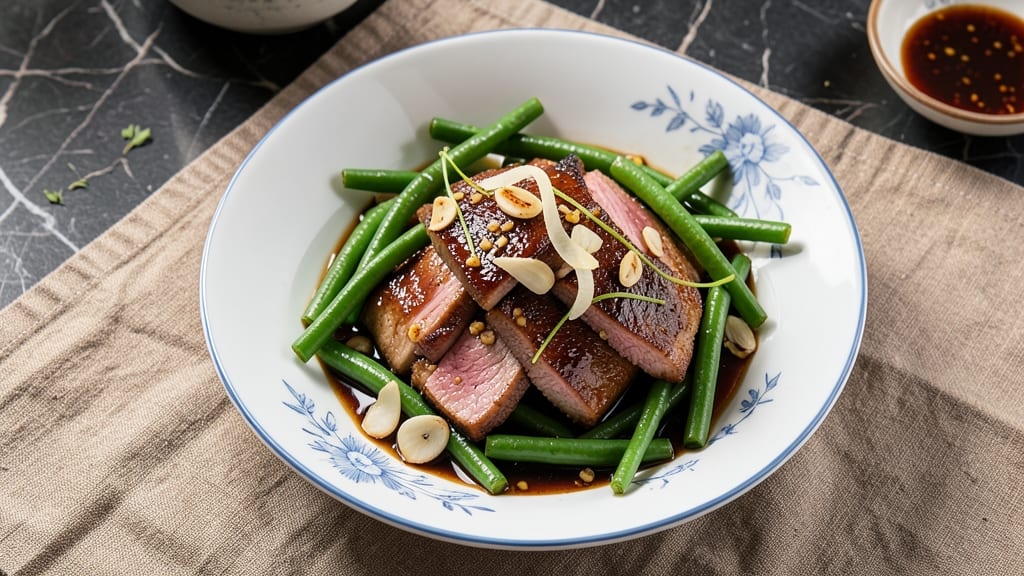
This Chinese pork and green beans recipe delivers the perfect balance of crisp-tender pork and bright, blanched green beans in just 20 minutes. Growing up in small-town Georgia, I learned how a simple wok-fried dish could transform humble ingredients into something extraordinary—just like my grandmother's technique.
The secret lies in high-heat stir-frying and a well-balanced sauce that brings out the natural umami of the pork and the freshness of the green beans.
What sets this dish apart is the foolproof method of blanching the green beans first, which preserves their vibrant color and crisp texture. Meanwhile, thinly sliced pork gets marinated in a simple soy-ginger mixture, ensuring it stays juicy and tender while developing a caramelized crust from the wok's heat.
The sauce—just soy sauce, garlic, ginger, and a touch of sugar—ties everything together with a glossy finish that coats every bite.
By the time you plate this dish, you'll have a restaurant-quality stir-fry that's packed with flavor and texture: crispy-edged pork, bright green beans, and a sauce that's savory, slightly sweet, and just spicy enough to linger.
It's the kind of meal that feels special without requiring hours in the kitchen, making it perfect for weeknight dinners or weekend gatherings.
Serve it over steamed rice or noodles for a complete meal, and don't forget to garnish with a sprinkle of sesame seeds for that final touch of authenticity. This recipe is a testament to how simple ingredients, when handled with care, can create something truly memorable.
Ingredients for chinese pork and green beans
Transform humble ingredients into restaurant-quality stir-fry with these carefully chosen components.
| Ingredient | Amount | Notes |
|---|---|---|
| Boneless Pork Shoulder 🥩 | 1 lb | Thinly sliced against grain |
| Green Beans 🥬 | 1 ½ lb | Trimmed, cut into 2-inch pieces |
| Light Soy Sauce 🥢 | 3 tbsp | Kikkoman preferred for balance |
| Dark Soy Sauce 🥢 | 1 tbsp | For depth of color |
| Garlic Cloves 🧄 | 4 cloves | Minced, fresh preferred |
| Fresh Ginger 🌿 | 1 tbsp | Grated, peeled, organic preferred |
| Granulated Sugar 🍯 | 1 tbsp | White or brown preferred |
| Sesame Oil 🫒 | 1 tbsp | Toasted, for aroma |
| Vegetable Oil 🫒 | 2 tbsp | High smoke point preferred |
| White Rice Vinegar 🍶 | 1 tbsp | For brightness |
| Red Pepper Flakes 🌶️ | ½ tsp | Adjust to taste |
| Toasted Sesame Seeds 🌱 | 1 tsp | For garnish |
| Cornstarch 🌾 | 1 tbsp | For tenderizing pork |
| Diamond Crystal Kosher Salt 🧂 | ½ tsp | For seasoning |
| Black Pepper 🌶️ | ¼ tsp | Freshly cracked |
The pork cut matters most here. Boneless pork shoulder yields the best texture when sliced thinly against the grain—ask your butcher to slice it if possible, or freeze it for 30 minutes before slicing for easier handling. Fresh ginger and garlic should be organic when possible to avoid bitterness. For the green beans, harvest-style beans hold up best to stir-frying, but regular green beans work fine if you blanch them just right. Trader Joe's and Whole Foods carry excellent quality for all these ingredients.
No light soy sauce? Substitute with 2 tbsp regular soy sauce plus 1 tsp sugar—it won't be identical but works in a pinch. The sesame oil is non-negotiable for aroma, but if you're avoiding it, toasted peanut oil at half the amount provides similar depth. For heat, Sichuan peppercorns ground to a powder can replace red pepper flakes for a numbing effect. The cornstarch helps tenderize the pork—don't skip it unless you prefer chewier bites. And if you're using pre-sliced pork, pat it thoroughly dry before marinating.
Marinate the pork for at least 30 minutes—overnight is even better. Green beans should be blanched in boiling water for 1 minute, then shocked in ice water to preserve their vibrant color. This dish reheats beautifully—store components separately in the fridge for up to 3 days, then stir-fry again when ready. For freezing, blanch the green beans first and store everything in airtight containers for up to 3 months. Garnish with sesame seeds right before serving—they lose their crunch when stored.
Why You'll Love This Recipe
- One-Pan Magic: I swear by this recipe—just toss pork, green beans, and a splash of soy into one pan, and let the garlic and dark soy work their savory magic. No chopping boards, no extra pots, just hands-off cooking while you sip tea or scroll through your phone.
- Umami Bomb: That combo of light and dark soy sauce? It’s like a flavor explosion—sweet, salty, and deep all at once. The pork stays juicy, the green beans get that perfect crisp-tender bite, and the garlic? Oh, it’s there in the best way.
- Lunchbox Hero: Between us, this is my go-to for meal prep. Cook a big batch on Sunday, and you’ve got lunch sorted for days—pack it cold or reheat it, and it’s still delicious. (Yes, even on a Tuesday night when you’re running late.)
- Budget Stretch: Pork shoulder is affordable, green beans are cheap, and a little soy goes a long way. I’ve fed four people for under $15 with this, and honestly? No one complains about leftovers. It’s my wallet’s favorite recipe.
Step-by-step instructions for wok-fried pork and green beans
Master this classic Chinese stir-fry with perfectly tender pork and crisp green beans in under 20 minutes.
Prepare the Pork for Maximum Tenderness
Slice the 1 lb boneless pork shoulder thinly against the grain into ¼-inch thick strips. This cut maximizes surface area for quick cooking and ensures each bite remains tender. Place the sliced pork in a bowl and toss with 1 tbsp cornstarch, 0.5 tsp Diamond Crystal kosher salt, and 0.25 tsp black pepper. Let it marinate for 10 minutes—this creates a delicate barrier that prevents the pork from drying out during the high-heat stir-fry.
Real talk: Don't skip the cornstarch. It's what transforms tough pork shoulder into silky, melt-in-your-mouth strips. While it rests, trim the 1.5 lb green beans and cut them into 2-inch pieces, discarding any woody ends. Keep them separate until ready to cook—they'll stir-fry faster than the pork.
Build the Flavor Base in the Wok
Heat a 14-inch wok or large skillet over high heat until smoking, then add 2 tbsp vegetable oil. Swirl to coat the surface evenly. Add the 4 minced garlic cloves and 1 tbsp grated fresh ginger, stirring constantly for 20-30 seconds until fragrant but not browned—burnt aromatics turn bitter.
Pour in 1 tbsp dark soy sauce and 1 tbsp light soy sauce, stirring vigorously to deglaze the pan. The sauce should bubble rapidly and cling to the bottom. Here's where the magic happens: Add 1 tbsp granulated sugar and 1 tbsp white rice vinegar, letting the mixture simmer for 1 minute until slightly reduced. This creates a glossy, balanced sauce foundation that'll coat every bite.
Stir-Fry the Pork to Perfect Doneness
Working in batches if needed, add half the pork to the wok. Stir-fry for 2-3 minutes until the edges turn opaque white and the pork releases easily from the pan. Remove and set aside—overcrowding steams the pork instead of searing it. Repeat with the remaining pork, maintaining the same high heat throughout.
Don't walk away during this step. The pork needs constant movement to prevent sticking and ensure even cooking. You're aiming for 85% doneness—it'll finish cooking when combined with the green beans. If the pork starts to brown too quickly, reduce heat slightly but keep it sizzling.
Combine Pork and Green Beans for Crisp-Tender Texture
Return all the pork to the wok and add the 1.5 lb green beans. Stir-fry for 2-3 minutes until the green beans turn bright green and develop a slight blister on the edges—this indicates perfect crisp-tenderness. The high heat should create a satisfying sizzle throughout the cooking process.
Finish with 1 tbsp sesame oil and 0.5 tsp red pepper flakes, tossing everything together for 30 seconds to distribute the flavors evenly. The sesame oil adds aroma, while the red pepper flakes introduce subtle heat. Taste and adjust seasoning if needed—you might want to add a splash of light soy sauce or a pinch more sugar to balance flavors.
Garnish and Serve Immediately
Transfer the pork and green beans to a serving platter and sprinkle generously with 1 tsp toasted sesame seeds. The seeds add texture and visual appeal, completing the dish. Serve immediately while still hot—this stir-fry is best enjoyed fresh from the wok when the pork is tender and the green beans retain their crisp snap.
Each bite should deliver perfectly tender pork with a slightly crisp exterior, complemented by vibrant green beans and a glossy sauce that balances sweet, salty, and umami flavors. For best results, serve with steamed jasmine rice to soak up every last drop of that delicious sauce.
Pro Tips For Making Chinese Pork And Green Beans
- Blister Garlic First: Toss whole garlic cloves in the hot wok with pork for 30 seconds before anything else—until they sizzle and smell like heaven. I learned this the hard way after making a dish where the garlic tasted raw and sad. The char adds depth that minced garlic just can’t match.
- Cut Pork Thinly: Slice the pork shoulder against the grain into ¼-inch strips—thinner than you think. Thick slices stay chewy no matter how long you cook them, and this dish needs tender pork to shine. Use a sharp knife and don’t rush; patience here makes all the difference.
- Skip the Crowding: Cook the pork in batches if needed—overloading the pan steams the meat instead of searing it. I used to dump everything in at once, and the pork ended up gray and limp. A crowded pan kills the crisp edges you actually want.
- Dark Soy First: Add dark soy sauce before light soy—let it caramelize for 30 seconds on medium-high heat. The deep color and smoky notes anchor the dish, while light soy later balances the flavor. Swap the order, and you’ll end up with a dish that’s just… bland.
Wine and beer pairings for this recipe
Chinese Dry Red Wine
For this dish, a Chinese dry red wine like Cabernet Gernischt or Merlot from Ningxia region pairs beautifully. The wine's moderate tannins and bright acidity cut through the richness of the pork while complementing the soy sauce's umami depth.
I always reach for Chateau Changyu Cabernet Sauvignon—its balance of dark fruit and earthy notes mirrors the dish's savory-sweet profile. Serve slightly chilled to enhance its crispness against the warm stir-fry. 🍷
Light Beer Options
A crisp Japanese lager like Asahi Super Dry or Sapporo works wonders here. The beer's clean, effervescent quality cleanses the palate between bites, letting the pork and green beans shine.
For a local twist, try Tsingtao—its subtle malt sweetness harmonizes with the dish's caramelized edges. Avoid heavy ales or IPAs, which would overpower the delicate stir-fry flavors. 🍺
Rice Wine Garnish
For an authentic touch, drizzle Shaoxing rice wine (about 1 tsp) over the finished dish. This glossy, aromatic garnish adds depth without altering the main flavors. I keep a bottle in my pantry specifically for this purpose—it's a game-changer for restaurant-quality plating.
The wine's nutty, slightly sweet notes echo the soy sauce's complexity. 🥢
Non-Alcoholic Pairings
Skip alcohol? No problem. A sparkling jasmine tea like Ah Counter's Jasmine Pearl provides the same refreshing contrast. The tea's floral notes balance the dish's earthiness, while its effervescence mimics wine's cleansing effect. For a savory option, serve with miso soup—the umami connection creates a cohesive meal experience. 🍵
Regional Wine Adaptations
In Sichuan province, where this dish originated, local rice wines like Moutai (aged) or Jiafan (young) are traditional. For a modern twist, pair with Napa Valley Zinfandel—its jammy fruit and spice notes stand up to the dish's bold flavors.
The key is matching the wine's acidity and body to the stir-fry's intensity. 🌶️
Pro Tip: Chill Your Wine
Serve red wines slightly chilled (around 55°F) to enhance their acidity and refresh the palate. Use an ice bucket for 15-20 minutes before serving. This trick works especially well with Cabernet blends—the cooler temperature highlights their fruit-forward qualities while keeping the meal feeling light.
Trust me, your guests will notice the difference. ❄️
Nutrition facts
Frequently asked questions
Can I substitute pork shoulder with another cut?
Yes! For best results, use pork tenderloin or pork loin—both stay tender when sliced thin. If using pork chops, cut them against the grain into ¼-inch strips and marinate for 30 minutes to ensure juiciness. Avoid fatty cuts like ribs, as they can make the dish greasy.
Why do the green beans turn mushy?
Overcooking is the main culprit! Blanching for more than 1 minute or stir-frying for over 3 minutes breaks down their texture. Keep heat high and cook just until bright green with slight blisters. For extra crispness, add the green beans last and stir-fry for only 1-2 minutes.
Can I make this dish ahead of time?
Store cooked pork and blanched green beans separately in airtight containers for up to 3 days. Reheat by stir-frying for 2-3 minutes with 1 tsp sesame oil to revive crispness. For freezing, blanch green beans first, then freeze both components together for up to 3 months. Thaw overnight in the fridge before reheating.
How spicy should this dish be?
The recipe includes 0.5 tsp red pepper flakes for subtle heat—adjust to taste! For mild: omit the flakes. For medium: add 1 tsp. For spicy: swap in 1 tsp Sichuan peppercorn powder (adds numbing heat). Always taste before serving—you can't overdo it with soy sauce if needed.
What's the secret to perfect wok hei?
Wok hei ("breath of the wok") comes from high, direct heat and a well-seasoned wok. Use a 14-inch carbon steel wok on maximum burner heat until smoking. Keep ingredients moving constantly—this creates steam that carries flavors. A gas stove works best; electric burners may not get hot enough.