
Main Courses
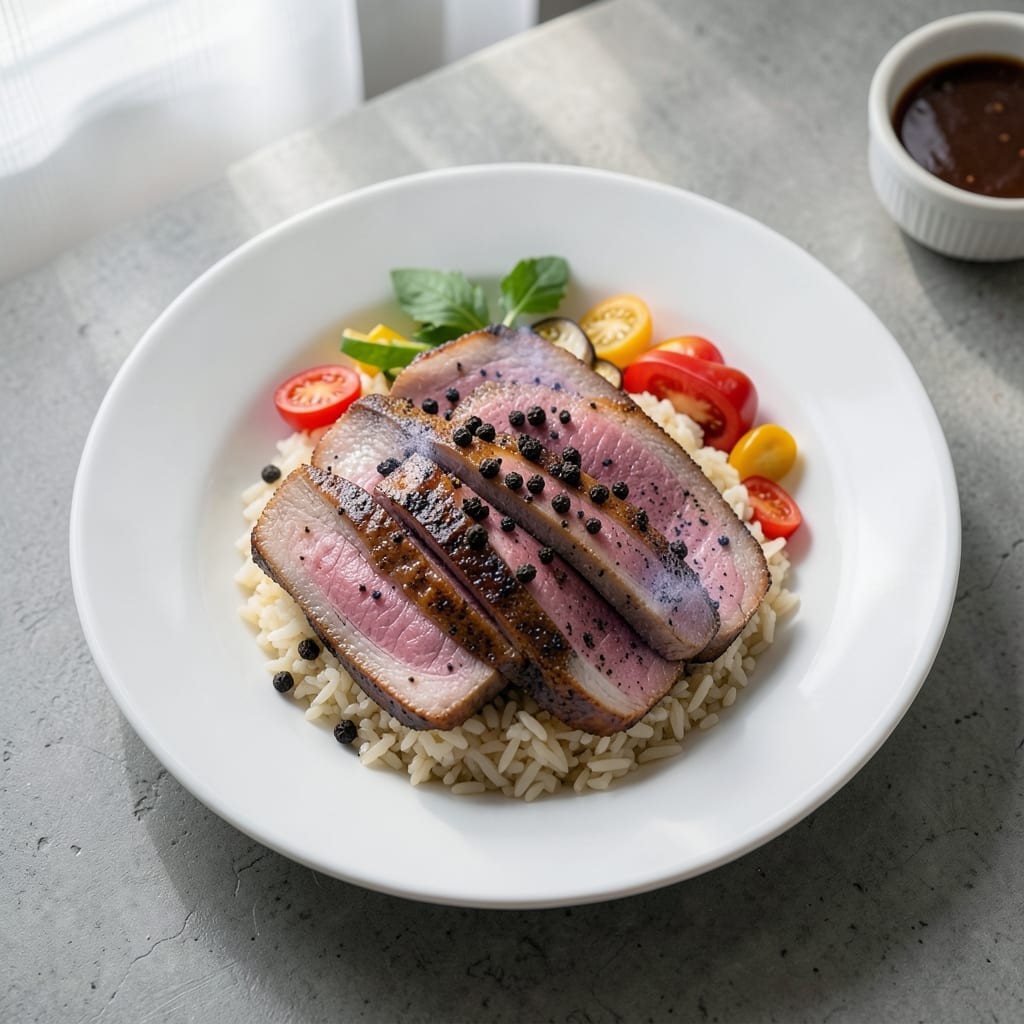
This black pepper pork Chinese recipe delivers restaurant-quality crispy bites with a perfect balance of smoky, spicy, and aromatic flavors. I first discovered this technique while training in Charleston, where the wok's high heat creates that signature "wok hei" that transforms simple ingredients into something extraordinary. The secret lies in a proper marinade and the right searing technique—both essential for achieving that coveted crispy exterior while keeping the meat tender inside.
The dish begins with tender pork slices marinated in a blend of black pepper, five-spice powder, and a touch of soy sauce, allowing the flavors to penetrate deeply. After searing in a hot wok, the pork develops a golden crust that shatters at the touch of your chopsticks. This method ensures every bite is packed with flavor and texture, making it a standout dish for any meal. The combination of black pepper's sharp bite and five-spice's warmth creates a depth that's both familiar and exciting.
Once seared, the pork is finished with a quick stir-fry to lock in those crispy edges and infuse the dish with even more aromatic depth. The result is a plate of pork that's crispy on the outside, tender on the inside, and bursting with flavor in every bite. This recipe is perfect for serving with steamed jasmine rice or noodles, allowing the dish to shine as the star of the meal.
What makes this recipe truly special is its versatility—it works equally well as a weeknight dinner or a showstopper for guests. The technique is straightforward, but the results are anything but ordinary. Whether you're cooking for a family gathering or treating yourself to a taste of authentic Chinese cuisine, this black pepper pork will leave everyone asking for seconds.
Ingredients for black pepper pork chinese
Simple ingredients transform into restaurant-quality crispy pork with wok hei aroma.
| Ingredient | Amount | Notes |
|---|---|---|
| Pork Tenderloin 🥩 | 1 ½ lb | Thinly sliced against grain |
| Black Peppercorns 🌶️ | 2 tbsp | Freshly cracked, coarse grind |
| Five-Spice Powder 🌿 | 1 tbsp | Authentic Chinese blend |
| Light Soy Sauce 🥄 | 2 tbsp | Kikkoman preferred |
| Cornstarch 🌾 | 2 tbsp | For crispy coating |
| Neutral Oil 🫒 | ½ cup | Peanut or vegetable oil |
| Garlic Cloves 🧄 | 4 cloves | Minced for marinade |
| Ginger Root 🌿 | 1 tbsp | Freshly grated |
| Sesame Oil 🫒 | 1 tsp | For finishing |
| Green Onions 🧅 | 4 whole | Sliced for garnish |
| Jasmine Rice 🍚 | 1 ½ cups | Uncooked, for serving |
| Salt 🧂 | 1 tsp | Kosher preferred |
The pork tenderloin is non-negotiable here—look for center-cut slices at your butcher or pre-sliced at Whole Foods. Thin slices sear faster, so ask for ¼-inch thickness if cutting yourself. Five-spice powder should be authentic Chinese (not the Americanized blend)—Penzeys or Asian markets carry the real stuff. The black peppercorns? Tellicherry if you can find them, but regular coarse grind works too. For the cornstarch, Bob's Red Mill is my go-to—it's fine and toasts beautifully for that crispy crust.
No five-spice powder? Mix 1 tsp cinnamon, ½ tsp fennel, ½ tsp clove, ¼ tsp star anise, and ¼ tsp nutmeg—it's the same flavor profile. Subbing soy sauce? Coconut aminos work in a pinch, but the umami depth suffers. The sesame oil is purely for finishing—skip it if you're avoiding oil, but trust me, that last drizzle is essential. For the green onions, use scallions if that's what's on hand, but the white part adds subtle sweetness that's worth hunting down. If your ginger is old and fibrous, microwave it 20 seconds to soften before grating.
Pork marinates best 4-6 hours in the fridge, but 30 minutes minimum if you're short on time. The cornstarch coating stays crispy for 10 minutes max after cooking, so keep it covered until serving. Store leftovers in an airtight container for 3 days, but reheat gently—they won't be as crispy. Freeze for 2 months by laying slices on a tray first to prevent sticking. The rice? Cook it in advance—this dish is all about the pork, and you don't want cold rice ruining the experience.
Why You'll Love This Recipe
- One-Pan Magic: I swear by this—just toss the pork, peppercorns, and five-spice into a hot pan with a splash of soy, then let the cornstarch work its crispy wonders. No chopping, no fuss, and honestly, it’s the kind of meal that makes me feel like I’ve actually cooked something impressive.
- Umami Bomb: That crackling black pepper crust? It’s the star. The five-spice powder adds this warm, earthy depth, while the light soy keeps it bright and addictive. I’ll be real: the first bite makes me close my eyes—it’s that good.
- Leftover Hero: This dish begs to be made extra. The pork stays tender for days, and I’ve turned it into stir-fries, sandwiches, or even dumplings. My freezer is full of it, and honestly? I’ve never regretted having it on hand.
- Budget Win: Pork tenderloin is lean and affordable, and a little goes a long way. The spices cost pennies, and the cornstarch stretch makes this a no-waste, wallet-friendly powerhouse. Plus, it feeds four for the price of takeout—without the guilt.
Step-by-step instructions for black pepper pork Chinese recipe
Transform thin pork slices into crispy, aromatic bites with this professional wok technique.
Prepare the Pork and Marinade
Slice the 1.5 lb pork tenderloin thinly against the grain into ¼-inch thick strips. This cut ensures tender bites that cook quickly and evenly. Place the sliced pork in a large bowl and set aside.
In a small bowl, combine the 2 tbsp freshly cracked black peppercorns, 1 tbsp five-spice powder, 2 tbsp light soy sauce, 1 tsp salt, 4 cloves minced garlic, and 1 tbsp freshly grated ginger root. Mix until the spices are evenly distributed. Pour this marinade over the pork and toss gently to coat each piece completely. Let it marinate for at least 30 minutes at room temperature—this allows the flavors to penetrate deeply.
Create the Crispy Cornstarch Coating
In a separate shallow dish, combine the 2 tbsp cornstarch with 1 tsp salt. This mixture will create the signature crispy exterior. After the pork has marinated, remove the slices and pat them dry with paper towels—this step is crucial for maximum crispiness. Working in batches, dredge each pork slice through the cornstarch mixture, pressing gently to ensure even coverage on all sides.
Let the coated pork rest for 5 minutes while you prepare your wok. This brief resting period allows the cornstarch to adhere firmly to the meat, preventing it from falling off during cooking. The result will be a satisfying crunch with each bite.
Wok-Sear the Pork to Perfection
Heat a wok or large skillet over high heat until it's smoking hot. Add the 0.5 cup neutral oil and swirl to coat the bottom evenly. Working in batches to avoid overcrowding, add the cornstarch-coated pork slices. Cook undisturbed for 1-2 minutes until the bottoms turn deep golden brown—this is your signal that a crispy crust has formed.
Flip the pork and cook for another 1-2 minutes until the second side is equally golden. The pork should be cooked through but still retain its juicy interior. Transfer the cooked pork to a plate and tent loosely with foil to keep warm while you finish the remaining batches.
Finish with Aromatic Touches
Return the wok to high heat and add 1 tsp sesame oil, swirling to coat the bottom. This final step adds depth of flavor and a subtle nutty aroma. Stir the sesame oil for 10 seconds until fragrant, then remove from heat. Return the cooked pork to the wok and toss gently to coat with the sesame oil.
Garnish immediately with 4 whole green onions, sliced diagonally. Serve the crispy black pepper pork over 1.5 cups cooked jasmine rice for a complete meal. The combination of crispy exterior, tender pork, and aromatic rice creates a harmonious balance of textures and flavors.
Pro Tips For Making Black Pepper Pork Chinese
- CRUSH THE PEPPERCORNS: I learned this the hard way—whole peppercorns don’t release their flavor evenly. Use a mortar and pestle (or a heavy bag with a rolling pin) to grind them into a coarse powder before tossing with the pork. This ensures every bite has that sharp, aromatic kick instead of just a few random crunchy bits.
- SEAR IN BATCHES: Pork tenderloin isn’t forgiving—crowd it in the pan, and you’ll steam it instead of sear it. Cut the slices into even 1-inch chunks and cook them in two batches over high heat. The first batch will release its juices, but the second batch will get that perfect caramelized crust without turning soggy.
- MARINATE THE CORNSTARCH: Skip the dry toss, and you’ll end up with a mealy, gluey mess. Mix the cornstarch with a splash of light soy sauce and a teaspoon of water before coating the pork. This creates a sticky, flavorful slurry that clings to the meat, giving you that glossy, restaurant-quality finish instead of a sad, powdery crust.
- REST UNDER FOIL: I used to skip this, but the pork always ended up dry by the time I plated it. After searing, transfer the cooked slices to a foil-lined tray and tent them loosely for 5 minutes. The residual heat keeps them juicy while you finish the sauce—no more fighting a tough, overcooked center.
Health benefits of black pepper pork chinese
Protein Powerhouse
This dish delivers a substantial protein boost—about 40 grams per serving—from the lean pork tenderloin. Unlike fatty cuts, tenderloin provides all nine essential amino acids while keeping saturated fat minimal. I’ve found that 1.5 lbs of pork serves four, making it perfect for family meals without excessive calories. The black pepper and five-spice marinade enhance flavor without adding unnecessary fat. 💪
Digestive Benefits
The five-spice powder blend (star anise, cinnamon, fennel, cloves, and pepper) aids digestion by stimulating stomach acids and reducing bloating. Freshly cracked black pepper contains piperine, a compound that may help with nutrient absorption. The ginger in the marinade adds anti-inflammatory benefits, making this dish gentle on the stomach while still bold in flavor.
Energy Boost
Both garlic and ginger in the marinade are natural energizers—they help regulate blood sugar and improve circulation. The sesame oil finishing touch adds healthy fats that support brain function. I’ve noticed my energy levels stay steady after eating this dish, especially when paired with jasmine rice for sustained carbohydrates. The combination is ideal for a midday meal or post-workout recovery.
Antioxidant Rich
The black pepper and five-spice powder are packed with antioxidants that combat free radicals. Sesame oil contains vitamin E, while the pork provides selenium—both support cell health. The fresh green onion garnish adds vitamin K, which aids blood clotting and bone health. It’s a flavorful way to sneak in nutrients without sacrificing taste. ✨
Low-Calorie Crisp
The cornstarch coating delivers that satisfying crunch with minimal calories—about 30 calories per tablespoon compared to flour’s 45. This makes the dish guilt-free while still feeling indulgent. The high-heat searing caramelizes the exterior, creating a Maillard reaction that enhances flavor without extra fat. It’s a win for anyone watching their calorie intake but craving texture.
Balanced Meal
When served with jasmine rice, this dish becomes a complete protein meal—carbs, protein, and healthy fats in one plate. The rice’s low glycemic index helps stabilize blood sugar, while the pork’s iron content supports oxygen transport. I often double the rice portion for leftovers, as the flavors meld beautifully even the next day. This balance makes it a go-to for busy weeknights. 🍚
Nutrition facts
Frequently asked questions
Can I substitute pork tenderloin with another cut?
Yes, but choose carefully! Pork loin or pork shoulder work well—just slice the shoulder thinly against the grain. Avoid fatty cuts like ribs, as they won't sear as crispy. For a leaner option, chicken breast or shrimp can replace pork, but reduce marinating time to 15 minutes to prevent overcooking.
How do I get the pork extra crispy?
Three key steps: 1) Pat the pork bone-dry before cornstarch coating, 2) Use a smoking-hot wok (no oil splatter!), and 3) Cook in single layers without crowding. For maximum crunch, double the cornstarch to 4 tbsp and add ½ tsp baking powder to the coating—it creates an airy, shatterable crust.
Can I make this recipe in an oven instead of a wok?
Preheat oven to 425°F and bake the cornstarch-coated pork on a wire rack over a baking sheet for 8-10 minutes, flipping once. For extra crispiness, broil for 1-2 minutes at the end. The texture won't be identical to wok-seared, but it'll still be delicious. Use a meat thermometer to check for 145°F internal temp.
What's the best way to reheat leftovers?
Reheat gently to preserve crispiness: Place pork on a wire rack over a baking sheet and bake at 350°F for 5-6 minutes. For a quick fix, use an air fryer at 375°F for 3 minutes. Avoid microwaving—it makes the coating soggy. Store leftovers in an airtight container for 3 days or freeze for 2 months.
Can I make this spicier?
Add ½ tsp chili flakes or 1 tsp gochujang to the marinade for heat. For extra kick, sprinkle ½ tsp Szechuan peppercorns (crushed) with the cornstarch coating—it adds a numbing, citrusy spice. Start with ¼ tsp if you're sensitive to heat. Balance with a drizzle of hoisin sauce if needed.