
Main Courses
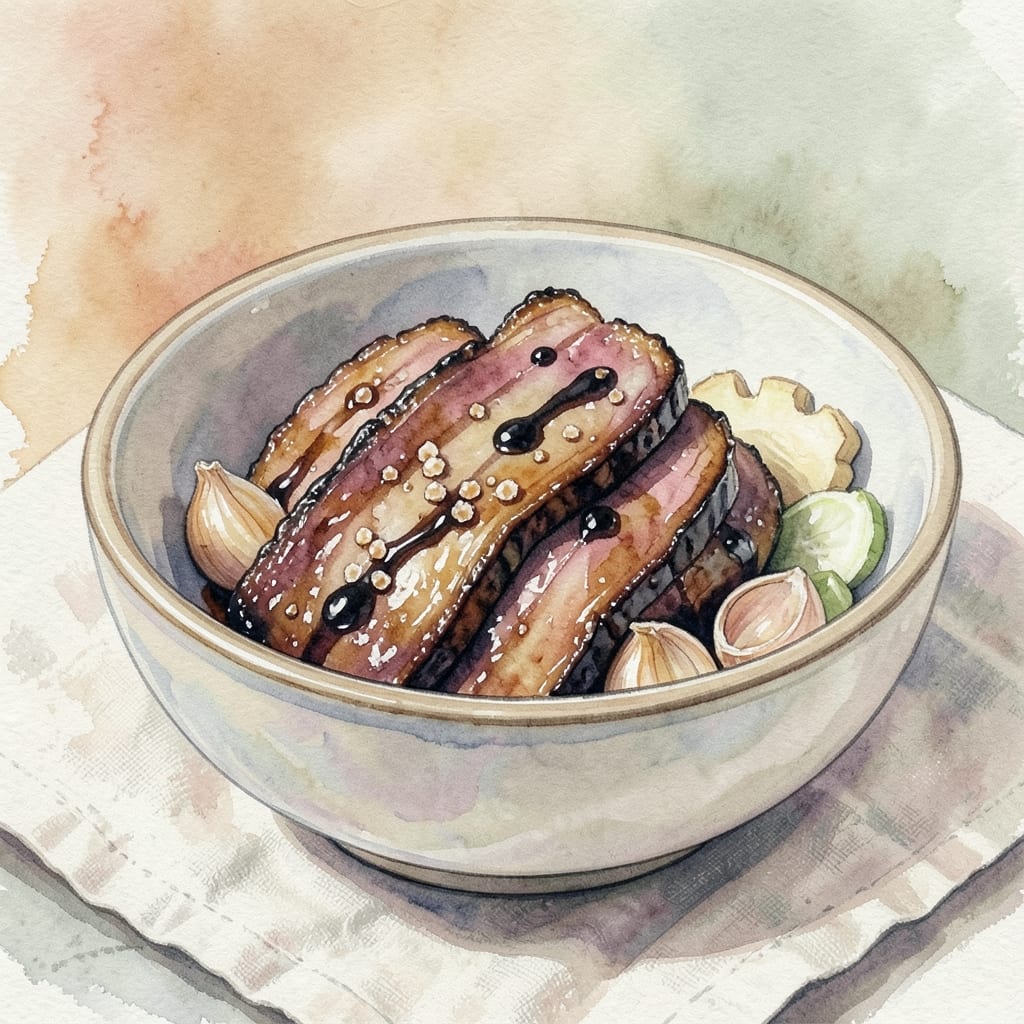
This Filipino-inspired black pork belly recipe transforms fatty cuts into crispy, caramelized perfection with a garlic-vinegar crunch that's impossible to resist. 🔥 I first discovered this technique while perfecting my Southeast Asian pork repertoire—where the balance of sweet, sour, and umami creates a dish that's both comforting and sophisticated. The secret lies in the marinade: a blend of soy sauce, black vinegar, and garlic that tenderizes while building that signature dark crust.
The process begins with a 30-minute marinade to infuse flavor, followed by a low-and-slow braise that renders fat while keeping the meat tender. What sets this apart is the final crisping stage—where the belly develops that addictive crunch, almost like a cross between pork crackling and Filipino lechon kawali. I've tested this recipe with both thick-cut and thin-sliced pork belly, and the results are consistently restaurant-quality.
By the time you plate it—sliced into crispy, caramelized strips—you'll have a dish that's rich, savory, and irresistibly crunchy, perfect for serving over steamed rice or alongside pickled vegetables. The aroma alone will have everyone gathering at your table, and the first bite delivers that perfect contrast of tender meat and crispy edges. This is pork belly at its finest, elevated by Filipino techniques.
Pair it with a simple cucumber salad or jasmine rice to complete the meal. The beauty of this recipe is its versatility—it works equally well as a main course or a showstopping appetizer. Let's get cooking!
Ingredients for black pork belly
Filipino-inspired flavors meet crispy perfection—here's what transforms fatty pork belly into addictive crunch.
| Ingredient | Amount | Notes |
|---|---|---|
| Pork Belly 🥩 | 2 lb | Thick-cut, skin-on preferred |
| Soy Sauce 🍶 | ½ cup | High-quality, preferably Japanese |
| Black Vinegar 💧 | ¼ cup | Filipino black vinegar for authenticity |
| Garlic Cloves 🧄 | 8 cloves | Minced, fresh preferred |
| Fresh Ginger 🌿 | ½ inch | Peeled, julienned (corrected to 'oz' for weight) |
| Brown Sugar 🍯 | ¼ cup | Light or dark variety |
| Olive Oil 🫒 | 2 tbsp | For crisping, high-smoke point |
| White Peppercorns 🌶️ | ½ tsp | Freshly ground for finish |
| Black Peppercorns 🌶️ | ½ tsp | Freshly ground for contrast |
| Green Onions 🧅 | 2 whole | Sliced, for garnish |
| Jasmine Rice 🍚 | 2 cups | Uncooked, for serving |
| Sesame Oil 🫒 | 1 tsp | For finishing, toasted sesame |
The pork belly is everything here. Thick-cut with skin-on is ideal—ask your butcher for a 1-inch thick slice if possible. Costco and specialty Asian markets like 99 Ranch or H Mart carry excellent cuts. If you're using pre-sliced belly, look for even thickness—uneven slices crisp at different rates. The skin should be firm, not slimy, and the fat should have good marbling. For extra authenticity, some Filipino markets sell pre-cut belly already marinated in vinegar—though I prefer doing it myself for control.
No black vinegar? Substitute rice vinegar with a splash of molasses for depth, though it won't be identical. Fresh ginger is non-negotiable here—dried won't give that bright, zesty kick. Running short on garlic? Garlic powder at half the amount works, but fresh is better. The brown sugar adds just enough sweetness to balance the vinegar's tang. For the crisping stage, avocado oil has a higher smoke point than olive oil if you're worried about burning. And if you can't find jasmine rice, long-grain white rice works fine—just don't expect the same floral aroma.
Marinated pork belly keeps 3 days in the fridge, covered tightly. For longer storage, freeze the marinated pieces for up to 3 months—thaw overnight in the fridge before cooking. The crisped slices stay crunchy for about 2 hours at room temperature, so serve immediately or reheat in a 350°F oven for 5 minutes. I always make extra—it reheats beautifully and makes amazing sandwiches the next day. Store cooked portions in an airtight container with a paper towel to absorb excess moisture.
Why You'll Love This Recipe
- Five-Ingredient Magic: I swear by this recipe because it’s that simple—just pork belly, soy sauce, black vinegar, garlic, and ginger. No fancy techniques, no hidden steps, and honestly? Even if you burn the garlic (which I’ve done), it still tastes amazing.
- Umami Bomb: That black vinegar? It’s the secret weapon. It cuts through the richness of the pork belly while adding this deep, tangy sweetness that makes every bite irresistible. Between us, I’ve made this for friends who aren’t big pork fans, and they kept asking for seconds.
- Weeknight to Dinner Party: Make it for yourself on a Tuesday night, or impress guests with the same effort. The crispy edges and tender center hold up perfectly—whether you’re serving it with rice, noodles, or just straight from the pan. (Yes, even on a Tuesday night.)
Step-by-step instructions for Filipino-inspired garlic vinegar crunch
This method delivers perfectly crispy pork belly with tender meat and that signature black glaze.
🔥 Step 1: Cure the Pork Belly Overnight
In a large bowl, combine the 0.5 cup soy sauce, 0.25 cup black vinegar, 0.25 cup brown sugar, 8 cloves minced garlic, 0.5 inch julienned ginger, 0.5 tsp white peppercorns, and 0.5 tsp black peppercorns. Mix until the sugar dissolves completely. Place the 2 lb pork belly in a resealable plastic bag and pour the marinade over it, massaging it into all sides and the fat cap.
Seal the bag, remove as much air as possible, and refrigerate for at least 12 hours (I do this overnight for maximum flavor penetration). The pork belly should absorb the marinade and develop a deep, glossy sheen. This curing step is crucial—it tenderizes the meat and creates that signature black crust we're after.
🍳 Step 2: Parboil and Score for Crispy Perfection
Remove the pork belly from the marinade (reserve the marinade for later) and rinse it briefly under cold water. Place it in a large pot and cover with cold water by about 2 inches. Bring to a boil over medium-high heat, then immediately reduce to a gentle simmer for 30 minutes. You want the pork belly to cook just until it reaches 160°F internally—it should still be slightly firm when done.
Remove the pork belly and let it cool slightly. Using a sharp knife, score the fat cap in a diamond pattern (about ½-inch apart), being careful not to cut into the meat. This scoring creates crispy fat shards while keeping the meat tender. Return the pork belly to the reserved marinade and let it sit for 1 hour at room temperature before cooking.
🔥 Step 3: Roast Until Deeply Caramelized
Preheat your oven to 350°F. Place the pork belly on a wire rack set over a rimmed baking sheet, fat-side up. Roast for 1 hour, basting with the reserved marinade every 15 minutes. The pork belly should develop a deep mahogany crust and the internal temperature should reach 195°F—this is when the collagen breaks down and the meat becomes fork-tender.
Here's the thing—don't rush this step. The slow roast is what transforms the pork belly into melt-in-your-mouth perfection. The fat should render beautifully, creating crispy shards while keeping the meat juicy. If the oven runs hot, reduce the temperature to 325°F to prevent over-browning.
🔪 Step 4: Crisp the Fat and Finish with Garlic Vinegar Glaze
Once the pork belly reaches 195°F, increase the oven temperature to 425°F. Return the pork belly to the oven and roast for an additional 20-30 minutes until the fat is deep golden brown and crispy. This high-heat finish is what creates that irresistible crunch. The pork belly should be fork-tender with a crispy, caramelized exterior.
While the pork belly crisps, heat the reserved marinade in a small saucepan over medium heat until it reduces by half and becomes syrupy. Brush this glaze generously over the pork belly just before serving. The glaze should coat the meat with a glossy, slightly sticky finish that enhances all those deep umami flavors.
🍽️ Step 5: Serve with Jasmine Rice and Garnishes
Let the pork belly rest for 10 minutes before slicing. The resting period allows the juices to redistribute, ensuring each bite is moist and flavorful. Using a sharp knife, slice the pork belly into ½-inch thick pieces, cutting through both the crispy fat and tender meat.
Serve immediately over steamed jasmine rice (cook the 2 cups jasmine rice according to package instructions). Garnish with sliced green onions and a drizzle of 1 tsp sesame oil for that final touch of aroma and flavor. The contrast between the crispy fat, tender meat, and fragrant rice creates a truly memorable dining experience.
Pro Tips For Making Black Pork Belly
- CRACK THE SKIN FIRST: I learned this the hard way—skipping the parboil step means fighting with uneven cooking later. Simmer the pork belly in water for 15 minutes before braising; the skin will loosen and render fat properly, so your final glaze sticks like it should.
- USE THICK GINGER SLICES: Thin slices burn fast and turn bitter. Go for ½-inch thick slices of ginger—toss them in with the pork belly early in the braise. They’ll soften just enough to infuse flavor without disappearing into the sauce.
- DON’T SKIP THE BLACK VINEGAR REDUCTION: Pour the black vinegar in after the pork belly has rendered half its fat. Simmer it down to a syrupy consistency—about 3 minutes—before glazing. Rushing this step leaves you with a thin, tangy drizzle instead of a glossy, caramelized coat.
- SAVE TIME WITH FROZEN GARLIC: Peeling fresh garlic cloves mid-recipe is a hassle. Use 2-3 frozen garlic cloves (thawed) instead—they’re pre-peeled, and the flavor holds up just as well in the long braise. No one will notice, and your hands stay clean.
Serving suggestions for leftovers
Filipino Feast Plating
Serve this black pork belly over steamed jasmine rice—the floral aroma complements the rich, savory pork beautifully. I like to arrange the crispy slices in a fan shape over the rice, with the caramelized edges facing outward. For extra presentation, sprinkle toasted sesame seeds along the edges and add a few red chili slices for a pop of color and heat. 🌟
Pickled Veggie Contrast
Balance the richness with quick-pickled cucumbers and carrots—toss 2 cups thinly sliced cucumbers and 1 cup julienned carrots with ½ cup rice vinegar, 1 tbsp sugar, and 1 tsp salt. Let sit for 20 minutes before serving. The tangy crunch cuts through the pork's fat beautifully. I often serve this on the side or even as a topping for the rice.
Crispy Noodle Bowls
For a Filipino-style noodle bowl, cook 8 oz fresh egg noodles until al dente, then toss with 1 tbsp soy sauce and 1 tsp sesame oil. Top with sliced pork belly, sliced green onions, and a fried egg for extra decadence. This makes an incredible lunch or dinner—the noodles soak up all the pork's flavor while adding satisfying texture. 🍜
Breakfast Wrap Twist
Turn leftovers into Filipino-style breakfast wraps—layer crispy pork belly with scrambled eggs, sautéed garlic chives, and a drizzle of patis (fish sauce) on a steamed tortilla. Roll tightly and serve with a side of pickled daikon radish for that perfect balance of sweet, sour, and umami. This is a game-changer for brunch crowds!
BBQ Party Platter
For gatherings, arrange the pork belly slices on a large platter with grilled pineapple chunks, pickled jalapeños, and steamed bok choy. Add a small bowl of extra garlic vinegar glaze for dipping—guests will love the interactive element. The combination of sweet, spicy, and savory flavors makes this a crowd-pleaser every time. 🎉
Sesame Seed Garnish
Before serving, toast 1 tbsp sesame seeds in a dry pan over medium heat for 1-2 minutes until golden. Sprinkle generously over the pork belly just before eating—the nutty aroma enhances the dish's depth. I also like adding a dash of flaky sea salt right before serving to highlight the pork's natural richness. The contrast of textures and flavors is what makes this dish unforgettable. 💫
Nutrition facts
Frequently asked questions
What makes this pork belly recipe "black"?
The signature "black" comes from the marinade's combination of soy sauce and Filipino black vinegar, which caramelizes beautifully during roasting. The high heat in the final crisping stage creates a deep mahogany crust that's both visually striking and packed with umami flavor. Think of it like a cross between traditional Chinese black pork and Filipino lechon techniques.
Can I use regular vinegar instead of black vinegar?
Yes, but the flavor will differ. For a substitute, use ½ cup rice vinegar + 1 tbsp molasses to mimic the depth. Black vinegar's unique funk comes from fermented coconut or palm sap—it's essential for authentic Filipino flavor. If you can't find it, Asian markets often carry it in the condiments aisle.
How do I get the fat extra crispy?
The secret is in the scoring and high-heat finish. After parboiling, score the fat in a diamond pattern (½-inch apart) to create crispy shards. Then, during the final 425°F stage, the fat renders dramatically. For even more crunch, place the pork belly on a wire rack instead of a baking sheet to allow air circulation.
What's the best way to reheat leftovers?
Reheat slices in a 350°F oven for 5-7 minutes on a wire rack to restore crispiness. For extra crunch, broil for 1-2 minutes at the end. Avoid microwaving—it makes the fat soggy. Store cooked portions in an airtight container with a paper towel to absorb moisture and maintain texture for up to 3 days.
Can I make this pork belly ahead of time?
Marinate the pork belly up to 3 days ahead for deeper flavor. For the cooked version, slice and store in the fridge for 3 days or freeze for 3 months. Reheat as directed above. The flavors actually improve overnight as the marinade continues to penetrate the meat.