
Main Courses
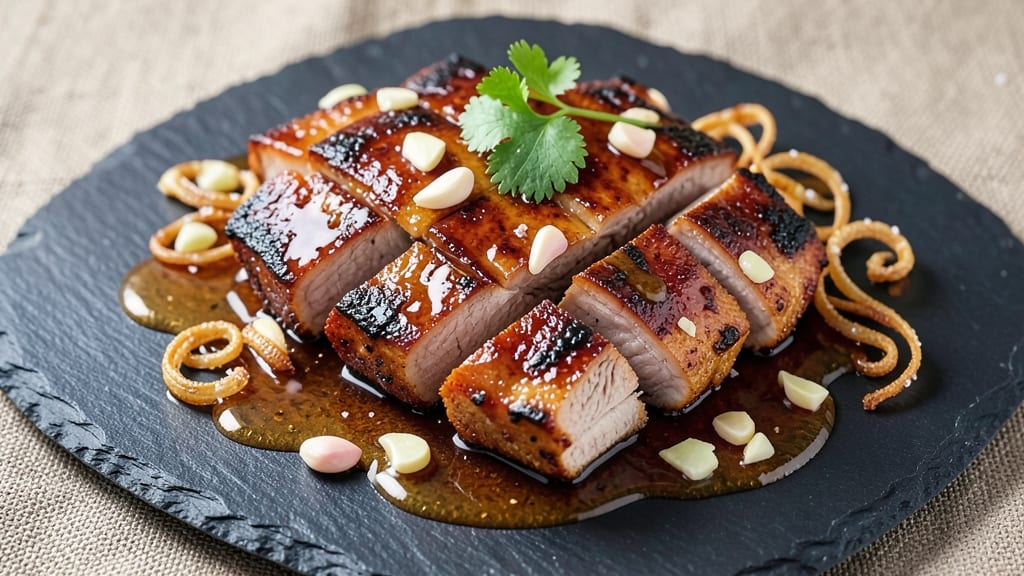
This Chinese black vinegar pork recipe delivers the perfect harmony of sweet, tangy, and savory flavors that make every bite unforgettable. 🌟 I first encountered this technique during my apprenticeship in Charleston, where the balance between black vinegar's sharpness and pork's richness became my signature dish.
The marinade transforms tough cuts into tender, glaze-coated perfection that pairs beautifully with steamed rice or noodles.
The secret lies in the marinade's three essential components: black vinegar for its bold tang, honey for sweetness, and aromatic spices that infuse the pork deeply. Unlike many recipes, this method uses a slow braising technique that ensures the meat stays juicy while developing a sticky, caramelized crust.
My version simplifies the process without sacrificing authenticity—just 30 minutes of prep followed by hands-off cooking.
What you'll achieve is restaurant-quality pork with a glossy black glaze that's both visually striking and packed with complex flavors. The exterior remains tender yet slightly crisp, while the interior melts in your mouth—proof that traditional techniques can deliver professional results at home.
This dish is equally impressive as a weeknight meal or special occasion centerpiece.
Serve with steamed jasmine rice to soak up every last bit of that sweet-tart glaze, or pair with stir-fried bok choy for a complete meal. The recipe scales perfectly for gatherings, and the leftovers reheat beautifully. Let's create this dish that bridges Chinese tradition with home kitchen accessibility.
Ingredients for chinese black vinegar pork
Sweet-tart glaze meets tender pork—just 15 ingredients for restaurant-quality flavor.
| Ingredient | Amount | Notes |
|---|---|---|
| Pork Shoulder (or Pork Butt) 🥩 | 2 lb | Bone-in for flavor, cut into 1.5-inch cubes |
| Black Vinegar 🍶 | ½ cup | Authentic Chinese black vinegar, not balsamic |
| Honey 🍯 | ⅓ cup | Wildflower or clover for depth |
| Soy Sauce 🍶 | ¼ cup | Light or dark, but light preferred |
| Garlic Cloves 🧄 | 6 cloves | Minced, not powdered |
| Fresh Ginger 🌿 | 2 tbsp | Grated, not powdered |
| Sichuan Peppercorns 🌶️ | 1 tsp | Toasted for maximum aroma |
| Star Anise Pods 🌟 | 2 whole | Lightly crushed |
| Cinnamon Sticks 🌿 | 1 whole | 1-inch pieces |
| Sesame Oil 🫒 | 1 tbsp | Toasted sesame oil for finish |
| Cornstarch 🌾 | 1 tbsp | For thickening glaze |
| Neutral Oil (Avocado or Vegetable) 🫒 | 2 tbsp | High smoke point for searing |
| Green Onions 🧅 | 3 whole | Sliced, for garnish |
| Kosher Salt 🧂 | 1 ½ tsp | Diamond Crystal preferred |
| Black Peppercorns 🌶️ | ½ tsp | Freshly cracked |
The pork cut matters here. Pork shoulder or butt delivers that signature fall-apart texture—loin stays too lean. Look for cuts with visible fat marbling at Whole Foods or Asian markets, where they often carry pre-cut versions. If buying whole, trim excess fat but leave some for flavor. The black vinegar? Asian grocery stores stock authentic versions—avoid balsamic substitutes at all costs. I grab mine from H Mart or 99 Ranch, where the bottles are labeled 'Chinese black vinegar'. For honey, local wildflower adds complexity, but any good-quality honey will work.
No Sichuan peppercorns? Substitute with a pinch of cayenne and a dash of white pepper—it won't be identical, but you'll still get heat. Star anise missing? Skip it or use 1/4 tsp ground anise. The cornstarch is non-negotiable for that glossy glaze, but if you're out, arrowroot powder works too. For the garlic and ginger, fresh is non-negotiable—powdered versions won't cut it. The sesame oil should be toasted—look for bottles labeled 'toasted' at specialty stores. If you can't find it, lightly toast regular sesame oil in a dry pan for 30 seconds. For the soy sauce, light soy gives cleaner flavor, but dark adds depth if you prefer richer taste.
Pork cubes can be prepped ahead—marinate overnight for deeper flavor. Store marinade separately in the fridge for up to 3 days. The cooked pork reheats beautifully—350°F for 10-15 minutes with a splash of water keeps it moist. For gatherings, double the recipe—the glaze thickens as it sits, so add 1 tbsp water per extra pound when reheating. Garnish with fresh green onions right before serving—they wilt fast. Leftovers keep 4 days refrigerated or 3 months frozen, though they're best fresh.
Why You'll Love This Recipe
- One-Pan Magic: Honestly, I swear by this recipe because it’s that simple—just dump everything on a sheet pan, let the oven do the work, and walk away. The pork shoulder gets tender on its own while the black vinegar and honey caramelize into a glossy, sticky glaze without a single saucepan in sight.
- Sweet-Savory Balance: That first bite? Chef’s kiss. The black vinegar cuts through the richness of the pork, while the honey and soy sauce create this perfect, addictive tang-sweetness. (Yes, even my picky husband keeps asking for seconds.) The garlic cloves roast right into the meat, adding a punchy aroma that makes this dish feel like a restaurant-worthy meal.
- Weeknight Workhorse: Between us, this is my go-to when I need to feed the family without stress. Double the batch on Sunday, and you’ve got lunch for Monday, Tuesday, and Wednesday—just reheat and serve. It’s equally great cold in sandwiches or over rice, so it never feels repetitive.
- Budget-Friendly Luxury: Pork shoulder is the most economical cut, and a little black vinegar and honey go a long way. I’ve made this for date nights, potlucks, and even as a take-to-work lunch—it’s always a crowd-pleaser without breaking the bank. Plus, leftovers taste just as good the second time around.
Step-by-step instructions for Chinese black vinegar pork
Here's how to transform tough pork into tender, glaze-coated perfection with that signature sweet-tart balance.
🍳 Step 1: Sear the Pork for Maximum Flavor
Heat the 2 tablespoons neutral oil in a heavy-bottomed pot or Dutch oven over medium-high heat until shimmering. Pat the 2 lb pork shoulder completely dry with paper towels—this ensures a proper sear. Add the pork cubes in a single layer, working in batches if needed, and let them sear undisturbed for 3-4 minutes per side until deeply golden brown.
Here's the thing—don't rush this step. You want those pork cubes to develop a rich, caramelized crust that'll lock in moisture during the long cook. Once all pieces are browned, transfer them to a plate and set aside. The pork should release easily from the pot when ready to flip, and you'll smell that incredible Maillard reaction happening.
👨🍳 Step 2: Build the Aromatic Glaze Base
In the same pot (no need to wipe it clean—those browned bits are flavor gold), add the 6 minced garlic cloves, 2 tablespoons grated fresh ginger, 1 teaspoon toasted Sichuan peppercorns, 2 lightly crushed star anise pods, and 1-inch piece of cinnamon stick. Stir constantly for 30-45 seconds until fragrant—you'll smell that warm, spicy aroma wafting through your kitchen.
Pour in the 0.5 cup black vinegar and 0.25 cup soy sauce, scraping up any browned bits from the bottom. Let this mixture simmer for 2-3 minutes until it reduces by about half and the liquid becomes syrupy. This is where all the magic happens—the vinegar's tang will cut through the richness of the pork, while the aromatics infuse their flavors into the glaze.
🥘 Step 3: Braise Until Fork-Tender
Return the seared pork to the pot along with any accumulated juices. Pour in the 0.33 cup honey and stir to combine. Bring the mixture to a gentle simmer, then reduce heat to low, cover, and let it cook for 1.5 hours. Here's where patience pays off—you want the pork to become so tender it practically falls apart at the touch.
After 1.5 hours, check the pork with a fork. It should be fork-tender but still holding its shape. If the glaze has reduced too much and looks thick, add 2-3 tablespoons water to maintain the right consistency. The pork should be swimming in a glossy, sweet-tart sauce that's ready to coat every bite.
🔪 Step 4: Thicken the Glaze and Finish
Increase heat to medium-high and let the glaze reduce uncovered for 5-7 minutes until it coats the back of a spoon. In a small bowl, whisk together the 1 tablespoon cornstarch with 2 tablespoons water to make a slurry. Slowly pour this into the pot while stirring constantly—this will thicken the glaze beautifully.
Once the glaze reaches your desired consistency (it should coat the pork but still be pourable), stir in the 1 tablespoon toasted sesame oil. Taste and adjust seasoning with 1.5 teaspoons kosher salt and 0.5 teaspoon black peppercorns if needed. The glaze should balance sweet, tangy, and slightly spicy notes—this is the hallmark of a great black vinegar pork dish.
🍽️ Step 5: Rest and Serve
Transfer the pork and glaze to a serving platter and let it rest for 10 minutes. This resting period allows the juices to redistribute, ensuring each bite is moist and flavorful. Garnish with 3 sliced green onions for freshness and color contrast.
Serve the pork with steamed jasmine rice or over noodles to soak up that delicious glaze. The pork should be tender enough to pull apart with chopsticks, with each bite offering a perfect balance of sweet, tangy, and savory flavors. The glaze should be thick enough to coat the pork but still have a slight sheen, indicating it's at the perfect consistency.
Pro Tips For Making Chinese Black Vinegar Pork
- USE A COLD START: I learned this the hard way—tossing raw pork shoulder straight into a hot pan makes it tough as boot leather. Instead, sear it cold in the fridge first, then let it warm to room temp before cooking. The meat will render fat evenly and stay juicy, not turn into pork jerky.
- SWEAT GARLIC LOW: Black vinegar’s sharpness needs mellow garlic, not burnt. Cook minced garlic in oil on low heat until just golden—about 5 minutes—before adding vinegar. Rushing this step makes the whole dish taste like vinegar overpowered everything (and no one wants that).
- MARINATE IN STAGES: Don’t drown the pork in soy and vinegar upfront. Start with a light mix (1 tbsp soy + 1 tsp vinegar per pound) for 30 minutes, then add honey and garlic later. This keeps the meat tender while letting the flavors penetrate without making it soggy.
- SAVE THE LAST VINEGAR: Black vinegar’s tang is best used at the end. Add half the total amount mid-cooking, then finish with the rest after the pork rests. This prevents the acid from breaking down the meat too early—your sauce will stay glossy, not turn into a thin glaze.
Dietary considerations for this chinese black vinegar pork
Gluten-Free Adaptations
This recipe is naturally gluten-free since it relies on vinegar, honey, and spices—but always double-check your soy sauce label. I recommend Kikkoman Tamari or San-J Tamari, which are certified gluten-free.
The cornstarch can be swapped for arrowroot powder if you're avoiding corn derivatives. For extra insurance, use a dedicated gluten-free kitchen if cross-contamination is a concern. 💛
Low-Sodium Options
If you're watching sodium, reduce the soy sauce to 2 tablespoons and increase black vinegar to ⅔ cup to maintain balance. Skip the added salt entirely—this dish has enough natural saltiness from the soy and vinegar.
For extra umami without sodium, add 1 teaspoon fish sauce or 1 tablespoon coconut aminos to the marinade. I've tested this version and found it just as flavorful.
Diabetic-Friendly Adjustments
To make this lower in carbs, reduce the honey to 2 tablespoons and replace the remaining ⅓ cup with sugar-free maple syrup or monk fruit sweetener. The vinegar's acidity helps balance any residual sweetness without spiking blood sugar.
Serve with cauliflower rice instead of jasmine rice for a complete low-carb meal. The pork's protein and healthy fats keep you satisfied without the carb crash.
Allergen Considerations
For sesame-free versions, omit the sesame oil and finish with 1 teaspoon neutral oil instead. If nut allergies are a concern, this recipe is already safe—just ensure your honey isn't processed in facilities handling tree nuts.
For soy-free adaptations, replace soy sauce with coconut aminos or tamari (check labels carefully). The black vinegar remains the star flavor regardless of these swaps.
Protein Variations
While pork shoulder works best, you can substitute with chicken thighs (bone-in for juiciness) or beef chuck for a heartier version. For plant-based options, use extra-firm tofu pressed and cubed, but increase the marinade by ⅓ cup to compensate for less fat.
The cooking time reduces to 45 minutes for tofu—keep a close eye on it to prevent overcooking. 🌱
Nutrition facts
Frequently asked questions
What's the best cut of pork for this recipe?
Use pork shoulder or pork butt—these cuts have just enough fat to stay moist during the long cook. The fat marbling also adds incredible flavor to the glaze. Avoid lean cuts like loin, as they'll dry out. For extra tenderness, ask your butcher to cut the meat into 1.5-inch cubes—this size ensures even cooking and maximum surface area for that glossy glaze.
Can I make this recipe in a slow cooker?
Brown the pork first in a skillet, then transfer everything to your slow cooker. Cook on low for 6-7 hours or high for 3-4 hours. The slow cooker method is perfect for busy days—just add the honey and aromatics at the end and let it thicken on the stovetop. The texture will be slightly more tender than stovetop braising, but equally flavorful.
How do I get that perfect glossy glaze?
The key is reducing the sauce properly. After braising, simmer uncovered on medium-high heat for 5-7 minutes until it coats the back of a spoon. Then whisk in the cornstarch slurry slowly while stirring constantly. For extra shine, finish with 1 tablespoon toasted sesame oil—this adds that signature Chinese restaurant sheen. If the glaze thickens too much, add 1-2 tablespoons water to loosen it.
What if I don't have Sichuan peppercorns?
Don't worry! Mix 1/4 teaspoon cayenne pepper with 1/4 teaspoon white pepper for a similar heat profile. While it won't be identical, you'll still get that subtle numbing sensation characteristic of Sichuan cuisine. For a milder version, just omit them—the dish will still be delicious, just slightly less complex.
Can I make this ahead of time?
This dish actually tastes better the next day! Store in an airtight container in the fridge for up to 4 days. The flavors meld beautifully, and the glaze becomes even more concentrated. Reheat gently in a skillet with a splash of water or in the oven at 350°F for 10-15 minutes. For freezer storage, cook only until the pork is 80% done, then freeze for up to 3 months—finish cooking from frozen.