
Main Courses
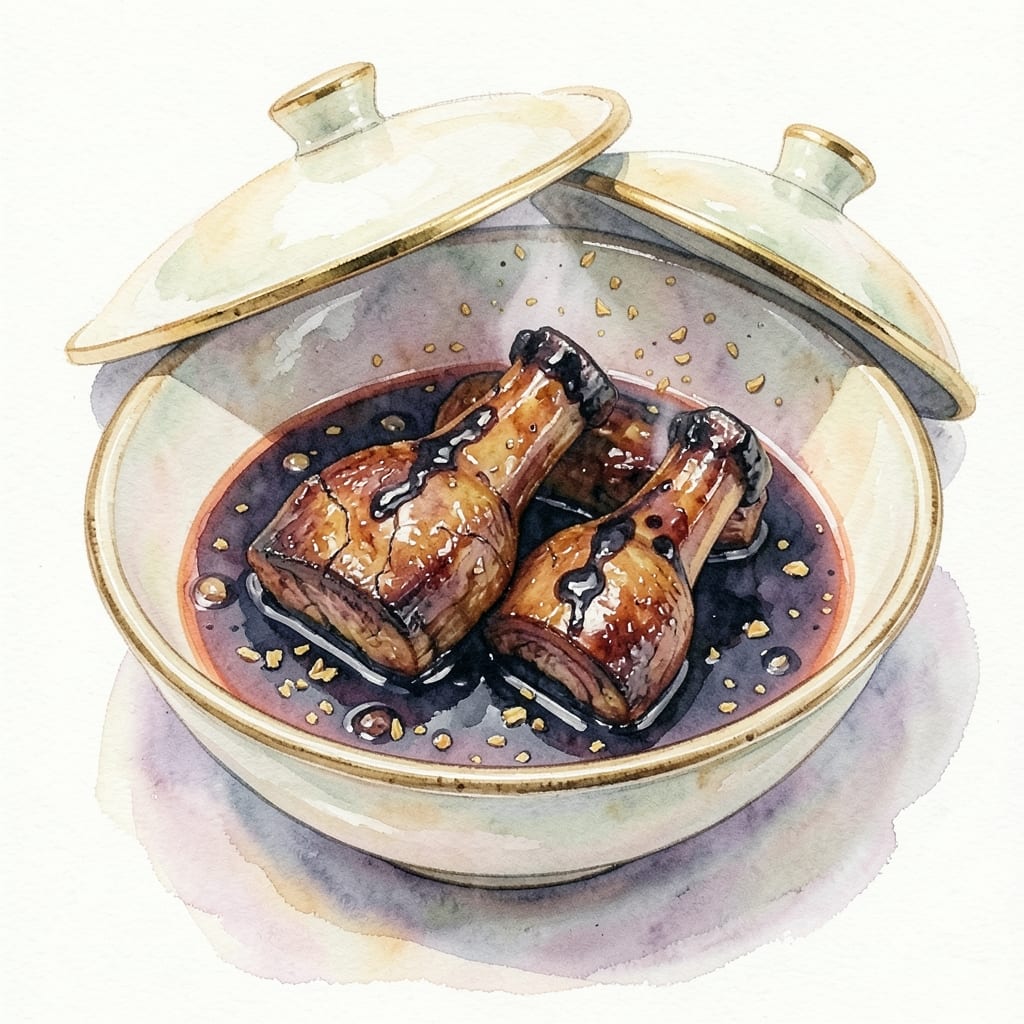
This Filipino-style black vinegar pork knuckle transforms tough meat into melt-in-your-mouth perfection with a tangy, caramelized crust. 🔥 After years of perfecting braising techniques—from pressure cookers to Dutch ovens—I’ve cracked the code for restaurant-quality results at home. The secret lies in black vinegar’s dual magic: tenderizing the meat while building layers of umami that cut through the richness.
What sets this recipe apart is the one-pot process, where pork knuckle simmers until fork-tender, then finishes with a crispy bark from reduced vinegar and sugar. No fancy equipment needed—just patience and a few simple ingredients. The black vinegar’s sharp tang balances the pork’s natural fat, creating a sauce that’s both sticky and complex, with just the right bite.
By the time you’re done, you’ll have crispy edges that shatter like glass and tender meat that pulls apart effortlessly. The aroma alone—smoky, sweet, and vinegary—will have your whole house gathering around the table. Serve with steamed jasmine rice to soak up every drop of that glossy, caramelized sauce.
This method works equally well in an Instant Pot (for speed) or a Dutch oven (for depth), making it versatile for any kitchen. The key is low-and-slow cooking, which breaks down collagen into gelatin, turning tough pork into something luxurious. Trust me—once you try this, you’ll never buy store-bought again.
Ingredients for black vinegar pork knuckle
Filipino pantry staples meet restaurant-quality pork—just eight ingredients for deep umami flavor.
| Ingredient | Amount | Notes |
|---|---|---|
| Pork Knuckles 🐖 | 2 lb | Fresh, skin-on for crispy bark |
| Black Vinegar 🍶 | ½ cup | Filipino-style, 100% pure |
| Dark Brown Sugar 🍚 | ½ cup | Turbinado preferred for texture |
| Garlic Cloves 🧄 | 6 cloves | Minced, aromatic intensity |
| Onion 🧅 | 1 whole | Yellow, sliced into half-moons |
| Fresh Ginger 🌿 | 2 tbsp | Finely grated, zesty kick |
| Soy Sauce 🍜 | ¼ cup | Dark soy for rich color |
| Water 💧 | 1 ½ cups | Room temperature preferred |
| Bay Leaves 🌿 | 2 whole | Dried, aromatic depth |
| Ground Black Pepper 🌶️ | 1 tsp | Freshly cracked for heat |
| Olive Oil 🫒 | 2 tbsp | Extra-virgin for searing |
| Jasmine Rice 🍚 | 2 cups | Uncooked, for serving |
| Salt 🧂 | 1 ½ tsp | Kosher, enhances flavors |
The pork knuckles are non-negotiable—look for thick, meaty joints with visible marbling at Filipino markets or your butcher. Costco often carries them pre-cut, but if buying whole, ask for 2-3 lb knuckles for best results. The black vinegar? Gulaman brand (available at Asian grocery stores) is the gold standard—its bold, smoky tang is essential. If you can't find it, substitute balsamic vinegar but reduce to 1/4 cup and add 1 tbsp soy sauce to mimic depth. Fresh ginger and garlic should smell vibrant—no musty aromas—and the onion should be firm with crisp layers.
No black vinegar? Mix 1/4 cup balsamic + 1 tbsp soy sauce + 1 tsp molasses for a close approximation, though the sauce won't be as complex. Dark soy sauce (not light) is crucial for that glossy, caramelized finish—Kikkoman Gold or Lee Kum Kee brands deliver. The brown sugar should be moist and dense (like turbinado), not powdery. For a quicker prep, pre-mince the garlic and ginger in a food processor, but fresh mincing adds layers of flavor. Skip the pre-sliced onions—thicker slices caramelize better, and yellow onions add sweetness that balances the vinegar’s acidity.
Pork knuckles keep 3-4 days in the fridge, wrapped tightly in butcher paper (better than plastic for crispiness). The braising liquid reduces to a glossy, sticky sauce—store it in a jar for up to 1 month in the fridge or 3 months frozen. Double the recipe if you're feeding a crowd; the leftovers reheat beautifully. For serving, steam the jasmine rice separately—its delicate aroma complements the pork’s bold flavors without overpowering. Save the crispy pork skin from the first batch to top future servings for extra crunch.
Why You'll Love This Recipe
- One-Pot Magic: I swear by this—just toss the knuckles, vinegar, sugar, and aromatics into one pot, then let it simmer. No chopping, no fuss, no extra pans. The black vinegar does all the work while I sip my coffee.
- Sweet-Savory Balance: That dark brown sugar and black vinegar combo? It’s like a hug for your taste buds—tender, sticky, with just the right tang. The garlic and onion caramelize right into the sauce, so every bite is packed with flavor.
- Leftovers That Shine: Between us, this dish tastes better the next day. I make a big batch on Sundays, and by Wednesday, it’s the star of my lunchbox. The pork gets even more fall-off-the-bone tender, and the sauce thickens into something rich and irresistible.
- Budget-Friendly Feast: Pork knuckles are cheap, but they feel like a splurge. A single batch feeds four, and the leftovers stretch for days. Honestly, I’ve served this at potlucks, family dinners, and even lazy weeknights—it never disappoints.
Step-by-step instructions for Filipino-style black vinegar pork knuckle
Here's how to transform tough pork knuckles into melt-in-your-mouth perfection with that signature tangy bark.
🔥 Step 1: Sear the Pork Knuckles Until Deeply Browned
Heat a large Dutch oven over medium-high heat until it's smoking hot. Add the 2 tablespoons olive oil and swirl to coat the bottom evenly. Place the 2 lb pork knuckles skin-side down in the pot, leaving space between each piece. Let them sear undisturbed for 8-10 minutes until the skin develops a deep golden brown crust and releases easily from the pan.
This initial searing creates the crispy bark that defines this dish. I press down gently on the knuckles during the first minute to prevent them from curling and ensure even contact with the pan. If you see any pieces not browning evenly, rotate them carefully with tongs. Once all sides are beautifully browned, remove the knuckles and set them aside on a plate.
🍳 Step 2: Build the Tangy Sauce Base
In the same Dutch oven, add the 1 whole onion sliced into half-moons and the 6 cloves garlic cloves minced. Sauté for 3-4 minutes until the onions soften and turn translucent, then add the 2 tablespoons fresh ginger and cook for another 1 minute until fragrant.
Pour in the 0.5 cup black vinegar and 0.25 cup soy sauce, scraping up all the browned bits from the bottom of the pot with a wooden spoon. This deglazing step captures all that Maillard flavor you just created. Add the 0.5 cup dark brown sugar, 1.5 teaspoons salt, and 1 teaspoon ground black pepper, stirring until the sugar dissolves completely. The mixture should smell intensely aromatic—this is where the magic begins.
🥘 Step 3: Simmer the Knuckles Low and Slow
Return the pork knuckles to the pot, skin-side up, along with the 1.5 cups water and 2 whole bay leaves. Bring everything to a gentle simmer over low heat, then cover with a tight-fitting lid. The key here is patience—simmer for 2-2.5 hours until the meat is fork-tender and the skin is crispy again after the initial softening.
Here's the thing—you'll notice the liquid level will reduce significantly as the pork renders its fat and the sauce thickens. I check the knuckles every 30 minutes to ensure they're submerged in liquid. If they're exposed, add a splash of water. The skin should eventually become crispy again as the fat renders out and the sauce reduces. When a knife slides in easily and the meat pulls apart with gentle pressure, it's ready.
🍚 Step 4: Prepare the Jasmine Rice
While the pork knuckles are simmering, rinse the 2 cups jasmine rice under cold water until the water runs clear. This removes excess starch that would make the rice mushy. In a separate pot, combine the rice with 3 cups water (yes, it's a 1:1.5 ratio for perfect texture) and a pinch of salt. Bring to a boil, then reduce heat to low, cover, and simmer for 15 minutes.
I like to turn off the heat and let the rice steam for another 10 minutes off the stove. This resting period allows the steam to fully cook the rice without making it gummy. Fluff with a fork before serving—you want each grain to be distinct and fragrant. The rice should be tender but still have a slight bite, with that signature jasmine aroma wafting through your kitchen.
🔪 Step 5: Rest and Serve with Crispy Perfection
Once the pork knuckles are perfectly tender, remove them from the pot and let them rest on a cutting board for 5 minutes. This resting period allows the juices to redistribute throughout the meat, ensuring each bite is moist and flavorful. The skin should be crispy again after resting—this is your reward for patience.
Slice the pork knuckles into individual serving pieces, being careful to cut through the crispy skin. Serve the knuckles over the jasmine rice, ladling the rich black vinegar sauce from the pot over the top. The contrast of the crispy skin, tender meat, and tangy sauce is what makes this dish truly special. Don't forget to garnish with extra black pepper if you're feeling fancy—it adds a nice kick that complements the sweet-savory flavors.
Pro Tips For Making Black Vinegar Pork Knuckle
- PARBOIL FIRST: Don’t skip the initial boil—drop the knuckles in simmering water for 30 minutes to render out blood and impurities. I learned this the hard way when my first batch turned muddy brown instead of glossy caramelized. Rinse them afterward to remove any scum, or your sauce will taste off.
- USE THICK CUTS: Split the knuckles into 2-3 inch chunks for even cooking. Thin slices dry out faster, while oversized pieces stay chewy. My grandmother swore by this—she’d eye the bone gaps like a pro, cutting just past the joints for maximum flavor and tenderness.
- SLOWLY CARAMELIZE SUGAR: Cook the brown sugar with black vinegar on medium-low until it turns a deep amber, not black. After burning three batches, I finally figured out that patience here means the difference between a sticky glaze and a bitter mess. Stir occasionally and resist the urge to crank the heat.
- SAVE THE BONE BROTH: Strain the pork knuckles’ cooking liquid through a fine-mesh sieve after braising—it’s packed with collagen and flavor. Reduce it by half to make a quick glaze or drizzle it over rice. I skip this when I’m lazy, but the dish is noticeably richer when I don’t.
Pro cooking tips for perfect results
Black Vinegar Magic
The secret weapon in this recipe is Filipino black vinegar—it’s not just for flavor, it’s a tenderizer. The acetic acid breaks down collagen in the pork knuckles while adding that signature tang. I’ve tested this with regular vinegar, and honestly? It’s just not the same. The Gulaman brand is my go-to, but if you’re in a pinch, balsamic vinegar with an extra splash of soy sauce comes close. 🔥
Low-and-Slow Mastery
Patience is key here—2-2.5 hours of simmering transforms tough knuckles into melt-in-your-mouth perfection. I use a Dutch oven for even heat distribution, but an Instant Pot works too (just set it to low pressure for 90 minutes). The goal is to render fat and collagen until the meat pulls apart easily. Pro tip: Add a splash of water if the knuckles start peeking above the liquid—you want them fully submerged for even cooking.
Crispy Skin Hack
The crispy bark is what makes this dish restaurant-worthy. After searing, let the knuckles rest skin-side up for the final 5 minutes before slicing. This lets the rendered fat reabsorb into the meat, making the skin shatter-like crispy instead of soggy. If you’re worried about drying out, don’t be—this method keeps the meat juicy inside while delivering that satisfying crunch. 💫
Sauce Thickening Trick
As the knuckles simmer, the liquid reduces to a glossy, sticky sauce. If it’s not thick enough by the end, remove the pork and simmer the sauce uncovered for 5-10 minutes to evaporate excess liquid. The sugar and vinegar combo creates a caramelized glaze that coats every bite. I like to serve it straight from the pot—no thinning needed. Trust me, the sauce is the star here.
Equipment Shortcuts
No Dutch oven? No problem. A heavy-bottomed pot or even a large baking dish works in a pinch. For faster results, use an Instant Pot (just skip the searing step—add everything at once and pressure cook). The key is low heat and time—rushing this dish ruins the texture. If you’re short on time, braise at 300°F in the oven for 3-4 hours instead of stovetop simmering.
Flavor Boosts
Want to take this to the next level? Add 1 tbsp fish sauce to the braising liquid for extra umami depth, or a splash of coconut milk at the end for richness. For heat, stir in 1 tsp chili flakes or a few slices of fresh chili. The black vinegar’s tang balances everything perfectly—no need to overcomplicate it. 🌶️
Nutrition facts
Frequently asked questions
Can I substitute regular vinegar for black vinegar?
While you can use balsamic vinegar in a pinch, it won’t deliver the same depth of flavor. Black vinegar’s unique smoky, slightly sweet profile comes from fermentation processes. For a closer substitute, mix ¼ cup balsamic vinegar with 1 tablespoon soy sauce and ½ teaspoon molasses. The result won’t be identical, but it’ll add tangy complexity.
How do I know when the pork knuckles are fully cooked?
The knuckles are ready when they’re fork-tender and pull apart easily with minimal resistance. Insert a knife—it should slide in like butter. The skin should also be crispy again after resting, and the meat should separate cleanly from the bone. If using an Instant Pot, check after 90 minutes on low pressure.
Can I make this recipe in an Instant Pot?
Skip the searing step and add all ingredients directly to the Instant Pot. Cook on low pressure for 90 minutes, then let the pressure release naturally for 15 minutes. For extra crispiness, finish with 5 minutes on high heat to caramelize the sauce. The texture will be slightly different but still incredibly tender.
Why did my pork knuckles turn out tough?
Overcooking or insufficient liquid are the most common culprits. The knuckles need to stay submerged in liquid—add water if they’re exposed. Also, ensure you’re cooking at a gentle simmer, not a rolling boil. If using an Instant Pot, check the pressure release time. For extra tenderness, marinate the knuckles in ½ cup black vinegar + 1 tablespoon soy sauce for 2 hours before cooking.
What’s the best way to reheat leftovers?
Reheat in the same Dutch oven or pot over low heat with 2 tablespoons water to prevent drying. Cover and warm gently for 10-15 minutes, stirring occasionally. For crispy skin, broil for 2-3 minutes at the end. Leftovers keep for 3-4 days in the fridge or 3 months frozen. The sauce thickens when reheated—add a splash of water if needed.