
Sauces & Condiments
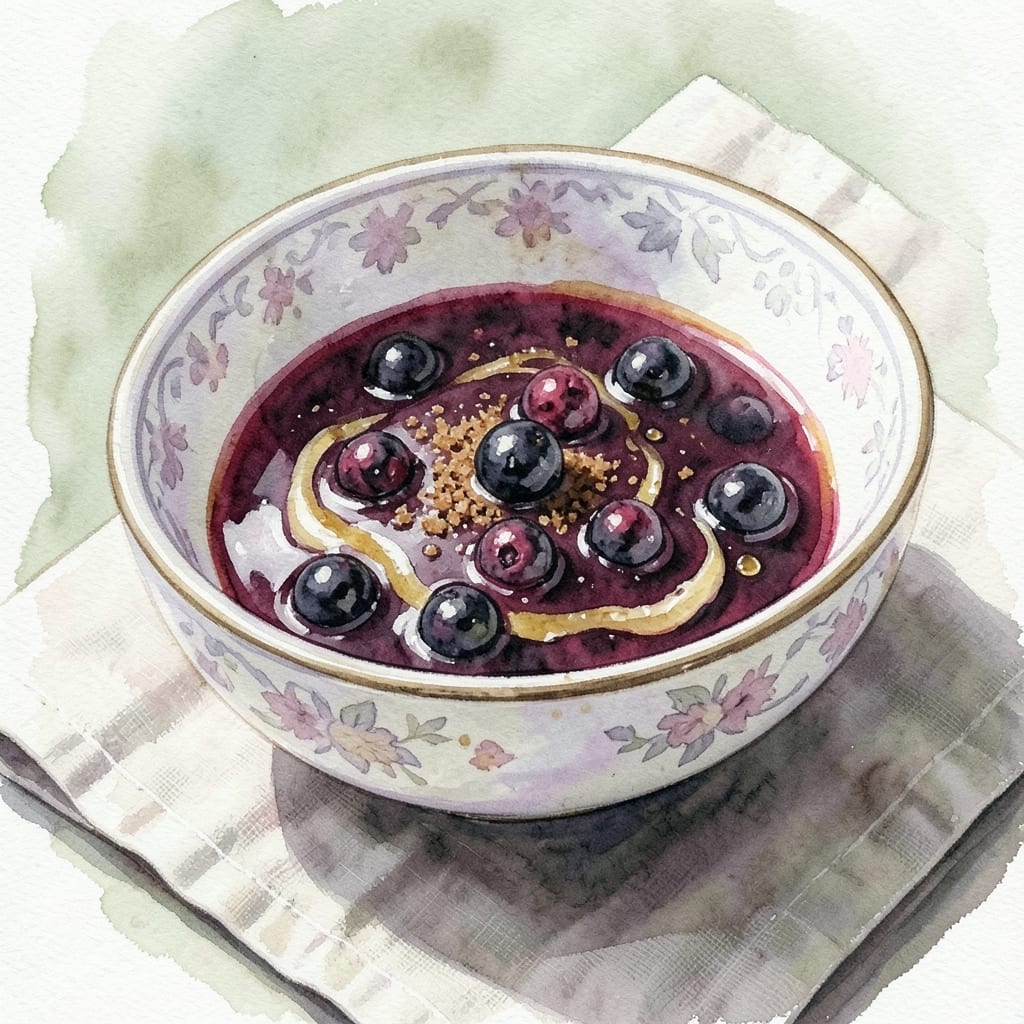
This blackberry sauce recipe for pork transforms simple ingredients into a rich, caramelized glaze that enhances any pork dish. 💛 The secret lies in balancing sweetness and acidity while simmering the berries until they burst into a velvety, jammy consistency—perfect for glazing pork chops, ribs, or even drizzling over desserts. I developed this sauce after years of experimenting with fruit glazes, and it consistently delivers that perfect harmony of sweet, tangy, and slightly smoky flavors.
The beauty of this recipe is its simplicity: just blackberries, a touch of sweetener (like brown sugar or honey), and a splash of vinegar or lemon juice to brighten the flavors. Optional spices like cinnamon or vanilla add depth, but the sauce shines even without them. The key technique is simmering the mixture until it thickens and develops a glossy sheen—this is what creates that irresistible caramelized edge on pork.
What you'll end up with is a versatile sauce that elevates pork dishes to restaurant-quality levels. The glaze clings beautifully to meat, adding a glossy finish and layers of fruit flavor with every bite. It's also incredibly easy to make ahead and store, so you can have it ready whenever pork is on the menu.
This sauce isn't just for pork—it works wonders on chicken, fish, or even as a dessert topping. The possibilities are endless, but the method remains the same: simmer, reduce, and glaze. Let's get started!
Ingredients for blackberry sauce recipe for pork
Eight simple ingredients transform into a velvety glaze perfect for pork's caramelized edges.
| Ingredient | Amount | Notes |
|---|---|---|
| Fresh Blackberries 🫐 | 2 cups | Packed, ripe berries preferred |
| Dark Brown Sugar 🍯 | ½ cup | Packed, for caramelization |
| Apple Cider Vinegar 🍶 | 2 tbsp | Or sub lemon juice |
| Ground Cinnamon 🌿 | ½ tsp | Optional for depth |
| Vanilla Extract 🌸 | ½ tsp | Pure vanilla preferred |
| Unsalted Butter 🧈 | 2 tbsp | Cold, cubed for gloss |
| Kosher Salt 🧂 | ¼ tsp | To balance sweetness |
| Fresh Lemon Juice 🍋 | 1 tbsp | Brightens flavors |
Blackberries are the star—look for deep purple, plump berries at the grocery store's produce section. Trader Joe's and Whole Foods often carry the best quality, but any ripe berries work. If using frozen, thaw and drain well to avoid watery sauce. The brown sugar should be packed tightly—Domino brand is my go-to for consistent results. For vinegar, Bragg's apple cider is my favorite, but any quality vinegar works. Fresh berries make the most vibrant sauce, but frozen is a budget-friendly alternative (just no sugar added).
No blackberries? Raspberries or blueberries work in a pinch—adjust sweetener to taste. Substitute honey for brown sugar (1:1 ratio), but brown sugar's molasses content adds depth. Vanilla extract can be swapped for vanilla bean paste (use seeds only). If you prefer a tangier glaze, add an extra tablespoon of lemon juice. The butter is key for that glossy finish—European-style butter like Plugrá has more fat for better results. For a dairy-free version, use coconut oil instead.
This sauce keeps beautifully—fridge for 1 week or freeze for 3 months. Store in an airtight container with a thin layer of oil on top to preserve freshness. Reheat gently on the stove, adding a splash of water if it thickens too much. The glaze thickens as it cools, so it's perfect for brushing on hot pork right before serving. For a restaurant-quality finish, strain the sauce before glazing to remove seeds.
Why You'll Love This Recipe
- No Boil-Over Stress: I just toss blackberries, brown sugar, and vinegar into a small pot—no measuring cups, no fuss. The sauce thickens fast, and the cinnamon and vanilla deepen as it simmers, so I’m not babysitting the stove.
- Sweet-Tart Magic: That first bite of pork with the sauce clinging—juicy, slightly tangy, with a whisper of vanilla—is ridiculously good. The blackberries burst while the brown sugar caramelizes, and the vinegar cuts through the richness like a perfect balance.
- Double-Duty Sauce: Use it on pork chops for dinner, then drizzle it over grilled chicken for lunch the next day. (Yes, even on a Tuesday night.) It’s my go-to for potlucks too—just warm it up, and it’s restaurant-quality without the effort.
- Leftovers That Shine: This sauce keeps for weeks in the fridge, so I make a big batch. It’s budget-friendly too—blackberries are often on sale, and brown sugar stretches far. Plus, the longer it sits, the richer the flavor gets. Win-win.
Step-by-step instructions for blackberry sauce that caramelizes pork
This sauce transforms simple pork into a restaurant-worthy centerpiece with glossy, caramelized edges.
🍳 Step 1: Simmer Blackberries Until They Break Down
Place the 2 cups of fresh blackberries in a medium saucepan over medium-high heat. Let them simmer uncovered for 5-7 minutes until they begin to soften and release their juices. You'll see the berries burst and create a fragrant, deep purple liquid.
Stir occasionally to prevent sticking, but don't mash them yet—you want them to break down naturally. The berries should release about ½ cup of natural juice. If they're not releasing enough liquid, add 1 tablespoon water (though the sugar will help draw it out).
🍳 Step 2: Add Sugar and Cook Until Syrupy
Once the blackberries are soft, stir in the 0.5 cup dark brown sugar and the 2 tablespoons apple cider vinegar. Increase heat to medium-high and bring to a boil. Let it boil vigorously for 3-4 minutes until the mixture reduces by about ⅓ and becomes syrupy.
Watch closely as it thickens—you're looking for a consistency where the sauce coats the back of a spoon but still flows freely. The sugar will caramelize slightly, deepening the flavor and creating that glossy finish perfect for pork. If it thickens too quickly, add 1 tablespoon water to balance it.
🍳 Step 3: Incorporate Butter and Seasonings
Reduce heat to medium-low and whisk in the 2 tablespoons cold cubed butter. Stir until completely melted and emulsified into the sauce. This step adds richness and creates that beautiful sheen on the pork's surface.
Add the 0.5 teaspoon ground cinnamon, 0.5 teaspoon vanilla extract, 0.25 teaspoon kosher salt, and 1 tablespoon fresh lemon juice. Stir well and let the sauce simmer gently for another 2-3 minutes to meld all the flavors together.
⏰ Step 4: Finish with Glossy Perfection
Remove the sauce from heat and let it cool slightly for 5 minutes. The sauce will thicken further as it cools, so don't let it sit too long or it may become too stiff. For a truly glossy finish, return it to low heat for 1 minute to reheat gently while stirring.
Taste and adjust seasoning—you may want to add a pinch more salt or a splash more lemon juice if needed. The sauce should balance sweet, tart, and spiced notes with a velvety texture. Transfer to a serving bowl and keep it warm until ready to use on your pork.
Pro Tips For Making Blackberry Sauce Recipe For Pork
- CRUSH THE BERRIES: Skip the food processor—your fingers work best here. Mash them just enough to release juice but leave some texture, or the sauce turns into a mushy glop. (Yes, even if you’re impatient like me.)
- SIMMER LOW AND SLOW: After adding vinegar and sugar, turn the heat down to a bare simmer. I learned this the hard way—boiling it too hard burns the sugar and makes the sauce taste bitter. Let it bubble gently for 10-12 minutes.
- MEASURE THE VANILLA: That tiny vanilla extract bottle is deceptive—use 1 teaspoon, not a splash. I used to eyeball it and wonder why the flavor felt weak. Trust the measurement, even if it seems like a lot.
- SAVE THE SKINS: Don’t rinse those blackberries first—just wipe off dirt. The skins hold flavor, and rinsing strips away the natural oils that make the sauce taste richer. (Your future self will notice the difference.)
Storing and reheating this recipe
Fridge Storage Tips
Store your blackberry sauce in an airtight container (like a glass mason jar or BPA-free plastic container) in the fridge for up to 1 week. The sauce will thicken as it cools, so I like to add 1 teaspoon water when reheating if it feels too stiff. Always let it cool completely before sealing—hot liquids create condensation that can dilute flavors. 💛
Freezer Prep
For longer storage, portion the sauce into silicone ice cube trays or freezer-safe containers—this makes it easy to thaw just what you need. Label with the date and freeze for up to 3 months. When ready to use, thaw overnight in the fridge or reheat directly from frozen over low heat with 1 tablespoon water to prevent burning.
Reheating Methods
For stovetop reheating, warm the sauce in a small saucepan over low heat for 3-4 minutes, stirring constantly. If it thickens too much, add 1 teaspoon water or apple cider vinegar. For microwave reheating, use 30-second intervals on 50% power, stirring between each, until just warmed through—this preserves the glossy texture better than high heat.
Glaze Application
Brush the warm sauce onto hot pork (like chops or ribs) in the last 2 minutes of cooking. The residual heat will create that perfect caramelized crust. For extra shine, strain the sauce through a fine-mesh sieve before brushing—this removes seeds and creates a silky finish. I find pork chops get the most dramatic results with this technique! ⚡
Sauce Versatility
This isn't just for pork—use the leftover sauce as a dessert drizzle over vanilla ice cream or cheesecake, or as a glaze for roasted chicken. The key is reheating gently to maintain that velvety consistency. If storing for desserts, add ½ teaspoon vanilla extract when reheating for extra depth. The sauce keeps beautifully for 1 week in the fridge this way too!
Nutrition facts
Frequently asked questions
Can I use frozen blackberries instead of fresh?
Yes, but thaw and drain them thoroughly first to avoid a watery sauce. Frozen blackberries work well—they're often cheaper and just as flavorful. For best results, use unsweetened frozen berries and adjust the brown sugar to taste after cooking. The texture will be slightly softer but still delicious!
How do I prevent the sauce from getting too thick?
Add 1 tablespoon water or apple cider vinegar while simmering if it thickens too quickly. The sauce should coat the back of a spoon but still flow freely. If it becomes too stiff after cooling, reheat gently with an extra splash of liquid. Remember, it thickens more as it cools!
What's the best way to use this sauce on pork?
Brush it onto hot pork chops or ribs in the last 2 minutes of cooking for that perfect caramelized crust. For extra shine, strain the sauce first to remove seeds. It also works beautifully as a drizzle over pulled pork or as a glaze for pork tenderloin!
Can I make this sauce without butter?
Swap the butter for 2 tablespoons coconut oil for a dairy-free version. The sauce will still have a glossy finish, though butter adds richness. For a lighter option, omit it entirely and use extra lemon juice to brighten flavors. The sauce will just be slightly less velvety.
How can I use leftover sauce?
Store it in the fridge for up to 1 week or freeze for 3 months. Use it as a dessert drizzle over ice cream, cheesecake, or yogurt. It also makes a fantastic glaze for roasted chicken or even as a topping for pancakes or waffles. Just reheat gently to restore its glossy texture!