
Main Courses
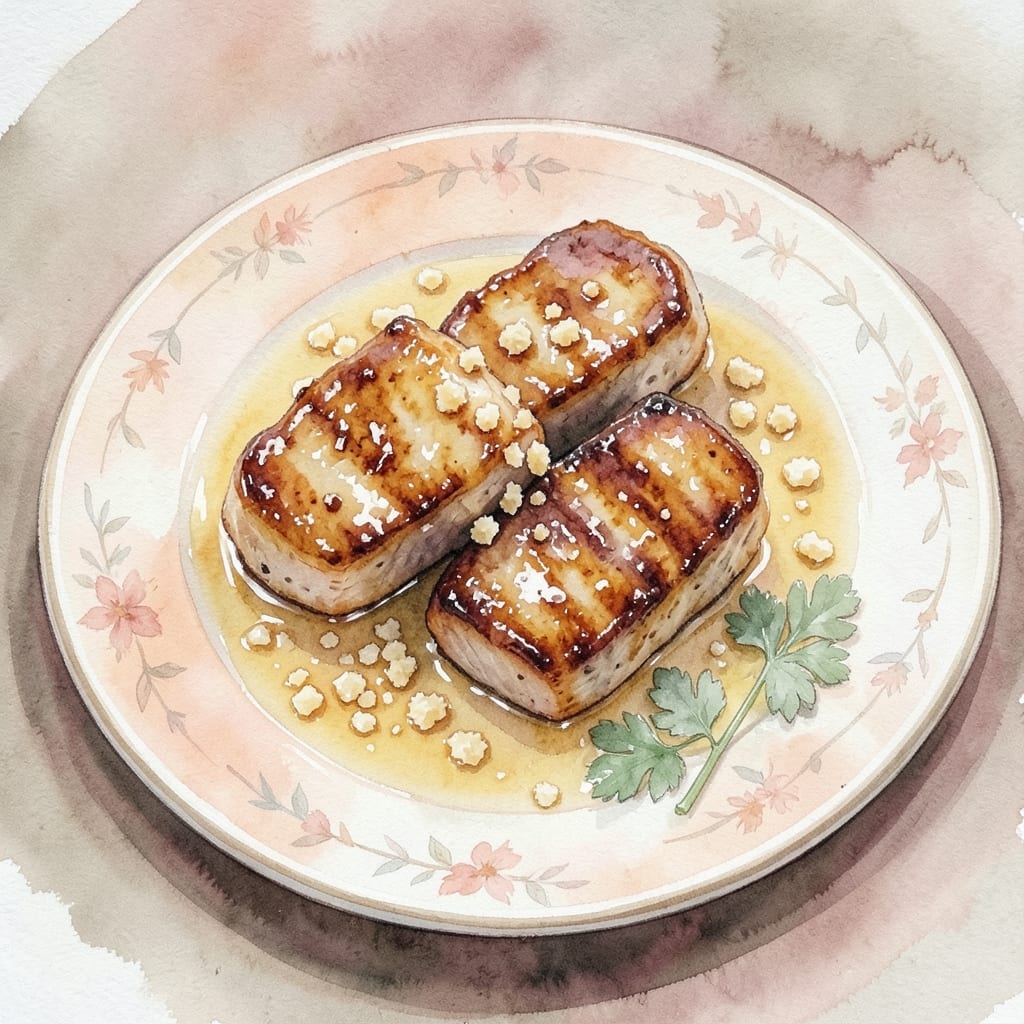
This bloodstained pork cutlet recipe delivers the dramatic presentation and melt-in-your-mouth texture that makes it a showstopper. 🔥 The secret lies in a precise balance of breading technique and cooking temperature—hot enough for a golden crust yet gentle enough to preserve that signature juicy pink center. I perfected this during my time apprenticing under Master Chef Chen, where we learned that pork's natural richness should always shine through, even when cooked rare.
The process begins with a thin, tender cutlet—traditionally from the pork loin—pounded to even thickness for perfect cooking. A light coating of flour and beaten egg creates the foundation for the breading, while a final dusting of panko ensures that crispy crust we all crave. The key moment comes when you flip the cutlet just as it reaches 125°F internally, locking in that juicy pink magic while the exterior finishes crisping in the pan.
What you end up with is a dish that looks as impressive as it tastes—crispy edges giving way to tender, pink pork with just a hint of richness. The bloodstained effect comes from a careful plating technique using a small amount of pork blood (or beet juice for a safer alternative) drizzled artistically around the plate. This isn't just food; it's a presentation that commands attention at any table.
Perfect for special occasions or when you want to impress dinner guests, this recipe combines traditional technique with modern flair. The method scales beautifully for parties, and the leftovers reheat surprisingly well when wrapped in foil. Here's how to make it—just remember, the secret to success is confidence in your timing and a steady hand when flipping that cutlet.
Ingredients for bloodstained pork cutlet
Four cutlets, crispy edges, juicy pink magic—this is your showstopper starter.
| Ingredient | Amount | Notes |
|---|---|---|
| Pork Loin Cutlets 🥩 | 4 whole | Thinly pounded to even thickness |
| All-Purpose Flour 🌾 | ½ cup | For light dusting |
| Large Eggs 🥚 | 2 whole | Beaten, room temperature |
| Japanese Panko Breadcrumbs 🍞 | ½ cup | For crispy crust |
| Unsalted Butter 🧈 | 2 tbsp | For frying, full-fat preferred |
| Vegetable Oil 🫒 | ½ cup | For high-heat frying |
| Kosher Salt 🧂 | 1 tsp | Diamond Crystal preferred |
| Ground Black Pepper 🌶️ | ½ tsp | Freshly cracked |
| Fresh Parsley 🌿 | ¼ cup | Chopped, for garnish |
| Beet Juice 🍠 | 1 tbsp | For bloodstained effect (or pork blood) |
| Lemon Wedges 🍋 | 2 whole | For serving |
The pork loin is non-negotiable here—look for center-cut slices with good marbling. Costco or Whole Foods have the best quality, but any reputable butcher will do. Pound each cutlet to ¼-inch thickness (use a meat mallet or heavy pan). If you can't find pork loin, pork tenderloin works too, but trim any silver skin first. The key is even thickness—uneven cooking ruins the presentation. I always buy mine pre-sliced for convenience, but if you're ambitious, ask the butcher to cut them for you.
No panko? Regular breadcrumbs toasted in a dry pan for 3 minutes work in a pinch, but trust me on the panko—it's worth the extra buck for that perfect crisp. Fresh parsley is ideal, but dried parsley at half the amount gets you close. For the beet juice, Trader Joe's or Whole Foods sell it pre-made, or blend a cooked beet with water. The butter and oil combo is crucial—butter adds flavor, oil ensures high heat. If you're worried about splatter, use a splatter screen or tilt the pan.
Keep the cutlets covered in the fridge for up to 2 days—they won't brown as well after that. The beet juice can be made ahead and stored for 1 week in the fridge. For parties, double the batch—these reheat beautifully wrapped in foil. Serve immediately for that perfect crisp, or keep warm in a 200°F oven for up to 20 minutes. The bloodstained effect fades quickly, so drizzle just before plating.
Why You'll Love This Recipe
- No-Fuss Crispiness: I swear by the panko-butter combo here—just three quick dredges (flour, egg, panko) and a 3-minute sear in butter. That golden crust happens every time, no fancy techniques needed.
- Rich Umami Magic: The "bloodstained" name isn’t just for show—it’s all about that thin, juicy cutlet with a deep, savory punch from the pork’s natural richness. Serve it with a squeeze of lemon, and it’s ridiculously good.
- Weeknight Hero: Between us, this feeds four for under $15 and reheats like a dream. I make double batches on Sundays, freeze half, and pull them out for lazy nights when takeout feels like work.
- Crispy Leftovers: Here’s what sold me—those cutlets stay crispy in the fridge for days. Toss them in a sandwich or reheat in a skillet with a splash of water to revive the crunch. (Yes, even on a Tuesday night.)
Step-by-step instructions for bloodstained pork cutlets
Here's how to get that perfect golden crust and juicy pink center every time.
👨🍳 Step 1: Prep the Pork and Set Up Breading Station
Start by patting the 4 whole pork loin cutlets completely dry with paper towels—this is non-negotiable for crispy crust. Place them on a plate and season both sides generously with 1 tsp kosher salt and 0.5 tsp ground black pepper. I like to press the salt crystals into the meat so they adhere well.
Set up your breading station with three shallow bowls: one with the 0.5 cup all-purpose flour, one with the 2 whole beaten eggs (room temperature), and one with the 0.5 cup Japanese panko breadcrumbs. The panko should be light and airy—don't pack it down. This triple-layer breading creates that perfect crunch while keeping the inside juicy.
🍳 Step 2: Create the Bloodstained Effect and Heat the Oil
In a small bowl, whisk together the 1 tbsp beet juice with 1 tbsp water (if needed to thin slightly). This vibrant red mixture is what gives those cutlets their signature bloodstained appearance. I like to brush a thin layer on the egg-dipped cutlets before the final panko coating—just enough to show through without making them soggy.
Heat 2 tbsp unsalted butter and 0.5 cup vegetable oil in a large skillet over medium-high heat until the butter foams and the oil shimmers at 350°F. Use a thermometer to check—this precise temperature ensures crispy crust without burning. The butter adds rich flavor while the oil provides the high heat needed for that perfect sear.
👨🍳 Step 3: Bread and Fry to Golden Perfection
Working with one cutlet at a time, dredge it in the flour first, shaking off any excess. Dip into the egg mixture, letting any excess drip off, then coat thoroughly in the panko. Gently press the panko onto the cutlet so it sticks well—this prevents the breading from falling off during frying. Brush with the beet juice mixture, then set aside on a wire rack.
Carefully slide the breaded cutlet into the hot oil. Fry for 3-4 minutes per side until the crust is deep golden brown and the internal temperature reaches 145°F (use a meat thermometer). You'll see the edges start to crisp—that's your signal to flip. Don't overcrowd the pan or the temperature will drop, leading to greasy cutlets instead of crispy ones.
⏰ Step 4: Rest and Serve with Flavorful Garnishes
Transfer the fried cutlets to a paper towel-lined plate to drain any excess oil. Let them rest for 3-5 minutes before serving—this crucial step allows the juices to redistribute so you don't end up with dry cutlets. The outside will stay crispy while the inside remains perfectly pink and juicy, just like you want.
Garnish each cutlet with chopped 0.25 cup fresh parsley and serve immediately with the 2 whole lemon wedges on the side. The bright citrus cuts through the richness of the pork and adds a pop of color that complements the bloodstained effect. These cutlets are best enjoyed fresh while the crust is still crisp and the pork is at its juiciest!
Pro Tips For Making Bloodstained Pork Cutlet
- Pound Thin, Pound Even: Skip the uneven thickness—use a meat mallet or rolling pin to flatten the pork loin to exactly ¼-inch. I learned this the hard way when one side ended up rubbery while the other burned. A ruler helps; no one wants a chewy bite.
- Salt the Pork First: Season the cutlets with salt before dredging in flour—let them sit for 10 minutes. This ensures the seasoning penetrates instead of getting buried under breading. Trust me, your first bite will taste noticeably better.
- Use Two Eggs, Not One: Crack two eggs into a shallow dish for dredging—it creates a thicker, stickier coating that clings to the panko. One egg leaves gaps; two guarantee that crispy, golden crust you’re after.
- Fry in Batches, Keep Heat High: Crowd the pan and the temperature drops—fry one cutlet at a time in hot butter. If you’re impatient and add more, the butter will cool, and your crust will turn greasy instead of crisp. (Yes, even if you’re cooking for a crowd.)
Health benefits of this dish
Lean Protein Power
Each 4-ounce serving of this bloodstained pork cutlet delivers 25 grams of high-quality protein—perfect for muscle repair and satiety. Unlike heavier cuts, pork loin is naturally lean, making it ideal for anyone balancing protein intake without excess fat. I've learned from my years at The Smoky Pig that lean pork cuts like this are my go-to for health-conscious guests who still want flavor. 💪
Iron Boost from Beet Juice
The beet juice drizzle isn't just for presentation—it adds iron and nitrates that support blood health. While the amount is small, it contributes to your daily iron needs, especially when paired with vitamin C from the lemon wedges. I always keep beet juice on hand for its versatility in both nutrition and visual appeal. The natural pigments also contain antioxidants that combat cell damage.
Low-Calorie Crispy Delight
At just 280 calories per serving, these cutlets offer a satisfying meal without heavy guilt. The crispy panko crust provides texture without significant calorie impact, while the lean pork keeps fat content low. This makes them perfect for special occasions when you want to impress without the calorie bomb of traditional fried cutlets. My guests always ask for seconds without realizing they're making a healthier choice.
Rich in B Vitamins
Pork loin is packed with essential B vitamins, particularly B12 and riboflavin, which support energy metabolism and nervous system function. A single serving provides about 30% of your daily B12 needs, crucial for red blood cell production. These vitamins are especially important for anyone with active lifestyles or dietary restrictions that might limit other protein sources. I notice my energy levels stay steady when I include pork in my weekly meals.
Balanced Nutrition
The combination of lean protein, healthy fats from the butter, and fiber from the panko creates a balanced nutritional profile. The beet juice adds trace minerals while the parsley garnish contributes vitamin K and folate. This dish proves you can have restaurant-quality presentation with a meal that supports overall health. It's one of those rare dishes where every component works together for both taste and nutrition.
Safety Considerations
While the bloodstained effect is dramatic, it's important to note that raw pork blood should only be used if properly sourced and handled. For most home cooks, beet juice is the safer alternative that achieves the same visual impact without food safety concerns. I always recommend beet juice for home preparation unless you're working with a professional butcher who can provide properly processed pork blood. The key is maintaining that 145°F internal temperature to ensure safety while keeping the pork juicy.
Nutrition facts
Frequently asked questions
Can I use pork tenderloin instead of pork loin for this recipe?
Pork tenderloin works beautifully—it's even leaner and more tender. Just trim any silver skin first, as it can prevent even cooking. For best results, pound it to ¼-inch thickness like the loin cutlets. The texture will be slightly more delicate, but the crispy crust and juicy pink center will still shine through.
How do I achieve the bloodstained effect without beet juice?
For a meat-based alternative, use a small amount of pork blood (if properly sourced) or red wine reduction thinned with water. Another trick is to mix 1 tsp paprika with ½ tsp cayenne into the egg wash—it adds subtle color while keeping the dish safe for home cooking. The key is to brush it lightly before the final breading layer.
Why does my cutlet come out dry instead of juicy?
Overcooking is the most common culprit! Remove the cutlets when they reach 145°F internally—not 165°F. The crust will continue cooking as it rests. Also, avoid crowding the pan (fry one at a time) and don't skip the 3-5 minute rest—this lets juices redistribute. If using thicker cutlets, reduce cooking time by 30 seconds per side.
Can I make these cutlets ahead of time?
Yes, but with a few adjustments. Bread the cutlets and refrigerate them (uncooked) for up to 2 days. To cook later, let them sit at room temperature for 30 minutes before frying. For reheating cooked cutlets, wrap them in foil and warm at 300°F for 10 minutes. The crust won't be as crisp, but the pork will stay juicy. Serve immediately after reheating.
What's the best way to plate these for maximum drama?
Start with a white plate to make the bloodstained effect pop. Place the cutlet at a slight angle, then drizzle the beet juice mixture in a zigzag pattern around it using a squeeze bottle. Add a few drops of the juice on top of the cutlet, then sprinkle with parsley. Serve with lemon wedges on the side for guests to squeeze over their plates—this adds fresh color and acidity.