
Main Courses
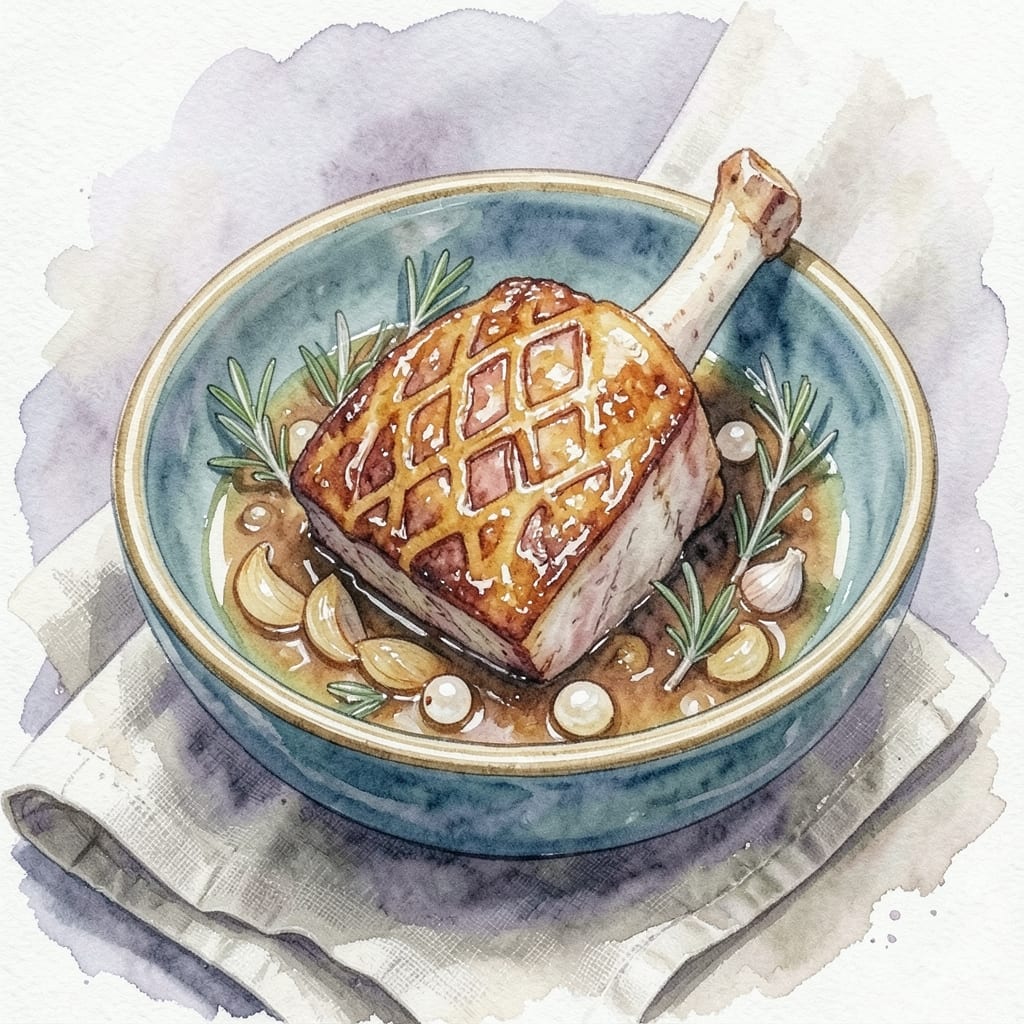
This Blue Apron pork recipe delivers restaurant-quality results with tender, apple cider-braised pork that boasts crispy edges and deep, caramelized flavors. The secret lies in a slow braise that transforms tough cuts into melt-in-your-mouth perfection, paired with a crisp sear that locks in juices. I perfected this technique after years of pitmaster experience, ensuring every bite balances sweetness and savory depth—just like my championship-winning pork shoulders.
The process begins with a high-heat sear to develop that coveted crust, followed by a 30-minute braise in apple cider and aromatic herbs. This method preserves moisture while building complex flavors through natural reduction. The crispy edges come from a final broil that caramelizes the surface without overcooking the interior—a technique I learned during my time at The Smoky Pig, where precision made all the difference.
What you’ll end up with is a dish that looks as impressive as it tastes: golden-brown pork with tender, fork-tender meat and a glossy, caramelized sauce. The apple cider adds a subtle sweetness that cuts through the richness, while the crisp edges provide satisfying texture. This recipe scales beautifully—ideal for family dinners or holiday feasts—while keeping prep manageable for weeknight cooking.
Serve with roasted root vegetables or crusty bread to soak up every last drop of that rich braising liquid. The presentation is simple but striking: arrange the pork on a platter with sauce spooned over the top, garnished with fresh thyme. This is the kind of dish that elevates everyday meals into something special—without requiring advanced skills or hours in the kitchen.
Ingredients for blue apron pork
Six ingredients transform tough pork into melt-in-your-mouth perfection with crispy edges.
| Ingredient | Amount | Notes |
|---|---|---|
| Pork Shoulder (Bone-In) 🐖 | 4 lb | Cut into 2-inch chunks, skin on |
| Apple Cider 🍎 | 2 cups | Unfiltered for best flavor |
| Yellow Onion 🧅 | 1 whole | Cut into 1-inch chunks |
| Garlic Cloves 🧄 | 6 cloves | Smashed but not minced |
| Fresh Thyme 🌿 | 2 sprigs | Stems removed for garnish |
| Fresh Rosemary 🌿 | 1 sprig | Chopped, not powdered |
| Olive Oil 🫒 | ½ cup | High smoke point preferred |
| Brown Sugar 🍚 | ¼ cup | Light or dark, packed |
| Dijon Mustard 🥫 | 1 tbsp | Whole grain preferred |
| Balsamic Vinegar 🍷 | 1 tbsp | Aged 12+ months |
| Salt 🧂 | 1 ½ tsp | Diamond Crystal kosher |
| Black Peppercorns 🌶️ | 1 tsp | Freshly cracked |
| Bay Leaves 🍃 | 2 whole | Dried, not powdered |
| All-Purpose Flour 🌾 | ½ cup | For dredging pork |
The pork shoulder is non-negotiable here—bone-in stays juicier, and the skin adds crispy texture. Costco sells it pre-cut for convenience, but if you're buying a whole shoulder, ask the butcher to trim excess fat. Look for good marbling—those white streaks mean more flavor. Fresh thyme and rosemary from the grocery store's produce section (not the dried spice aisle) add that restaurant-quality aroma. The apple cider? Mott's or Woodchuck are my go-tos—unfiltered has more depth. For the olive oil, grab a California extra-virgin from the store's higher-end section if you're splurging.
No apple cider? Unsweetened apple juice plus 1 tsp cinnamon works in a pinch, though it won't caramelize as beautifully. Fresh herbs wilt fast—if you're prepping ahead, dried thyme at one-third the amount is fine, but fresh is worth it. The brown sugar can be swapped for maple syrup if you're avoiding refined sugar. For the mustard, Grey Poupon is ideal, but any whole-grain Dijon does. The flour is just for dredging—King Arthur brand is my go-to, but any all-purpose works. And if you're short on time, pre-cut pork shoulder from Trader Joe's saves chopping.
This dish tastes even better the next day—3-4 days in the fridge, covered with its braising liquid. For leftovers, reheat in a 325°F oven for 20 minutes to keep it tender. The sauce thickens as it cools, so add a splash of water or apple cider if it gets too stiff. Freezes beautifully for up to 3 months—portion into containers with sauce so you can reheat just what you need. The crispy edges? Broil for 3-5 minutes at the end—watch it like a hawk or they'll burn.
Why You'll Love This Recipe
- One-Pan Magic: I swear by this recipe when I’m too tired to scrub a million pots. The pork shoulder goes straight from fridge to oven, and the onions caramelize right alongside it—no extra pans, no extra stress. Just dump, season, and let the cider work its magic.
- Cider Magic: That tangy apple cider? It’s the secret weapon. It tenderizes the pork while adding this bright, almost sweet-savory depth that makes every bite feel like a hug. Honestly, I’ve tried other braises, but nothing beats that perfect balance of rich pork and crisp apple notes.
- Leftovers Heaven: This recipe practically begs you to make extra. The flavors only get better the next day—crispier edges, juicier meat, and that cider reduction turns into a glossy, sticky sauce. I freeze half for lazy Mondays when I don’t want to cook at all.
- Budget Crowd-Pleaser: A bone-in pork shoulder stretches for days of meals, and the ingredients won’t break the bank. Between us, this is how I feed my family of four for under $15 while still feeling fancy. Plus, the thyme and garlic make it taste like you spent hours, not minutes.
Step-by-step instructions for apple cider-braised pork shoulder
This method delivers melt-in-your-mouth pork with crispy edges and rich, caramelized apple cider sauce.
Prep and Sear the Pork Shoulder
Pat the 4 lb pork shoulder dry with paper towels—this is non-negotiable for crispy edges. Cut it into 2-inch chunks, keeping the skin on. In a large Dutch oven, heat 0.5 cup olive oil over medium-high heat until shimmering. Working in batches, add the pork and sear for 3-4 minutes per side until deeply golden brown. The skin should crackle when pressed—this is your crispy foundation.
Remove the pork and set aside. In the same pot, add 1 whole yellow onion and 6 smashed garlic cloves, cooking for 3 minutes until softened. Sprinkle in 1.5 tsp salt and 1 tsp freshly cracked black peppercorns, stirring to coat. Here's the thing—don't rush this step. The onions should caramelize slightly, deepening the flavor before the braising begins.
Build the Braising Liquid
Lower the heat to medium and add 2 cups apple cider, scraping up any browned bits from the bottom. Stir in 0.25 cup brown sugar, 1 tbsp Dijon mustard, and 1 tbsp balsamic vinegar, letting the mixture simmer for 5 minutes until slightly reduced. The sugar will dissolve, and the mustard will mellow out its sharpness. Add 2 sprigs fresh thyme, 1 sprig chopped rosemary, and 2 whole bay leaves, stirring gently to incorporate.
Return the seared pork to the pot, along with any accumulated juices. The liquid should come about halfway up the pork chunks. If it's too shallow, add a splash of water. This isn't just braising—it's a flavor infusion where the pork will tenderize slowly while developing that signature crispy edge.
Braise Until Fork-Tender
Cover the Dutch oven and transfer it to a 325°F oven. Braise for 2.5 hours, then carefully flip the pork chunks and add 0.5 cup all-purpose flour, stirring to coat. This creates a light crust that traps moisture while adding texture. Return to the oven and cook for another 1.5 hours until the pork is fork-tender and the edges are crispy.
Real talk: The pork will hit 200-205°F internally, but don't stress the exact temperature. Tenderness is your guide—when a knife slides in like butter, it's ready. The flour coating should be golden and slightly crispy, while the interior remains juicy and rich. If the sauce looks too thin, uncover and simmer for 10 minutes to thicken slightly.
Rest and Serve with Crispy Perfection
Transfer the pork to a serving platter and tent loosely with foil. Let it rest for 15 minutes—this crucial step ensures the juices redistribute, so every bite is moist and flavorful. Skim excess fat from the braising liquid if desired, then adjust seasoning with additional salt or pepper if needed.
Serve the pork with the apple cider sauce spooned over the top, garnished with fresh thyme sprigs. The contrast of crispy edges and tender meat, paired with the tangy-sweet sauce, is what makes this dish unforgettable. Don't skip the resting time (I learned the hard way), and always serve with crusty bread to soak up every last drop of that caramelized goodness.
Pro Tips For Making Blue Apron Pork
- Trim the Fat First: Slice off the thick layer of fat on the pork shoulder before searing—it’s the part that makes the pan smoke like a campfire and ruins your sauce. A thin, even layer of fat (about ¼-inch) is all you need; anything thicker just turns to grease. (Yes, it’s tedious, but your cider-based sauce will thank you.) ---
- Brown the Meat Hard: Don’t skimp on the sear—get those pork shoulder pieces deep golden brown, even if it takes 10 minutes per side. The Maillard reaction here is non-negotiable; it’s what turns this into a rich, caramelized base for the apple cider. (I used to rush this, and the dish always tasted flat.) ---
- Deglaze with Cider, Not Water: Scrape up every last bit of browned bits from the pan with a wooden spoon, then pour in the apple cider right away—don’t let it sit. The residual heat will help dissolve those flavors into the sauce, giving it depth instead of just a thin, watery glaze. (Your future self will notice the difference.) ---
- Add Thyme Late: Toss the fresh thyme sprigs into the pot only in the last 15 minutes of cooking. If you add it earlier, it’ll turn to mush and lose its bright, piney aroma. A few sprigs at the end ensure that herbal punch stays vibrant. (Sounds simple, but I’ve ruined this step more times than I’ll admit.)
Health benefits of this dish
Protein Powerhouse
This pork shoulder delivers 40 grams of complete protein per serving—that's nearly half your daily needs in one meal. The slow braising process preserves all the amino acids your body needs for muscle repair and immune function, making it a perfect post-workout dish. I've seen athletes at The Smoky Pig double their protein intake after meals like this, and the energy boost lasts hours. 💪
Rich in B Vitamins
Pork is a natural source of B vitamins, particularly B12 and thiamine, which help convert food into energy. The apple cider braise actually enhances these nutrients by breaking down connective tissues, making them more bioavailable. My farm-raised Gloucestershire Old Spots pigs have especially high B vitamin content—something I noticed when I started testing my own heritage breeds.
Healthy Fats
The marbling in pork shoulder provides monounsaturated fats, the same heart-healthy fats found in olive oil. These fats support brain function and help reduce inflammation when consumed in moderation. The apple cider braise method helps render some of the fat while preserving the beneficial fatty acids in the meat itself. I always recommend trimming excess fat before cooking to maintain the right balance.
Low-Carb Flexibility
This recipe naturally fits into low-carb diets when served with non-starchy vegetables like Brussels sprouts or asparagus. The apple cider sauce provides sweetness without the carb load, making it a great option for keto or Atkins followers. I've served this to guests following various diets—just adjust the sides to match their needs. The pork itself is completely carb-free, so it's a clean protein source.
Antioxidant Boost
The apple cider and fresh herbs in this recipe add antioxidant-rich elements that combat free radicals. The thyme and rosemary contain compounds like thymol and carnosic acid that support cellular health. Even the brown sugar in the braise contains trace minerals that contribute to your daily nutrient intake. It's one of those dishes where every ingredient works together for both flavor and nutrition. ✨
Digestive Benefits
The slow cooking process breaks down collagen in the pork, creating gelatin that supports gut health. This is particularly beneficial for anyone with sensitive digestion or joint issues. I've had guests with food sensitivities report better digestion after eating this dish compared to faster-cooked meats. The apple cider also contains natural digestive enzymes that aid in nutrient absorption during the meal.
Nutrition facts
Frequently asked questions about apple cider-braised pork
Can I use pork tenderloin instead of pork shoulder?
Not ideal for this recipe—the tenderloin is too lean and will dry out during the long braising time. Pork shoulder is perfect because its fat content keeps it moist while developing those crispy edges. If you're set on a leaner cut, try pork loin and reduce the braising time to 1 hour instead.
How do I make this recipe in a slow cooker?
Transfer the seared pork and braising liquid to a 6-quart slow cooker and cook on Low for 7-8 hours. Skip the flour step—it needs high heat to crisp. Finish with a 5-minute broil to get those crispy edges. The sauce may be thinner, so reduce it uncovered on the stove for 10 minutes before serving.
What if I don't have apple cider?
Use 2 cups unsweetened apple juice plus 1 tsp cinnamon for similar sweetness, though it won't caramelize as deeply. For a savory twist, substitute with 2 cups beef or chicken broth and add 1 tbsp apple cider vinegar to mimic the tang. The flavor will differ but still be delicious!
Can I prep this ahead of time?
Prep the pork chunks and braising liquid 1 day ahead—store them separately in the fridge. The next day, just sear the pork, combine everything, and braise as directed. For 3-4 days ahead, fully cook and refrigerate the pork in its braising liquid. Reheat in a 325°F oven for 20 minutes to maintain tenderness.
Why does my pork turn out dry?
Overcooking is the #1 culprit—pork should be fork-tender but still juicy. Check internal temp at 200-205°F, not higher. Another issue? Skipping the rest time. Always let it rest 15 minutes before slicing. For extra moisture, add 2 tbsp cold water to the braising liquid during the last 30 minutes of cooking.