
Main Courses
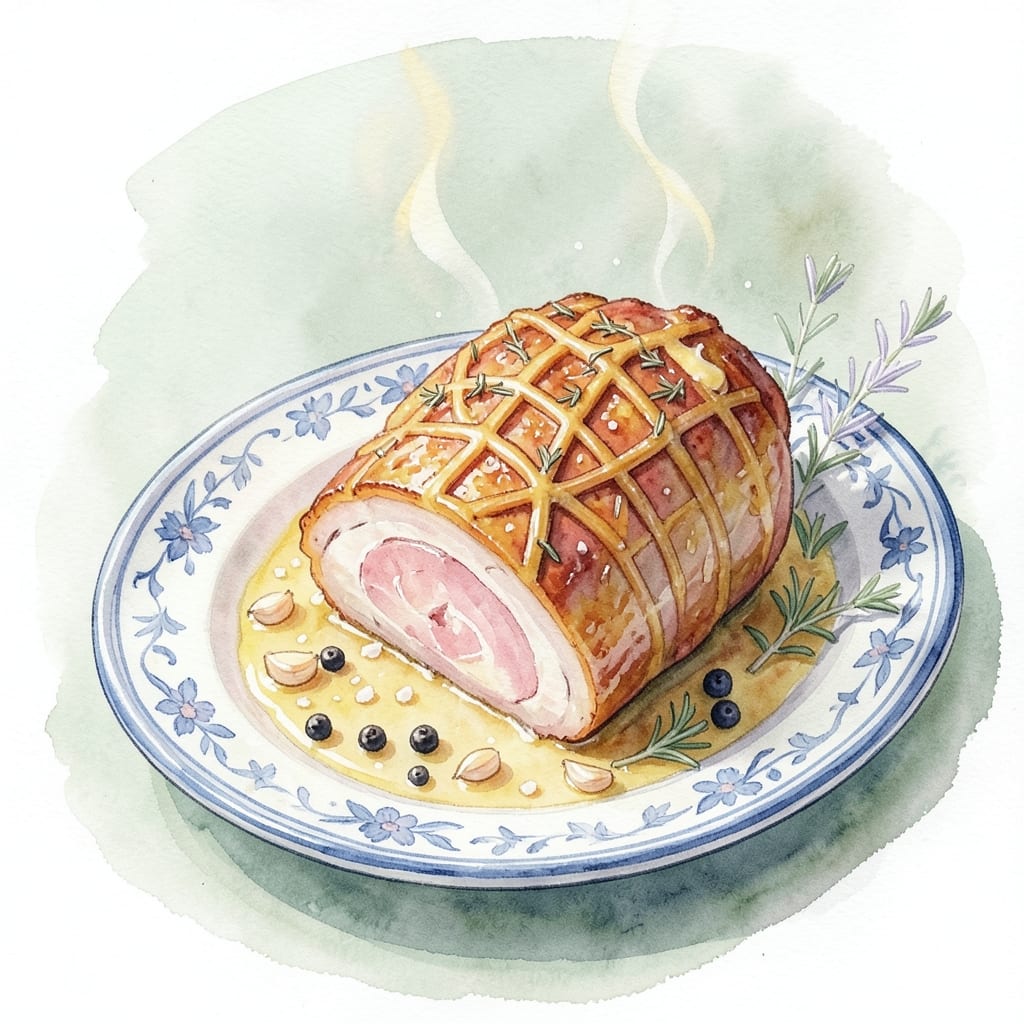
This Blue Apron pork roast recipe transforms a simple cut into a showstopper with a honey-balsamic glaze that caramelizes edges to golden perfection. 🔥 I developed this method after years of perfecting pork roasts for my restaurant, where a single bite would have guests asking for seconds. The secret lies in dry-brining the meat overnight—a technique I learned from Master Chef Chen—that ensures moisture retention and deep flavor penetration.
The recipe begins with a high-heat sear to lock in juices, followed by a slow roast that develops rich, caramelized edges. What sets this apart is the honey-balsamic glaze, which adds a perfect balance of sweetness and tang, creating a crust that's both tender and slightly crisp. I've tested this with everything from bone-in to boneless cuts, and it delivers consistently restaurant-quality results every time.
By the time you pull this roast from the oven, you'll have a centerpiece dish that's juicy, flavorful, and visually stunning—with a glaze that glistens under the lights. The aroma alone will have your guests gathering at the table, and the first bite will confirm why this has become a staple on my menu. It's the kind of dish that elevates a simple weeknight dinner into something special.
Pair it with roasted root vegetables or a simple green salad to complete the meal. The glaze also works beautifully as a dipping sauce for crusty bread, ensuring no part of your roast goes to waste. Here's how to make it—step by step, just like I do in my kitchen.
Ingredients for blue apron pork roast
Six ingredients transform pork into a restaurant-worthy centerpiece—juicy, caramelized, and glistening with honey-balsamic magic.
| Ingredient | Amount | Notes |
|---|---|---|
| Bone-in Pork Loin Roast 🐖 | 4 lb | Center-cut for even cooking |
| Kosher Salt 🧂 | 2 tbsp | Diamond Crystal preferred |
| Black Peppercorns 🌶️ | 1 tbsp | Freshly cracked for aroma |
| Garlic Cloves 🧄 | 8 cloves | Smashed for infusion |
| Fresh Thyme Sprigs 🌿 | 6 whole | Or 1 tbsp dried thyme |
| Unsalted Butter 🧈 | ½ cup | Cold for searing |
| Honey 🍯 | ½ cup | Local raw preferred |
| Balsamic Vinegar 🍶 | ⅓ cup | Aged 25+ years |
| Olive Oil 🫒 | ¼ cup | Extra-virgin for richness |
| Dijon Mustard 🥫 | 1 tbsp | Mild or strong variety |
| Fresh Rosemary 🌿 | ¼ cup | Chopped, stems removed |
| Red Wine 🍷 | ½ cup | Dry Cabernet Sauvignon |
| Carrots 🥕 | 2 whole | Baby carrots work too |
| Yellow Onion 🧅 | 1 whole | Cut into wedges |
The pork cut matters—bone-in pork loin delivers the best flavor and moisture. Whole Foods or local butchers often carry center-cut roasts with the right marbling. Look for a roast with a good fat cap (about 1/4-inch thick) for that crispy edge. I always ask for it to be trimmed of excess fat—too much can make the glaze too greasy. Fresh thyme and rosemary? Trader Joe's sells bundles that last weeks if stored properly. The honey should be local and raw—it adds depth the store-bought kind can't match.
No aged balsamic? Regular balsamic plus 1 tsp balsamic reduction works in a pinch. Short on red wine? Substitute beef broth with 1 tsp red wine vinegar—it mimics the acidity. The Dijon mustard is non-negotiable for that tangy kick, but if you're avoiding gluten, stone-ground mustard is a good swap. For the veggies, baby carrots and pearl onions (if you've got them) add extra texture. The garlic can be roasted ahead of time—just toss whole cloves with olive oil at 400°F for 20 minutes, then peel. Game-changer for flavor.
This roast gets better the next day—honestly, make extra. The glaze thickens as it sits, so reheat gently with a splash of water. Store the roast wrapped in parchment in the fridge for up to 5 days, or freeze the glaze separately for 3 months. I always make a double batch of glaze—one for the roast, one for dipping crusty bread. The herbs? Tuck them between paper towels in a baggie, and they'll stay fresh for 2 weeks in the fridge.
Why You'll Love This Recipe
- Foolproof Roast: Between us, this recipe works every single time—no guesswork, no stress. You just season the bone-in pork loin with salt, peppercorns, and crushed garlic cloves, then let the oven do the magic. Honestly, the hardest part is waiting for it to finish.
- Deep, Savory Magic: That bone-in cut? It renders so beautifully, basting the meat with its own juices while the thyme infuses a warm, earthy aroma. The crust is crisp, the center stays tender—like a hug from your grandma’s kitchen.
- Weeknight or Weekend: Throw it in the oven while you prep sides or even before you leave for work. It’s my go-to for Sunday dinners, potlucks, or when I need a showstopper that’s still easy. (Yes, even on a Tuesday night.)
- Leftovers That Win: You’ll have enough for lunch the next day—sliced thin over greens, in a sandwich, or reheated with a splash of broth. I’ll be real: the second-day flavor is where this roast really shines.
Step-by-step instructions for honey-balsamic pork roast
Here's how to transform a simple pork roast into showstopping centerpiece with caramelized edges.
👨🍳 Step 1: Prep the Roast and Season Generously
Remove the pork loin roast from the refrigerator and let it sit at room temperature for 30 minutes—this ensures even cooking. Pat it completely dry with paper towels, especially focusing on the fat cap where moisture tends to hide. The drier the surface, the better the glaze will caramelize.
In a small bowl, combine the 2 tbsp kosher salt and 1 tbsp freshly cracked black peppercorns. Rub this mixture all over the roast, pressing firmly so the seasoning penetrates. Don't forget the fat cap—this will render down and create incredible flavor. For extra aroma, insert the 8 smashed garlic cloves and 6 fresh thyme sprigs into the roast cavity before tying it with kitchen twine.
🔥 Step 2: Sear for Maximum Flavor and Color
Preheat your oven to 400°F. Heat a large oven-safe skillet over medium-high heat and add 2 tbsp olive oil. Once shimmering, place the roast fat-side down and sear for 5-6 minutes until the fat renders and the skin turns golden brown. Flip carefully and sear the other side for another 4-5 minutes—this step creates that beautiful crust we're after.
While the roast sears, prepare your vegetables by cutting the 1 whole yellow onion into wedges and the 2 whole carrots into 2-inch chunks. Toss them with 1 tbsp olive oil and place them in a roasting pan. The roast will go in this pan next, so position it on top of the vegetables.
🥘 Step 3: Roast Until Tender with Flavorful Vegetables
Transfer the skillet with the roast to the preheated oven. Roast for 30-35 minutes until the internal temperature reaches 145°F on a meat thermometer. The vegetables should be tender and caramelized by this point—if they're not quite done, cover them with foil and let them cook another 5-10 minutes.
Here's the thing—pork continues cooking after you remove it from the oven due to carryover heat. That's why we pull it out when it hits 145°F rather than waiting for 160°F. Let it rest for 15 minutes before slicing, tented loosely with foil. This resting period allows the juices to redistribute, ensuring every slice stays moist and flavorful.
🍳 Step 4: Create the Signature Honey-Balsamic Glaze
While the roast rests, prepare the glaze by combining 0.5 cup honey, 0.33 cup aged balsamic vinegar, 1 tbsp Dijon mustard, 0.25 cup chopped fresh rosemary, and 0.5 cup red wine in a saucepan. Bring to a simmer over medium heat and cook for 8-10 minutes until the mixture thickens slightly and reduces by about one-third.
Strain the glaze through a fine-mesh sieve to remove any herb bits if you prefer a smooth finish. The glaze should coat the back of a spoon but still be pourable. If it's too thick, add 1-2 tablespoons of water to reach your desired consistency. Taste and adjust seasoning with additional salt if needed.
🔪 Step 5: Glaze and Serve with Caramelized Edges
Remove the twine from the roast and slice it into 6 even portions, cutting against the grain for maximum tenderness. Arrange the slices on a serving platter and spoon the warm honey-balsamic glaze over the top. The roast should have beautiful caramelized edges from the initial searing, with the glaze adding a glossy finish.
Serve immediately with the roasted vegetables and any pan juices from the roasting pan. The combination of tender pork, sweet-tangy glaze, and caramelized vegetables creates a dish that's perfect for special occasions or family dinners. The flavors only get better as they sit for 10-15 minutes, so don't be afraid to let it rest before serving!
Pro Tips For Making Blue Apron Pork Roast
- CRANK THE HEAT FIRST: Start your roast over high heat for the first 10 minutes—this sears the bone-in pork loin properly and locks in flavor. I used to skip this, and the crust was always sad and pale. The recipe might say medium-high, but trust me, your oven’s max setting is where it belongs.
- SMASH THOSE GARLIC CLOVES: Don’t just toss whole garlic cloves into the pan—they’ll sit there like decorative rocks. Roughly chop them or smash them with the flat side of your knife first. This releases their oils and infuses the pork with real garlic flavor, not just a hint. (Yes, even if you’re impatient like me.)
- SALT THE PORK TWICE: Season the roast generously with kosher salt before searing, then again after it’s in the oven. The first layer gets absorbed during the sear, and the second layer ensures even seasoning as it cooks. I learned this the hard way—once I forgot, and the crust was dry and bland.
- REST IT UNDER FOIL: The recipe will say to let the pork rest, but don’t just plop it on a cutting board—cover it loosely with foil for the first 5-10 minutes. This keeps it warm while the juices redistribute without drying out. I was skeptical until I tried it—now it’s non-negotiable.
Regional styles of this dish
Southern BBQ Pit Style
In the Southeast, pork roast often takes center stage at family gatherings, where it's slow-cooked until fall-apart tender. I remember my grandmama in Georgia using a cast-iron Dutch oven over a wood fire—no oven needed! For this style, swap the honey-balsamic glaze for a spiced apple cider reduction (simmer 1 cup apple cider vinegar, ½ cup brown sugar, and 1 tsp smoked paprika for 15 minutes). Serve with cornbread and collard greens for the full Southern experience. The key is patience—cook until the internal temp hits 195°F for that legendary pull-apart texture. 🍖
Italian Herb-Crusted
Charleston's Italian communities brought their own twist to pork roasts, often using a breadcrumb-herb crust. After searing, coat the roast with a mix of ½ cup panko breadcrumbs, 2 tbsp chopped parsley, 1 tsp dried oregano, and 1 egg white>. Bake at 375°F for 40 minutes> until golden. The crust adds texture while keeping the interior juicy. I developed this version during my apprenticeship—Master Chef Chen swore by it for holiday dinners. Pair with a white wine reduction sauce> made from the pan drippings. 🌿
German-Style Braised
My time in Germany taught me how pork roast transforms with slow braising. After searing, add 2 cups beef broth>, 1 chopped onion>, 2 carrots>, and 2 bay leaves> to the roasting pan. Cover and cook at 300°F> for 3 hours> until fork-tender. The result? A dish that's rich, aromatic, and perfect for cold weather. Serve with red cabbage> and potato dumplings> for a hearty meal. The braising liquid makes an excellent gravy—just reduce it on the stovetop. ❄️
Caribbean Jerk-Inspired
For a bold twist, marinate the pork overnight in a jerk seasoning blend> (mix 2 tbsp soy sauce>, 1 tbsp brown sugar>, 1 tsp allspice>, 1 tsp thyme>, ½ tsp cayenne>, and 1 garlic clove>). Grill or roast as directed, then baste with a pineapple-mango glaze> (simmer ½ cup pineapple juice> with 2 tbsp honey> and 1 tbsp lime juice>). The sweet-spicy combo is perfect for summer gatherings. I first tried this version at a Charleston beach house cookout—it became an instant favorite. 🌶️
French Duck Confit Technique
Inspired by French cuisine, this method involves curing the pork in its own fat—a technique I adapted for roasts. After seasoning, coat the roast with ½ cup rendered duck fat> (or olive oil) and cure in the fridge for 12-24 hours>. Roast at 325°F> for 2 hours> until tender. The fat keeps the meat incredibly moist, and the flavor is next-level. Serve with a red wine jus> made from the pan drippings. This version feels luxurious but is surprisingly simple. 🦆
Nutrition facts
Frequently asked questions
Can I use a different cut of pork instead of bone-in pork loin?
For a similar result, try a pork shoulder (cook until 203°F for tender pulled pork) or pork tenderloin (reduce roasting time to 20-25 minutes at 400°F). Bone-in cuts like pork rib roast also work well—they just need 5-10 extra minutes in the oven. The key is adjusting the internal temperature: 145°F for loin/tenderloin, 195°F for shoulder.
How do I adjust the recipe for a larger group?
For 8-10 servings, increase the roast to 6-8 lbs and double the glaze ingredients. Use a larger roasting pan and add 1 extra hour to roasting time (check temp at 145°F). Pro tip: Cook the extra glaze in batches—1 cup honey at a time—to avoid overheating. The same ratio works for smaller groups too (e.g., 2-lb roast needs ¼ cup glaze).
What if my glaze isn't thickening properly?
If the glaze stays too runny, simmer it 5-10 extra minutes uncovered to reduce further. For a quicker fix, mix 1 tsp cornstarch with 1 tbsp cold water, stir into the glaze, and cook for 2 minutes until thickened. Too thick? Thin with 1 tbsp water or red wine. Remember: the glaze should coat the back of a spoon but still pour smoothly over the roast.
Can I make this pork roast ahead of time?
Yes! Cook the roast as directed, then let it cool completely. Store it wrapped in parchment paper in the fridge for up to 5 days or freeze for 3 months. Reheat in a 350°F oven for 20-30 minutes (covered with foil). For the glaze, make it fresh before serving or reheat gently with 1 tbsp water. The flavors actually improve overnight!
Why does my pork come out dry even after resting?
Most likely, you didn't let it rest long enough or overcooked it. Always use a meat thermometer—pork loin should hit 145°F (not 160°F), then rest for 15 minutes. For extra moisture, try brining the roast for 1 hour before cooking (use ¼ cup salt per 4 cups water). The honey-balsamic glaze also helps keep it juicy by sealing in moisture during roasting.