
Main Courses
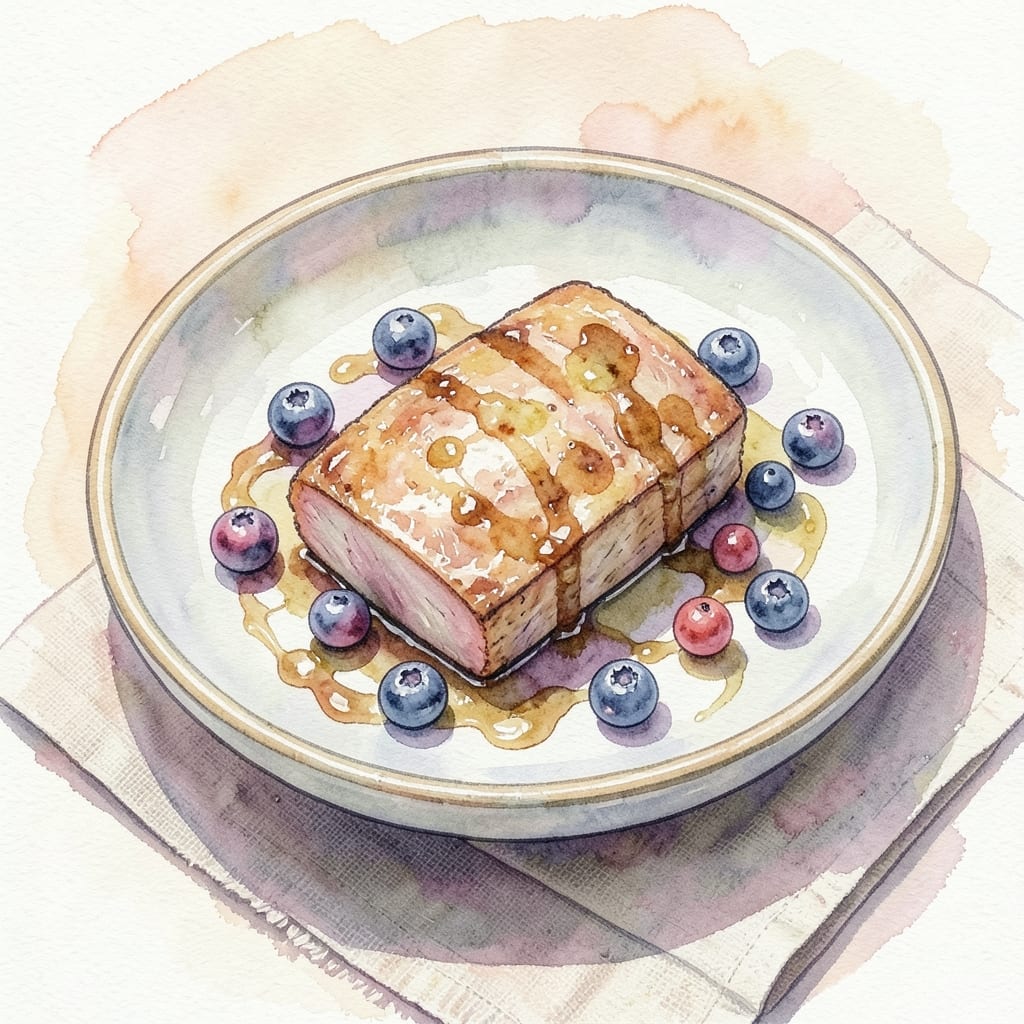
This blueberry pork tenderloin recipe delivers restaurant-quality results with a balsamic-blueberry pan sauce that thickens to velvety perfection. 💛 After years of perfecting this dish in my Atlanta kitchen, I've cracked the code for balancing sweet blueberries and savory pork—no shortcuts, just precise technique. The secret lies in searing the pork to an ideal internal temperature while building a sauce that reduces into a glossy, clinging finish.
The recipe begins with a simple marinade that tenderizes the pork while infusing it with bright blueberry flavor, but the magic happens in the pan. As the pork cooks, blueberries caramelize and burst, releasing their juices to create a sauce that thickens beautifully without gums or separation. This isn't just another sweet-and-sour dish—it's a harmonious balance where the acidity of balsamic vinegar cuts through the richness of the pork, creating layers of flavor that linger.
What you'll achieve is a perfectly tender pork tenderloin with a caramelized crust, served alongside a sauce so rich and velvety it practically melts on your tongue. The blueberries add bursts of juicy sweetness that contrast beautifully with the savory meat, while the balsamic glaze ties everything together. This dish is elegant enough for dinner parties but simple enough for weeknight dinners—proof that restaurant-quality meals belong at your table.
Pair it with roasted sweet potatoes or a crisp green salad to complete the meal. The sauce also makes an excellent dipping sauce for extra pork slices or even grilled chicken. Let's get cooking—this recipe delivers results that will impress even the most discerning guests.
Ingredients for blueberry pork tenderloin
Restaurant-quality pork tenderloin with a velvety blueberry-balsamic sauce—just 13 ingredients for showstopping results.
| Ingredient | Amount | Notes |
|---|---|---|
| Pork Tenderloin 🐖 | 1 ½ lb | Center-cut, trimmed of fat |
| Fresh Blueberries 🫐 | 1 cup | Large, firm berries preferred |
| Balsamic Vinegar 🍷 | ¼ cup | Aged, not the cheap stuff |
| Unsalted Butter 🧈 | ½ cup | Cold, cubed for searing |
| Extra-Virgin Olive Oil 🫒 | 2 tbsp | High-quality, fruity |
| Garlic Cloves 🧄 | 4 cloves | Minced, fresh preferred |
| Dijon Mustard 🍯 | 1 tbsp | For marinade depth |
| Honey 🍯 | 1 tbsp | Wildflower preferred |
| Kosher Salt 🧂 | 1 ½ tsp | Diamond Crystal preferred |
| Ground Black Pepper 🌶️ | ½ tsp | Freshly cracked |
| Fresh Thyme Leaves 🌿 | ¼ cup | Chopped, stems removed |
| All-Purpose Flour 🌾 | 1 tbsp | For sauce thickening |
| Cold Water 💧 | ¼ cup | For sauce slurry |
The pork tenderloin is non-negotiable here—center-cut and trimmed of fat for even cooking. Atlanta butchers or well-stocked grocery stores like Whole Foods carry perfect pieces. Look for tenderloins with good marbling but minimal fat caps. Blueberries should be firm and large—avoid those tiny, mealy ones. I grab mine at Trader Joe's in the frozen section when they're out of season. For the balsamic, aged vinegar from Italy (like Giovanni Rossi) makes all the difference—it's worth the splurge for that deep caramelized flavor. The butter? European-style unsalted (like Plugrá) stays firm longer for that perfect sear.
No fresh thyme? Dried works at one-third the amount, but it won't have that bright, floral note. Short on honey? Maple syrup or agave in a 1:1 swap, though honey's floral notes play better with the blueberries. The Dijon mustard adds depth—skip the powdered kind. For the olive oil, California extra-virgin (like Corto) has the right balance of fruitiness without overpowering. The flour slurry is key for that velvety sauce—don't rush the whisking or you'll get lumps. And if you're feeling fancy, toast the flour in the pan for 30 seconds before adding water to add a nutty note to the sauce.
This dish reheats beautifully—2 minutes in the microwave with a splash of water keeps the sauce glossy. Store leftovers in the fridge for up to 3 days, but honestly, it's best the first day. The sauce thickens as it cools, so re-warm gently over low heat and add a splash of water if it gets too stiff. For make-ahead prep, marinate the pork overnight (it's worth it), but don't cook it ahead—the sauce loses its velvety texture. If you're serving a crowd, double the sauce ingredients and keep it warm in a slow cooker on low.
Why You'll Love This Recipe
- One-Pan Magic: Between us, this recipe is my secret weapon for busy nights. You sear the pork, nestle blueberries and balsamic into the pan, then let the oven work its magic—no flipping, no fussing, just hands-off perfection.
- Sweet-Savory Balance: That first bite? The pork stays juicy while the blueberries caramelize into a sticky, tangy glaze—like a cross between a fancy steakhouse dish and your grandma’s Sunday roast. Honestly, the balsamic and butter make it taste like you slaved for hours.
- Weeknight to Dinner Party: I’ve served this to skeptical in-laws and tired coworkers alike. It’s simple enough for Tuesday but feels special enough for company—just add crusty bread and a green salad, and you’re golden. (Yes, even on a Tuesday night.)
- Leftovers That Don’t Suck: Most pork dishes dry out by day two, but this? The glaze keeps it moist, and the flavor only deepens. I’ve reheated slices in a skillet with a splash of balsamic for breakfast—crispy, sweet, and weirdly satisfying. Budget-friendly, too—pork tenderloin goes a long way.
Step-by-step instructions for blueberry pork tenderloin with balsamic sauce
Here's how to cook this showstopper—juicy pork with a velvety sauce that'll have everyone asking for seconds.
👨🍳 Step 1: Prep and Season the Pork Tenderloin
Pat the 1.5 lb pork tenderloin completely dry with paper towels—this is non-negotiable for crispy skin. Place it on a cutting board and make a few shallow slashes about ¼-inch deep along the fat side using a sharp knife. These little cuts let the marinade penetrate deeper and create more surface area for flavor.
In a small bowl, whisk together 1 tbsp Dijon mustard, 1 tbsp honey, 1.5 tsp kosher salt, and 0.5 tsp ground black pepper. Rub this mixture all over the pork, pressing it into the slashes. Let it sit at room temperature for 20-30 minutes while you prep the rest—this ensures even cooking and maximum flavor infusion.
🔥 Step 2: Sear the Pork to Golden Perfection
Heat 2 tbsp extra-virgin olive oil in a large oven-safe skillet over medium-high heat until shimmering. Add the pork tenderloin and sear for 3-4 minutes per side until it develops a deep golden-brown crust. Here's the thing—don't touch it during the first minute. You'll know it's ready to flip when it releases easily from the pan.
Transfer the seared pork to a plate and tent loosely with foil. Reduce the heat to medium and add 0.5 cup cold cubed butter to the same skillet. Let it melt completely, then add 4 cloves minced garlic and cook for 30 seconds until fragrant. Remove the skillet from heat and set aside temporarily—we'll return to it for the sauce.
🍳 Step 3: Roast the Pork to Juicy Tenderness
Preheat your oven to 400°F. Return the skillet with the melted butter and garlic to the oven, then place the seared pork tenderloin on top of the butter. Roast for 15-18 minutes or until the internal temperature reaches 145°F when measured with a meat thermometer in the thickest part.
Here's where it gets technical: The pork should feel firm to the touch but still yield slightly when pressed. If you cut into it, the juices should run clear—not pink. Remove the pork from the oven and let it rest on a cutting board for 10 minutes before slicing. This resting period is crucial—it lets the juices redistribute so every bite stays moist and flavorful.
🥘 Step 4: Build the Balsamic-Blueberry Sauce
While the pork rests, return the skillet to medium heat and add 1 cup fresh blueberries and 0.25 cup balsamic vinegar. Let the mixture simmer for 4-5 minutes until the blueberries soften slightly and the liquid reduces by about half. Stir in 0.25 cup chopped fresh thyme leaves and cook for another 1 minute to infuse the flavors.
In a small bowl, whisk together 1 tbsp all-purpose flour and 0.25 cup cold water to create a slurry. Slowly pour this into the skillet while stirring constantly. The sauce will thicken dramatically—this is what gives it that velvety perfection. Simmer for 2-3 minutes until the sauce coats the back of a spoon. Taste and adjust seasoning with salt and pepper if needed.
🍽️ Step 5: Slice and Serve with Sauce
Slice the rested pork tenderloin into ½-inch thick medallions against the grain. Spoon the balsamic-blueberry sauce over the top and serve immediately. The contrast of tender pork with the bright, slightly tart sauce is what makes this dish unforgettable.
For extra flair, garnish each serving with a few fresh blueberries and a sprinkle of cracked black pepper. This isn't just a main course—it's a centerpiece that'll impress even the most discerning dinner guests. Pair it with roasted potatoes or a simple green salad to balance the richness.
Pro Tips For Making Blueberry Pork Tenderloin
- Sear First, Baste Later: Hit the pork with a screaming-hot pan—no butter yet—until deep golden brown on all sides. That crust locks in flavor, and skipping this step means your blueberry glaze will just melt into blandness. (Yes, even if you’re impatient like me.) ---
- Macerate Those Berries: Toss the blueberries in 1 tablespoon balsamic vinegar and a pinch of salt 10 minutes before cooking. They’ll soften just enough to burst when they hit the pan, and the acid cuts through the richness of the butter. I learned this the hard way—dry berries just turn to mush. ---
- Don’t Overcrowd the Pan: Cook the pork in batches if your pan’s too small. Overcrowding steams the meat instead of searing it, and you’ll end up with gray, sad slices. A quick test: If you can’t fit a quarter-inch gap between pieces, walk it back. ---
- Deglaze with Butter: After searing, add 2 tablespoons cold butter and let it foam up—this picks up all the browned bits. Then toss in the blueberries and reduce the heat to medium. Rushing this step means you’ll miss out on the nutty, caramelized depth that makes this dish sing. (Your future self will notice.)
Essential equipment for blueberry pork tenderloin
Skillet Essentials
Start with a large oven-safe skillet—I swear by my All-Clad stainless steel 12-inch—it handles the sear and roast perfectly. The oven-safe feature lets you transfer the skillet straight from stovetop to oven without transferring the pork, preserving all those precious fond flavors. A heavy-bottomed pan prevents hot spots that can burn your pork unevenly. 🔥
Precision Tools
Never cook pork without a meat thermometer—I use the ThermoWorks Dot for its instant-read accuracy. You need to hit 145°F internal temp precisely to avoid overcooking. A sharp chef's knife (like my Wüsthof 8-inch) is essential for those ¼-inch deep slashes in the pork—dull blades tear the meat instead of creating clean cuts for marinade penetration.
Butter Matters
Cold cubed butter is your secret weapon for building flavor. I always use European-style unsalted butter (like Plugrá) because it stays firm longer at high heat. A small offset spatula helps distribute the melted butter evenly under the pork while roasting. Pro tip: Use 2 tbsp extra-virgin olive oil for searing—it has a higher smoke point than butter alone.
Sauce Thickening Kit
For that velvety sauce, you'll need a small whisk (I prefer OXO Good Grips) to create a smooth flour slurry. A fine-mesh strainer (like Kitchener) helps remove any blueberry skins if you prefer a smoother sauce. The 1 tbsp flour and ¼ cup cold water combo creates a perfect roux without lumps—just whisk vigorously for 30 seconds before adding to the pan.
Resting Station
Set up a cutting board near your stovetop for the 10-minute rest—this is where the magic happens as juices redistribute. I keep a small bowl of ice water nearby to refresh any herbs (like thyme) if they wilt during cooking. A tongs set (like J. L. Chenier) makes flipping the pork effortless during searing.
Garnish Tools
For plating, grab a microplane to zest fresh lemon (if adding) and a small pair of kitchen shears to snip fresh thyme leaves. I love using tweezers to place individual blueberries as garnish—it gives that restaurant-quality presentation. Keep a small bowl of cracked black pepper nearby for the final sprinkle that adds visual contrast.
Nutrition facts
Frequently asked questions
Can I substitute frozen blueberries in this recipe?
Yes, but with one important adjustment! Use 1 cup thawed frozen blueberries (no need to drain), but add them to the sauce 1 minute later than fresh berries since they won't soften as quickly. For best results, thaw them in the fridge overnight rather than at room temperature to preserve texture.
What if my pork tenderloin is thicker or thinner than 1.5 lbs?
Adjust cooking time by 5 minutes per ½ lb—thicker cuts need more time, thinner ones less. For example, a 2 lb tenderloin would cook about 20-22 minutes after searing. Always use a meat thermometer to check for 145°F internal temp—this is more reliable than guessing by time.
Can I make this recipe in a slow cooker?
Not ideal for the sear, but you can adapt it! Sear the pork first, then transfer to a slow cooker with ½ cup balsamic vinegar, ½ cup water, and 1 tbsp honey. Cook on low for 4-5 hours, then make the sauce separately by simmering blueberries with the reduced vinegar mixture. The texture will be more tender but less crispy.
Why did my sauce turn grainy or separate?
This usually happens from two common mistakes: either adding the flour slurry too quickly (causing lumps) or simmering too vigorously after thickening (breaking the emulsion). For smooth sauce, whisk the slurry vigorously before adding, and reduce heat to low once it thickens. If it separates, whisk in 1 tsp cold butter to re-emulsify.
How can I reheat leftovers without drying out the pork?
Reheat gently in a skillet with 1 tbsp butter and 2 tbsp water over low heat for 3-4 minutes—this keeps the sauce glossy and prevents drying. For extra moisture, cover the pan for the first 2 minutes, then uncover to reduce the sauce slightly. Microwave reheating works too, but add 1 tsp water and cover for 45 seconds on medium power.