
Main Courses
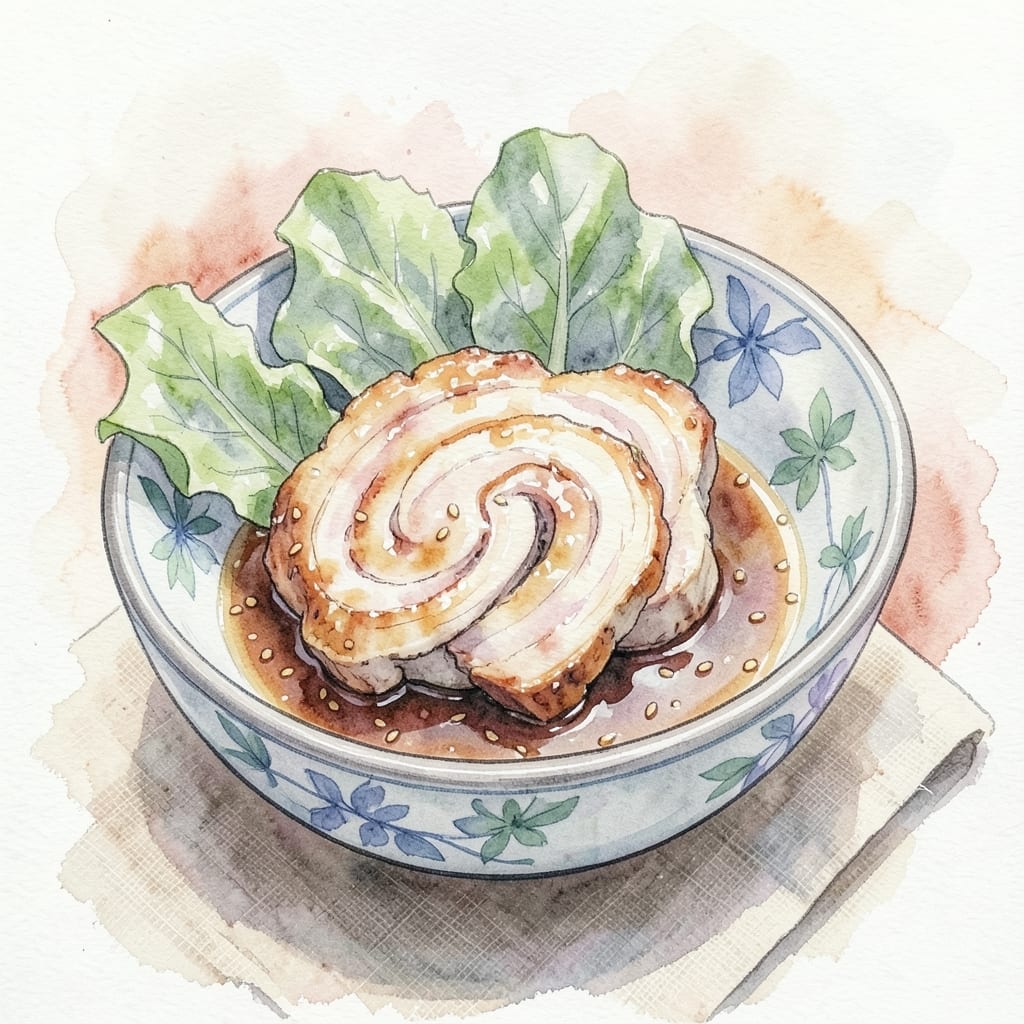
This Bo Ssam Pork recipe transforms simple pork into a restaurant-worthy Korean masterpiece. 🌟 The secret lies in marinating with bulgogi seasoning—sweet, savory, and slightly sticky—before searing to crispy perfection. I first discovered this dish while traveling through Seoul, where street vendors served it wrapped in fresh lettuce with tangy ssamjang sauce. That first bite changed how I approach pork dishes forever.
The process is straightforward but rewarding: thinly sliced pork absorbs the marinade overnight, then cooks quickly on high heat for that signature caramelized crust. The key is working with fresh butter lettuce leaves—crisp enough to hold the filling without wilting. This dish balances textures perfectly: tender pork, crunchy lettuce, and the cooling bite of kimchi or pickled radish.
What makes this recipe special is how it comes together at the table. Guests wrap their own portions, creating an interactive dining experience that's as fun as it is delicious. The ssamjang sauce—fermented and slightly spicy—ties everything together, cutting through the richness while adding depth. It's the kind of dish that feels both elegant and comforting, perfect for dinner parties or a special weeknight meal.
Serve with steamed rice and extra ssamjang on the side for dipping. The leftovers reheat beautifully, making this an ideal recipe for meal prep. Here's how to bring this Korean classic to your table—no experience required, just a willingness to embrace the flavors of Seoul.
Ingredients for bo ssam pork
This Korean classic needs just 15 ingredients for crispy, restaurant-style pork wraps.
| Ingredient | Amount | Notes |
|---|---|---|
| Pork Shoulder 🥩 | 1 ½ lb | Thinly sliced against grain |
| Butter Lettuce Leaves 🥬 | 12 whole | Large, crisp leaves preferred |
| Soy Sauce 🍶 | ½ cup | Korean or Japanese preferred |
| Rice Wine 🍷 | ¼ cup | Mirin or dry sherry works |
| Sesame Oil 🫒 | 1 tbsp | Toasted for aroma |
| Sugar 🍯 | ¼ cup | Brown sugar preferred |
| Garlic Cloves 🧄 | 6 cloves | Minced for marinade |
| Fresh Ginger 🌿 | 1 tbsp | Grated, peeled |
| Vegetable Oil 🫒 | 2 tbsp | High smoke point |
| Sesame Seeds 🌰 | 1 tbsp | Toasted for garnish |
| Ssamjang Sauce 🍶 | ½ cup | Store-bought or homemade |
| Kimchi 🥬 | ½ cup | Chopped for serving |
| Sesame Oil 🫒 | ½ tbsp | For finishing |
| Salt 🧂 | ½ tsp | Kosher preferred |
| Black Pepper 🌶️ | ¼ tsp | Freshly ground |
The pork shoulder is non-negotiable—it stays tender when sliced thin. Grab a pre-cut pork shoulder from your butcher or Korean market if available. For the lettuce, butter lettuce is ideal, but romaine works too. Look for leaves that are crisp and slightly plump, not wilted. If you're making ssamjang from scratch, gochugaru (Korean red pepper flakes) is your secret weapon—find it in the Asian aisle or online. The garlic and ginger should be freshly grated or minced—pre-minced jarred versions won't cut it here.
No rice wine? Dry sherry or mirin works in a pinch, but the flavor will be slightly different. The sesame oil is essential for that nutty aroma—don't skip it. If you can't find Korean ssamjang, mix gochujang with a bit of soy sauce and sesame oil. For the kimchi, store-bought is fine, but homemade adds that extra tang. The sugar can be swapped for honey if you prefer, but brown sugar caramelizes better in the marinade. If you're short on time, pre-sliced pork from the deli section works too, though it won't be as tender.
Marinate the pork for at least 4 hours, but overnight is best. Store the lettuce in a sealed container with a paper towel to keep it crisp for up to 3 days. The ssamjang sauce keeps for 2 weeks in the fridge, so make extra. Leftover pork reheats well—just warm it in a pan with a splash of water. For meal prep, store the wrapped portions (without sauce) separately and assemble fresh to keep the lettuce crunchy.
Why You'll Love This Recipe
- No-Chop Required: I swear, the pork shoulder gets sliced thin after cooking—no knife skills needed. Just marinate, grill, and wrap in those delicate butter lettuce leaves like a lazy (but delicious) taco.
- Umami Bomb: That soy sauce and rice wine marinade? It turns tough pork into something tender and ridiculously flavorful. The sesame oil finish ties it all together with a nutty punch—no fancy spices, just pure taste.
- Lunchbox Hero: Between us, this is my go-to for packed lunches. The lettuce keeps it fresh, and the pork stays juicy for days. Honestly, I’ve had it cold the next day and it’s still spot-on—no sad, dry meat here.
- Budget Win: Pork shoulder is cheap, and a single batch feeds four. Leftovers? Even better—reheat slices in a pan with a splash of soy sauce and rice wine, wrap in fresh lettuce, and boom: instant meal again. Minimal waste, maximum flavor.
Step-by-step instructions for bo ssam pork
Here's how to make this crispy, marinated pork that stays juicy when wrapped.
🍳 Step 1: Marinate the Pork for Maximum Flavor
In a large bowl, combine the 1.5 lb pork shoulder, 0.5 cup soy sauce, 0.25 cup rice wine, 0.25 cup sugar, 6 minced garlic cloves, and 1 tbsp grated ginger. Mix well until the pork is fully coated in the marinade. Here's the thing—this marinade does double duty as both a flavor enhancer and a tenderizer, so don't skip it.
Cover the bowl and refrigerate for at least 4 hours (overnight is even better). This long marinating time ensures the pork becomes fork-tender and develops deep umami flavors. When ready to cook, remove the pork from the fridge and let it sit at room temperature for 30 minutes before slicing—this prevents uneven cooking.
🔥 Step 2: Sear the Pork for Perfect Texture
Heat 2 tbsp vegetable oil in a large skillet over medium-high heat until shimmering. Working in batches if needed, add the marinated pork shoulder and cook for 4-5 minutes per side until deep golden brown and slightly crispy on the edges. You want that caramelized crust—it's what makes bo ssam irresistible.
Once browned, remove the pork from the skillet and set aside. Don't drain the pan yet—those flavorful browned bits are about to become part of your sauce. Here's where it gets fun: add 1 tbsp sesame oil to the pan and stir for 30 seconds to infuse the oil with all those delicious caramelized flavors.
👨🍳 Step 3: Prepare the Tangy Dipping Sauce
In a small bowl, whisk together 0.5 cup ssamjang sauce, 0.5 cup chopped kimchi, 0.5 tbsp sesame oil, 0.5 tsp salt, and 0.25 tsp black pepper. Taste and adjust seasoning if needed—this sauce should be tangy, slightly sweet, and packed with umami. Real talk: the kimchi adds that perfect fermented kick that balances the richness of the pork.
Set this sauce aside while you finish the pork. I like to let it sit for 5 minutes before serving so the flavors meld together. The sauce should be thick enough to cling to the lettuce wraps but still spreadable—if it's too thick, add a splash of water or rice wine to loosen it.
🥘 Step 4: Slice and Assemble the Wraps
Using a sharp knife, slice the seared pork shoulder thinly against the grain into ¼-inch thick pieces. The grain direction is crucial here—you'll see the muscle fibers running through the meat. Cutting against the grain ensures each bite is tender and easy to chew.
Lay out the 12 butter lettuce leaves on a clean surface. Each leaf should be large enough to wrap around 2-3 slices of pork with some room to spare. Place 1-2 slices of pork on each leaf, then drizzle with 1 tsp of the sesame oil you set aside earlier. This is the secret to keeping the lettuce crispy while adding extra flavor.
🍽️ Step 5: Serve with Crispy Garnishes
To assemble the wraps, place 1 tbsp of the tangy dipping sauce on each lettuce leaf, then add the pork slices. Fold the sides of the lettuce inward, then roll it up tightly like a burrito. The crispness of the lettuce is key here—make sure you're using fresh, sturdy leaves that won't turn soggy.
Garnish each wrap with a sprinkle of toasted sesame seeds right before serving. This adds a nutty crunch that contrasts beautifully with the tender pork and crisp lettuce. Serve immediately with any remaining dipping sauce on the side—this dish is best enjoyed fresh when everything is at its peak texture.
Pro Tips For Making Bo Ssam Pork
- Sear the Pork Twice: Hit the pork shoulder with a screaming-hot pan first—no oil needed, just the meat’s own fat—to render that first crust. Then finish with a splash of rice wine and soy sauce, letting it reduce into a glossy coat. I used to skip this step and wondered why my pork tasted flat instead of rich. ---
- Prep Lettuce Like a Pro: Butter lettuce wilts faster than you think. Rinse it, pat it bone-dry with paper towels, then separate the leaves while still damp. If they’re limp by the time you serve, nobody’s wrapping anything. (And yes, even if you’re impatient like me.) ---
- Don’t Overmix the Marinade: Stir the soy sauce, rice wine, and sesame oil together just until combined—about 10 seconds. Overworking it turns the sauce thin and watery, which dilutes the pork’s flavor. My grandmother swore by this, and she was right: less is more. ---
- Rest the Pork Under Foil: After cooking, tent the pork with foil and let it sit for 5-10 minutes. This traps heat and keeps the meat juicy while you prep the lettuce. I learned this the hard way—skipping it gave me dry, stringy pork every time. (Your future self will thank you.)
Troubleshooting great bo ssam pork
Pork Won't Stay Tender
If your pork turns out tough instead of tender, you likely didn't marinate it long enough or sliced against the grain incorrectly. I've seen this happen when people rush the 4-hour minimum marinating time—trust me, patience pays off here. For extra tenderness, try slicing the pork thinly against the grain (about ¼-inch thick) after cooking, not before. Also, check your meat quality: pork shoulder should be well-marbled for juiciness. 💡
Lettuce Turns Soggy
The #1 reason lettuce loses its crispness is overcrowding or wet ingredients. Always use fresh butter lettuce and store it properly—wrap in a dry paper towel before refrigerating. When assembling, avoid adding too much sauce or pork to each leaf. I like to keep wraps simple: 1-2 pork slices per leaf with just enough sauce to moisten. For extra crispness, add a drizzle of sesame oil right before serving. ❄️
Sauce Too Thin or Thick
Adjusting your ssamjang consistency is easy—just add a splash of rice wine or water to thin, or more chopped kimchi to thicken. I've found that store-bought ssamjang varies wildly in thickness, so always taste and adjust. For a perfect balance, aim for a sauce that's thick enough to cling but still spreadable. Pro tip: Let the sauce sit for 5 minutes before serving so flavors meld. 🍶
Pork Sticks to Pan
If your pork isn't releasing easily from the pan, your heat isn't high enough or the marinade needs more time. Always use medium-high heat and make sure your skillet is properly seasoned. I recommend a well-seasoned cast iron skillet for best results. For extra insurance, pat the pork dry before cooking—excess moisture causes sticking. If it happens anyway, don't panic: just add 1 tsp sesame oil to the pan and let it heat up before scraping gently with a spatula. 🔥
Uneven Cooking
Unevenly cooked pork usually means your pieces weren't evenly sized or the pan wasn't hot enough. Before cooking, trim any large fat deposits from the pork and cut it into uniform ¼-inch slices. For even browning, work in single-layer batches and avoid overcrowding the pan. If you notice some pieces cooking faster, remove them and finish them separately. Remember: medium-high heat is key—too low and you'll get steamed pork instead of seared. 🌡️
Sauce Too Spicy
Adjusting the heat level is simple: reduce the amount of gochugaru (Korean red pepper flakes) if making homemade ssamjang, or mix in more chopped kimchi to balance the spice. For store-bought sauce, try adding a teaspoon of sugar or a splash of rice wine to mellow the heat. I keep extra ssamjang on hand with adjusted spice levels—always make a double batch so you can tweak it to your preference. 🌶️
Nutrition facts
Frequently asked questions about bo ssam pork
Can I use chicken or beef instead of pork for bo ssam?
This technique works beautifully with chicken breast (slice thinly) or ribeye steak (cut against the grain). For chicken, reduce marinating time to 2-3 hours since it's more delicate. Beef needs 1-2 hours in the marinade. The same crispy searing method applies—just adjust cooking times based on thickness.
What's the best way to store leftover bo ssam pork?
Store cooked pork in an airtight container with a paper towel to absorb moisture. It keeps for 3-4 days in the fridge or 3 months frozen. Reheat gently in a pan with 1 tsp sesame oil over low heat—never microwave, or it'll dry out. For leftovers, serve with fresh lettuce wraps and extra ssamjang sauce.
Can I make this gluten-free?
Yes, but you'll need substitutions. Replace soy sauce with tamari or coconut aminos, and use gluten-free rice wine. For ssamjang, make a version with gochujang (check for gluten-free labels), sesame oil, and a pinch of salt. The texture will be slightly different but still delicious. Always verify all ingredients for hidden gluten.
How do I make ssamjang from scratch?
Combine ½ cup gochujang, 2 tbsp soy sauce, 1 tbsp sesame oil, 1 tbsp rice vinegar, 1 tsp sugar, and ½ tsp grated ginger. Mix well and let sit for 10 minutes to develop flavors. Adjust spice level by adding more gochujang or a splash of water. This homemade version has deeper flavor than store-bought!
What other vegetables can I use besides lettuce?
Try perilla leaves (kkona) for authentic flavor, or shredded cabbage for a heartier wrap. For a Western twist, use romaine hearts or butter lettuce wraps. Avoid wilted greens—look for sturdy leaves that hold shape. The key is choosing vegetables that stay crisp when wrapped.