
Sauces & Condiments
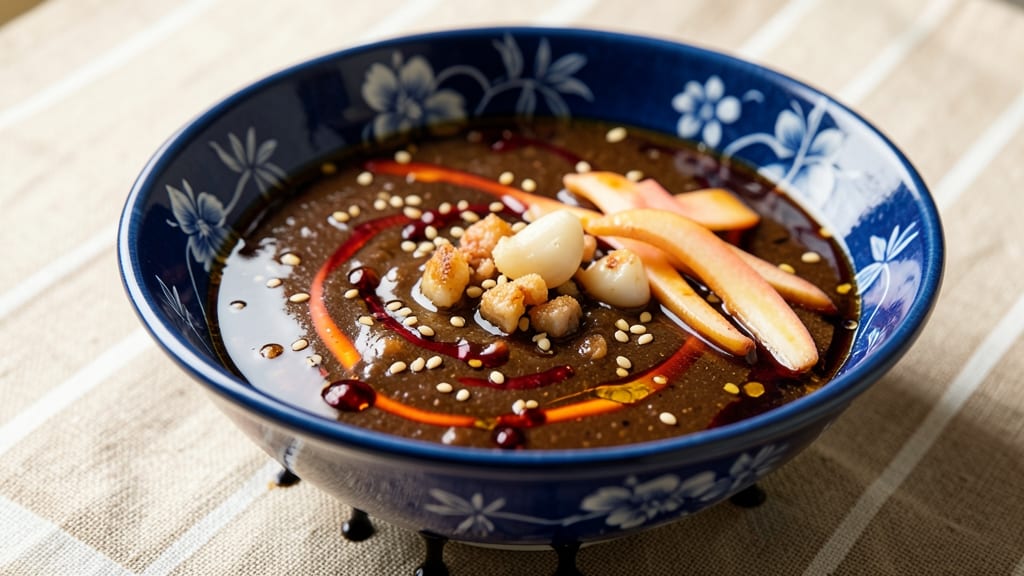
This Chinese pork dumpling dipping sauce recipe transforms simple bites into an unforgettable experience with its bold fermented black vinegar and chili oil kick. 🔥 The balance of tangy, spicy, and umami flavors creates that signature restaurant-quality sauce that makes every dumpling taste like a gourmet masterpiece.
I developed this recipe after years of perfecting the art of dumpling sauces for my restaurant's lunch rush—it's the one sauce that gets requested most often.
The foundation of this sauce lies in fermented black vinegar, which adds depth and complexity that store-bought versions simply can't match. Combined with garlic, ginger, and chili oil, it creates a sauce that's both vibrant and versatile—perfect for pork dumplings but equally at home with shrimp or vegetable varieties.
The secret to achieving that perfect balance is in the precise measurements and proper emulsification technique, which I've perfected through countless batches.
What makes this sauce truly special is how it elevates even the simplest dumplings to restaurant-quality status. The fermented vinegar provides that signature tangy kick, while the chili oil adds just the right amount of heat to complement the richness of pork.
It's a sauce that builds flavor with each bite, making every dumpling experience more satisfying. The best part? It keeps beautifully in the refrigerator for up to two weeks, so you can make a big batch and enjoy it all week long.
Whether you're serving up a family dinner or hosting a dumpling night with friends, this sauce will be the star of the show. The ingredients are simple but powerful, and the technique is straightforward once you understand the key steps.
Let's get started on creating this versatile, flavor-packed sauce that will become your new go-to for any dumpling occasion.
Ingredients for chinese pork dumpling dipping sauce
Eight bold ingredients that transform simple dumplings into a gourmet masterpiece with tangy, spicy, umami magic.
| Ingredient | Amount | Notes |
|---|---|---|
| Fermented Black Vinegar 🍶 | ½ cup | Chinese black vinegar preferred |
| Chili Oil 🌶️ | ⅓ cup | High-quality, spicy variety |
| Garlic Cloves 🧄 | 6 cloves | Fresh, minced finely |
| Fresh Ginger 🌿 | 1 tbsp | Grated, finely minced |
| Soy Sauce 🍶 | ¼ cup | Light or dark preferred |
| Sesame Oil 🫒 | 1 tbsp | Toasted, for aroma |
| Sugar 🍬 | 1 tbsp | White or brown preferred |
| Rice Vinegar 🍶 | 1 tbsp | White rice vinegar |
| Salt 🧂 | ½ tsp | Adjust to taste |
| Water 💧 | ¼ cup | Room temperature |
Fermented black vinegar is the soul of this sauce—Asian markets carry the best, but Amazon or specialty grocery stores work too. Look for bottles labeled 'Chinese black vinegar' or 'fermented vinegar'—it's thicker, darker, and packs a deeper flavor than regular vinegar. Penzeys Spices often carries it, and it's worth the splurge for that authentic restaurant taste. The chili oil? Sichuan chili oil is ideal, but any high-quality chili oil with visible red flakes will do. Fresh garlic and ginger are non-negotiable here—they carry the umami punch that makes this sauce unforgettable.
No fermented black vinegar? Balsamic vinegar plus a dash of soy sauce gets you close, though it won't have that same depth. Substituting chili oil? Sriracha mixed with neutral oil works in a pinch, but the texture won't be as silky. The sugar balances the tang—honey or maple syrup works too, though it'll add a different floral note. Rice vinegar is optional but adds brightness; apple cider vinegar is a decent swap if you're out. For emulsification, blend everything until smooth—immersion blender works best, but a regular blender in short bursts prevents overheating.
This sauce keeps beautifully—2 weeks in the fridge sealed in a jar, or 3 months in the freezer if you portion it into ice cube trays first. The flavors actually improve over time, so make a big batch! If it thickens, just whisk in a splash of water. For extra heat, add more chili oil; for more tang, a splash of black vinegar. The perfect dipping sauce deserves to be made ahead—trust me, your dumplings will thank you.
Why You'll Love This Recipe
- Pantry Magic: I swear by this sauce because it uses stuff I always have—no special shopping needed. Fermented black vinegar and soy sauce alone cut the prep time to almost nothing, and the chili oil adds that je ne sais quoi without extra effort.
- Umami Bomb: That first tangy bite? Pure flavor payoff. The garlic and ginger sizzle just long enough to wake up the soy and vinegar, then the chili oil ties it all together with heat that lingers—like a hug for your taste buds.
- Party Ready: Serve it with dumplings, spring rolls, or even fries—it’s my go-to for game day or when friends drop by. Between us, it’s the secret weapon that makes any casual bite feel special, and no one ever guesses how simple it is.
- No-Waste Winner: A little goes a long way, so I make a big batch and keep it in the fridge. The flavors actually deepen over time, and it’s cheaper than store-bought sauces. Plus, if I forget to use it all, the leftovers still taste fresh—no sad, dried-out dipping sauce here.
Step-by-step instructions for Chinese pork dumpling dipping sauce
This tangy, spicy, umami-packed sauce comes together in minutes—perfect for enhancing your dumplings.
🍳 Step 1: Bloom the Aromatics in Chili Oil
Heat the 0.33 cup chili oil in a small saucepan over low heat until it's just warm to the touch—about 2-3 minutes. Add the 6 finely minced garlic cloves and 1 tablespoon finely grated fresh ginger, stirring constantly for 30-45 seconds until fragrant but not browned. You want the garlic to perfume the oil without burning, which would make the sauce bitter.
Here's the thing—chili oil has a low smoke point, so keep the heat gentle. If you see any bubbles forming, immediately reduce to the lowest setting. The goal is to infuse the oil with garlic and ginger aroma, not cook them into oblivion. Remove from heat and let the mixture cool for 2 minutes—this prevents the sauce from curdling when you add the vinegar later.
🥘 Step 2: Combine Wet Ingredients for Balance
In a separate bowl, whisk together the 0.5 cup fermented black vinegar, 0.25 cup soy sauce, 1 tablespoon rice vinegar, 1 tablespoon sugar, 0.5 teaspoon salt, and 0.25 cup room-temperature water until the sugar and salt dissolve completely. The vinegar should be smooth with no graininess—this ensures a silky texture in your final sauce.
Taste the mixture now. You're aiming for a balance of sweet, salty, and tangy—this is your flavor foundation. If it tastes too sharp, add a pinch more sugar. If it's too mild, add a splash more rice vinegar. Remember, the chili oil will add heat, so don't over-salt at this stage. The fermented black vinegar is already packed with umami, so you won't need much soy sauce to achieve depth.
🍳 Step 3: Merge and Infuse the Sauce
Slowly pour the warm chili oil-garlic-ginger mixture into the vinegar base while whisking continuously. The heat from the oil will cause the sauce to bubble slightly—this is normal. Keep whisking for 1-2 minutes until the sauce thickens just slightly and becomes glossy. The 1 tablespoon sesame oil should be added last, right before serving, to preserve its delicate nutty aroma.
Here's where it gets fun—taste and adjust. If the sauce needs more complexity, add a splash more soy sauce. Need more tang? A little extra rice vinegar. Want it sweeter? A pinch of sugar. The beauty of this sauce is its flexibility—it should complement your dumplings, not overpower them. Let the sauce sit at room temperature for 10 minutes before serving to allow all the flavors to meld completely.
Pro Tips For Making Chinese Pork Dumpling Dipping Sauce
- Mince That Ginger: Use a microplane or the finest grater—no chopping, no chunks. I learned this the hard way when I ended up with visible ginger bits that looked like someone dropped a handful of confetti in the sauce. The texture should be so fine it practically dissolves when you stir.
- Warm the Vinegar: Heat the fermented black vinegar gently before mixing it in—just until it’s steaming but not boiling. Cold vinegar shocks the flavors and makes the sauce taste harsh. My grandmother swore by this, and she was right: the aroma hits you first, and the balance with chili oil becomes smoother.
- Toast the Garlic: Smash the garlic cloves flat with the side of your knife, then fry them in a dry pan for 30 seconds until fragrant but not brown. This stops them from turning bitter and adds a nutty depth that raw garlic can’t match. Skip this, and your sauce will taste sharp instead of rich.
- Balance the Chili Oil: Start with half the chili oil called for, taste, then add more if needed. Store-bought chili oil varies wildly in heat, and I’ve ruined a batch by assuming it was mild. If it’s too spicy, a splash of soy sauce or a pinch of sugar (yes, really) can bring it back to harmony.
Creative variations of this dish
Spicy Sichuan Twist
For a fiery kick, swap the chili oil for Sichuan chili crisp—it adds both heat and texture. Use 2 tbsp instead of the chili oil and add 1 tsp doubanjiang (fermented chili bean paste) to the vinegar base.
The crisp will give your sauce tiny crunchy bits that burst with flavor. I first tried this at a Sichuan hotpot restaurant in Chengdu and fell in love with how it elevated every bite. 🌶️
Sweet & Tangy Plum Sauce
Transform this into a plum-infused sauce by blending ¼ cup plum sauce (like Mae Ploy brand) with the vinegar mixture. Reduce the sugar to ½ tbsp and add 1 tsp honey for balance.
This version pairs beautifully with shrimp dumplings or vegetable spring rolls. The plum adds a fruity sweetness that cuts through the richness of pork dumplings.
Creamy Sesame-Ginger Dip
For a lighter, creamy option, blend 2 tbsp tahini and 1 tbsp sesame paste into the sauce after combining all ingredients. Thin with 1 tbsp water if needed. This version works perfectly with steamed gow gee or potstickers.
The tahini adds a rich, nutty depth while keeping the sauce silky. I developed this variation after a request from my restaurant's vegan customers—it became a hit with everyone!
Umami Mushroom Boost
Add 2 tbsp finely chopped dried shiitake mushrooms (soaked in warm water for 10 minutes) to the garlic-ginger chili oil step. The mushrooms deepen the umami profile, making this sauce ideal for beef or mushroom dumplings.
For extra richness, add 1 tsp mushroom powder to the vinegar base. This earthy twist reminds me of the sauces I tasted during my apprenticeship in Charleston's Asian markets.
Herb-Infused Green Sauce
Create a vibrant green version by blending 2 tbsp cilantro and 1 tbsp Thai basil into the finished sauce. Add ½ tsp lime zest for brightness. This works beautifully with shrimp or vegetable dumplings.
The herbs add freshness that balances the heat, and the lime zest prevents the sauce from tasting flat. It's like a refreshing springtime update to the classic recipe. ✨
Nutrition facts
Frequently asked questions
Can I make this dipping sauce without fermented black vinegar?
Yes, you can substitute with balsamic vinegar plus 1 teaspoon soy sauce for depth, though the flavor won't be identical. For best results, use rice vinegar plus 1 teaspoon molasses to mimic the caramelized notes of fermented vinegar. The sauce will still be delicious but with a slightly different tang profile.
How do I adjust the heat level for sensitive eaters?
Reduce the chili oil to 1 tablespoon (instead of ⅓ cup) and replace the rest with neutral oil. For extra mildness, strain the sauce through a fine-mesh sieve to remove chili flakes. The garlic and ginger will still provide great flavor without the heat. Alternatively, use mild chili paste instead of chili oil.
Can I use this sauce for other dumpling types besides pork?
This sauce works beautifully with shrimp dumplings, vegetable potstickers, and even beef or chicken varieties. For seafood dumplings, consider adding a touch more rice vinegar to balance the richness. The fermented vinegar and chili oil complement all types of fillings while keeping the sauce versatile.
Why did my sauce separate after refrigeration?
This happens when the oil and vinegar mixture isn't properly emulsified. To fix it, whisk vigorously or blend briefly until smooth. For prevention, ensure all ingredients are at room temperature before combining, and whisk continuously while adding the chili oil to the vinegar base. If it happens again, add 1 teaspoon cornstarch mixed with water to stabilize.
How long can I store this sauce, and can I freeze it?
The sauce keeps for 2 weeks in the refrigerator in an airtight container. For freezing, portion into ice cube trays, freeze, then transfer to a bag. Thaw overnight in the fridge—never at room temperature. The flavors actually improve with time, so making a big batch is ideal for meal prep!