
Main Courses
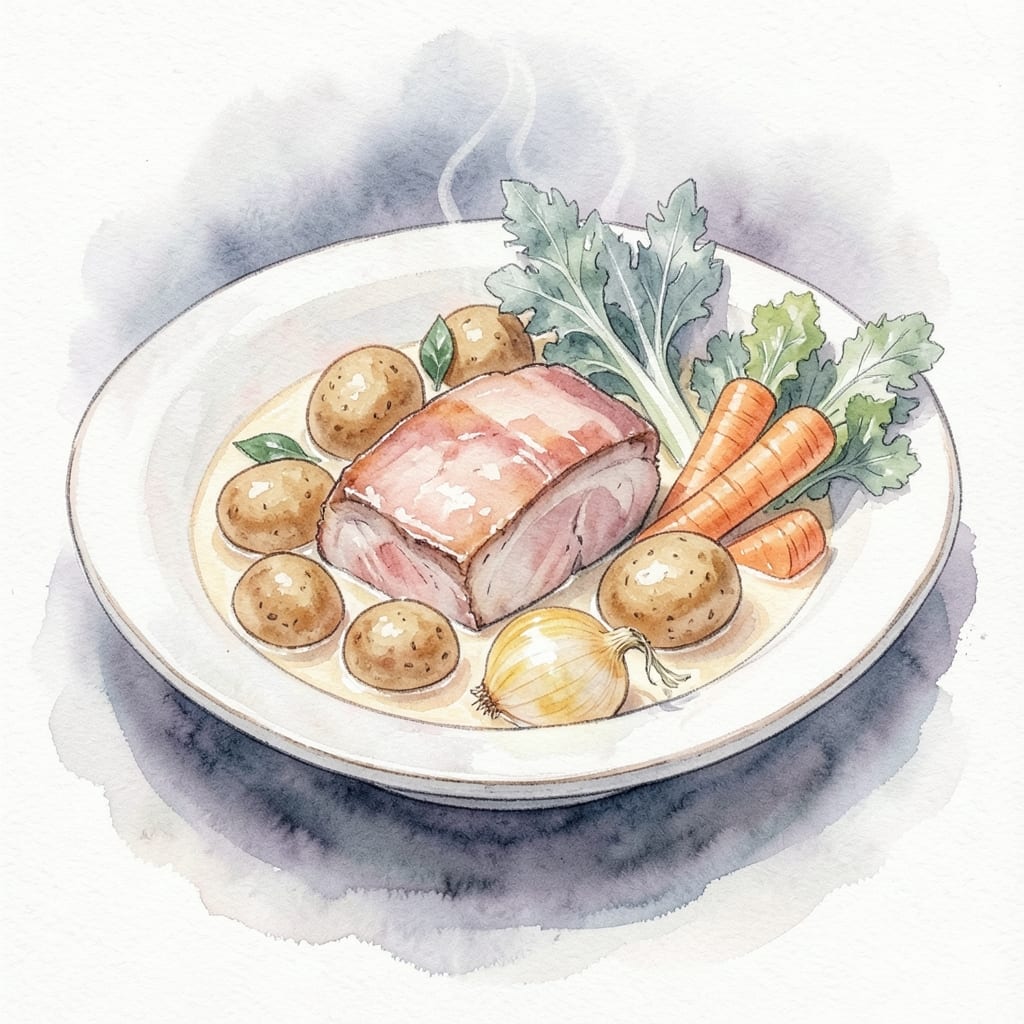
This boiled dinner recipe transforms tough pork shoulder into melt-in-your-mouth perfection through slow, gentle cooking. The secret lies in collagen-rich tenderness achieved by hours of simmering—just like my grandmother used to make back in Georgia. This isn't your quick weeknight meal; it's a labor of love that rewards patience with rich, juicy meat that practically falls apart at the touch of a fork.
What makes this recipe special is the balance between simplicity and technique. You'll need just a few core ingredients—pork shoulder, potatoes, carrots, and cabbage—but the magic happens in the method: a long, slow boil that breaks down connective tissue while keeping the meat moist. The vegetables absorb the pork's natural flavors, creating a cohesive, hearty meal that feels like a hug in a bowl. This is the kind of dish that tastes even better the next day, making it perfect for meal prep or holiday gatherings.
By the time you're done, you'll have tender pork shoulder that's rich with flavor and texture, paired with perfectly cooked vegetables that complement rather than compete. The broth reduces into a flavorful base for gravy, adding another layer of depth to the meal. This is comfort food at its finest—warm, satisfying, and deeply rooted in tradition.
Whether you're recreating a Southern family tradition or discovering this classic for the first time, this boiled dinner delivers restaurant-quality results with a fraction of the effort. The key is patience and attention to detail, two things that always pay off in the kitchen. Let's get started on creating a meal that'll have everyone asking for seconds.
Ingredients for boiled dinner recipe pork shoulder
Pork shoulder and humble vegetables transform into restaurant-quality comfort food with just these ingredients.
| Ingredient | Amount | Notes |
|---|---|---|
| Pork Shoulder 🥩 | 4 lb | Bone-in for maximum flavor |
| Russet Potatoes 🥔 | 3 lb | Firm, unpeeled for texture |
| Carrots 🥕 | 2 lb | Whole, unpeeled for color |
| Green Cabbage 🥬 | 1 whole | Heads cut into wedges |
| Yellow Onion 🧅 | 2 whole | Quartered, skin on |
| Fresh Bay Leaves 🌿 | 4 whole | Dried works at half amount |
| Garlic Cloves 🧄 | 6 cloves | Smashed lightly for aroma |
| Salt 🧂 | 2 tbsp | Kosher or sea salt |
| Black Peppercorns 🌶️ | 1 tbsp | Crushed, not ground |
| Cold Water 💧 | 12 cups | Enough to cover meat |
| Apple Cider Vinegar 🍏 | ¼ cup | Brightens flavors |
| Fresh Parsley 🌿 | ¼ cup | Chopped for garnish |
| Flour 🌾 | ½ cup | For gravy thickening |
The pork shoulder is everything here—look for a cut with good marbling at Costco or your local butcher. Bone-in is key for flavor, but if you can't find it, bone-out works too. Potatoes should be firm and unpeeled—Russets hold up best to long cooking. Carrots and cabbage don't need fancy varieties, but avoid anything wilted or rubbery. I always grab the biggest cabbage I can find—it's worth the extra space in the pot. For the bay leaves, fresh is ideal but dried works at half the amount if that's what you've got.
No apple cider vinegar? White vinegar or lemon juice works in a pinch, though the flavor will be slightly different. The vinegar cuts through the richness of the pork beautifully. If you're short on time, pre-cut frozen vegetables are fine—they'll still absorb all the pork's flavor. For the gravy, all-purpose flour is perfect, but cornstarch gives you a glossier finish if you're feeling fancy. The garlic can be roasted ahead of time for a deeper flavor—just toss whole cloves with olive oil and roast at 400°F for 20 minutes before smashing them.
This meal gets better the next day—honestly, that's when it's at its peak. Store in an airtight container in the fridge for up to 5 days. The broth reduces into a rich base for gravy, so save at least 2 cups before serving. For leftovers, reheat gently on the stove with a splash of water or broth. The pork practically falls apart when reheated, which is exactly how you want it. Portion into containers for easy lunches—just add a side of crusty bread and you've got a complete meal.
Why You'll Love This Recipe
- One-Pot Magic: I swear by this for lazy nights—just toss everything in a big pot, add water, and let it simmer. No chopping like a fine-diner, no fancy techniques. The potatoes and carrots soften while the cabbage wilts into tender, salty perfection without a single pan to scrub.
- Pork So Tender: That pork shoulder? It falls apart when you poke it—juicy, rich, and packed with flavor from the onions and cabbage cooking right in the broth. Honestly, I’ve had guests ask if it’s slow-cooked, but it’s just this simple boil. The secret’s in the salt and time.
- Leftovers for Days: This recipe practically begs to be made in bulk. The flavors get even better the next day, and I’ll be real—my family fights over the fridge container. Pack it for lunches, reheat for dinner, or freeze portions. It’s the ultimate lazy-day lifesaver.
- Budget-Friendly Feast: Pork shoulder is cheap, potatoes and cabbage stretch forever, and you’re not wasting anything. Between us, this is how I feed my crew for under $15. Plus, it’s hearty enough to fill growling stomachs without breaking the bank. Comfort food that doesn’t guilt me.
Step-by-step instructions for slow-cooked pork shoulder dinner
Here's how to transform a tough pork shoulder into melt-in-your-mouth tenderness with rich, flavorful broth.
Prepare the Pork Shoulder and Vegetables
Begin by trimming any excess fat from the 4 lb pork shoulder, leaving about ¼ inch for flavor. Pat it completely dry with paper towels—this ensures a better sear and prevents the meat from steaming instead of browning. Place the pork in a large stockpot or Dutch oven.
Cut the 3 lb russet potatoes into 2-inch chunks, leaving the skins on for texture. Peel and cut the 2 lb carrots into 3-inch lengths. Cut the 1 whole green cabbage into 6 wedges, keeping the core intact. Quarter the 2 whole yellow onions, leaving the skins on. Smash the 6 garlic cloves lightly with the side of your knife to release their aroma without mincing them.
Build the Flavor Base
Add the prepared vegetables around the pork shoulder in the pot. Tuck the 4 whole fresh bay leaves and smashed garlic cloves into the meat. Sprinkle the 2 tbsp salt and 1 tbsp crushed black peppercorns evenly over everything. Pour in the 12 cups cold water and the ¼ cup apple cider vinegar, stirring gently to combine.
The vinegar brightens the flavors and helps tenderize the meat. If your pot isn't large enough to hold everything comfortably, don't crowd it—this prevents even cooking. The liquid should cover the meat by about 1 inch, but it's okay if it doesn't completely submerge.
Slow-Cook to Collagen-Rich Perfection
Bring the pot to a gentle boil over medium-high heat, then immediately reduce to a low simmer. Cover with a tight-fitting lid and cook for 3 to 3½ hours, checking occasionally to ensure the liquid remains at a gentle simmer—not a rolling boil. If it boils vigorously, reduce the heat slightly to maintain a steady simmer.
After 3 hours, use tongs to carefully turn the pork shoulder over. This ensures even cooking on both sides. Continue simmering for another 30 to 60 minutes, or until the pork is fork-tender and pulls apart easily. The internal temperature should reach 195°F to 205°F—this is when collagen breaks down into gelatin, creating that luxurious, fork-tender texture.
Strain and Thicken the Broth
Once the pork is perfectly tender, remove it from the pot and place it on a cutting board. Strain the cooking liquid through a fine-mesh sieve into a clean pot, pressing on the vegetables to extract all the flavor. Discard the solids. Return the strained broth to the pot and place it over medium heat.
Whisk in the ½ cup flour to thicken the broth for gravy. Simmer for 5 to 7 minutes, stirring occasionally, until the gravy reaches your desired consistency. It should coat the back of a spoon but still be pourable. Taste and adjust seasoning with additional salt or pepper if needed.
Serve with Fresh Parsley Garnish
Slice the pork shoulder against the grain into ¼-inch thick slices. Arrange the sliced pork on a platter alongside the cooked vegetables. Ladle the thickened gravy over the top and sprinkle with the ¼ cup chopped fresh parsley for a pop of color and freshness.
This boiled dinner delivers melt-in-your-mouth pork shoulder with rich, gelatinous broth that coats every bite. The vegetables absorb the flavors perfectly, creating a hearty, satisfying meal that's ideal for feeding a crowd or prepping ahead for leftovers.
Pro Tips For Making Boiled Dinner Recipe Pork Shoulder
- Parboil the Potatoes First: I learned this the hard way—dumping whole potatoes into the pot with raw pork and expecting them to soften evenly. Instead, cut them into 2-inch chunks, boil them for 5 minutes in salted water, then drain. This guarantees they’ll finish cooking without turning mushy while the pork rests.
- Salt the Water Like the Sea: Your future self will thank you for this: use about 2 tablespoons of kosher salt per gallon of water. The pork needs flavor to penetrate, and the veggies (especially cabbage) taste bland if the water’s too fresh. Taste it—it should taste like the ocean, not a drizzle of tears.
- Don’t Crowd the Pot: I know, I know—you’re excited to feed a crowd. But cramming too much in will steam the pork instead of simmering it, leaving you with gray, sad meat. Keep the water level just above the ingredients, and if needed, do two batches. The pork’s texture depends on this.
- Sear the Pork Before Boiling: Sounds weird, but it works: pat the pork shoulder dry, then sear it in a hot pan with oil for 3-4 minutes per side until browned. The crust locks in moisture and adds depth that boiling alone can’t match. (Yes, even if you’re impatient like me.)
Wine and beer pairings for this boiled dinner recipe pork shoulder
Malbec Magic
For this rich, collagen-heavy pork shoulder dish, I always reach for a bold Argentinian Malbec—its dark fruit and velvety tannins stand up to the meat's deep flavors while complementing the earthy vegetables. Look for a 2018 or newer vintage from Mendoza, where the climate brings out the best in this grape. The wine's natural acidity cuts through the richness, cleansing your palate between bites. I like to chill it slightly—about 55-60°F—to enhance its aromas without overpowering the dish. 🍷
Southern-Style Lager
If you prefer beer, a crisp Southern-style lager like Miller Lite or Coors Banquet works beautifully with this boiled dinner. The light body and subtle malt sweetness won’t compete with the pork’s richness but instead highlight its natural savory notes. For something with a bit more character, try a Belgian witbier like Hoegaarden—the citrusy coriander and orange peel notes play off the apple cider vinegar in the recipe. Serve both at 45-50°F for optimal balance. 🍺
Red Wine Alternatives
If Malbec isn’t available, don’t worry—Cabernet Sauvignon or Syrah make excellent substitutes. A Napa Valley Cabernet with its blackcurrant and cedar notes pairs wonderfully, while a Northern Rhône Syrah brings peppery spice that echoes the black peppercorns in the dish. Both should be served slightly cooler than room temperature—around 60-65°F—to let their aromas shine without overwhelming the meal. 💜
Non-Alcoholic Pairings
For a non-alcoholic option, I recommend a sparkling apple cider like Martinelli’s or a ginger beer such as Feani. The effervescence and slight tartness mirror the apple cider vinegar in the recipe, while the ginger adds a refreshing contrast to the pork’s richness. Serve both chilled—40-45°F—to keep the flavors bright and crisp. 🍏
Regional Beer Twist
If you're cooking this in the Southeast, try pairing it with a local craft lager like Atlanta’s SweetWater 420 or Charleston’s Single Cut Brewing’s Southern Pale Ale. These beers often feature regional grains and hops that complement the dish’s hearty, homey flavors. A wheat beer with a hint of citrus also works well—just avoid anything too sweet or hoppy, which can clash with the pork’s depth. 🌟
Nutrition facts
Frequently asked questions
Why does pork shoulder need such a long cooking time?
Slow cooking breaks down collagen in connective tissue, transforming tough meat into melt-in-your-mouth tenderness. At 195°F-205°F, collagen converts to gelatin, creating that luxurious texture. This method also infuses the vegetables with deep pork flavor while keeping everything moist. Patience pays off with restaurant-quality results at home!
Can I substitute bone-in pork shoulder for boneless?
Yes, but expect slightly less flavor. Bone-in pork adds richness to the broth, while the bone itself acts as a natural tenderizer. If using boneless, consider adding a 1-inch piece of pork neck bone or extra bay leaves to compensate. Cooking times remain the same—just monitor for doneness with a meat thermometer.
What if my pork shoulder isn't tender after 3 hours?
Check your temperature—it needs to reach 195°F-205°F. If still firm, continue cooking another 30-60 minutes. For extra help, add ½ cup apple cider vinegar or 1 tsp baking soda to the pot (neutralizes after cooking). Never rush it—tough pork means you didn't cook it long enough. The magic happens at low-and-slow temperatures!
How do I make this meal ahead for a crowd?
Cook everything as directed, then let cool completely. Store in airtight containers in the fridge for up to 5 days or freeze for 3 months. Reheat gently with a splash of broth or water—never microwave directly from frozen. The flavors actually improve overnight as the pork absorbs more liquid. Perfect for holiday gatherings or busy weeknights!
Can I use this method for other cuts of pork?
This technique works best for pork shoulder, pork butt, or pork neck. For pork chops or tenderloin, use shorter cooking times (1-2 hours) and higher heat to avoid drying them out. The key is matching the cut to the method—tough cuts need slow cooking, tender cuts need quick heat. Always use a meat thermometer to guide you!