
Main Courses
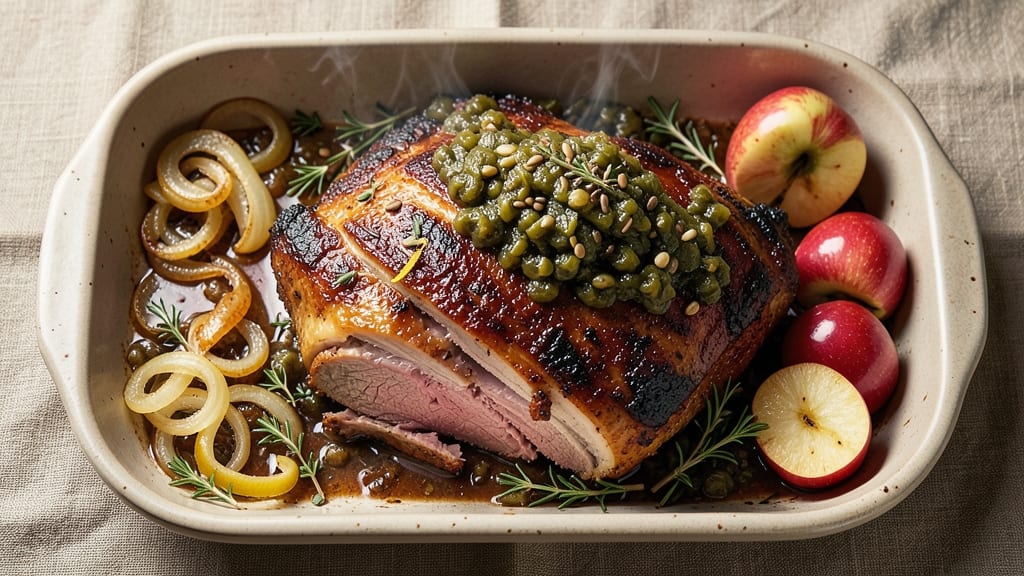
A bone-in pork roast transforms weeknights into something special when paired with tangy sauerkraut—this smoky-sour combination is a game-changer for home cooks. I developed this recipe after years of perfecting pork roasts in my Atlanta kitchen, where the right balance of crispy skin and tender meat makes all the difference.
The sauerkraut, whether braised or served raw, adds a bright contrast that cuts through the richness of the pork, creating a meal that feels both comforting and sophisticated.
The secret to this dish lies in the low-and-slow roasting method, which ensures the pork stays juicy while developing a deep, savory flavor.
You’ll start with a simple seasoning of salt, pepper, and herbs, then let the roast cook until the internal temperature reaches 145°F—no guesswork, just perfect results.
Meanwhile, the sauerkraut gets a quick sauté with onions and apples for extra depth, or you can serve it raw for a sharper bite. This approach keeps the dish foolproof while delivering restaurant-quality flavor.
By the time you’re done, you’ll have a crisp-skinned, tender pork roast with a bone that’s rich and flavorful, paired with sauerkraut that’s either caramelized and sweet or vibrant and tangy.
The contrast of textures and flavors makes every bite satisfying, while the simplicity of the recipe ensures it’s perfect for a weeknight dinner that still feels like a celebration. This is the kind of meal that turns ordinary evenings into memorable ones.
Serve with roasted potatoes, buttery dumplings, or a homemade gravy to round out the plate. The leftovers reheat beautifully, making this a great option for meal prep or feeding a crowd. Let’s get cooking—this pork roast and sauerkraut pairing is about to become a staple in your kitchen.
Ingredients for bone in pork roast and sauerkraut
Six ingredients transform simple pork into a weeknight masterpiece with crispy skin and smoky-sour magic.
| Ingredient | Amount | Notes |
|---|---|---|
| Bone-In Pork Roast 🥓 | 4 lb | Center-cut, 2-3 inches thick |
| Yellow Onions 🧅 | 2 whole | Medium size, sliced into half-moons |
| Honeycrisp Apples 🍎 | 2 medium | Peeled, cored, sliced into wedges |
| Sauerkraut 🥬 | 1 ½ lb | Unopened jar, drained if needed |
| Fresh Thyme 🌿 | 2 sprigs | Or 1 tbsp dried thyme |
| Fresh Rosemary 🌿 | 1 sprig | Wooden handled for easy removal |
| Garlic Cloves 🧄 | 6 cloves | Smash but don't mince |
| Olive Oil 🫒 | ½ cup | Extra-virgin for crispy skin |
| Kosher Salt 🧂 | 1 ½ tbsp | Diamond Crystal preferred |
| Freshly Ground Black Pepper 🌶️ | 1 ½ tsp | Coarsely cracked |
| Apple Cider Vinegar 🍎 | 2 tbsp | For sauerkraut braising |
| Brown Sugar 🍯 | 1 tbsp | Light or dark preferred |
| Smoked Paprika 🌶️ | 1 tsp | For pork seasoning |
| Fresh Bay Leaves 🌿 | 2 whole | Removed before serving |
The pork roast is non-negotiable here—bone-in, center-cut gives you that rich marrow flavor and perfect juiciness. Harris Teeter or Whole Foods usually carry excellent cuts, but ask your butcher for a 2-3 inch thick roast if you want to splurge. The bone adds extra cooking time, so plan for 3-4 hours total. Look for good marbling (white fat streaks) in the meat—this ensures juicy results. If your roast has a thick fat cap, trim it down to about 1/4 inch for even cooking. The Honeycrisp apples are key for the sauerkraut—use them even if you're serving raw kraut on the side.
No smoked paprika? Regular paprika plus a pinch of liquid smoke works in a pinch. Fresh herbs wilt fast, so dried thyme and rosemary at half the amount are fine if you're prepping ahead. The sauerkraut should be unopened—the juice preserves flavor, and you can drain it if it's too wet. For the apples, Fuji or Granny Smith are good swaps, but Honeycrisp holds up best to cooking. The brown sugar caramelizes beautifully with the onions and apples, so don't skip it—it's what makes the braised kraut taste like a restaurant dish. If you're short on time, serve the sauerkraut raw with a squeeze of lemon instead of braising.
Pork roasts reheat beautifully—350°F for 20 minutes restores crispiness. Store leftovers in the fridge for 4 days or freeze for 3 months in portions. The braised sauerkraut keeps 5 days refrigerated, and the flavor actually improves overnight. I always make a double batch of kraut—half braised, half raw—because the contrast of textures makes every bite exciting. For meal prep, slice the pork thinly against the grain and serve with the kraut over mashed potatoes or buttered noodles. The leftovers transform into the best pork sandwiches the next day.
Why You'll Love This Recipe
- One-Pan Magic: I swear by this when I’m too tired to scrub pots—just toss the pork, onions, and sauerkraut on a sheet pan, add a handful of thyme, and let the oven do the work. The apples caramelize right along, so you end up with a sticky, aromatic mess that’s almost worth the cleanup.
- Deep, Tangy Crunch: That sauerkraut isn’t just a side—it’s the star. The sharp tang cuts through the pork’s richness, while the Honeycrisp apples add a sweet, crisp bite that keeps every bite exciting. Honestly, the first time I made this, my husband stole half the pan before it even hit the table.
- Leftovers That Shine: This roast tastes even better the next day, especially when sliced thin and piled onto toast with a fried egg on top. I’ll be real: I often make a double batch because the leftovers disappear faster than I can reheat them. (Yes, even on a Tuesday night.)
- Budget-Friendly Feast: A bone-in pork roast stretches farther than you’d think, and sauerkraut lasts forever in the fridge. Between us, this is my go-to when I’m feeding a crowd but don’t want to break the bank—plus, the apples add a touch of luxury without costing a fortune. Solid win.
Step-by-step instructions for bone-in pork roast and sauerkraut
Here's how to transform simple ingredients into a restaurant-worthy weeknight dinner with minimal effort.
Season and Sear the Pork Roast
Pat the 4 lb bone-in pork roast dry with paper towels—this ensures maximum crispiness. In a small bowl, mix together the 1.5 tbsp kosher salt, 1.5 tsp freshly ground black pepper, and 1 tsp smoked paprika. Rub this mixture all over the pork, including the cut sides, until fully coated.
Heat a large Dutch oven over medium-high heat and add the 0.5 cup olive oil. Once the oil shimmers, carefully place the pork roast in the pot, fat side down. Let it sear undisturbed for 5-6 minutes until a deep golden-brown crust forms. Flip the roast and sear the other side for another 4-5 minutes. This initial searing locks in juices and builds flavor foundation.
Build the Aromatic Base
Remove the pork roast from the Dutch oven and set it aside. In the same pot, add the sliced 2 whole yellow onions and cook for 3-4 minutes until softened. Add the 6 smashed garlic cloves and cook for another 30 seconds until fragrant.
Stir in the 1 tbsp brown sugar and cook for 1 minute until it begins to caramelize slightly. This sweet note will balance the tangy sauerkraut later. Add the 2 sprigs fresh thyme and 1 sprig fresh rosemary, giving them a gentle shake to release their oils. This aromatic base forms the flavor backbone of your dish.
Braise the Sauerkraut Mixture
Add the drained 1.5 lb sauerkraut to the Dutch oven along with the 2 tbsp apple cider vinegar. Stir everything together and bring to a gentle simmer over medium heat. The vinegar helps tenderize the sauerkraut while adding brightness to the dish.
Return the pork roast to the pot, fat side up, along with the 2 whole fresh bay leaves. Add enough water to come about halfway up the sides of the pork (approximately 1½ cups). This liquid will help create a flavorful braising liquid while keeping the pork moist. Bring to a simmer and cover the pot with a tight-fitting lid.
Slow Cook Until Tender
Transfer the Dutch oven to a preheated 300°F oven and cook for 2½ to 3 hours, or until the pork reaches an internal temperature of 195°F. The pork should be fork-tender and easily pull away from the bone. If the liquid reduces too much before the pork is done, add small amounts of hot water as needed to maintain about ½ inch of liquid.
About 30 minutes before the pork is done, add the peeled, cored, and sliced 2 medium Honeycrisp apples to the pot. They'll soften and absorb the flavors of the braising liquid, adding natural sweetness to balance the sauerkraut's tang. The apples should be tender but not mushy when done.
Rest and Serve
Remove the pork roast from the pot and transfer it to a cutting board. Tent loosely with aluminum foil and let it rest for 15 minutes. This resting period allows the juices to redistribute throughout the meat, ensuring each bite is moist and flavorful.
While the pork rests, skim off any excess fat from the braising liquid and adjust the seasoning if needed. To serve, slice the pork into ½-inch thick slices against the grain. Spoon the sauerkraut mixture over the pork and serve immediately with the apples scattered throughout. The combination of tender pork, tangy sauerkraut, and sweet apples creates a perfect balance of flavors that makes this dish shine on busy weeknights.
Pro Tips For Making Bone In Pork Roast And Sauerkraut
- SEAR THE BONE FIRST: That pork bone’s got flavor locked inside—crack the oven at 450°F (230°C) and sear the roast bone-side down for 8–10 minutes. I used to skip this, thinking it’d dry out the meat, but now I swear by the deep, caramelized richness it adds to the braise. The bone will release its juices later, so don’t rush it.
- DRAIN AND RINSE SAUERKRAUT: Dump that jar of sauerkraut into a colander and give it a good rinse under cold water—even if it looks fine. The brine’s acidic punch can turn your pork roast mushy if left unchecked, and you don’t want a watery, flavorless mess. Pat it dry afterward; it’ll crisp up better when it hits the pan.
- CORE THE APPLES THIN: Slice those Honeycrisp apples into ¼-inch-thick rounds, then cut out the core with a paring knife—leave the skin on. Thick chunks stay tough and undercooked while thin slices caramelize perfectly into the sauerkraut. I learned this after biting into a chewy apple in an otherwise perfect dish.
- LOW AND SLOW AFTER SEARING: Once the pork’s browned and the apples are soft, drop the heat to 300°F (150°C) and let it cook covered for 2–2.5 hours. I used to crank the heat to finish faster, but the meat turned out dry and the sauerkraut lost its tang. Patience here makes all the difference—your pork will stay juicy and the flavors meld.
Storing and reheating this recipe
Refrigerator Storage
Store your pork roast and braised sauerkraut in separate airtight containers—I swear by Lodge ceramic storage dishes for even heating later. The pork stays fresh for 4 days at 40°F or below, while the sauerkraut keeps 5 days in the fridge.
The pork’s crispy skin loses its crunch after 2 days, so I recommend reheating within that window for best texture. 🥓
Freezer Prep Tips
For longer storage, slice the pork against the grain and freeze in quart-sized freezer bags with the braised sauerkraut and apples in a separate bag. Label with dates—this combo freezes beautifully for 3 months.
Thaw overnight in the fridge before reheating. I always double-bag the sauerkraut to prevent freezer burn, especially if you’re keeping it raw for sandwiches later. ❄️
Stovetop Reheating
My go-to method is reheating the pork and sauerkraut together in a Dutch oven over medium-low heat with 2 tbsp water to restore moisture. Cover and simmer for 10-12 minutes, stirring occasionally, until reaching 165°F internal temperature.
The braised kraut reheats perfectly this way—no soggy textures here. For extra crispiness, broil the pork for 2-3 minutes at the end. 🔥
Microwave Shortcut
When I’m in a rush, I reheat individual portions in the microwave on 50% power for 3-4 minutes, stirring halfway. Add 1 tbsp water to prevent drying. The sauerkraut reheats well this way, though it loses some texture.
I always serve it with a squeeze of lemon to brighten flavors after microwaving. This method takes just 5 minutes for a quick lunch. ⏱️
Leftovers Reinvented
Transform leftovers into pork sandwiches with crusty bread, mustard, and extra sauerkraut. Or shred the pork and mix it into mac and cheese for a hearty weeknight meal. The braised kraut also makes a fantastic topping for roasted potatoes or buttered noodles.
I keep a stash of these ingredients in my freezer for easy reinvention—no waste, just flavor! 💡
Sauerkraut Variations
If your braised sauerkraut gets too watery after reheating, drain it and crisp it up in a skillet with 1 tbsp butter for 3-4 minutes until golden. For raw kraut, serve it chilled with a drizzle of honey and toasted walnuts for crunch.
I often mix both textures together when reheating for maximum flavor contrast. 🥬
Nutrition facts
Frequently asked questions
Why does the recipe call for a bone-in pork roast instead of boneless?
The bone adds incredible flavor and keeps the meat juicier during cooking. When roasted slowly, the bone infuses the meat with rich marrow flavors while helping to stabilize the roast's shape. Plus, the bone makes the dish feel more substantial—it's a classic technique in Southern and European pork roasts that delivers restaurant-quality results at home.
Can I substitute sauerkraut with another fermented vegetable?
While sauerkraut is ideal for its tangy brightness, you could use kimchi (for a spicier kick) or pickled red cabbage in a pinch. Just reduce the apple cider vinegar to 1 tbsp since these already have acidity. The texture will differ slightly, but the flavor pairing still works beautifully with the pork's richness.
What's the best way to check if the pork is done?
Use a meat thermometer to check the thickest part of the roast—it should reach 195°F for perfectly tender, pull-apart meat. The bone should also feel slightly soft when pressed. Never rely on color alone, as pork can look cooked through before reaching safe temperatures. If you don't have a thermometer, cut into the thickest part to check for juices that run clear.
How do I make this dish ahead of time for a party?
Prepare the pork roast and braised sauerkraut up to 2 days ahead—they reheat beautifully. Store components separately in airtight containers, then reheat in a Dutch oven with 2 tbsp water over low heat for 10-12 minutes. For parties, slice the pork against the grain and serve with warm sauerkraut alongside buttery dumplings or roasted potatoes for easy serving.
What if my sauerkraut tastes too sour?
Add a touch of sweetness to balance the acidity! Stir in 1 tsp brown sugar or 1 tbsp apple juice during reheating. For extra depth, sauté the kraut with 1 diced apple and 1 tsp honey until softened. The natural sugars in the apples will mellow the sourness while complementing the pork's richness.