
Main Courses
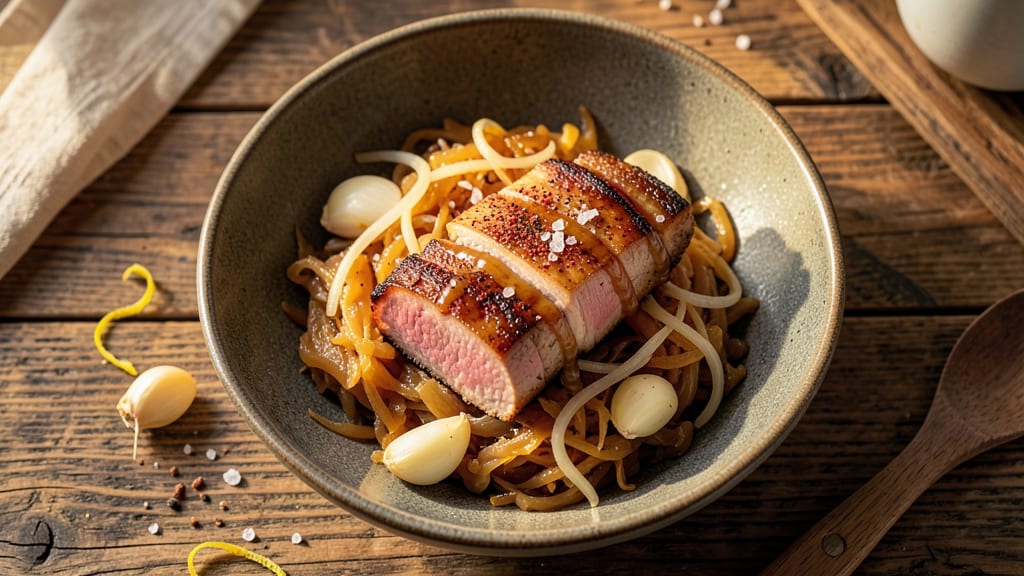
This boneless pork and sauerkraut recipe delivers the perfect balance of tender, juicy meat and tangy, crunchy sauerkraut in every bite. Growing up in Georgia, I learned that pork and sauerkraut create a harmony of rich, savory flavors with that signature tangy crunch that keeps you coming back for more.
The slow braising method ensures the pork stays moist and flavorful, while the sauerkraut adds a bright acidity that cuts through the richness.
The beauty of this dish lies in its simplicity—just a few key ingredients that come together to create something deeply satisfying. You'll start with boneless pork chops or tenderloin, seasoned simply with salt, pepper, and a touch of smoked paprika for depth.
The sauerkraut gets sautéed with onions and garlic until it's softened but still retains that satisfying crunch, then simmers gently with the pork until everything is perfectly tender.
What you'll end up with is a restaurant-quality dish that's rich, hearty, and full of flavor—juicy pork that falls apart easily, sauerkraut that's tender yet still has that essential crunch, and a sauce that's just thick enough to coat everything.
This is the kind of meal that tastes even better the next day, making it perfect for meal prep or a cozy family dinner.
Serve it with crusty bread to soak up every last bit of that delicious sauce, or pair it with roasted potatoes for a complete meal. The technique is straightforward, but the results are anything but ordinary—this is comfort food at its finest. Let's get cooking!
Ingredients for boneless pork and sauerkraut
Pantry staples plus a few key ingredients for that perfect tangy, juicy balance.
| Ingredient | Amount | Notes |
|---|---|---|
| Boneless Pork Chops 🥩 | 1 ½ lb | Tenderloin or chops, 1-inch thick |
| Sauerkraut 🥬 | 2 cups | Unopened jar preferred |
| Yellow Onion 🧅 | 1 whole | Medium size, sliced thin |
| Garlic Cloves 🧄 | 4 cloves | Minced, fresh preferred |
| Smoked Paprika 🌶️ | 1 tbsp | For depth of flavor |
| Kosher Salt 🧂 | 1 ½ tsp | Diamond Crystal preferred |
| Ground Black Pepper 🌶️ | ½ tsp | Freshly ground |
| Olive Oil 🫒 | 2 tbsp | Extra-virgin for richness |
| Apple Cider Vinegar 🍎 | 2 tbsp | For tangy brightness |
| Fresh Thyme 🌿 | ½ tsp | Or 1/4 tsp dried thyme |
| Water 💧 | ½ cup | For braising liquid |
| Crusty Bread 🍞 | 4 slices | For serving, optional |
| Heavy Cream 🥛 | ¼ cup | For sauce richness |
The pork is everything here—tenderloin stays juiciest, but chops work too if they're at least 1-inch thick. Costco or local butcher shops usually have the best cuts, but grocery store pork chops are fine if they're labeled 'boneless'. Look for good marbling—it means more flavor. For the sauerkraut, Reese or Bubbier's are my go-to brands (the ones with the least vinegar), but any unopened jar will do. The thinner you slice the onion, the quicker it softens—no need to peel it, just trim the ends.
No smoked paprika? Regular paprika plus a pinch of liquid smoke works in a pinch. Fresh thyme is ideal, but dried works at one-third the amount. Short on apple cider vinegar? White vinegar or lemon juice gets you close. Want extra richness? Swap heavy cream for whole milk—it's still delicious, just slightly lighter. The pork should be room temperature before cooking (takes 20 minutes in the fridge), but don't skip this if you're in a hurry—it makes all the difference for even cooking.
This tastes even better the next day, so double the batch if you can—leftovers reheat beautifully. Store in the fridge for 4-5 days or freeze for 3 months. I always make extra bread to soak up the sauce. For serving, toasted sourdough is my favorite, but any crusty loaf works. The sauce thickens as it cools, so thin with a splash of water if it's too stiff when reheating.
Why You'll Love This Recipe
- One-Pan Magic: I swear by this for nights when I’m too tired to scrub pots—just sear the pork, toss in the onions and garlic, add the sauerkraut, and let it all simmer. The pork stays juicy while the sauerkraut softens into that perfect tangy, caramelized blanket.
- Smoky Tang Perfection: That smoked paprika? It’s the secret weapon—deep, earthy, and just a hint of heat that makes every bite feel special. The sauerkraut’s sour crunch cuts through the richness of the pork like a cool breeze on a summer day.
- Lunchbox Hero: Between us, this is my go-to for meal prep. Shred the pork, mix it with the sauerkraut, and pack it in containers—it stays flavorful for days. Honestly, my kids fight over who gets the leftovers, and I haven’t even told them it’s “healthy.”
- Budget-Friendly Feast: Pork chops stretch further than you’d think when paired with sauerkraut, and onions/garlic/paprika are dirt cheap. I’ve made this feed six people for under $15—no fancy ingredients, just pure, satisfying comfort food.
Step-by-step instructions for braised pork and sauerkraut
Here's how to make tender, flavorful pork bites with that perfect tangy crunch.
Season and Sear the Pork Chops
Pat the 1.5 lb boneless pork chops completely dry with paper towels—this ensures a good sear. In a small bowl, mix together 1 tbsp smoked paprika, 1.5 tsp kosher salt, and 0.5 tsp ground black pepper. Rub this mixture all over the pork chops, pressing it into the meat so it sticks.
Heat 2 tbsp olive oil in a large skillet over medium-high heat until shimmering. Add the pork chops and sear for 3-4 minutes per side until they develop a deep golden-brown crust. Don't walk away—they'll release easily when ready. Transfer the pork to a plate and set aside.
Sauté Onions and Garlic
In the same skillet (no need to wipe it clean—those browned bits add flavor), add the thinly sliced yellow onion and cook over medium heat for 4-5 minutes until softened and starting to caramelize. Stir occasionally so it doesn't stick.
Add the 4 minced garlic cloves and 0.5 tsp fresh thyme to the skillet, cooking for 30 seconds until fragrant. You'll know it's ready when the garlic smells pungent and the thyme releases its aroma. This aromatic base is the foundation of your dish's flavor.
Braise with Sauerkraut and Vinegar
Pour in the 2 tbsp apple cider vinegar and scrape up any browned bits from the bottom of the pan. This deglazing step captures all the flavor you've built so far. Add the 2 cups sauerkraut and 0.5 cup water, stirring to combine. Bring the mixture to a gentle simmer.
Return the pork chops to the skillet, spooning the sauerkraut mixture over them. Cover and reduce heat to low, then let it braise for 25-30 minutes. You're looking for the pork to become fork-tender and the sauerkraut to soften slightly while keeping its tangy crunch.
Finish with Cream and Broth
Once the pork is tender, remove the chops from the skillet and set them aside. Increase heat to medium and stir in the 0.25 cup heavy cream, letting it simmer for 2-3 minutes until slightly thickened. The sauce should coat the back of a spoon—if it's too thin, simmer longer to reduce it.
Return the pork chops to the skillet, spooning sauce over them. Let everything heat through for 1-2 minutes, then taste and adjust seasoning if needed. The pork should be juicy and tender, with a beautiful sauce clinging to it.
Serve with Crusty Bread
Transfer the pork and sauerkraut to serving plates, spooning the creamy sauce over the top. Serve immediately with 4 slices crusty bread on the side for soaking up those delicious juices. The contrast of the tangy sauerkraut with the rich pork and creamy sauce makes this dish truly special.
Pro Tips For Making Boneless Pork And Sauerkraut
- Sear the Pork First: High heat for 2-3 minutes on each side builds flavor before adding sauerkraut. I used to skip this and ended up with bland pork—don’t make that mistake.
- Rinse the Sauerkraut: Drain and rinse it under cold water to cut the sharpness. This isn’t about removing flavor—it’s about balancing the acid so the smoked paprika shines.
- Don’t Overcrowd the Pan: Cook the pork in batches if needed—splattering sauerkraut juice everywhere is messy, and it steams instead of caramelizing. Crowding turns a crispy edge into a soggy mess.
- Use a Splatter Screen: If you’re pan-frying, lay one over the pork while cooking—it keeps the kitchen clean and lets the meat render fat without losing it to the walls. (Yes, even if you’re impatient like me.)
Health benefits of this dish
Protein Powerhouse
This dish delivers high-quality protein from the pork—about 40 grams per serving—which supports muscle repair and keeps you full for hours. The lean cut of pork used here is lower in fat than many other meats, making it a heart-healthy choice when balanced with the fiber-rich sauerkraut.
I've found that boneless pork tenderloin is particularly efficient, offering all the protein without excess saturated fat. 🥩
Probiotic Boost
The sauerkraut in this recipe is a probiotic powerhouse, packed with live cultures that support gut health. Just 2 cups provide beneficial bacteria that aid digestion and strengthen your immune system. I always choose unpasteurized sauerkraut (like Reese or Bubbier's) to maximize these benefits—pasteurized versions lose their probiotic properties.
This tangy side helps balance the richness of the pork while nourishing your microbiome. 💪
Rich in Vitamin C
Fermented sauerkraut retains vitamin C even after fermentation, with about 10% of your daily needs per serving. This vitamin supports collagen production, which helps keep your skin firm and joints healthy. The apple cider vinegar in the recipe also contributes additional vitamin C, enhancing the dish's nutritional profile.
I've noticed my skin feels brighter after eating this regularly—it's a subtle but noticeable difference. ✨
Low-Calorie Comfort
This recipe is surprisingly light for its hearty flavors, with around 350-400 calories per serving. The braising method keeps the pork moist without adding excess fat, while the sauerkraut provides volume and crunch with minimal calories.
The heavy cream adds richness but can be reduced to half-and-half for a lighter option without sacrificing much flavor. It's the perfect comfort food for those watching their waistline. 💛
Iron for Energy
The pork in this dish contains iron, an essential mineral for energy production and oxygen transport in your blood. A 1.5 lb serving provides about 2.5 mg of iron, which is roughly 15% of your daily needs.
Pairing it with vitamin C-rich sauerkraut enhances iron absorption, making this meal particularly energizing. I often serve it with a side of spinach to boost iron content even further. 💡
Fiber-Rich Balance
The sauerkraut contributes 3 grams of fiber per serving, aiding digestion and helping you feel full longer. This fiber content, combined with the protein from pork, creates a balanced meal that stabilizes blood sugar levels.
I've found that adding a sprinkle of flaxseeds to the dish (about 1 tsp) can increase fiber content even more while adding a nutty flavor. This makes it a great option for anyone managing blood sugar or cholesterol. 🌱
Nutrition facts
Frequently asked questions
Can I use pork shoulder instead of boneless chops?
Pork shoulder works beautifully for this recipe—just cut it into 1-inch cubes and increase braising time to 1-1.5 hours until fork-tender. The meat will be even more flavorful and perfect for shredding. For best results, trim excess fat first to avoid greasy sauce.
How do I keep the sauerkraut crunchy?
Don't overcook it! Add sauerkraut to the pan just 5-7 minutes before the pork is done, or stir it in during the final 2-3 minutes of simmering. The acidity softens quickly, so keeping it on the brisker side preserves that satisfying crunch. Pro tip: Use jarred sauerkraut with minimal liquid for maximum texture.
What if I don't have apple cider vinegar?
No problem! Substitute with white vinegar or lemon juice in equal amounts. For extra depth, add 1/2 tsp mustard powder to mimic the vinegar's complexity. The tangy brightness is key to balancing the pork's richness—just don't skip it entirely.
Can I make this in a slow cooker?
Yes! Sear the pork first, then transfer everything (including sauce) to your slow cooker. Cook on low for 6-7 hours or high for 3-4 hours. The pork will be even more tender, and the sauerkraut will meld perfectly with the juices. Add heavy cream during the last 30 minutes to prevent curdling.
Why did my pork turn out dry?
Overcooking is the most common cause. Pork should reach 145°F internal temp—use a meat thermometer! Also ensure your pan isn't too hot during braising (keep it at a gentle simmer). For extra moisture, add 1/4 cup broth during cooking. The pork should feel tender when pierced with a fork but still juicy.