
Main Courses
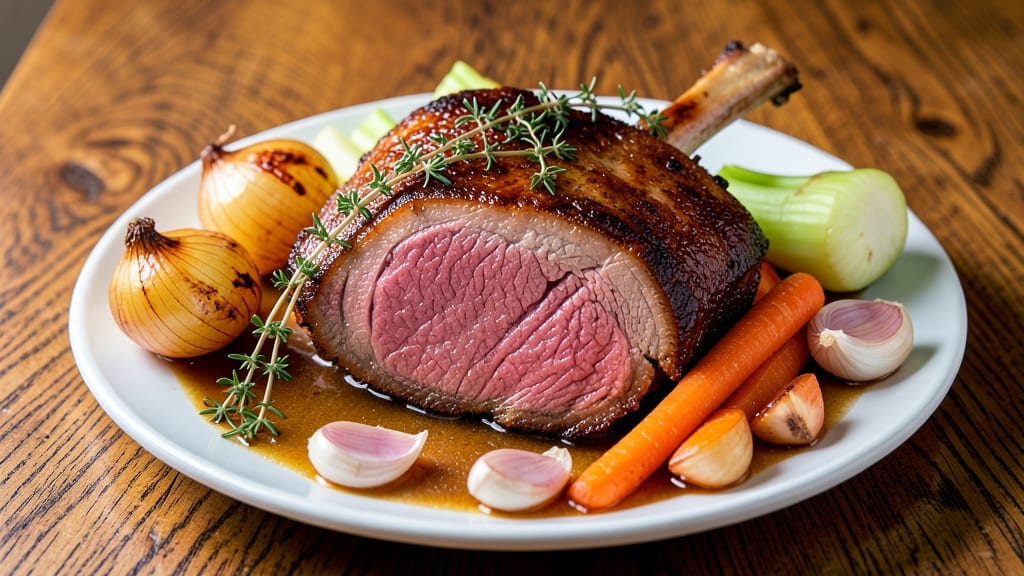
This bone-in pork sirloin end roast recipe delivers melt-in-your-mouth tenderness with a caramelized crust that'll have your guests begging for seconds. 🔥 As someone who's cooked thousands of pounds of pork weekly, I know the secret lies in slow-braising followed by a high-heat finish—transforming tough cuts into showstopping centerpieces.
The bone adds depth of flavor while keeping the meat impossibly juicy.
What sets this recipe apart is the technique: we start with a low-and-slow cook to break down connective tissue, then finish with a broil to create that coveted caramelized edge. No fancy equipment needed—just patience and attention to temperature.
The result? A roast so tender it practically falls apart, with a crust that's crispy enough to stand up to even the heartiest sides.
By the time you carve into this roast, you'll understand why it's become a staple at my restaurant—rich, savory, and packed with that deep pork flavor that comes from cooking it whole.
The aromas alone will have everyone gathering at your table, and the leftovers? Even better the next day, reheated with a splash of pan juices.
Perfect for holiday gatherings or when you want to impress without hours of prep. The method scales beautifully, so whether you're feeding six or twelve, this roast delivers restaurant-quality results at home. Let's get cooking—your taste buds won't regret it.
Ingredients for bone in pork sirloin end roast
Six ingredients for the perfect pork roast—juicy, tender, and caramelized to perfection.
| Ingredient | Amount | Notes |
|---|---|---|
| Bone-In Pork Sirloin End Roast 🥩 | 4 lb | With bone and fat cap intact |
| Yellow Onion 🧅 | 1 whole | Chopped into 1-inch pieces |
| Carrots 🥕 | 4 whole | Cut into 2-inch chunks |
| Celery Stalks 🌿 | 4 whole | Cut into 2-inch pieces |
| Garlic Cloves 🧄 | 6 cloves | Smashed but not minced |
| Fresh Thyme 🌿 | 2 sprigs | Stems removed, leaves intact |
| Fresh Rosemary 🌿 | 1 sprig | Woody stems removed |
| Beef Broth 💧 | 2 cups | Low-sodium preferred |
| Dry Red Wine 🍷 | 1 cup | Bold variety like Cabernet |
| Olive Oil 🫒 | 2 tbsp | Extra-virgin for richness |
| Salt 🧂 | 1 ½ tbsp | Kosher or sea salt |
| Black Peppercorns 🌶️ | 1 tbsp | Freshly cracked |
| Brown Sugar 🍯 | 2 tbsp | Packed lightly |
| Mustard Powder 🌶️ | 1 tsp | Dijon preferred |
The pork cut is everything here. Look for sirloin end roast with a good fat cap—that's where the flavor hides. Costco or Whole Foods usually carry this cut, but if your butcher has it, ask for a bone-in piece with the fat intact. The bone adds depth, and the fat keeps the meat juicy. Fresh thyme and rosemary? Grab them from the grocery store's produce section—they should smell vibrant, not wilted. If you can't find fresh, dried works at one-third the amount, but trust me, fresh makes all the difference. The wine? Any bold red will do—Cabernet or Merlot, whatever's open. Skip the cheap stuff, though.
No red wine? Substitute beef broth with a splash of balsamic vinegar—it's the same depth without the alcohol. Fresh herbs wilt fast, so store them in a damp paper towel in the fridge until ready to use. The carrots and celery can be swapped for parsnips or turnips if you're feeling adventurous. Brown sugar adds caramelization, but if you're watching sugar, use a little honey instead—just reduce the amount by half. The mustard powder is non-negotiable for that tangy kick, but if you're out, a pinch of Dijon mustard in the pan works too. Pro tip: Toast the spices in the oil for 30 seconds before adding the broth—it deepens the flavor instantly.
This roast tastes even better the next day, so plan ahead. Store leftovers in the fridge for up to 5 days or freeze for 3 months—just thaw in the fridge overnight. The aromas alone will have your whole house gathering, so cook it when you're ready for company. If you're feeding a crowd, double the recipe—it scales perfectly. The pan juices? Save every drop—they're liquid gold for reheating slices. And if you're feeling fancy, brush the roast with extra pan juices before serving. Trust me, it's worth the extra minute.
Why You'll Love This Recipe
- One-Pot Magic: I swear by this recipe because it’s literally dump-and-go. Toss the roast, onions, carrots, and celery into a Dutch oven with garlic and broth—no chopping like a fine chef, just rough dice that still caramelize beautifully. The bone renders juices that turn everything tender without extra effort.
- Garlic-Caramel Crust: That crispy, golden edge on the roast? It’s where the onions and garlic get all sticky and sweet, locking in flavor while the meat stays juicy inside. Honestly, the first time I bit into it, I nearly dropped the fork—it’s the kind of taste that makes you slow down mid-bite.
- Weeknight to Dinner Party: Same recipe, different occasions. Weeknights? Serve with mashed potatoes and a simple green salad. Holiday table? Add a splash of red wine and fresh rosemary for instant elegance. My in-laws think I slaved over it; I just reheated leftovers.
- Leftovers That Don’t Suck: Between us, most roasts turn dry the second time around. Not this one—the bone keeps everything moist, so sandwiches, fried rice, or even tacos the next day taste just as good. I’ll be real: I’ve eaten cold slices straight from the fridge, and it’s still my secret weapon.
Step-by-step instructions for slow-braised pork sirloin roast
Transform tough pork into melt-in-your-mouth perfection with this foolproof braising method.
🍳 Step 1: Sear the Roast for Maximum Flavor
Heat a Dutch oven over medium-high heat and add 2 tablespoons olive oil. Place the 4 lb bone-in pork sirloin end roast fat-side down and sear for 8-10 minutes until the fat is golden brown and crispy. Flip and sear the other side for another 6-8 minutes.
Here's the thing—this initial sear creates a flavorful crust that locks in juices during braising. Don't rush this step. You'll know it's ready when the fat releases easily from the pan and the meat has developed a deep golden color. If it sticks, don't panic—just add a splash of dry red wine to deglaze.
👨🍳 Step 2: Build the Aromatic Base
Remove the roast and set it aside. In the same Dutch oven, add 1 whole yellow onion, 4 whole carrots, and 4 whole celery stalks cut as specified. Cook for 5-6 minutes until the vegetables begin to soften.
Add the 6 smashed garlic cloves, 2 sprigs fresh thyme, 1 sprig fresh rosemary, 1.5 tablespoons salt, 1 tablespoon black peppercorns, 2 tablespoons brown sugar, and 1 teaspoon mustard powder. Stir everything together for 1 minute until fragrant. This aromatic base forms the flavor foundation for your braise.
🥘 Step 3: Deglaze and Braise to Tender Perfection
Pour in the 1 cup dry red wine and scrape up all those delicious browned bits from the bottom of the pot. Let it simmer for 2-3 minutes until the wine has reduced by half. Add the 2 cups beef broth and return the roast to the pot, bone-side down.
Bring everything to a gentle simmer, then cover and transfer to a 325°F oven. Here's where the magic happens: braise for 3-3.5 hours until the pork is fork-tender. You'll know it's done when the meat pulls apart easily and the internal temperature reaches 200°F in the thickest part.
⏰ Step 4: Rest and Shred for Juicy Results
Remove the roast from the oven and transfer it to a cutting board. Let it rest for 15-20 minutes before shredding. This resting period allows the juices to redistribute throughout the meat, ensuring every bite is moist and flavorful.
Using two forks, carefully shred the pork, separating it from the bone. Return the shredded meat to the braising liquid and stir gently to combine. The result should be tender, juicy pork with a rich, caramelized sauce that coats every bite. Serve immediately over mashed potatoes or crusty bread to soak up all that delicious sauce.
Pro Tips For Making Bone In Pork Sirloin End Roast
- Sear the Roast First: Hit that bone-in roast with a screaming-hot pan for 3-4 minutes per side before braising—it builds flavor and keeps the meat from falling apart later. I used to skip this, and the roast would turn mushy instead of tender.
- Chop Veggies Evenly: Cut onions, carrots, and celery into ½-inch chunks—no smaller, or they’ll turn to mush. My grandmother’s trick: Use a knife to smash celery stalks slightly before chopping to soften them faster.
- Don’t Rush the Braise: Low and slow is the only way—cover the roast with liquid and simmer at 300°F (150°C) for 3-4 hours until the meat pulls away from the bone effortlessly. I learned this the hard way after serving a tough, undercooked roast.
- Use a Meat Thermometer: Pull the roast when it hits 203°F (95°C) internally—it’ll carry over to 195°F (90°C), the perfect pull-apart texture. Guessing leads to dry meat or undercooked centers. (Yes, even if you’re impatient like me.)
Perfect pairings for these flavors
Classic Southern Sides
Nothing complements this rich pork roast like creamy mashed potatoes made with buttery Yukon Golds and a splash of whole milk.
I like to finish them with a sprinkle of fresh chives and a pat of cultured butter—the contrast with the caramelized pork is pure magic. 🥔 For a heartier option, serve with cornbread from your local bakery—I love the slightly sweet, crumbly texture to cut through the sauce.
Don’t overlook collard greens either. Simmer them with smoked turkey neck (or ham hock), apple cider vinegar, and a pinch of red pepper flakes for a Southern classic that pairs beautifully with the roast. The tangy, smoky depth balances the pork’s richness perfectly.
Fresh Vegetable Contrasts
For a lighter touch, roasted Brussels sprouts with balsamic glaze add a crisp, slightly bitter contrast. Toss them in olive oil, crushed black pepper, and a pinch of salt, then roast at 425°F for 20 minutes until caramelized.
Drizzle with reduced balsamic vinegar and toasted pecans for crunch. 🥦
Another favorite is sautéed green beans with garlic and lemon zest. Cook them in a cast-iron skillet with butter, minced garlic, and a squeeze of lemon until tender-crisp. The bright acidity cleanses the palate between bites of the rich pork.
Bread and Starch Pairings
A crusty baguette or sourdough loaf is essential for soaking up the braising liquid. Toast slices lightly and serve alongside the roast—everyone will reach for seconds. I like to brush the bread with garlic-infused olive oil before toasting for extra flavor. 🥖
For a starchy side, cheesy grits with sharp cheddar and a touch of cream add a creamy, comforting element. The slight graininess pairs wonderfully with the tender pork, and the cheese ties everything together.
Sauce and Gravy Elevations
Save the braising liquid and reduce it into a rich pan gravy by skimming off excess fat and simmering until thickened. Finish with a splash of dry red wine and a pat of cold butter for a silky, luxurious sauce.
This is where the magic happens—every bite of pork gets that extra layer of flavor. 🍷
For a tangy twist, stir 1 tablespoon of Dijon mustard and a splash of apple cider vinegar into the gravy before serving. The brightness cuts through the richness, making each bite feel fresh and balanced.
Nutrition facts
Frequently asked questions
Why does this recipe use a bone-in pork sirloin end roast instead of boneless?
The bone adds incredible depth of flavor while keeping the meat impossibly juicy during cooking. The bone acts like a natural heat sink, cooking the meat more evenly and creating a rich, gelatinous fond that enhances the sauce. Plus, the bone's marrow adds richness you won't get from boneless cuts.
Can I make this recipe with a smaller cut of pork?
For a 2-3 lb roast, reduce the braising time to 2-2.5 hours and adjust the vegetables to 1 onion, 2 carrots, and 2 celery stalks. The technique remains the same—just scale everything proportionally. The wine and broth amounts can stay the same since they're more about flavor than quantity.
How do I know when the pork is fully tender?
Use the fork test: When the pork reaches 200°F internally, it should pull apart easily with minimal resistance. The meat should feel like butter—no chewy bits! If you're unsure, cut into the thickest part; if it's fork-tender with juices running clear, it's perfect.
What if I don't have red wine or beef broth?
No problem! Substitute the wine with 2 cups beef broth plus 1 tablespoon balsamic vinegar for depth, or use 1 cup apple cider plus 1 cup broth. For broth, chicken or vegetable broth works in a pinch—just add 1 teaspoon soy sauce for umami. The dish will still be delicious, just with a slightly different flavor profile.
Can I cook this in a slow cooker instead of the oven?
Yes, but with adjustments: Sear the pork first, then transfer to a slow cooker with all ingredients. Cook on low for 8-10 hours or high for 5-6 hours. The texture will be slightly more fall-apart than oven-braised, but still incredibly flavorful. Just finish with a quick broil for 3-5 minutes to create that caramelized crust.