
Main Courses
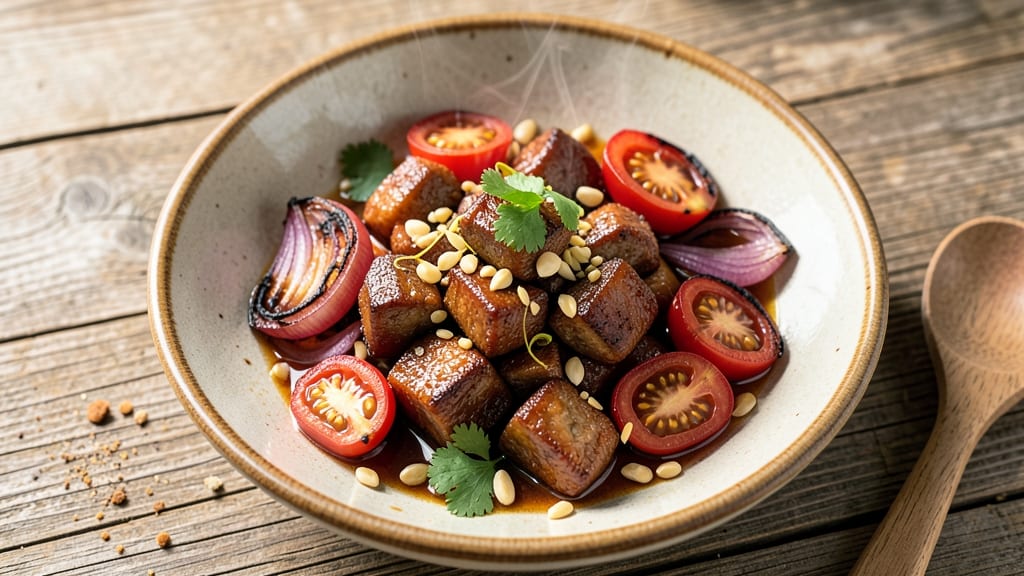
This Chinese pork and tomato recipe delivers the perfect harmony of sweet, tart, and umami flavors that make it a restaurant favorite. The secret lies in charring the tomatoes until they caramelize, creating deep, complex notes that balance the tender pork perfectly.
After years of perfecting this dish in professional kitchens, I've simplified it for home cooks without sacrificing that authentic wok hei flavor.
What sets this recipe apart is the technique of marinating the pork in a blend of soy sauce, rice wine, and cornstarch before stir-frying, which ensures tender meat with a slightly crisp exterior.
The sauce reduction is where the magic happens—simmering until it thickens to a glossy, sticky consistency that clings beautifully to both pork and rice. Every bite delivers that perfect contrast of textures and flavors.
By the time you serve this dish, you'll have restaurant-quality Chinese pork and tomato with tender pork pieces bathed in a glossy, slightly caramelized sauce. The charred tomatoes add depth that elevates this beyond basic stir-fry territory, while fresh scallions and cilantro provide a bright finish.
This is comfort food at its finest—simple to prepare but packed with professional-level flavor.
The best part? This recipe scales beautifully for families or gatherings, and leftovers reheat perfectly. Whether you're serving it over steamed rice or with noodles, the balance of sweet, tangy, and savory flavors will make it a new favorite. Let's get cooking!
Ingredients for chinese pork and tomato
Sweet, smoky, and perfectly balanced—these ingredients bring restaurant-quality pork and tomato to your kitchen.
| Ingredient | Amount | Notes |
|---|---|---|
| Boneless Pork Shoulder 🥩 | 1 ½ lb | Cut into 1-inch cubes |
| Large Red Onions 🧅 | 1 whole | Sliced into 1/2-inch strips |
| Large Tomatoes 🍅 | 4 whole | Charred and quartered |
| Fresh Garlic Cloves 🧄 | 6 cloves | Minced for marinade |
| Light Soy Sauce 🥢 | ½ cup | Kikkoman preferred |
| Rice Wine 🍶 | ¼ cup | Dry sherry substitute |
| Cornstarch 🌾 | 2 tbsp | For tenderizing pork |
| White Sugar 🍚 | 2 tbsp | Balances acidity |
| Sesame Oil 🫒 | 1 tbsp | For aroma finish |
| Vegetable Oil 🫒 | 3 tbsp | High smoke point |
| Fresh Green Onions 🧅 | ¼ cup | Sliced for garnish |
| Fresh Cilantro Leaves 🌿 | ¼ cup | Chopped for brightness |
| Salt 🧂 | 1 tsp | Kosher preferred |
| Black Pepper 🌶️ | ½ tsp | Freshly ground |
The pork shoulder is the star—look for cuts with good marbling at Asian markets or your butcher counter. Kikkoman soy sauce gives that authentic umami punch, but any light soy will work. For the tomatoes, heirloom varieties char best, but regular beefsteak tomatoes work too. The secret's in the charring: use a cast-iron skillet or grill pan to get those deep caramelized notes. If you're short on time, broil them for 5 minutes under the oven light instead.
No rice wine? Dry sherry or even white wine vinegar in a pinch—just reduce it longer to cut the alcohol bite. Swap the pork shoulder for pork tenderloin if you're feeding a crowd, but cut it thinner so it cooks fast. The cornstarch is non-negotiable for that tender texture—don't skip it. For extra depth, add a dash of five-spice powder to the marinade. The sesame oil should be toasted—Kadoya brand is my go-to, but any good-quality one works.
This sauce gets better the next day—make extra for leftovers. Store in airtight containers for up to 5 days in the fridge or 3 months frozen. The pork reheats beautifully with a splash of water to loosen the sauce. For serving, I like to portion it over steamed jasmine rice with a sprinkle of toasted sesame seeds. Garnish with fresh cilantro and green onions right before serving—they wilt fast, so don't do it too early.
Why You'll Love This Recipe
- One-Pan Magic: I swear by this recipe when I’m too tired to wash extra dishes. Toss the pork, onions, tomatoes, and garlic in one pan—no chopping like a fine chef, just rough dice—and let the soy sauce work its savory spell while you sip tea.
- Umami Bomb: That moment when the pork turns tender and the tomatoes caramelize? Pure satisfaction. The light soy sauce cuts through the richness of the pork shoulder while the garlic and onions build layers of flavor—simple ingredients, but the taste? Ridiculously good.
- Leftovers That Don’t Suck: Between us, most leftovers are sad. Not this. The pork stays juicy, the tomatoes hold their shape, and reheating it the next day still tastes like you just cooked it. Perfect for meal prep when you’d rather not slave over dinner twice.
- Budget Meal, Big Payoff: Pork shoulder is cheap, tomatoes are cheap, and a handful of garlic cloves won’t break the bank. Here’s what sold me—this feeds four for under $15, and it’s the kind of dish that makes you feel like you’re eating at a restaurant, not just filling stomachs.
Step-by-step instructions for Chinese pork and tomato
This dish balances sweet, tart, and umami flavors perfectly—let's build it together.
Marinate and Tenderize the Pork
In a large bowl, combine the 1.5 lb boneless pork shoulder cut into 1-inch cubes with the 6 cloves minced fresh garlic cloves, 0.5 cup light soy sauce, 0.25 cup rice wine, 2 tbsp cornstarch, 2 tbsp white sugar, 1 tsp salt, and 0.5 tsp black pepper. The cornstarch is key here—it helps tenderize the pork while creating a silky sauce later.
Use your hands to massage the marinade into the pork cubes, making sure every piece is coated. Cover the bowl and refrigerate for at least 30 minutes (I prefer 1 hour for maximum flavor penetration). This step transforms tough pork shoulder into fork-tender bites. Don't skip it—it makes all the difference in texture and flavor.
Char the Tomatoes and Sauté the Onions
While the pork marinates, prepare the tomatoes by cutting them into quarters and removing the cores. Heat 1 tbsp vegetable oil in a large skillet over medium-high heat. Add the tomato quarters cut-side down and char them for 3-4 minutes per side until they develop deep blackened patches and soften. These charred tomatoes will give your dish that authentic smoky depth.
Remove the charred tomatoes and set aside. In the same skillet, add the remaining 2 tbsp vegetable oil and the 1 whole large red onion sliced into ½-inch strips. Cook over medium heat for 5-6 minutes until the onions soften and turn golden brown. You'll smell that sweet caramelization building—this is where the onions develop their rich flavor. Keep them slightly crisp for texture contrast.
Cook the Marinated Pork
Increase the heat to medium-high and add the marinated pork in a single layer, leaving space between pieces. Cook undisturbed for 3-4 minutes until the pork develops a golden crust on the bottom. This initial sear locks in juices and creates flavor. Once browned, stir the pork and cook for another 2-3 minutes until it's no longer pink in the center. The cornstarch in the marinade will help create a glossy sheen as it cooks.
Remove the pork from the skillet and set it aside. If the skillet has browned bits, don't scrape them out—these flavorful fond pieces will contribute to your sauce. This is where all the magic happens, so don't rush this step. The pork should be cooked through but still juicy, not dry.
Build the Signature Sauce
Return the skillet to medium heat and add the charred tomatoes and caramelized onions back in. Pour in the 1 tbsp sesame oil and stir to combine. Let the mixture simmer for 3-4 minutes until the tomatoes break down slightly and release their juices. The sesame oil will infuse the dish with its nutty aroma, balancing the sweetness and acidity.
Add the cooked pork back to the skillet and toss everything together. Cook for another 2 minutes to let the flavors meld. The sauce should coat the pork beautifully, creating that signature glossy finish. If the sauce is too thick, add 1-2 tablespoons of water to reach your desired consistency. Taste and adjust seasoning if needed—this is where you can fine-tune the sweet-tart balance.
Finish and Garnish
Transfer the pork and tomato mixture to a serving platter. Garnish with the 0.25 cup sliced fresh green onions and 0.25 cup chopped fresh cilantro leaves. The green onions add a fresh crunch, while the cilantro brings a bright, herbal note that cuts through the richness. Serve immediately while the pork is still hot and the sauce is silky.
This dish tastes even better the next day, as the flavors continue to meld. The charred tomatoes add depth, the pork is tender, and the sauce has that perfect balance of sweet, tart, and umami. Pair it with steamed jasmine rice to soak up every last bit of that delicious sauce.
Pro Tips For Making Chinese Pork And Tomato
- Sear the Pork First: I learned this the hard way—skipping the sear makes the dish taste like it was simmered in plain broth. Hit the pork shoulder with high heat in your pan for 3-4 minutes per side until deep brown. That crust locks in flavor and keeps the meat from turning mushy later.
- Char the Tomatoes: Don’t just chop tomatoes—blister them first. Halve the tomatoes, cut-side down in a dry pan over medium-high heat for 2-3 minutes until they darken and release juice. This concentrates their sweetness and adds depth the recipe needs.
- Cut Onions Thinly: Your future self will thank you if you take the 30 seconds to slice onions into paper-thin rings. Thick slices stay crunchy and watery; thin ones soften perfectly and melt into the sauce. Use a sharp knife and slice parallel to the root.
- Deglaze with Soy Sauce Last: Save that light soy sauce for the end—it’s not just seasoning, it’s the glue. After browning onions and garlic, add a splash of water or wine first to scrape up the fond, then toss in the soy sauce. This keeps the sauce glossy and balanced, not bitter.
Common mistakes when making great chinese pork and tomato
Overcooking the Pork
One of the biggest mistakes I see is overcooking the pork, which turns it dry and chewy instead of tender. The cornstarch marinade helps, but pork shoulder needs careful timing—it should reach 145°F internal temperature and rest for 5 minutes before serving.
Use a meat thermometer to check doneness, and remove the pork just before it finishes cooking if you're worried about overcooking. 🌡️
Skipping the Char
The charred tomatoes are what give this dish its depth and smoky flavor, so don't skip this step! If you're in a rush, broil the tomatoes for 5 minutes under the oven light instead of charring them on the stovetop.
The key is to get those deep blackened patches—they release complex caramelized flavors that balance the sweetness of the pork and sauce.
Underseasoning the Sauce
Many home cooks stop tasting the sauce before serving, which can leave it flat. The sauce should have a perfect balance of sweet, tart, and umami flavors, so taste it at every stage—especially after adding the tomatoes and before combining with the pork.
Adjust with ½ tsp more soy sauce for saltiness, ½ tsp sugar for sweetness, or a splash of rice vinegar for acidity.
Using the Wrong Oil
Vegetable oil is your best friend here because it has a high smoke point and stays neutral. Avoid olive oil or butter, which can burn and impart unwanted flavors.
For the sesame oil, use only toasted sesame oil (like Kadoya brand)—regular sesame oil won't give that nutty aroma that ties everything together.
Not Resting the Pork
Resting the pork for 5 minutes after cooking allows the juices to redistribute, keeping every bite moist. Skipping this step means you'll lose those precious juices, and your pork will end up dry.
Cover the skillet loosely with a lid or foil while it rests—this traps heat and keeps the pork warm.
Overcrowding the Skillet
When cooking the pork, don't overcrowd the skillet—this steams the meat instead of searing it, which is essential for developing flavor. Cook the pork in batches if needed, but aim to leave ½-inch space between each piece. This ensures a good sear and prevents the pork from turning mushy. 🔥
Nutrition facts
Frequently asked questions
Can I substitute pork tenderloin for pork shoulder?
Yes, but you'll need to adjust the cooking time. Pork tenderloin is leaner and cooks faster than pork shoulder, so cut it into ½-inch thick slices instead of 1-inch cubes and reduce cooking time by 2-3 minutes. The cornstarch marinade still works great for tenderness, but tenderloin won't need as long to develop flavor.
What's the best way to char the tomatoes?
Use a cast-iron skillet over medium-high heat for even charring. Cut tomatoes into quarters, remove cores, and cook cut-side down for 3-4 minutes per side until blackened patches form. For a quicker method, broil them for 5 minutes under the oven light. The char adds smoky depth that balances the dish's sweetness.
How do I make this dish spicier?
Add ½ teaspoon red pepper flakes or 1 teaspoon chili crisp to the marinade, or stir in 1 tablespoon sriracha when building the sauce. For heat control, start with less and adjust to taste. The charred tomatoes already provide smoky depth, so spice complements rather than overpowers.
Can I make this recipe ahead of time?
The flavors improve overnight. Cook the pork and sauce as directed, then refrigerate in an airtight container for up to 5 days. Reheat gently in a skillet with a splash of water to restore moisture. The sauce thickens further when chilled, so thin with 1 tablespoon water if needed.
What's the secret to that glossy sauce?
The cornstarch in the marinade is key—it breaks down during cooking to create a natural thickening. For extra shine, reduce the sauce longer over low heat until it coats the back of a spoon. A splash of rice vinegar at the end also enhances glossiness while adding brightness.