
Main Courses
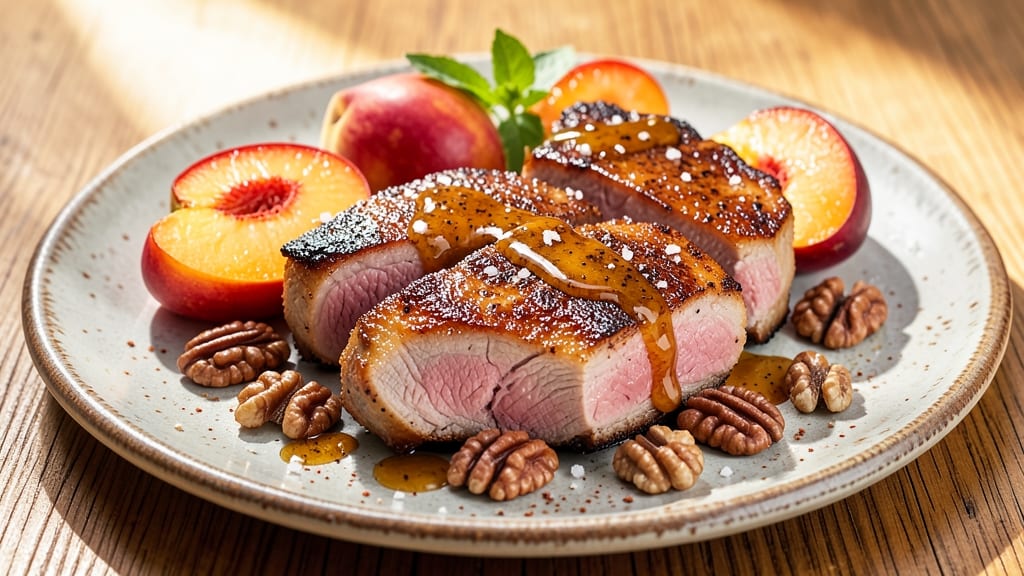
This boneless pork chops and peaches recipe transforms a summer staple into a restaurant-worthy meal with just one skillet. The secret lies in balancing smoky, caramelized pork with juicy, ripe peaches—creating a harmony of sweet and savory that feels both nostalgic and refined.
I developed this after years of perfecting pork at The Smoky Pig, where we learned that the right balance of spices and fruit can elevate simple ingredients into something unforgettable.
The technique is straightforward but transformative: sear the pork chops in a cast-iron skillet until golden, then nestle halved peaches into the pan to caramelize alongside them. A touch of brown sugar and a splash of apple cider vinegar deepen the flavors while keeping the dish bright.
The result? Tender, juicy pork with a crispy crust and peaches that burst with natural sweetness, their juices mingling with the pork's savory notes.
By the time you plate this dish, you'll have a meal that feels both elegant and effortless—perfect for a summer dinner or a weeknight celebration. The pork stays succulent, the peaches release their juices in perfect harmony, and the entire process takes less than 45 minutes.
Serve with a side of herbed quinoa or garlic mashed potatoes to soak up every last drop of that sweet-savory sauce.
This recipe is a testament to how simple ingredients—pork, peaches, and a few pantry staples—can create something extraordinary. The balance of flavors isn't just about taste; it's about memory.
Every bite will remind you of summer evenings, whether you're cooking for a crowd or treating yourself to a quiet meal. Let's get cooking.
Ingredients for boneless pork chops and peaches
Sweet peaches meet smoky pork in this one-skillet masterpiece—just 12 ingredients for summer's most unforgettable dinner.
| Ingredient | Amount | Notes |
|---|---|---|
| Boneless Pork Chops 🥓 | 4 whole | 1-inch thick, pounded even |
| Fresh Peaches 🍑 | 2 whole | Ripe, halved and pitted |
| Extra-Virgin Olive Oil 🫒 | 2 tbsp | For searing and basting |
| Brown Sugar 🍯 | 2 tbsp | Light or dark variety |
| Apple Cider Vinegar 🍎 | 1 tbsp | For brightness and tang |
| Smoked Paprika 🌶️ | 1 tsp | For smoky depth |
| Ground Black Pepper 🌶️ | ½ tsp | Freshly cracked preferred |
| Kosher Salt 🧂 | 1 tsp | Diamond Crystal preferred |
| Garlic Cloves 🧄 | 2 cloves | Minced for seasoning |
| Fresh Thyme Leaves 🌿 | 4 whole | Or 1 tsp dried thyme |
| Unsalted Butter 🧈 | 1 tbsp | For basting and richness |
| Fresh Rosemary 🌿 | 1 sprig | For aromatic depth |
The pork chops are non-negotiable here—look for 1-inch thick cuts from the butcher section, not pre-sliced packages. Whole Foods or your local butcher will have the best quality, but most grocery stores carry them too. Pound them evenly to ¼-inch thickness for perfect cooking. Peaches? Ripe but firm is key—press gently, they should yield slightly. The apple cider vinegar is what ties everything together, so grab a bottle with real fruit content, not the sugary store brand stuff. For the spices, Penzeys or bulk bins at natural markets have the freshest smoked paprika and thyme.
No fresh thyme? Dried works at one-third the amount—just crush it between your fingers first. Short on peaches? Plums or nectarines play just as well. The butter matters here—unsalted, full-fat for basting, not margarine. Want more smokiness? Add ½ tsp chipotle powder with the paprika. For a quicker prep, use pre-minced garlic from the jar, but fresh is always better. The rosemary sprig can be swapped for ½ tsp dried rosemary if you're out of fresh—just crush it up first.
Pork chops stay best in the fridge for 2 days if uncooked—wrap tightly in parchment. Peaches keep 5 days at room temperature if they're ripe, or up to 2 weeks in the fridge. The cooked dish reheats beautifully—just warm in a skillet with a splash of water for 2-3 minutes. For make-ahead magic, cook the pork completely, then refrigerate with the peaches still in the pan. Finish under the broiler for 3-4 minutes before serving—peaches will caramelize perfectly.
Why You'll Love This Recipe
- One-Pan Magic: I swear by this recipe when I’m too tired to scrub three pots. The peaches caramelize right alongside the pork—just toss everything on a sheet pan, roast, and walk away. (Yes, even on a Tuesday night.)
- Sweet-Savory Balance: That brown sugar glaze? It’s where the magic happens—sticky, tangy from the apple cider vinegar, and bright from the peaches. The pork stays juicy while the fruit softens into a jammy, irresistible sauce. Honestly, I’ll take this over fancy steak any day.
- Weeknight or Weekend Star: Make it for a lazy dinner or bring it to a picnic—it’s that versatile. The leftovers? Even better the next day, sliced over toast or tucked into a sandwich. (Between us, my kids beg for the peach glaze alone.)
- Budget-Friendly Luxury: Pork chops and fresh peaches might sound fancy, but this recipe stretches them far. A single peach gets sliced thin, and the vinegar and sugar cut costs without sacrificing flavor. It’s restaurant-quality without the price tag.
Step-by-step instructions for sweet-tart pork chops with peaches
This one-skillet method delivers perfectly seared pork chops with caramelized peaches—no fancy techniques required.
Season and Sear the Pork Chops
Pat the 4 whole boneless pork chops completely dry with paper towels—this ensures maximum browning. Place them on a cutting board and season both sides generously with 1 teaspoon kosher salt, ½ teaspoon ground black pepper, 1 teaspoon smoked paprika, and 2 minced garlic cloves. Let them sit for 5 minutes while you prep the peaches.
Heat a large cast-iron skillet over medium-high heat until hot (about 3 minutes). Add 2 tablespoons extra-virgin olive oil and swirl to coat. Working in batches if needed, add the pork chops and cook for 3-4 minutes per side until they develop deep golden-brown crusts. You'll know they're ready when they release easily from the pan—don't rush this step, as the crust locks in juices. Transfer to a plate and tent loosely with foil to keep warm.
Caramelize the Peaches and Build the Sauce
In the same skillet (no need to wipe it clean), add the 2 whole fresh peaches, cut-side down. Cook for 4-5 minutes until they begin to soften and caramelize slightly. Flip them over and cook another 2 minutes until they develop a few golden spots. Remove the peaches and set aside with the pork chops.
Reduce heat to medium and add 1 tablespoon apple cider vinegar, scraping up any browned bits from the bottom of the pan. Let it simmer for 1 minute until slightly reduced. Stir in 2 tablespoons brown sugar and 1 sprig fresh rosemary, pressing the rosemary gently into the pan to release its oils. Cook for 1 minute until the sugar begins to dissolve and the mixture smells aromatic.
Finish with Butter and Thyme
Return the pork chops and peaches to the skillet. Add 1 tablespoon unsalted butter and 4 whole fresh thyme leaves, letting the butter melt and coat everything evenly. Spoon the caramelized sugar mixture over the top, basting the pork chops and peaches with the sauce. Cook for 1-2 minutes until the butter is fully incorporated and the peaches are heated through.
Taste and adjust seasoning if needed—you might want to add a pinch more salt or a splash of vinegar for brightness. The peaches should be tender but still hold their shape, and the pork chops should be cooked to an internal temperature of 145°F (use a meat thermometer to check). If the sauce seems too thick, add 1-2 tablespoons water to loosen it slightly.
Serve Immediately for Maximum Flavor
Transfer the pork chops and peaches to serving plates, spooning any remaining sauce from the skillet over the top. Garnish with an extra sprinkle of fresh thyme leaves for a pop of color and aroma. Serve right away while the pork chops are juicy and the peaches are warm, with a side of crusty bread to soak up the sweet-tart sauce.
This dish shines when served immediately, but if you need to hold it, keep the pork chops and peaches warm in a 200°F oven for up to 15 minutes. The balance of smoky, sweet, and tangy flavors makes this a weeknight favorite that feels special—no fuss, all reward.
Pro Tips For Making Boneless Pork Chops And Peaches
- SEAR THEN BAKE: Pork chops need that crust, but boneless ones can dry out fast. Hit them with a screaming-hot pan for 2-3 minutes per side in olive oil—until they’re golden, not just brown—then transfer to the oven to finish. After burning through three batches of overcooked chops, I learned: high heat first, gentle finish second.
- PEEL THOSE PEACHES: Fresh peaches? Peel them. Halved, pitted, and peeled, they caramelize evenly and release their juices better in the pan. I used to leave the skin on for "rustic" appeal, but it turns tough and gummy—especially when simmering with vinegar and sugar. Five extra minutes now saves you from scraping burnt skin later.
- DON’T SKIP THE VINEGAR REST: Toss your sliced peaches with apple cider vinegar and brown sugar at least 15 minutes before cooking. Letting them macerate softens the fruit and deepens the flavor—no more bland, watery peaches. I tried rushing it once, and the dish tasted like dessert without the punch.
- USE A THICKER CHOP: Boneless pork chops vary wildly in thickness. If yours are paper-thin, poke a few slits in the surface before seasoning—it helps the glaze penetrate instead of pooling on top. Or, if you’re prepping ahead, ask the butcher for cuts closer to ¾-inch thick. Thin chops turn into leather; thicker ones stay juicy.
Dietary considerations for boneless pork chops and peaches
Gluten-Free Adaptations
This recipe is naturally gluten-free, but I always double-check my ingredients to avoid cross-contamination. The key is using certified gluten-free spices—I recommend Penzeys or Bob's Red Mill brands. The smoked paprika and thyme are typically safe, but I keep a separate container for my gluten-free pantry.
For extra safety, toast your spices in a dry skillet for 1 minute to eliminate any potential gluten traces. 🌾
Dairy-Free Options
Skip the butter entirely and use 2 tablespoons dairy-free butter substitute like Miyoko's or Earth Balance. For richness, add 1 tablespoon olive oil instead of butter when finishing the dish.
The caramelized peaches and pork will still shine—just watch the sauce carefully as it may be slightly thinner without butter's fat content. I've tested this version and it's just as delicious.
Lower-Carb Modifications
To make this keto-friendly, replace the 2 tablespoons brown sugar with 2 tablespoons erythritol or monk fruit sweetener. The apple cider vinegar adds natural sweetness while keeping carbs low.
For sides, swap herbed quinoa for cauliflower rice—toss it with 1 tablespoon olive oil, ½ teaspoon garlic powder, and ¼ teaspoon salt, then roast at 400°F for 15 minutes.
Peach Allergy Considerations
If peaches are problematic, substitute with stone fruits—plums, nectarines, or even grilled pineapple. For a non-fruit option, use caramelized onions—cook 1 large onion sliced into rings in the same skillet until golden, then proceed with the recipe.
The sweetness will still complement the pork beautifully. Always check with your doctor before making substitutions for allergies.
Protein Adjustments
For a lighter protein option, replace pork chops with boneless chicken thighs—they stay juicy and pair perfectly with the sweet-tart sauce.
If you prefer plant-based, use extra-firm tofu marinated in 2 tablespoons soy sauce, 1 tablespoon apple cider vinegar, and 1 teaspoon smoked paprika for 30 minutes before cooking. Press the tofu first to remove excess water for better texture.
Sweetness Control
Want less sugar? Reduce the brown sugar to 1 tablespoon and add ½ teaspoon cinnamon to enhance natural sweetness. For extra tartness, increase the apple cider vinegar to 2 tablespoons.
The peaches' natural sugars will still shine through while keeping the dish balanced. I've found this works especially well with firm but ripe peaches that need less sweetening.
Nutrition facts
Frequently asked questions
Can I use frozen peaches in this recipe?
Fresh peaches work best for that perfect caramelized texture, but if you must use frozen, thaw them completely first. Pat them very dry with a paper towel before cooking to prevent excess moisture in the skillet. The flavor won't be quite as vibrant, but it'll still be delicious. For extra sweetness, add 1 extra teaspoon of brown sugar to compensate for the frozen fruit's texture difference.
How do I know when the pork chops are fully cooked?
Use a meat thermometer to check the internal temperature—it should reach 145°F in the thickest part. The chops should also feel firm to the touch and pull away easily from the pan when seared. If you don't have a thermometer, make a small cut in the thickest part: the juices should run clear, not pink. Overcooking will make them dry, so aim for 3-4 minutes per side on medium-high heat.
What's the best way to store leftovers?
Let the pork and peaches cool completely, then store them in an airtight container in the refrigerator for up to 3 days. To reheat, warm in a skillet over medium-low heat with a splash of water for 2-3 minutes to restore moisture. For longer storage, freeze for up to 2 months—just thaw overnight in the fridge before reheating. The flavors actually deepen when reheated gently.
Can I make this dish ahead of time?
Cook the pork chops completely, then refrigerate them with the peaches still in the skillet. When ready to serve, reheat everything together in the oven at 350°F for 10-12 minutes. The peaches will caramelize again beautifully, and the pork chops will stay juicy. This is a great make-ahead option for dinner parties—just finish with fresh thyme before serving for that restaurant-quality touch.
What if my peaches are too tart?
Add 1 extra teaspoon of brown sugar to the sauce when combining with the vinegar, or swap in 1 teaspoon honey for a smoother sweetness. For extra balance, increase the apple cider vinegar to 1.5 tablespoons to enhance the natural fruit flavors. Ripe but slightly tart peaches actually work better in this dish—they'll caramelize more beautifully than overly sweet varieties.