
Main Courses
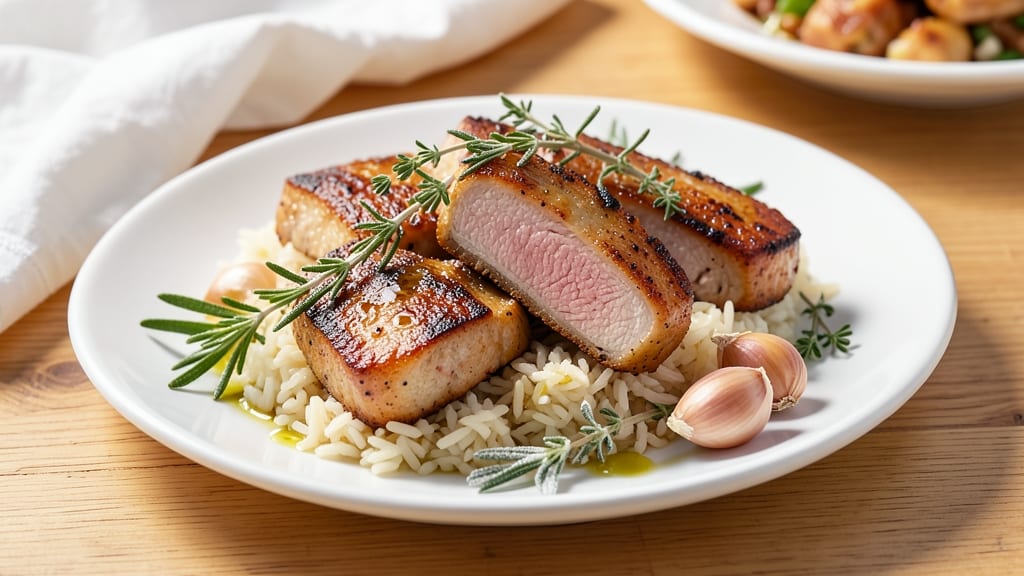
This one-pan boneless pork chops and rice recipe transforms weeknight dinner into a restaurant-worthy meal with minimal cleanup. The secret lies in a garlic-herb marinade that tenderizes the pork while infusing it with savory depth, paired with fragrant rice cooked in the same pan for maximum flavor transfer.
No fancy techniques—just a simple, foolproof method that delivers perfectly seasoned pork and aromatic rice in under 45 minutes.
The result is juicy, herb-crusted pork chops with a golden sear, served alongside fluffy, garlic-infused rice that soaks up every bit of flavor from the pan. This recipe balances simplicity with sophistication, making it ideal for both casual weeknights and dinner guests.
The one-pan approach ensures easy cleanup while keeping the flavors cohesive—no separate pots or pans required.
Ingredients for boneless pork chops and rice
Nine essential ingredients transform simple pork chops and rice into a restaurant-quality one-pan masterpiece.
| Ingredient | Amount | Notes |
|---|---|---|
| Boneless Pork Chops 🐖 | 4 whole | 1-inch thick, pounded even thickness |
| Long-Grain White Rice 🍚 | 1 cup | Uncooked, jasmine or basmati preferred |
| Garlic Cloves 🧄 | 8 cloves | Fresh, minced for marinade |
| Fresh Rosemary 🌿 | ¼ cup | Chopped, stems removed |
| Fresh Thyme 🌿 | ¼ cup | Leaves only, stems removed |
| Extra-Virgin Olive Oil 🫒 | ½ cup | High-quality, fruity variety |
| Dry White Wine 🍷 | ½ cup | Sauvignon Blanc preferred |
| Chicken Broth 💧 | 1 ½ cups | Low-sodium preferred |
| Diamond Crystal Kosher Salt 🧂 | 1 ½ tsp | Adjust to taste |
| Freshly Ground Black Pepper 🌶️ | 1 tsp | Coarsely ground |
| Fresh Lemon Juice 🍋 | 2 tbsp | From 1 medium lemon |
| Unsalted Butter 🧈 | 2 tbsp | Cold, cubed for searing |
| Fresh Parsley 🌿 | ⅛ cup | Chopped, for garnish |
The pork chops are the foundation—look for evenly thick cuts (about 1-inch) from the butcher section. Whole Foods or local grocers often carry higher-quality cuts than standard supermarkets. Fresh herbs make all the difference here: rosemary and thyme from the bulk bins at Trader Joe's or a farmers market will have more vibrant flavor than dried substitutes. For the wine, Sauvignon Blanc adds brightness that cuts through the richness of the pork, but any dry white works. The kosher salt is crucial—Diamond Crystal dissolves more easily than Morton's, so adjust accordingly.
No white wine? Chicken broth with a splash of lemon juice replicates the acidity perfectly. Dried herbs work in a pinch, but use half the amount—they lack the complexity of fresh. The olive oil should be extra-virgin; anything less won't carry the same depth of flavor. For the rice, jasmine or basmati grains stay separate longer, preventing mushiness. If you're short on time, pre-cooked rice (like Trader Joe's microwaveable pouches) can be used, but fresh-cooked rice in the pan delivers the best texture and flavor infusion.
This dish reheats beautifully—the flavors meld overnight, making it even more delicious the second day. Store leftovers in an airtight container in the fridge for up to 4 days, or freeze portions for 3 months. For meal prep, cook the pork chops and rice separately, then combine when reheating to maintain texture. The butter and wine can be prepped ahead in a small container, saving time on cooking day. Garnish with fresh parsley just before serving to keep it vibrant.
Why You'll Love This Recipe
- Pantry-to-Plate Speed: I swear by this when I’m starving at 6:30 PM. The rice cooks while I sear the pork—no waiting around, no last-minute stress. Just 15 minutes of active time, and the rosemary and thyme turn that simple rice into something that smells like a restaurant.
- Crispy-Creamy Magic: That garlic-infused oil? It’s the secret weapon. The pork gets this perfect crust—golden outside, tender inside—while the rice absorbs just enough flavor to make every bite feel special. Honestly, the combo of fresh herbs and seared pork is my go-to when I want to impress without trying too hard.
- Weeknight Workhorse: This feeds my family of four (plus my picky teenager) without breaking the bank. Double the rice, and you’ve got lunch tomorrow. Serve it with a simple salad, or swap in roasted veggies—it’s that adaptable. Even my husband, who hates "fancy" meals, asks for seconds.
- Budget-Friendly Luxury: Pork chops stretch further than you’d think, especially when paired with rice. I buy them on sale, freeze half, and still get restaurant-quality meals. The herbs might seem like an extra, but a few sprigs go a long way—no need to overcomplicate. (Yes, even on a Tuesday night.)
Step-by-step instructions for one-pan garlic herb pork chops and rice
Master this elegant one-pan technique for juicy pork chops and perfectly fluffy rice infused with aromatic herbs.
Prepare the Pork Chops and Herb Marinade
Begin by pounding the 4 whole boneless pork chops to an even ½-inch thickness using a meat mallet wrapped in plastic wrap. This ensures even cooking and prevents overcooking the center. Season both sides generously with 1.5 teaspoons Diamond Crystal kosher salt and 1 teaspoon freshly ground black pepper, pressing firmly so the seasoning adheres.
In a small bowl, combine the 0.25 cup chopped fresh rosemary, 0.25 cup fresh thyme leaves, 8 minced garlic cloves, and 0.5 cup extra-virgin olive oil. Rub this aromatic marinade directly onto the seasoned pork chops, coating them evenly. Let the chops sit at room temperature for 15 minutes while you prepare the rice. This resting period allows the flavors to penetrate and the chops to cook more evenly.
Sear the Pork Chops in Butter
Heat a large oven-safe skillet over medium-high heat until hot. Add the 2 tablespoons cold unsalted butter and let it melt, forming a thin, even layer in the pan. Working in batches if needed, add the pork chops and cook for 2-3 minutes per side until they develop a deep golden-brown crust. The butter should sizzle vigorously—this is your signal that the chops are searing properly.
Remove the pork chops from the skillet and set them aside on a plate. Leave the butter and any rendered pork fat in the pan—these will form the flavor base for your rice. If the pan appears dry, add 1 tablespoon extra-virgin olive oil to maintain even heat distribution. This searing step creates the Maillard reaction, which builds deep, complex flavors in the pork.
Cook the Rice in Pork-Flavored Liquid
Return the skillet to medium heat and add the 1 cup uncooked long-grain white rice, stirring to coat the grains evenly with the butter and pork fat. Pour in the 0.5 cup dry white wine and scrape up any browned bits from the bottom of the pan—this deglazing step captures all the flavor you've built so far. Let the wine simmer for 1-2 minutes until mostly evaporated.
Next, add the 1.5 cups chicken broth and 2 tablespoons fresh lemon juice. The liquid should just cover the rice—this is the perfect ratio for fluffy, separate grains. Bring to a gentle simmer, then reduce heat to low. Cover the skillet tightly with a lid and cook for 15 minutes without disturbing it. The rice will absorb the liquid gradually, developing a delicate balance of flavors from the pork and herbs.
Finish the Pork Chops and Combine
After 15 minutes, check the rice—it should be tender but still slightly firm in the center. If the liquid has been fully absorbed, sprinkle 2 tablespoons cold water over the rice and cover again for 2-3 minutes to steam through. Meanwhile, return the pork chops to the skillet, placing them on top of the rice. Cover and cook for an additional 5-7 minutes until the pork reaches an internal temperature of 145°F.
The residual heat from the rice will gently finish cooking the pork chops, ensuring they remain juicy rather than drying out. The combined aromas of garlic, rosemary, thyme, and lemon will permeate the entire dish, creating a harmonious flavor profile. Remove from heat and let the pork chops rest for 5 minutes before serving—this resting period allows the juices to redistribute, guaranteeing tender, flavorful bites.
Garnish and Serve
Transfer the pork chops to a serving platter and spoon the rice around them. Garnish generously with the 0.125 cup chopped fresh parsley and an additional sprinkle of freshly ground black pepper. The bright green parsley provides a fresh contrast to the rich, herbed pork and rice. Serve immediately while the pork is still juicy and the rice maintains its perfect texture.
This one-pan method ensures every bite delivers perfectly seasoned pork with aromatic rice, all infused with the same flavorful juices. The technique minimizes cleanup while maximizing flavor, making it ideal for both weeknight dinners and special occasions. The balance of tender pork, fluffy rice, and bright herbs creates a dish that's both elegant and approachable.
Pro Tips For Making Boneless Pork Chops And Rice
- Sear the Chops First: I used to skip this step and just toss the pork chops in the pan with everything else. Big mistake—starting with a hot, dry sear locks in flavor and prevents them from turning into soggy cutlets. Hit medium-high heat with 1 tablespoon of oil (enough to coat the pan), then let those chops develop a crust for 2-3 minutes per side before adding anything else.
- Pat Dry Before Seasoning: Fresh rosemary and thyme smell amazing, but they won’t cling worth a damn if your pork chops are damp. Grab a couple of paper towels and really dry them off—this isn’t the time to be gentle. The herbs will stick better, and you’ll get that crispy edge you’re after.
- Don’t Overcrowd the Pan: I learned this the hard way—dumping all the garlic, herbs, and pork chops in at once just steams everything instead of browning. Work in batches if you have to: sear half the chops first, then pull them out while you prep the rest. That way, you’re actually cooking, not just warming.
- Use the Rice Water: That starchy water left after rinsing your rice? Don’t pour it down the drain—it’s liquid gold for flavor. After cooking the pork chops, deglaze the pan with a splash of broth (or even water) and scrape up those browned bits. Pour that mixture over your rice as it steams—it’ll turn your plain white rice into something that actually tastes like it belongs in the same dish.
Pro cooking tips for great boneless pork chops and rice
Pound for Perfection
Pounding your pork chops to a consistent ½-inch thickness is non-negotiable for even cooking. I use a meat mallet wrapped in plastic wrap to protect my hands and maintain cleanliness.
Place the chops between two sheets of plastic wrap and pound gently but firmly—this prevents overcooking the center while ensuring the edges crisp beautifully. 💪
Butter Sear Secrets
The butter sear is where all the magic happens—use cold unsalted butter (never melted) for maximum browning. Let the pan get screaming hot before adding the chops, and resist the urge to move them too soon.
A good sear should take 2-3 minutes per side with vigorous sizzling. If your pan isn't hot enough, the butter will just melt instead of creating that coveted crust.
Deglaze Like a Pro
After removing the pork, scrape up every last bit of browned butter and pork fat with your wooden spoon or silicone spatula. This deglazing step captures 30-40% of the flavor that would otherwise go down the drain.
The wine should sizzle and reduce quickly—if it's bubbling too aggressively, lower the heat slightly to prevent burning. 🍷
Rice Texture Control
For perfectly fluffy rice, maintain a gentle simmer (not a rolling boil) after adding the broth. If you see steam escaping around the lid, reduce the heat immediately—this means the rice is getting too much moisture too quickly.
The 2 tablespoons cold water at the end steams the rice through without making it mushy, giving you that restaurant-quality texture.
Resting Matters
Never skip the 5-minute rest after cooking! This allows the pork juices to redistribute throughout the meat, preventing dryness. I like to tent the chops loosely with foil during resting to keep them warm.
The rice will stay hot enough in the skillet during this time—just cover it with a clean towel to retain heat. ✨
One-Pan Efficiency
This method works because the rice absorbs all the pork's flavorful juices while the chops rest. The residual heat in the skillet finishes cooking the pork gently, ensuring it stays moist.
For extra richness, I sometimes add 1 tablespoon of the reserved pork fat back to the rice before serving—it adds incredible depth to every bite. 🔥
Nutrition facts
Frequently asked questions
Can I use boneless pork chops with skin for this recipe?
Yes, but you'll need to adjust the cooking time slightly. Skin-on chops take 2-3 extra minutes per side to render the fat and crisp the skin. Remove the skin before serving if you prefer—it can be greasy when cooked this way. For best results, trim excess fat from the skin before searing to prevent flare-ups.
What's the best way to substitute white wine if I don't have any?
Use ½ cup chicken broth plus 2 tablespoons lemon juice for the same acidity and depth. For a richer flavor, add 1 teaspoon soy sauce or Worcestershire sauce to mimic wine's umami. The dish will still turn out delicious—just slightly less complex than with wine.
How do I know when the pork chops are fully cooked?
Use a meat thermometer to check for 145°F internal temperature at the thickest part. The pork should be opaque all the way through with no pink center. For thicker chops (¾-inch), add 2-3 extra minutes to the cooking time. Always let them rest 5 minutes before serving to retain juices.
Can I make this recipe with brown rice instead of white?
Technically yes, but brown rice requires 45-50 minutes of simmering (vs. 15 minutes for white) and needs 2 cups liquid per 1 cup rice. The texture will be chewier, and the one-pan method may not work as well since brown rice needs more moisture. For best results, cook brown rice separately using the standard 2:1 liquid ratio.
Why did my rice turn out mushy?
Mushy rice usually happens from one of three things: too much liquid, disturbing the pot while cooking, or not enough resting time. For this recipe, use exactly 1.5 cups broth and 2 tbsp water—no more. Keep the lid on tightly and avoid peeking. If using pre-cooked rice, spread it on a tray first to dry it out before adding to the pan.