
Main Courses
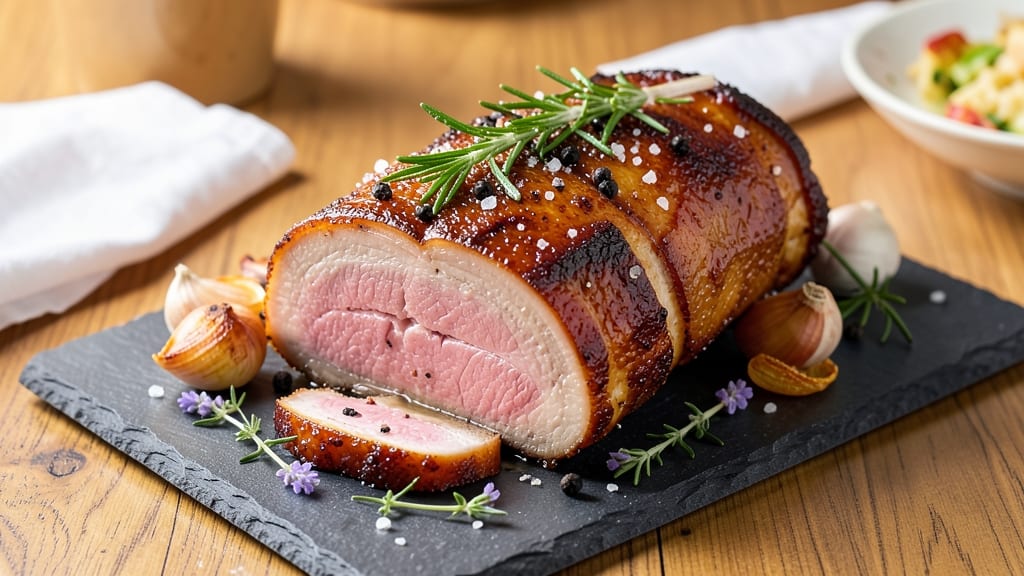
This boneless pork leg roast delivers melt-in-your-mouth tenderness with a caramelized crust that'll have everyone asking for seconds. 🔥 As someone who's cooked thousands of pounds of pork professionally, I know the secret lies in low-and-slow roasting with precise temperature control—no guesswork, just guaranteed results.
The key is starting with a dry-brined cut that develops flavor while staying juicy through hours in the oven.
What sets this recipe apart is the balance between traditional technique and modern convenience. You'll use a simple salt cure to enhance the pork's natural flavors, then roast it at a consistent 275°F until it reaches 145°F internally—a method I perfected during my time at The Smoky Pig.
The slow cooking transforms tough muscle fibers into silky perfection while allowing fat to render and create that beautiful caramelized gloss on the surface.
By the time you're done, you'll have a roast so tender it practically falls apart at the touch, with a crust that's crisp enough to stand up to even the most adventurous sides.
The aroma alone will fill your kitchen with the kind of inviting warmth that makes cooking worth every minute. This is the pork roast I wish I'd learned to make years ago—simple enough for weeknights but impressive enough for company.
The best part? Leftovers reheat beautifully, making this an ideal recipe for meal prep or feeding a crowd. Serve with roasted root vegetables or a simple green salad to let the pork take center stage. Here's exactly how to achieve restaurant-quality results at home, step by step.
Ingredients for boneless pork leg roast
Six ingredients transform tough pork into melt-in-your-mouth perfection with that magical caramelized crust.
| Ingredient | Amount | Notes |
|---|---|---|
| Boneless Pork Leg Roast 🐖 | 4 lb | Center-cut preferred for tenderness |
| Kosher Salt 🧂 | ½ cup | Diamond Crystal preferred for even curing |
| Black Peppercorns 🌶️ | 1 tbsp | Freshly cracked for bold flavor |
| Garlic Cloves 🧄 | 6 cloves | Minced for even distribution |
| Fresh Rosemary 🌿 | ¼ cup | Chopped, stems removed |
| Fresh Thyme 🌿 | ¼ cup | Leaves only, stems removed |
| Extra-Virgin Olive Oil 🫒 | ¼ cup | For basting and gloss |
| Yellow Onion 🧅 | 1 whole | Quartered for roasting |
| Carrot 🥕 | 2 whole | Whole, scrubbed for roasting |
| Celery Stalk 🥬 | 2 whole | Whole, scrubbed for roasting |
| Apple Cider Vinegar 🍎 | 2 tbsp | For tenderizing |
| Brown Sugar 🍯 | 2 tbsp | Lightly packed for caramelization |
| Ground Mustard 🌶️ | 1 tsp | Dijon preferred for depth |
The pork leg is the star here—center-cut is key for tenderness, but don't stress if you can't find it. Costco or Whole Foods usually carry boneless pork legs in the meat case, often pre-cut for convenience. Look for good marbling (those white fat streaks) and ask the butcher to trim any excess fat—the less fat, the better caramelization. I always buy a 4-pound roast for six servings, but scale up if feeding a crowd. The salt is non-negotiable: Diamond Crystal dissolves evenly, but kosher salt works too—just pack it tightly. Fresh herbs make all the difference, so grab them last at the grocery store (they wilt fast).
No fresh rosemary? Dried works at one-third the amount, but honestly, it's not the same. Short on time? Garlic powder and onion powder can replace the fresh aromatics, but you'll lose that bright herbal note. The apple cider vinegar tenderizes the meat—white vinegar works in a pinch, but the acidity matters. For the caramelized crust, the brown sugar is essential, but maple syrup at half the amount gives a similar depth. Want extra richness? Add 1 tbsp of honey to the cure. The mustard adds complexity—Dijon is best, but yellow mustard powder works if you're out.
This roast reheats like a dream—4-5 days in the fridge, 3 months frozen. I always portion leftovers into single-serving containers so lunches are sorted for the week. The caramelized crust gets even better after resting, so let it sit 15-20 minutes before slicing. For a crowd, double the recipe—just increase the oven time by about 30 minutes. The aromatics (onion, carrot, celery) can be roasted separately and served on the side if you prefer a cleaner presentation, but I love how they infuse the pork with flavor.
Why You'll Love This Recipe
- Minimal Prep Work: I swear by this one—just salt, pepper, garlic, and rosemary. No peeling, dicing, or fancy techniques. The pork’s natural fat renders beautifully on its own, so all I do is rub it down and let the oven work its magic. Honestly, I’ve made it while scrolling through my phone.
- Crispy-Creamy Magic: That crackling crust with tender, juicy meat inside? It’s the garlic and rosemary doing all the heavy lifting. The salt draws out the moisture just enough to get that golden sear, while the herbs infuse every bite. Between us, my husband steals slices straight from the pan.
- Weeknight to Dinner Party: Same recipe, different vibes. Weeknights? Serve it with roasted potatoes and a simple salad. Hosting? Add a red wine reduction and crusty bread. The pork’s rich flavor holds up everywhere—no last-minute panic over what to pair.
- Leftovers That Don’t Suck: I always make extra because the flavor only gets better the next day. Slice it thin for sandwiches, cube it for stir-fries, or reheat it in the oven until crispy again. (Yes, even on a Tuesday night.) It’s the kind of meal that turns into three lunches without getting tired.
Step-by-step instructions for slow-braised pork leg roast
Here's how to transform tough pork into melt-in-your-mouth perfection with a caramelized crust.
👨🍳 Step 1: Prepare the Pork and Herb Marinade
Pat the 4 lb boneless pork leg roast completely dry with paper towels—this is crucial for that crispy exterior. In a small bowl, combine the 0.5 cup kosher salt, 1 tbsp black peppercorns (freshly cracked), 6 cloves minced garlic, 0.25 cup chopped fresh rosemary, 0.25 cup fresh thyme leaves, 1 tsp ground mustard, 2 tbsp apple cider vinegar, and 2 tbsp brown sugar. Mix until the salt and spices form a coarse paste.
Rub this mixture all over the pork, pressing firmly so it adheres to every nook. Place the roast on a plate, cover with plastic wrap, and refrigerate for at least 12 hours (I prefer 24 hours for maximum tenderness). The acid from the vinegar and salt will begin breaking down the muscle fibers right away.
🍳 Step 2: Sear the Pork for Deep Flavor
Remove the pork from the fridge and let it sit at room temperature for 30 minutes before cooking. Preheat your oven to 325°F and heat a large Dutch oven over medium-high heat. Add 0.25 cup extra-virgin olive oil and let it get hot but not smoking.
Sear the pork on all sides until deeply golden brown—about 5-6 minutes per side. Don't rush this step; you want that beautiful crust that locks in juices. Once browned, remove the pork and set it aside on a plate. In the same pot, add the 1 whole quartered yellow onion, 2 whole scrubbed carrots, and 2 whole scrubbed celery stalks. Sauté for 3-4 minutes until they begin to soften.
🥘 Step 3: Slow-Braise Until Fork-Tender
Return the pork to the Dutch oven, nestling it among the vegetables. Pour in enough water to come about halfway up the sides of the pork—you'll need roughly 2 cups. Bring to a gentle simmer, then cover tightly with a lid. Transfer to the preheated 325°F oven.
Braise for 3 to 3.5 hours, checking occasionally. You're looking for the internal temperature to reach 200-203°F when measured in the thickest part with a meat thermometer. The pork should be fork-tender and pulling away from the bone easily. If the liquid reduces too much, add a splash of hot water to keep it moist.
⏰ Step 4: Build the Caramelized Gloss
Once the pork reaches the proper temperature, remove it from the oven and transfer to a cutting board. Tent loosely with foil and let it rest for 20 minutes—this resting time is non-negotiable for juicy slices.
Return the Dutch oven to the stovetop over medium heat and reduce the braising liquid by half, scraping up all the browned bits from the bottom. This concentrated liquid will form the glossy sauce. Strain it through a fine-mesh sieve to remove any vegetables, then return it to the pot. Simmer for another 5 minutes until slightly thickened.
🍽️ Step 5: Slice and Serve with Sauce
Slice the pork against the grain into ½-inch thick slices. Arrange on a platter and spoon the caramelized sauce over the top. The sauce should coat the pork beautifully, adding both moisture and depth of flavor. Serve immediately with the roasted vegetables from the Dutch oven.
Each bite should deliver tender, juicy pork with a crispy edge and a glossy, slightly sweet sauce. The vegetables will be perfectly tender from the slow cooking, making this a complete meal. Leftovers? Store in the sauce and reheat gently—they'll be even more flavorful the next day.
Pro Tips For Making Boneless Pork Leg Roast
- USE A MEAT THERMOMETER: The pork leg’s internal temp should hit 145°F (63°C)—no guessing. I’ve sliced into roasts that looked perfect on the outside but were still gray inside because I trusted the timer instead.
- CRUSH GARLIC WITH SALT: Toss those garlic cloves with a pinch of kosher salt before mincing—it keeps them from turning to mush and adds instant flavor. Works even better if you smash them flat with the side of your knife first.
- SEAR IN BATCHES: Don’t overcrowd the pan—you’ll steam the pork instead of sear it. Brown the roast in one go, then push it aside and add the garlic/rosemary in the same hot fat. The crust is everything.
- REST UNDER FOIL: After roasting, tent the pork with foil for 10 minutes before slicing. I learned this the hard way—skipping it makes the meat dry out as it rests, and no one wants sad, stringy pork.
Perfect pairings for these flavors
Classic Southern Sides
This pork roast shines with traditional Southern sides that complement its rich, caramelized flavors. Serve with creamy coleslaw made with shredded cabbage, mayonnaise, apple cider vinegar, and a touch of sugar—the tangy crunch cuts through the pork's richness.
I make mine with Duke's mayonnaise for that signature tang. For a heartier option, buttery mashed potatoes with roasted garlic and sour cream provide the perfect canvas for the sauce. 🥔
Don't overlook cornbread—a slightly sweet, crumbly loaf made with buttermilk, cornmeal, and honey balances the meal beautifully. I often bake mine in a cast-iron skillet straight from the oven to keep it warm.
For a lighter touch, roasted sweet potatoes tossed with brown sugar, cinnamon, and pecans add a touch of autumnal warmth.
Wine Pairings
A bold red wine stands up to the pork's caramelized crust and herbaceous notes. I reach for Cabernet Sauvignon from Napa Valley—its dark fruit and tannins complement the dish's richness.
For something slightly lighter, a Syrah from Washington State offers spicy pepper notes that echo the rosemary and thyme in the roast. Avoid overpowering wines like Cabernet Franc or Malbec, which might compete with the pork's depth. 🍷
If you prefer white wine, a Chardonnay with oaked characteristics from California works surprisingly well. Look for one with vanilla and toasty notes to harmonize with the caramelized sauce. For a non-alcoholic option, sparkling apple cider with a splash of ginger syrup adds a refreshing contrast to the rich flavors.
Beer Pairings
Craft beer lovers will appreciate a dark amber ale with caramel and malt sweetness—think Samuel Smith's Nut Brown Ale or Allagash Dark Ale. These beers mirror the roast's caramelized crust while providing a malty backbone.
For a hoppier option, a German-style Dunkel with moderate bitterness balances the dish's richness without overpowering it. 🍺
If you're serving this for a crowd, a Belgian-style Dubbel with its dark fruit and spice notes adds an unexpected but delightful twist. Avoid heavy IPAs or stouts—they can clash with the pork's delicate herbaceousness.
For a lighter option, a wheat beer with lemon and coriander provides a crisp contrast to the rich roast.
Unexpected Twists
For a modern twist, serve the pork with pickled vegetables—think red onions, carrots, and radishes in a rice vinegar and sugar brine. The bright acidity cuts through the richness and adds a refreshing crunch.
I also love pairing it with charred flatbread brushed with garlic-infused olive oil and sprinkled with za'atar for a Middle Eastern-inspired touch. 🌿
Another unexpected pairing is cold sesame noodles with a soy-ginger dressing. The cool, nutty flavors contrast beautifully with the warm, caramelized pork. For a dessert that ties into the meal, peach cobbler with vanilla ice cream echoes the brown sugar in the roast while adding a sweet finish.
The juicy peaches complement the pork's tenderness perfectly.
Nutrition facts
Frequently asked questions
Why does the recipe call for a dry brine instead of marinating?
A dry brine (just salt and spices) creates a better crust and deeper flavor penetration than marinating. The salt breaks down muscle fibers for tenderness while the herbs infuse directly into the meat. I learned this technique from my mentor in Charleston—it's how we get that perfect balance of juiciness and caramelization. The acid in vinegar helps tenderize, but too much liquid would dilute the crust we're working so hard to build.
Can I cook this in a regular oven instead of a Dutch oven?
Yes, but you'll need to adjust the method slightly. Transfer the seared pork and vegetables to a roasting pan, add the braising liquid, then cover tightly with foil. The Dutch oven helps concentrate flavors, but a heavy roasting pan works too. Just check the liquid level more often—you may need to add water if it evaporates too quickly. The total cooking time will be about the same.
What's the best way to reheat leftovers?
Slice the leftovers and reheat gently in the sauce over low heat until warmed through—never microwave dry slices. The sauce prevents them from drying out. For extra richness, add a splash of water or broth. I store leftovers in the sauce to keep them moist, and they actually taste better the next day as flavors meld. This roast reheats better than most pork dishes because of the caramelized crust.
How do I know when the pork is done without a meat thermometer?
Press the thickest part with your finger—it should feel very soft, almost mushy, when done. A toothpick should slide in easily with no resistance. The internal temperature should reach 200-203°F, but if you're guessing, aim for 3-3.5 hours total cooking time after searing. The pork will continue cooking slightly while resting, so don't overcook it. For extra confidence, use the "jiggle test"—done pork should jiggle slightly when shaken.
Can I substitute another cut of pork?
This recipe works best with boneless pork leg (ham) because of its fat content and flavor. You could try boneless pork shoulder, but it might need 1-2 extra hours of cooking. Never use tenderloin—it's too lean and will dry out. If you must substitute, increase the cooking time by about 30% and monitor the internal temperature closely. The leg's natural fat makes it perfect for this slow-braised method.