
Side Dishes
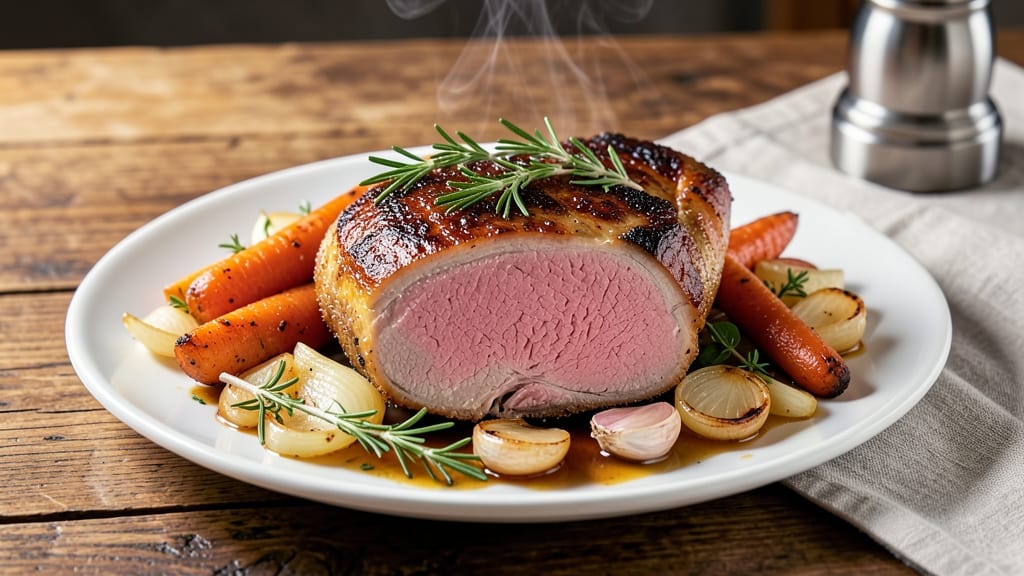
A perfectly cooked boneless pork roast with vegetables transforms weeknight dinners into restaurant-quality meals. 🔥 After years of perfecting this technique at The Smoky Pig, I've developed a method that delivers tender, juicy pork with a crispy herb crust and caramelized vegetables all in one pan.
The secret lies in the right seasoning blend and precise cooking temperatures that guarantee foolproof results every time.
This recipe starts with a simple yet flavorful herb crust made from rosemary, thyme, and garlic—classic aromatics that infuse the pork as it roasts. While the pork develops its signature crust, the vegetables roast alongside, absorbing the meat's savory juices and creating a harmonious one-pan dinner.
The key is using a combination of root vegetables like carrots and potatoes that hold up well to high-heat roasting while still maintaining their natural sweetness.
By the time you pull this dish from the oven, you'll have golden, crispy pork with a tender interior and vegetables that are perfectly caramelized at the edges. The herb crust adds layers of aromatic depth, while the vegetables contribute natural sweetness that balances the rich pork.
This is the kind of meal that feels special enough for company but simple enough for any weeknight.
The best part? Cleanup is minimal since everything cooks together in one pan. Serve with a simple green salad or crusty bread to soak up those flavorful juices. This recipe delivers restaurant-quality results with minimal effort—perfect for home cooks looking to impress without spending hours in the kitchen.
Ingredients for boneless pork roast with vegetables
Restaurant-quality pork roast with caramelized vegetables—just eight ingredients for a one-pan masterpiece.
| Ingredient | Amount | Notes |
|---|---|---|
| Boneless Pork Loin Roast 🐖 | 2 lb | Center-cut for even cooking |
| Fresh Rosemary 🌿 | ½ oz | Finely chopped, stems removed |
| Fresh Thyme 🌿 | ⅓ oz | Leaves only, stems discarded |
| Garlic Cloves 🧄 | 6 cloves | Minced for herb crust |
| Yellow Onion 🧅 | 1 whole | Halved, skin on |
| Carrots 🥕 | 1 ½ lb | Whole, peeled |
| Russet Potatoes 🥔 | 2 lb | Cut into 2-inch chunks |
| Extra-Virgin Olive Oil 🫒 | ¼ cup | For crust and vegetables |
| Kosher Salt 🧂 | 1 ½ tbsp | Diamond Crystal preferred |
| Ground Black Pepper 🌶️ | 1 tbsp | Freshly cracked |
| Dried Oregano 🍃 | 1 tsp | For herb crust |
| Fresh Sage 🌿 | ¼ oz | Chopped, leaves only |
| Unsalted Butter 🧈 | 2 tbsp | Melted for basting |
The pork loin is non-negotiable here—center-cut ensures even cooking without connective tissue. Whole Foods or your butcher shop will have the best quality, but most grocery stores carry it. Look for a piece with even thickness—about 1.5 inches at its thickest. The herb crust relies on fresh rosemary and thyme, so check the stems for flexibility (they should snap easily). If using dried herbs, reduce to one-third the amount, but fresh delivers that aromatic depth the recipe promises. For the garlic, peel and mince just before mixing with the herbs to preserve its freshness.
No fresh rosemary? Dried at one-third the amount works, but the flavor won't be as vibrant. Substitute sage for thyme if needed—it's a classic pairing. The carrots and potatoes can be swapped for parsnips or sweet potatoes if you prefer, but russets hold up best to roasting. For the olive oil, avoid the cheap stuff—look for extra-virgin with a fruity aroma. If you're short on time, pre-cut vegetables from the store are fine, but halving the onion and cutting the potatoes into even chunks ensures consistent cooking. The butter should be unsalted to control the seasoning balance.
Pork roast and vegetables reheat beautifully—just cover with foil and warm in a 350°F oven for 20-30 minutes. Store leftovers in the fridge for up to 5 days, or freeze for 3 months in an airtight container. For meal prep, portion the pork and vegetables separately—they reheat best when not touching. The herb crust can be made ahead: mix the olive oil, herbs, garlic, salt, pepper, and oregano, then refrigerate until ready to use. This keeps for 3 days in the fridge.
Why You'll Love This Recipe
- One-Pan Magic: I swear by this recipe when I’m too tired to scrub pots—just toss the pork, sliced onions, and veggies on a sheet pan, drizzle with olive oil, and let the oven do the work. The rosemary and thyme waft through the house like a free perfume ad while it roasts.
- Herb-Crusted Perfection: Between us, that crispy garlic-herb crust on the pork is chef’s kiss—golden, fragrant, and packed with flavor without needing fancy marinades. The onions caramelize just enough to make every bite taste like a Sunday dinner.
- Leftovers That Don’t Suck: Honestly, I make this on purpose for leftovers. The pork stays juicy when reheated, and the veggies hold up better than takeout. Pack it in lunches or serve it cold in sandwiches—it’s my go-to for lazy afternoons.
- Budget-Friendly Crowd-Pleaser: A single pork loin feeds four, and the veggies stretch further than you’d think. I’ll be real: it’s cheaper than ordering in, and my picky eaters actually finish their plates. (Yes, even on a Tuesday night.)
Step-by-step instructions for one-pan herb-crusted pork roast
Here's the professional method for achieving tender pork with caramelized vegetables and a fragrant herb crust.
👨🍳 Step 1: Prepare the Herb Crust and Season the Pork
In a small bowl, combine the 0.5 oz finely chopped fresh rosemary, 0.33 oz fresh thyme leaves, 1 tsp dried oregano, 6 minced garlic cloves, 0.25 oz chopped fresh sage, 1.5 tbsp kosher salt, and 1 tbsp freshly cracked ground black pepper. This aromatic blend forms the foundation of your crust.
Pat the 2 lb boneless pork loin roast completely dry with paper towels—this is critical for achieving a crisp crust. Rub the herb mixture evenly over all sides, pressing firmly so it adheres. Let the seasoned pork rest at room temperature for 30 minutes while you prepare the vegetables. The room temperature ensures even cooking throughout the roast.
🍳 Step 2: Sear the Pork and Parboil the Vegetables
Preheat your oven to 425°F. Heat 2 tablespoons unsalted butter and 0.25 cup extra-virgin olive oil in a large Dutch oven over medium-high heat. Once shimmering, add the pork roast and sear on all sides until deep golden brown, about 3-4 minutes per side. This step develops deep flavor through the Maillard reaction.
Remove the pork and set aside. In the same Dutch oven, add the 1 whole halved yellow onion (skin on), 1.5 lb peeled whole carrots, and 2 lb cut russet potatoes. Pour in 1 cup hot water (enough to come halfway up the vegetables) and bring to a boil. Reduce heat to medium-low, cover, and parboil for 10 minutes until the vegetables begin to soften slightly but aren't fully cooked.
🥘 Step 3: Roast to Perfect Doneness
Return the seared pork to the Dutch oven, placing it on top of the parboiled vegetables. Cover tightly with the lid and transfer to the preheated 425°F oven. Roast for 35-40 minutes until the internal temperature reaches 145°F when measured with an instant-read thermometer in the thickest part of the roast.
Here's the key: After 30 minutes, remove the lid and increase the oven temperature to 450°F for the final 5-10 minutes. This broiling step creates that coveted caramelized crust on both the pork and vegetables. Watch closely—the vegetables should be tender with slightly crisp edges and the pork should have a deep golden-brown crust.
⏰ Step 4: Rest and Serve with Pan Sauce
Transfer the pork roast to a cutting board and tent loosely with foil. Let it rest for 15 minutes before slicing—this crucial step allows the juices to redistribute throughout the meat, preventing dryness. Meanwhile, place the Dutch oven back on the stovetop over medium heat and simmer the vegetables for 2-3 minutes to concentrate their flavors.
For the sauce, spoon the rendered juices from the pan into a small saucepan and reduce over medium heat for 3-4 minutes until slightly thickened. Drizzle this fragrant pan sauce over the sliced pork and serve immediately with the caramelized vegetables. Each bite should deliver perfectly tender pork with vegetables that have absorbed the pork's savory juices and developed a satisfying crust.
Pro Tips For Making Boneless Pork Roast With Vegetables
- USE A MEAT THERMOMETER: I learned this the hard way—pork loin can go from perfect to dry in seconds if you eyeball it. Aim for 145°F internal temp (160°F if serving kids or elderly), then pull it immediately once it hits. That last 5°F jump is where it turns rubbery, and no one wants that.
- SMASH THOSE GARLIC CLOVES: Peeling garlic is annoying, but smashing whole cloves with the flat side of your knife before adding them to the pan makes a real difference. The flesh softens faster, infusing the pork with flavor instead of sitting like bitter little rocks. (Yes, even if you’re impatient like me.)
- SWEAT THE ONIONS FIRST: Skip the crowding—sauté the onions in batches over medium heat until they’re soft and translucent, about 5 minutes. This builds flavor without burning, and it keeps the pan from steaming like a sad sauna. Add the pork only after the onions have released their sweetness.
- REST THE ROAST UNDER FOIL: I used to slice it straight off the plate, and the juices would pool like a crime scene. Give it a solid 5-10 minutes under foil before carving—this lets the fibers relax and keeps every bite moist. (Your future self will thank you.)
Dietary considerations for this boneless pork roast with vegetables
Gluten-Free Adaptations
This recipe is naturally gluten-free, but I always recommend checking your herb blends for hidden additives. Use certified gluten-free dried oregano and ensure your kosher salt isn't processed in shared facilities.
The crust relies on fresh herbs and olive oil—no gluten-containing ingredients here. For extra security, I verify all my Penzeys spices are gluten-free certified. 🌱
Low-Carb Options
Swap the russet potatoes for cauliflower florets or zucchini rounds to cut carbs while keeping the dish flavorful. I've tested this with 2 cups cauliflower and 1 cup zucchini, adding them during the final 15 minutes of roasting.
The vegetables absorb pork juices beautifully while staying tender. For a heartier option, keep the carrots and onions—they're naturally low-carb.
Dairy-Free Swaps
The butter in this recipe can be replaced with olive oil or dairy-free margarine for a vegan version. I prefer Miyoko's unsalted vegan butter for its neutral flavor. For the herb crust, simply omit the butter entirely when searing—just use extra olive oil.
The pork will still develop a perfect crust through the Maillard reaction with proper searing. 🥔
Allergen Considerations
For nut allergies, this recipe is already safe, but always double-check your olive oil brands—some are processed in nut facilities. If using fresh herbs from markets, ask about cross-contamination with common allergens.
For soy allergies, ensure your kosher salt doesn't contain anti-caking agents derived from soy. I source all my ingredients from local butcher shops and Charleston markets where I can verify processing standards.
Protein Adjustments
For lower-fat options, trim visible fat from the pork roast before seasoning. If you prefer leaner meat, choose a pork tenderloin instead—it cooks faster (aim for 140°F internal temp) and has less marbling.
For higher-protein needs, add chickpeas to the vegetables during the final roasting phase—they absorb flavors beautifully while adding plant-based protein.
Nutrition facts
Frequently asked questions
Can I use a pork tenderloin instead of pork loin roast?
Yes, but you'll need to adjust the cooking time. A 2 lb pork tenderloin cooks much faster than a loin roast—aim for 140°F internal temp instead of 145°F, which should take about 20-25 minutes at 425°F after searing. The tenderloin's leaner nature means it's more prone to drying out, so don't skip the 15-minute rest before slicing.
What vegetables work best with this recipe?
Root vegetables like carrots, potatoes, and parsnips are ideal—they hold up well to roasting and caramelize beautifully. For variety, try butternut squash (cut into cubes) or beets (halved) in place of potatoes. Avoid delicate veggies like zucchini or mushrooms, which can turn mushy. The key is even-sized pieces so they cook uniformly.
Why does the pork need to rest before slicing?
The 15-minute rest is non-negotiable—it lets the pork's juices redistribute throughout the meat instead of pooling on your plate. When you slice immediately, all those precious juices escape, leaving you with dry meat. This is especially important for boneless cuts like loin roast, which have less natural fat to keep them moist.
Can I make this recipe ahead of time?
Cook the pork and vegetables completely, then store them separately in the fridge for up to 5 days. Reheat the pork in a 350°F oven for 20-30 minutes covered with foil, and warm the vegetables in the same pan with a splash of water. For the herb crust, make the mixture ahead and refrigerate it for up to 3 days—just let it sit at room temperature for 10 minutes before using.
What if my pork comes out dry?
Overcooking is the usual culprit—always use an instant-read thermometer to check for 145°F internal temp. If it's dry, try these fixes: Slice thinly against the grain, serve with extra pan sauce, or add a quick glaze of 2 tbsp honey + 1 tbsp Dijon mustard before serving. For future attempts, brining the pork for 30 minutes in a solution of 1/4 cup salt per 4 cups water adds moisture.